The Golden Year: Why 1966 Represents the GTO’s Finest Hour
When muscle car historians debate the greatest year in American performance history, 1966 inevitably enters the conversation. This was the year when Pontiac’s revolutionary GTO concept reached its full potential, combining aggressive styling, potent engines, and mainstream acceptance into a package that would define the muscle car genre for decades to come.
GM had finally dropped its corporate policy of capping engine capacity in midsized bodies and GTO sales soared to 96,946 units, which would be the highest sales year the model would enjoy. This sales milestone wasn’t just about numbers – it represented the moment when American buyers fully embraced the muscle car philosophy that Pontiac had pioneered just two years earlier.
For today’s collectors and enthusiasts, the 1966 Pontiac GTO represents the perfect intersection of historical significance, driving excitement, and investment potential. As America’s first true muscle car in its peak production year, the ’66 GTO offers authenticity that modern performance cars simply cannot match.


























The Birth of a Legend: GTO’s Rise from Option Package to Icon
The GTO story began in 1964 when Pontiac engineers John DeLorean, Bill Collins, and Russ Gee circumvented GM’s corporate restrictions by creating what they initially called the “Tempest GTO option package.” The model name “GTO,” which stands for Gran Tourismo Omologato, was intentionally borrowed from the Ferrari racing program at the time.
Pontiac general manager Elliot “Pete” Estes approved the new model with sales manager Frank Bridge limiting initial production to 5,000 cars. What happened next surprised everyone – the GTO became an instant sensation, selling over 32,000 units in its first year and establishing the template for every muscle car that followed.
From Option to Model: 1966’s Significance
After its initial success, the GTO became its own model starting in 1966, so true ’66 and ’67 GTOs can easily be identified if the second and third digits of the VIN are 42. This transition from option package to standalone model marked a crucial evolution in automotive marketing and muscle car development.
The 1966 model year brought several important changes:
- Standalone model status: No longer just a Tempest option, the GTO gained its own identity
- Revised styling: Subtle but meaningful updates that refined the aggressive look
- Improved performance: Engineering refinements that enhanced power and drivability
- Market validation: Peak sales numbers proved the muscle car concept’s commercial viability
Engine Options: The Heart of American Muscle
The 1966 GTO’s engine lineup represented the pinnacle of mid-1960s performance technology. The car was a lightweight-body Tempest compact with heavyweight engine, a 389cid Pontiac V8 from the Pontiac Catalina and Bonneville. This combination of light body and big engine created the fundamental muscle car formula that manufacturers would follow for years.
Base 389 Four-Barrel: The Foundation of Performance
The 1966 Pontiac GTO had the following engine options: V 8 (6375 cc | 389.0 cu in. | 6.4 L.) with 335 HP (246.56 KW) @ 5000 RPM served as the standard powerplant. The most popular model was the 335 bhp, 389 cid engine with four-barrel carburetor, indicating that most buyers were satisfied with the base engine’s substantial performance.
This wasn’t a detuned economy engine dressed up for marketing purposes. The base 389 featured:
- 335 horsepower at 5,000 RPM: Genuine high-performance output for the era
- Carter AFB four-barrel carburetor: Premium fuel delivery system
- Dual exhaust: Aggressive sound and improved breathing
- Chromed valve covers: Visual confirmation of performance intentions
- Heavy-duty cooling: Seven-blade clutch fan for sustained high-speed operation
High-Performance 389: Maximum Street Power
For buyers seeking ultimate performance, Pontiac offered an upgraded version of the 389. V 8 (6362 cc | 388.2 cu in. | 6.4 L.) with 365 BHP (268.64 KW) @ 5200 RPM and 425 Ft-Lbs (576 NM) @ 3600 RPM provided the kind of torque that made the GTO a street terror.
The legendary Tri-Power upgrade was definitely the most sought-after power source. Dual carburetors helped the V-8 engine to pump out an impressive 360 horsepower. However, Surprisingly the Tri-power option was dropped for model year 1966.
The high-performance 389 delivered:
- 365 horsepower: 30 more than the base engine
- 425 lb-ft of torque: Massive pulling power for stoplight dominance
- High-lift camshaft: Aggressive valve timing for maximum power
- Premium internals: Forged pistons and stronger connecting rods
- Performance exhaust: Tuned headers and low-restriction mufflers
Transmission Options: Power Delivery Systems
The 1966 Pontiac GTO had the following gearbox options: 2 speed Automatic Super HydraMatic, 4 speed Manual All-Synchromesh. Each transmission offered distinct advantages for different driving styles and preferences.
Three-Speed Manual: The Standard Choice
The US$295 package included a floor-shifted three-speed manual as the base transmission option. While not as sophisticated as the four-speed, the three-speed manual offered:
- Simplicity: Fewer parts meant greater reliability
- Durability: Heavy-duty construction for big-block torque
- Affordability: Lower initial cost and maintenance requirements
- Performance: Still delivered impressive acceleration with proper gearing
Four-Speed Manual: The Enthusiast’s Choice
The optional four-speed manual transmission represented the pinnacle of performance driving. This Muncie-built unit featured:
- Close-ratio gearing: Optimized for maximum acceleration
- All-synchromesh design: Smooth shifting across all gears
- Heavy-duty construction: Built to handle high-horsepower applications
- Positive engagement: Precision shifter with solid gate feel
Two-Speed Automatic: Luxury Performance
The Super Hydra-Matic automatic provided effortless power delivery for those who preferred convenience over manual control. Features included:
- Smooth operation: Refined shifting for comfortable cruising
- Durability: Proven design from Pontiac’s full-size cars
- Performance tuning: Optimized shift points for muscle car applications
- Convenience: Perfect for daily driving and highway touring
Styling Evolution: Refining the Muscle Car Look
The 1966 GTO’s exterior styling represented a careful evolution of the successful 1965 design. Pontiac’s designers understood that they had created something special and chose refinement over revolution.
Exterior Updates
Key styling changes for 1966 included:
- Revised grille: More aggressive horizontal bars with integrated parking lights
- Updated taillights: Cleaner integration with rear body panels
- Improved trim: Enhanced chrome details and badging
- Color options: Expanded palette including period-correct metallic finishes
- Wheel choices: Rally wheels became available as factory option
Interior Appointments
The 1966 GTO interior combined performance functionality with period luxury:
- Bucket seats: Standard equipment with optional console
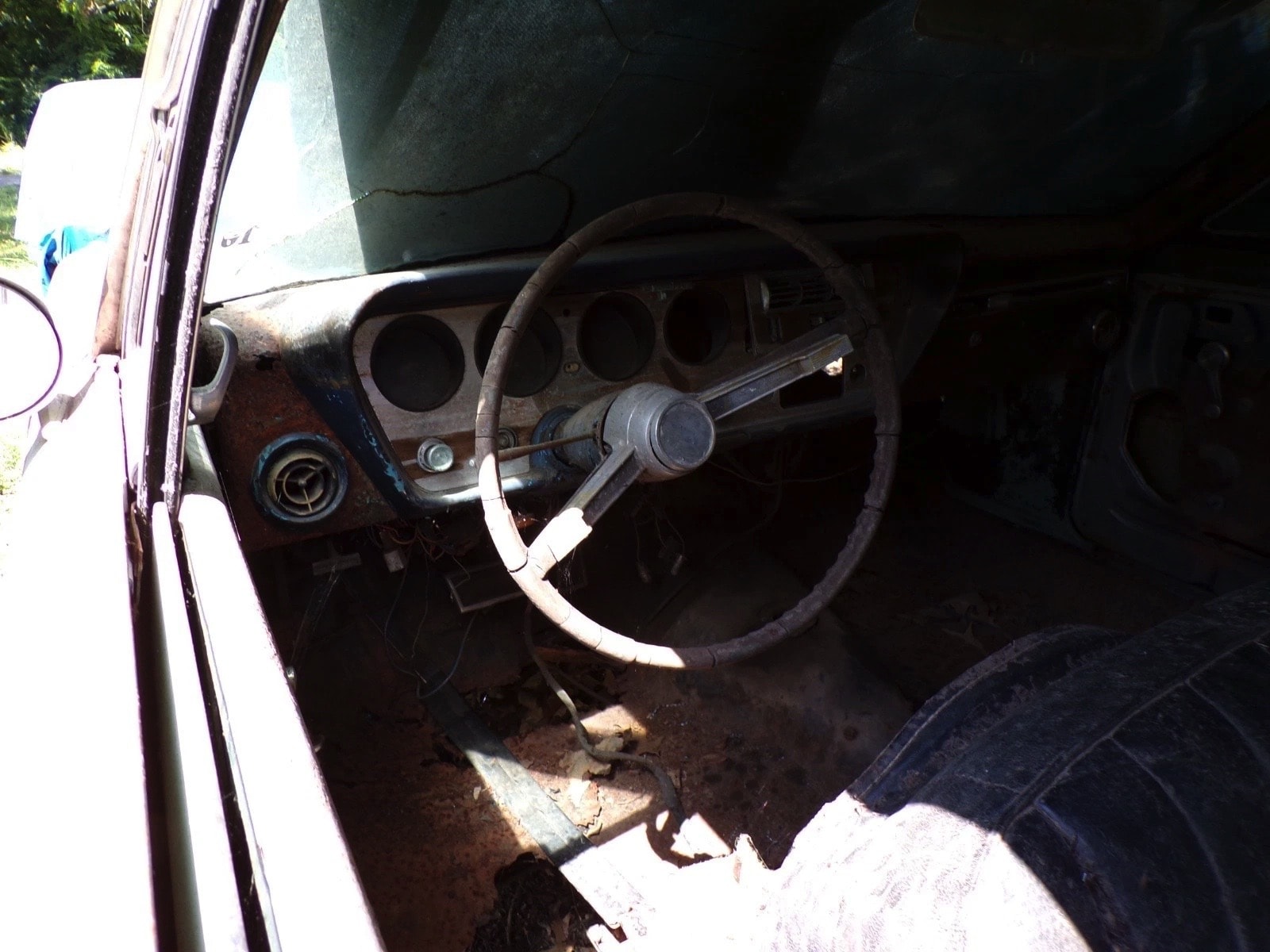
- Rally gauge cluster: Comprehensive instrumentation including tachometer
- Woodgrain trim: Simulated wood accents throughout cabin
- Performance steering wheel: Smaller diameter for better control feel
- Premium materials: Higher-quality upholstery and trim than base Tempest
Production Numbers and Market Impact
GTO sales soared to 96,946 units, which would be the highest sales year the model would enjoy. This production milestone represents more than just commercial success – it validated the entire muscle car concept and encouraged competitors to develop their own high-performance offerings.
Breaking Down the Numbers
The 96,946 total production consisted of multiple body styles:
- Two-door hardtop: The most popular configuration
- Two-door coupe: Entry-level pricing attracted budget-conscious buyers
- Convertible: there were 19,045 convertibles produced, making them relatively rare today
- Various option combinations: Engine, transmission, and equipment packages created numerous variations
Market Context
The 1966 GTO’s success came during a perfect storm of favorable conditions:
- Economic prosperity: Strong economy enabled discretionary spending on performance cars
- Youth market: Baby boomers reached car-buying age with disposable income
- Limited competition: Few manufacturers offered comparable performance packages
- Corporate support: GM’s policy changes allowed unrestricted engine development
- Cultural acceptance: Performance cars gained mainstream respectability
Investment Potential and Current Market Values
Today’s 1966 GTO market reflects both the car’s historical significance and genuine rarity. According to Hagerty’s own online valuation tool, a 1966 Pontiac GTO two-door coupe with the four-barrel carb in “Concours” condition is currently worth about $59,400, while models in “Excellent” condition are worth about $49,400. A vehicle in “Good” condition is worth just $25,500.
Recent Sales Data
The most recent sale of the 1966 Pontiac GTO was in July of 2025 at Mecum Harrisburg where it sold for $57,200.00 (USD). This transaction represents the current market reality for well-preserved examples.
Market Factors Affecting Value
Several elements influence 1966 GTO pricing:
Positive Factors:
- Numbers-matching drivetrain: Original engine and transmission significantly increase value
- Rare options: High-performance engine, four-speed transmission, convertible top
- Documented history: Build sheets, ownership records, and maintenance documentation
- Unrestored survivors: Original paint and interior command premium pricing
- Provenance: Special order or celebrity ownership adds collector appeal
Negative Factors:
- Clone cars: Tempest conversions flood the market and depress values
- Poor restoration: Incorrect colors, parts, or modifications reduce authenticity
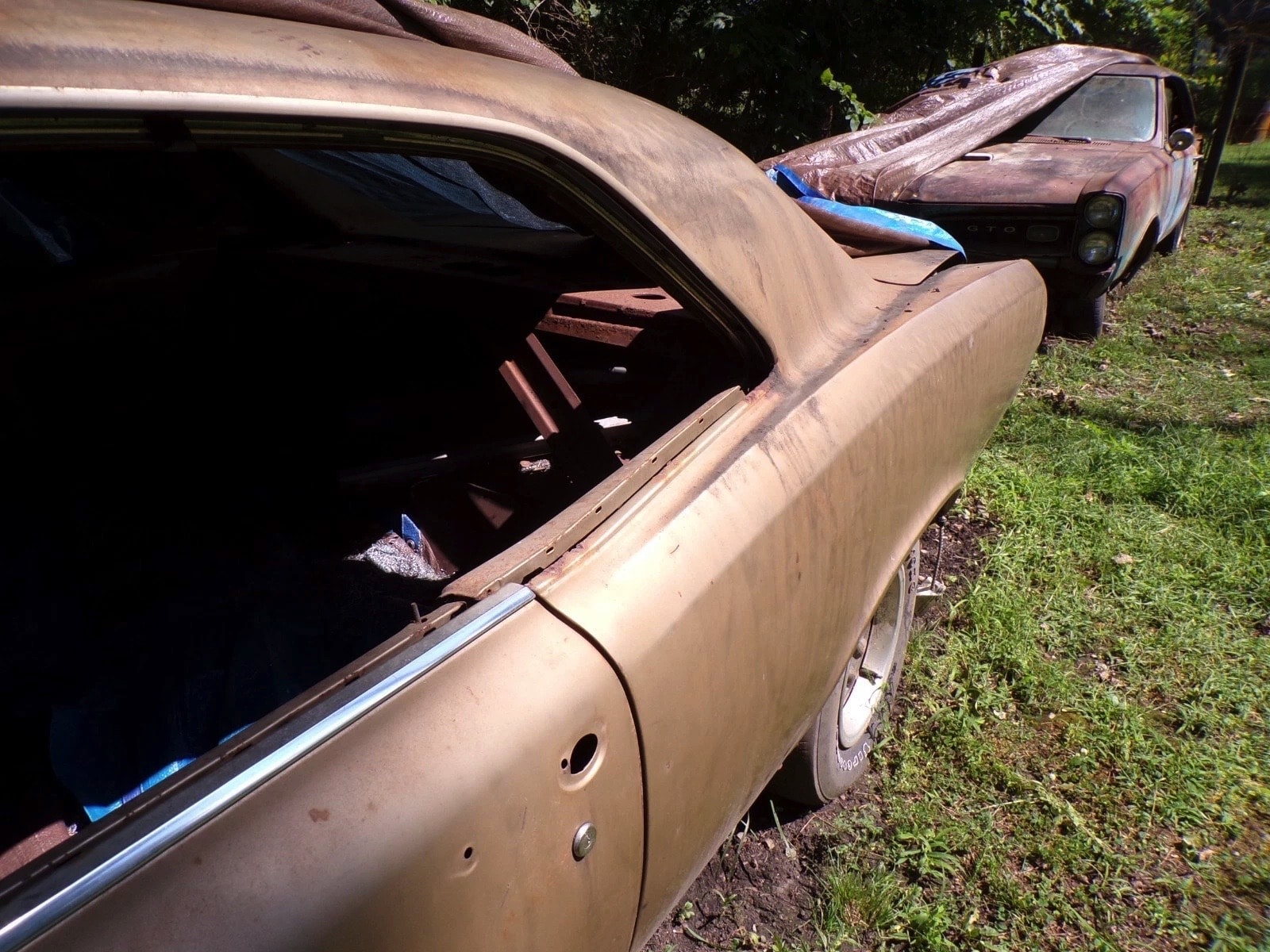
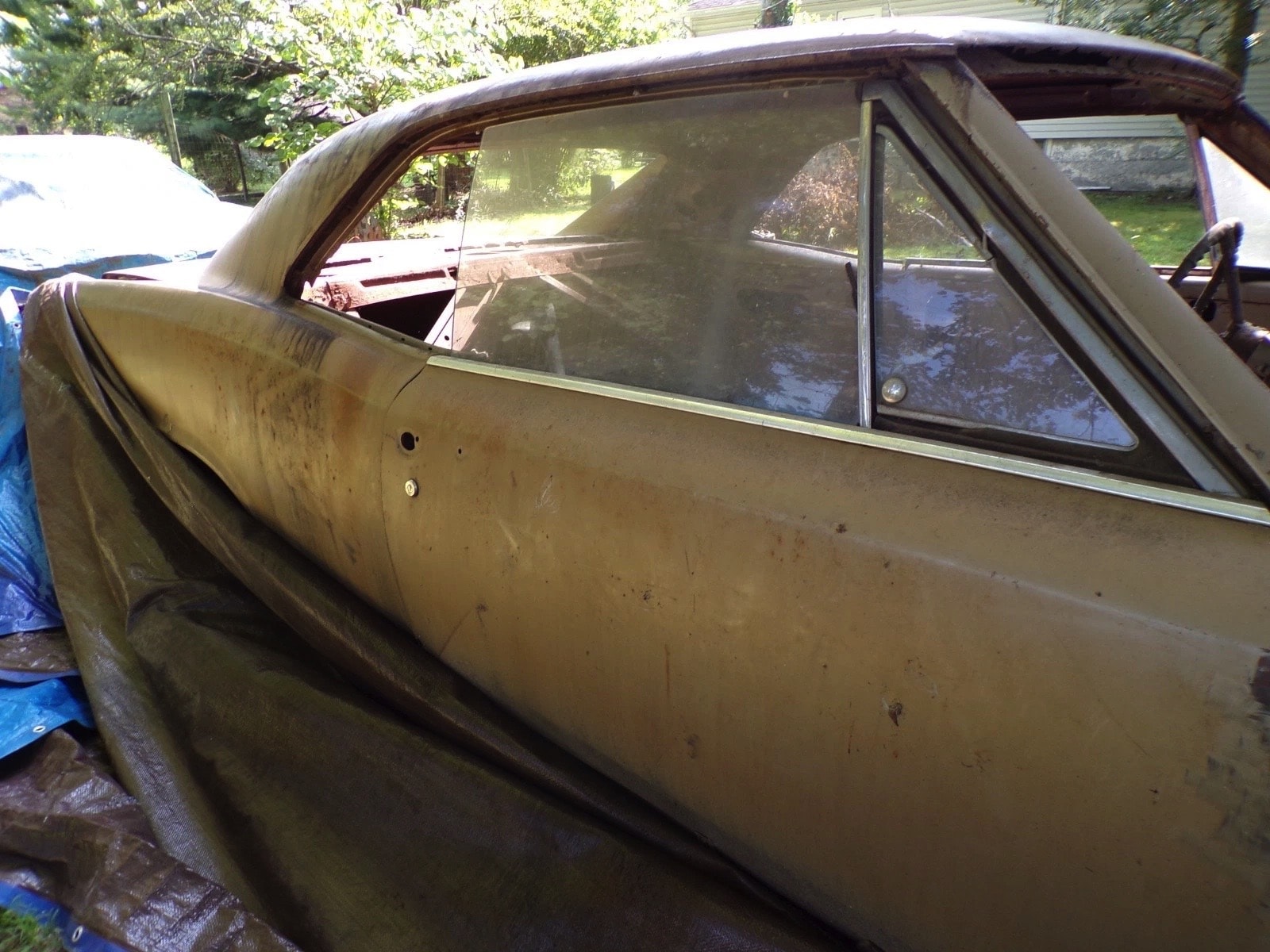
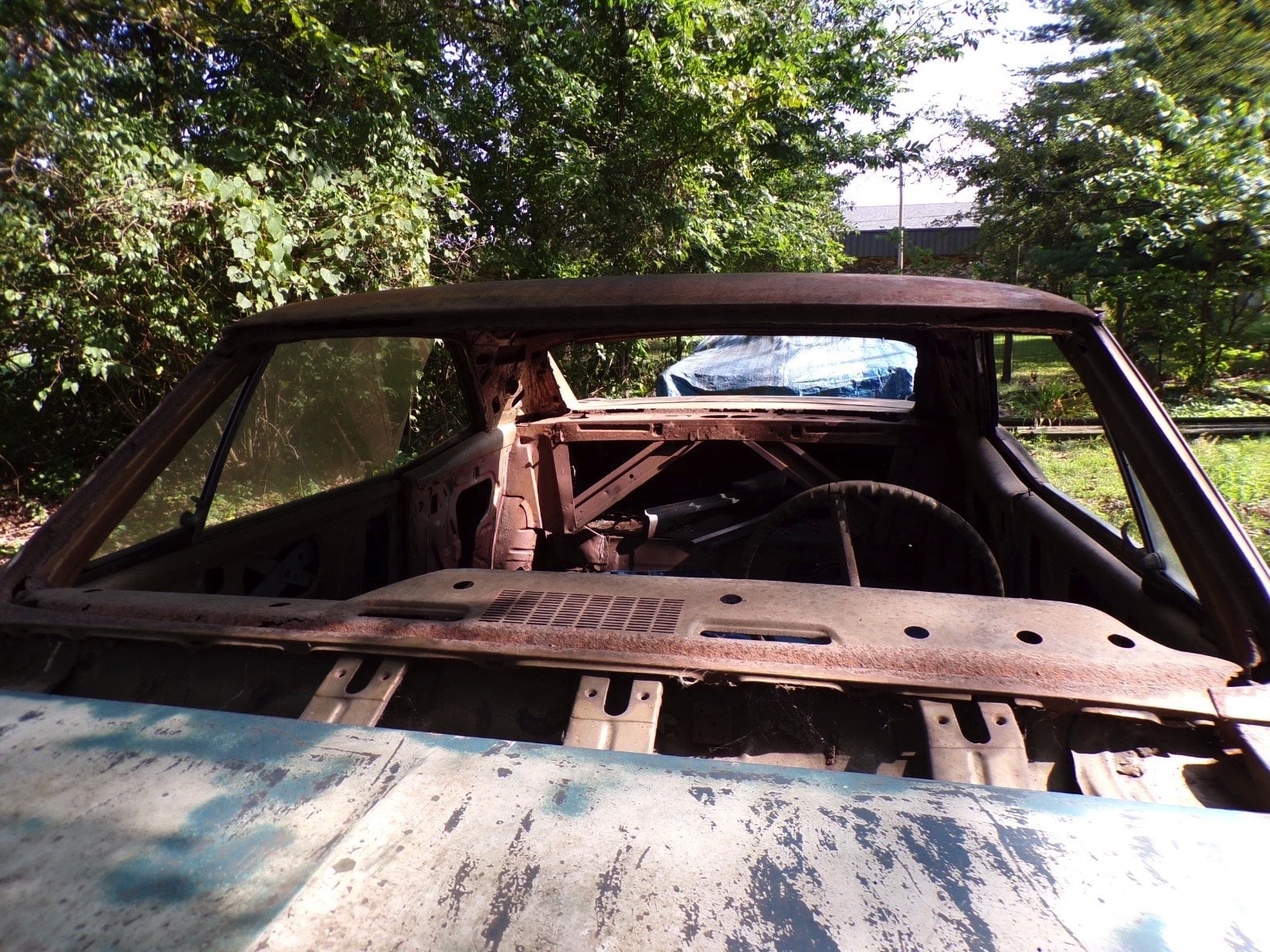
- Rust damage: Structural corrosion is expensive and sometimes impossible to repair properly
- Missing documentation: Lack of provenance creates authenticity questions
- Modified engines: Non-original powerplants significantly reduce collector value
Buying Guide: Finding Your Perfect 1966 GTO
The popularity of the 1966 GTO has created a robust collector market, but it’s also attracted numerous clones and tribute cars. Smart buyers need to understand what separates authentic GTOs from well-intentioned replicas.
Authenticity Verification
VIN Decoding: True ’66 and ’67 GTOs can easily be identified if the second and third digits of the VIN are 42. The VIN plate should be in the forward jamb of the driver’s door. This simple check eliminates most clone cars immediately.
Documentation Requirements:
- Build sheet: Factory documentation showing original specifications
- Protect-O-Plate: Credit card-sized warranty card with VIN and option codes
- Owner’s manual: Period-correct documentation package
- Service records: Evidence of proper maintenance and care
- Title history: Clear chain of ownership without liens or issues
Common Problem Areas
Rust Issues:
- Rear quarters: Prone to rust around wheel wells and lower sections
- Floor pans: Check for rust-through, particularly in front foot wells
- Frame rails: Inspect for structural damage or previous accident repair
- Door frames: Water intrusion can cause extensive hidden damage
Engine Authenticity:
- Block casting numbers: Must match production dates and specifications
- Intake manifold: Original 389 manifolds have specific casting marks
- Exhaust manifolds: Cast iron units should match original specifications
- Carburetor: Carter AFB for base engine, different units for high-performance versions
Interior Originality:
- Seat materials: Original patterns and colors are difficult to replicate
- Dashboard: Check for cracks and verify gauge cluster authenticity
- Door panels: Original trim pieces are expensive and hard to find
- Console: Optional equipment should match build documentation
Restoration Considerations
Restoring a 1966 GTO can be rewarding, but it requires significant investment and expertise. The car’s popularity means parts availability is generally good, but quality and authenticity vary dramatically among suppliers.
Parts Availability
Reproduction Quality:
- Body panels: Multiple suppliers offer varying quality levels
- Interior components: Good reproduction availability for most items
- Engine parts: Excellent support from performance aftermarket
- Trim pieces: Chrome and stainless steel items available but expensive
- Glass: Original date-coded glass is rare; reproductions lack authenticity codes
Cost Considerations: A proper rotisserie restoration of a 1966 GTO can easily exceed $75,000-$100,000, making it essential to start with the best possible car. Project cars in poor condition rarely justify the restoration expense unless they have exceptional rarity or provenance.
The Collector’s Perspective: Why the 1966 GTO Matters
The 1966 Pontiac GTO occupies a unique position in automotive history. As the peak production year of America’s first muscle car, it represents both the achievement of a revolutionary concept and the foundation for an entire automotive segment.
Historical Significance
- First muscle car: Established the formula that defined an entire genre
- Peak production: 1966 represented the high-water mark for GTO sales
- Cultural icon: Featured in songs, movies, and popular culture
- Engineering milestone: Proved that midsize cars could handle big-block power
- Market catalyst: Inspired competitors to develop their own performance cars
Investment Outlook
The 1966 GTO benefits from several long-term trends:
- Generational collecting: Baby boomers remember these cars from their youth
- Historical importance: Recognition as the original muscle car grows over time
- Limited supply: Original, unmodified examples become increasingly rare
- Broad appeal: Attracts both performance enthusiasts and general collectors
- Cultural relevance: Continued presence in media and popular culture
Driving Experience: What Makes the 1966 GTO Special
Beyond investment potential and historical significance, the 1966 GTO delivers an authentic 1960s performance experience that modern cars cannot replicate. The combination of big-block torque, period chassis tuning, and minimal electronic intervention creates a visceral driving experience.
Performance Characteristics
- Instant torque: Big-block V8 delivers power immediately off idle
- Linear acceleration: Broad power band provides useable performance across RPM range
- Analog feedback: Mechanical systems provide direct connection between driver and machine
- Period handling: Suspension tuning reflects 1960s priorities of comfort and straight-line performance
- Authentic sound: Unfiltered exhaust note and mechanical noise create emotional connection
Daily Driving Reality
While not as refined as modern cars, a well-maintained 1966 GTO can serve as regular transportation:
- Reliability: Proven mechanicals with good parts availability
- Comfort: Reasonable interior space and ride quality for extended drives
- Practicality: Trunk space and seating for four adults
- Service: Most mechanics can work on simple mechanical systems
- Fuel economy: Respectable highway mileage with conservative driving
The Bottom Line: America’s Most Important Muscle Car
The 1966 Pontiac GTO stands as more than just another classic car – it represents the moment when American automotive culture fully embraced performance as a mainstream value. With 96,946 units produced in its peak year, the ’66 GTO proved that buyers wanted genuine performance, not just the appearance of it.
For today’s collectors, the 1966 GTO offers the perfect combination of historical significance, driving excitement, and investment potential. Whether you’re drawn to its role as America’s first muscle car, its peak-year production status, or simply the satisfaction of owning an authentic piece of automotive history, the 1966 GTO rewards those who appreciate its pioneering spirit.
The challenge isn’t deciding whether the 1966 Pontiac GTO belongs in your garage – it’s finding an authentic example before the remaining originals disappear into private collections and museums. As the car that started the muscle car revolution, the ’66 GTO deserves recognition not just as a classic car, but as the foundation of American performance culture.


