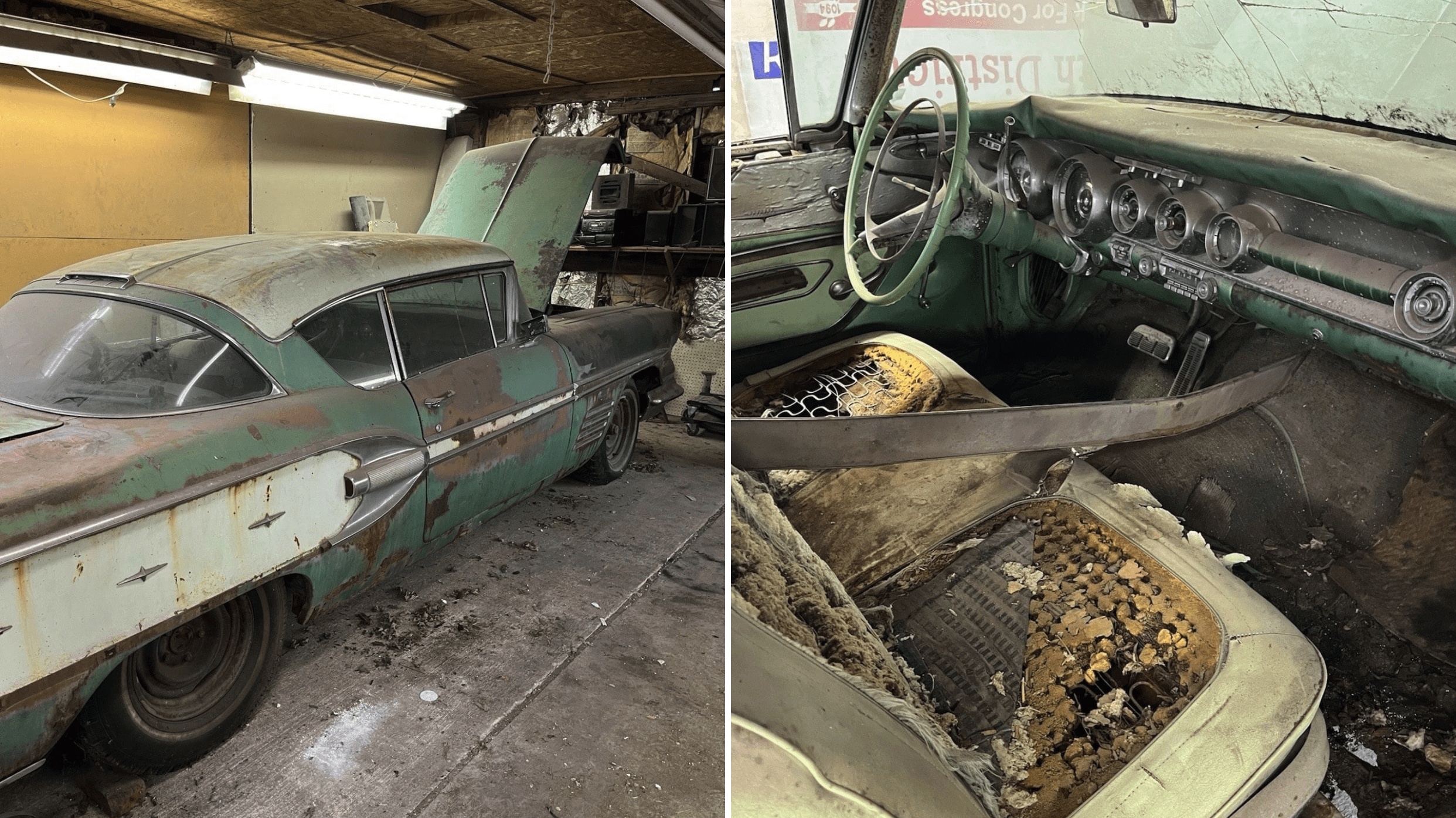
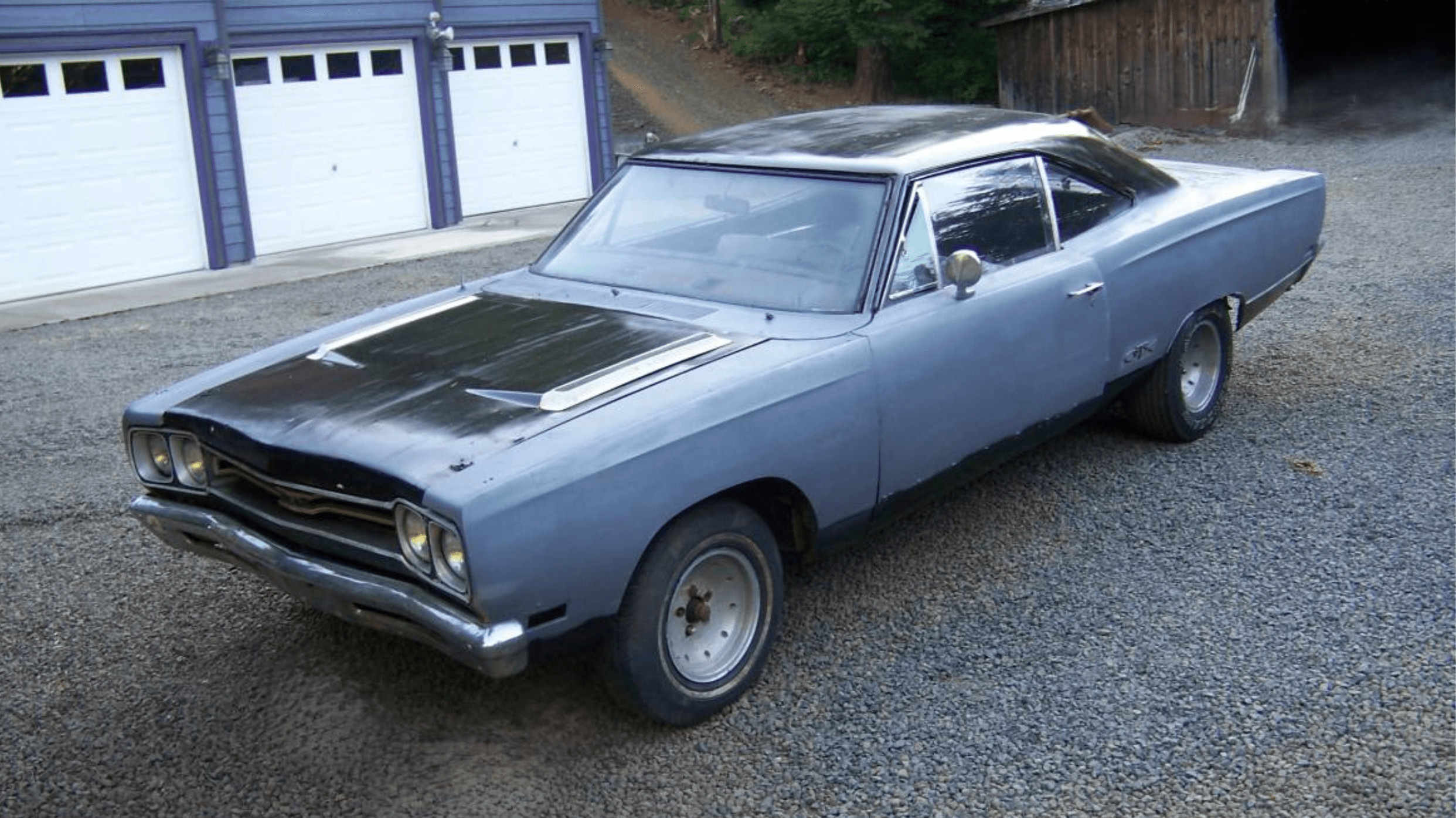
The Discovery That Changes Everything: When Farm Sales Reveal Hidden Treasures
Farm sale discoveries represent the holy grail of classic car collecting – authentic vehicles that have been quietly preserved away from the speculation and inflation that characterize today’s collector car market. When that discovery happens to be a 1974 Hurst/Olds, one of the rarest and most overlooked muscle cars of the emissions era, the find becomes truly significant.

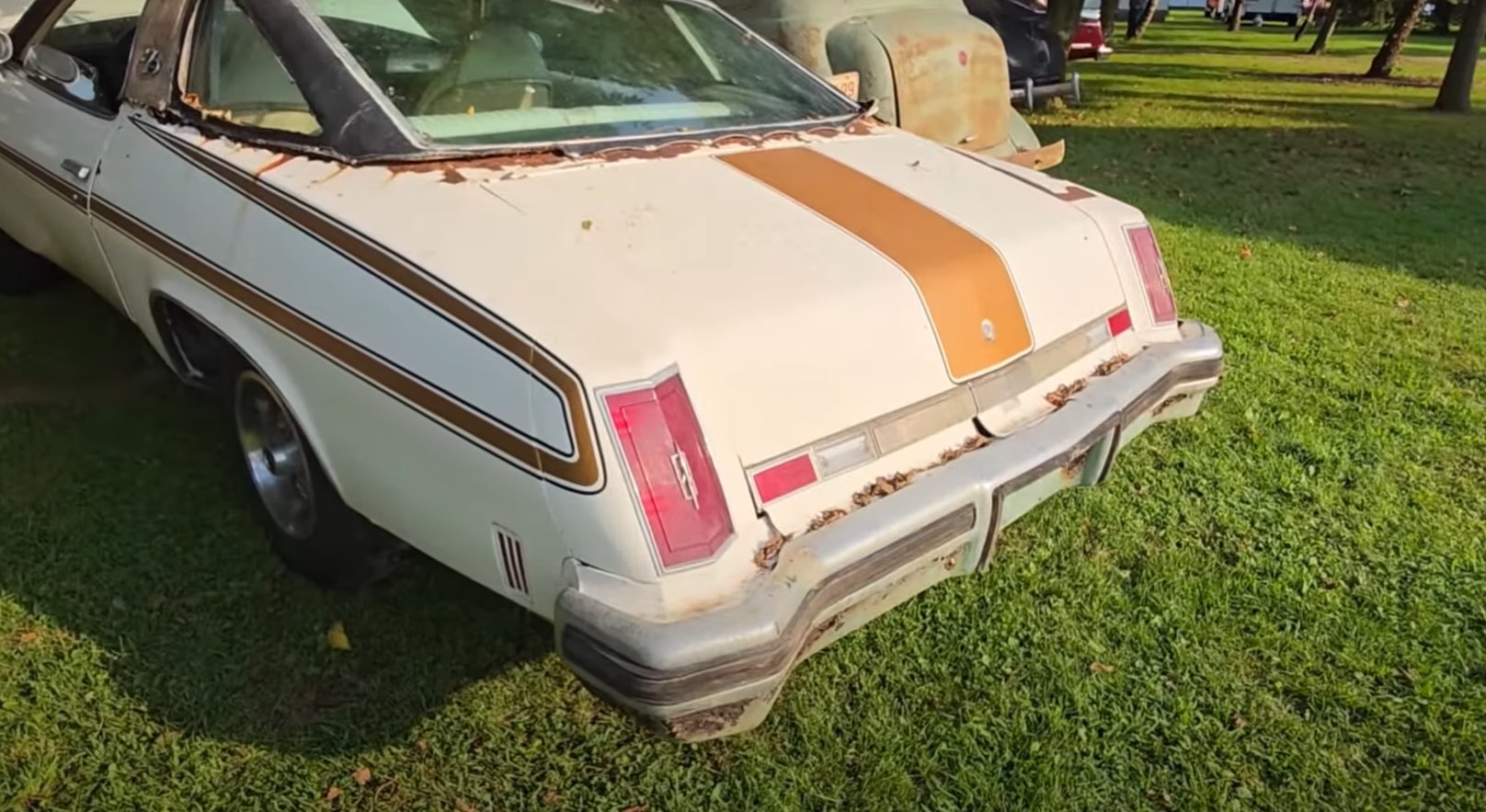
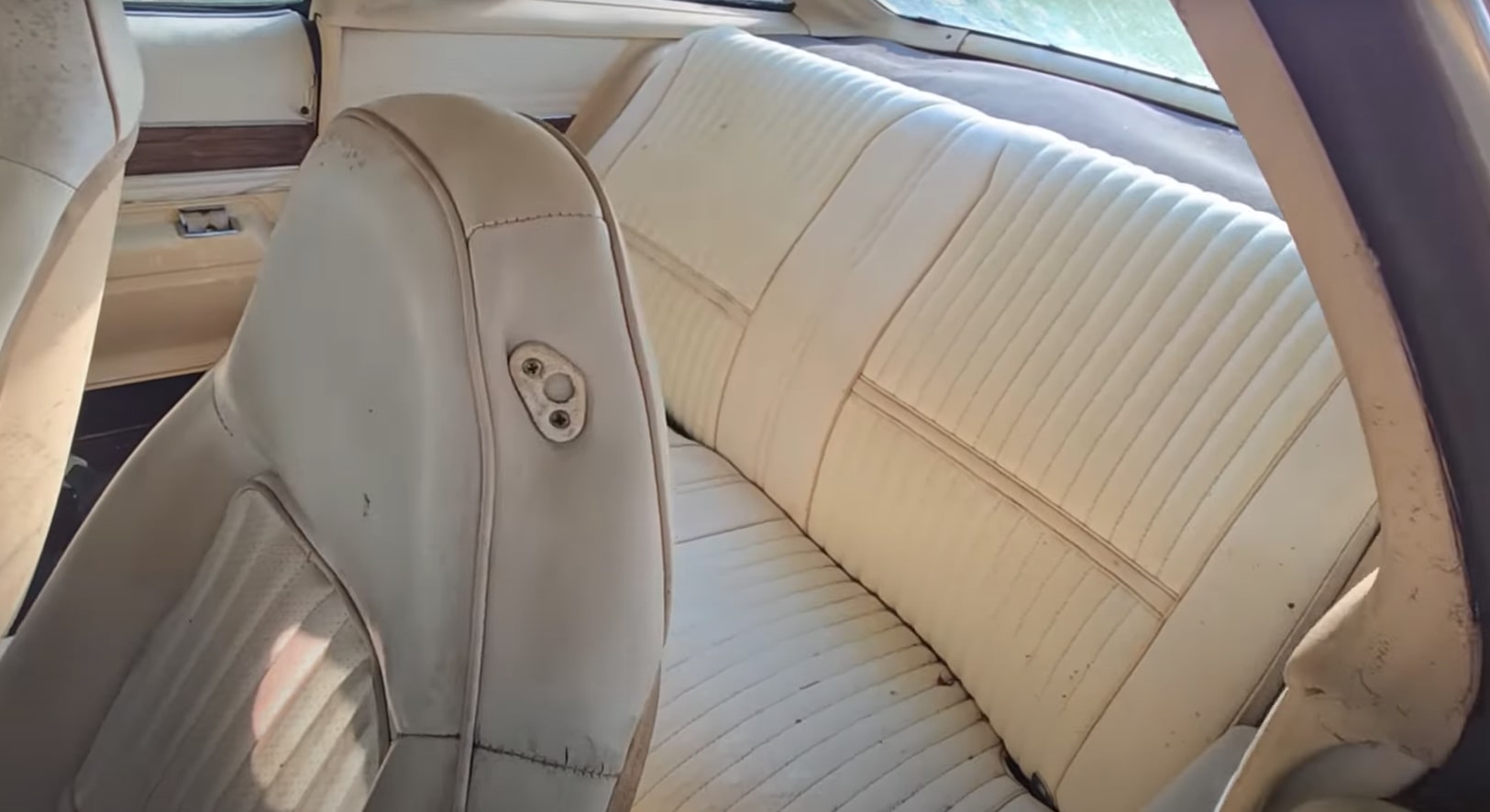

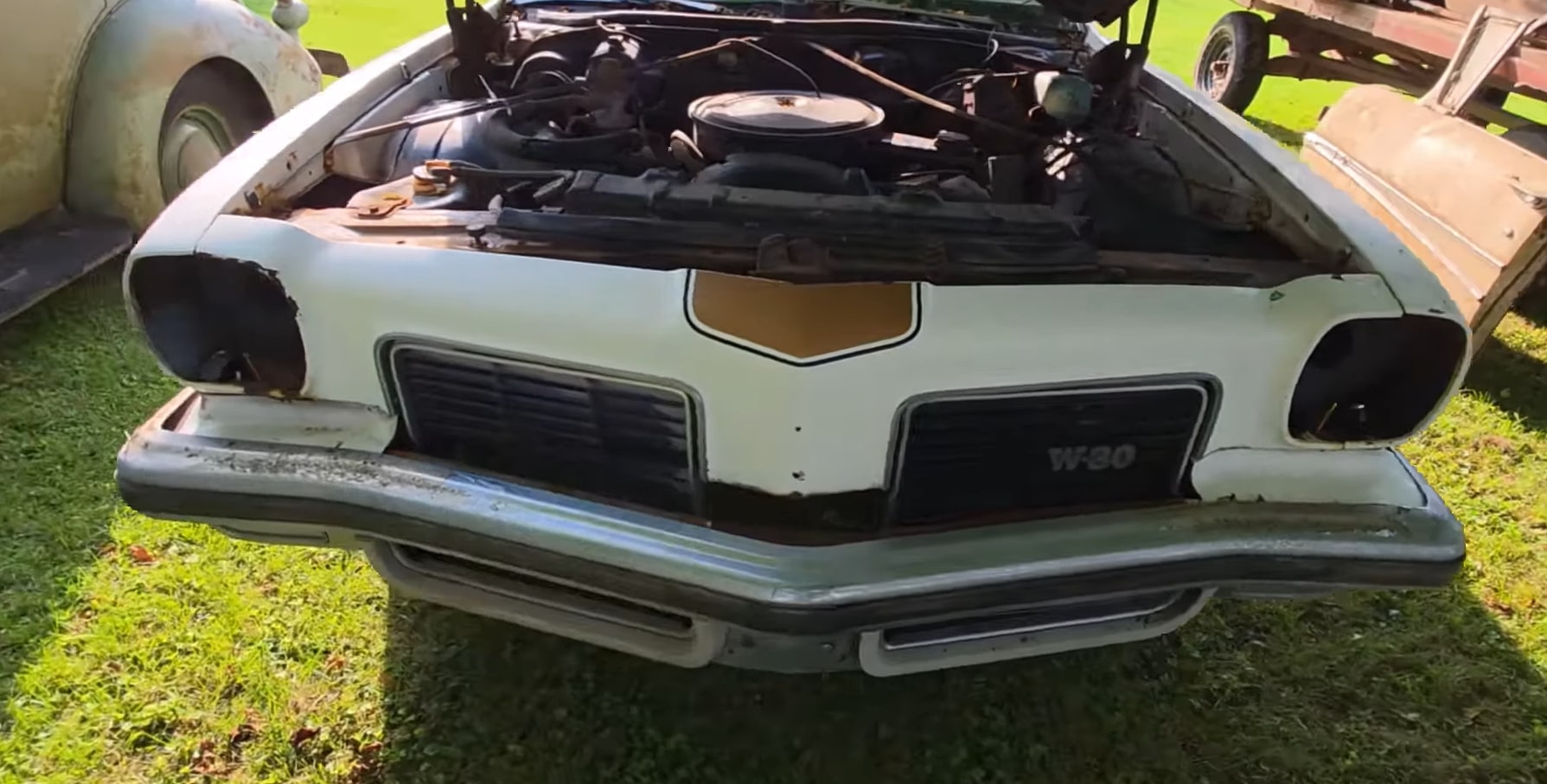
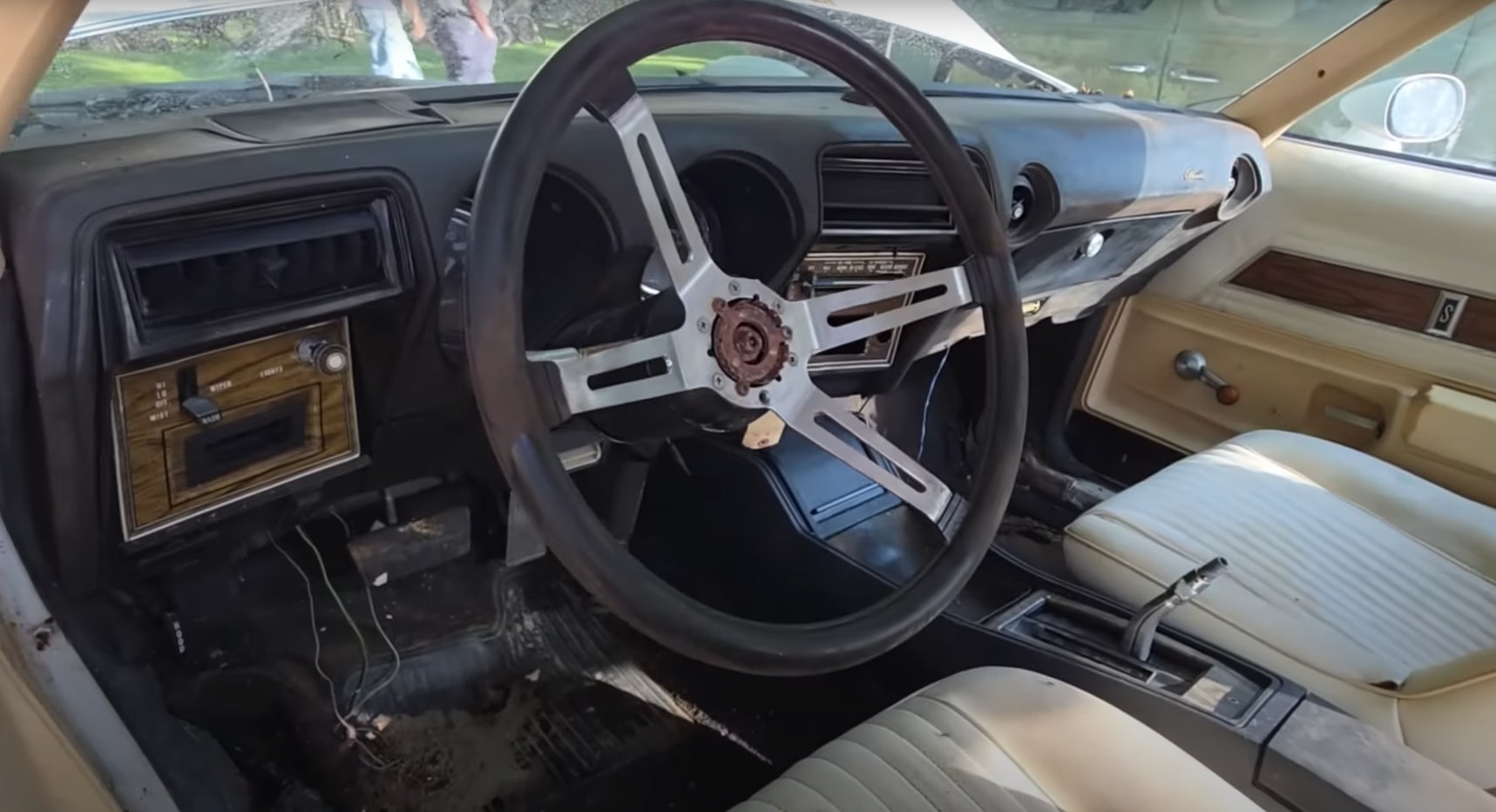
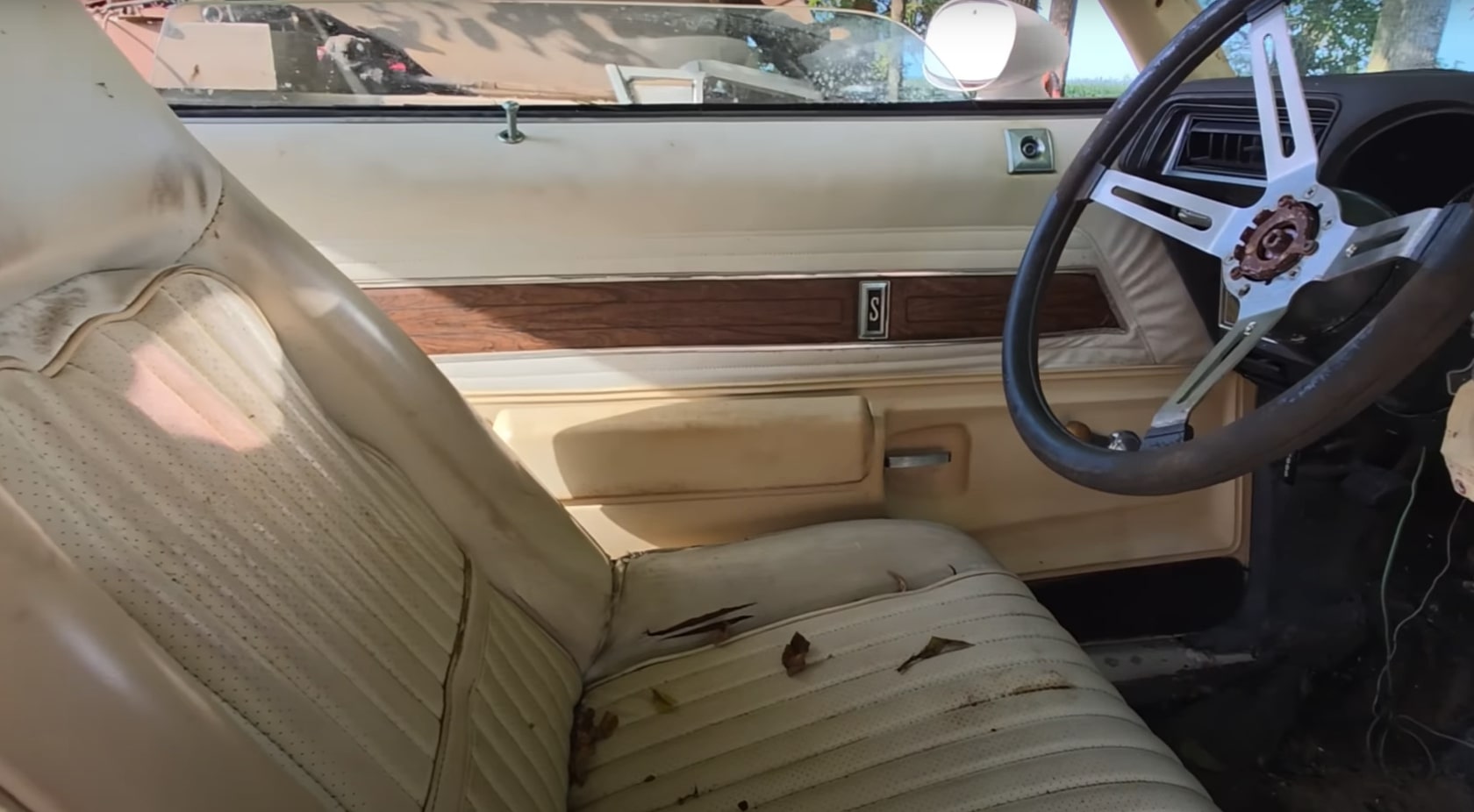
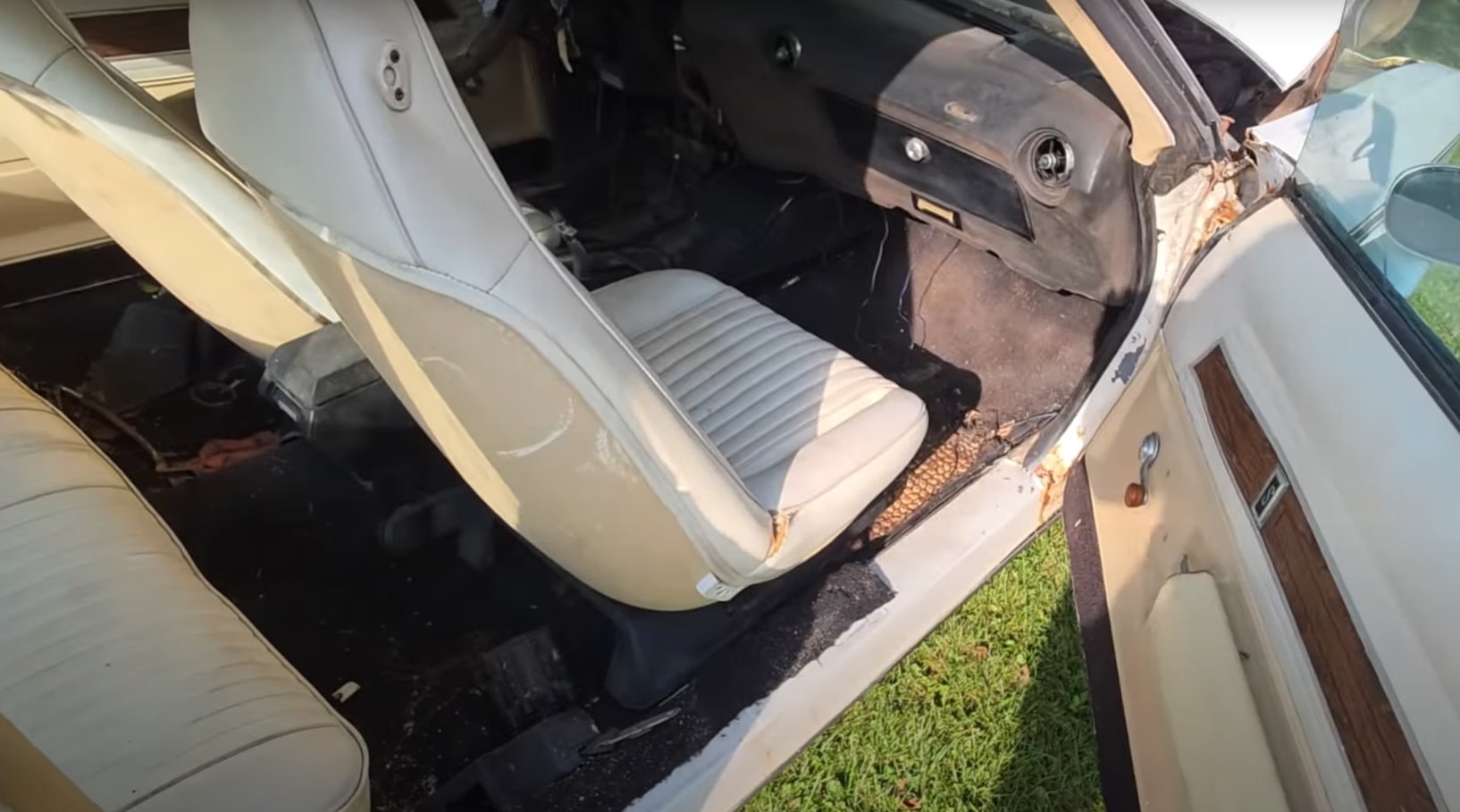
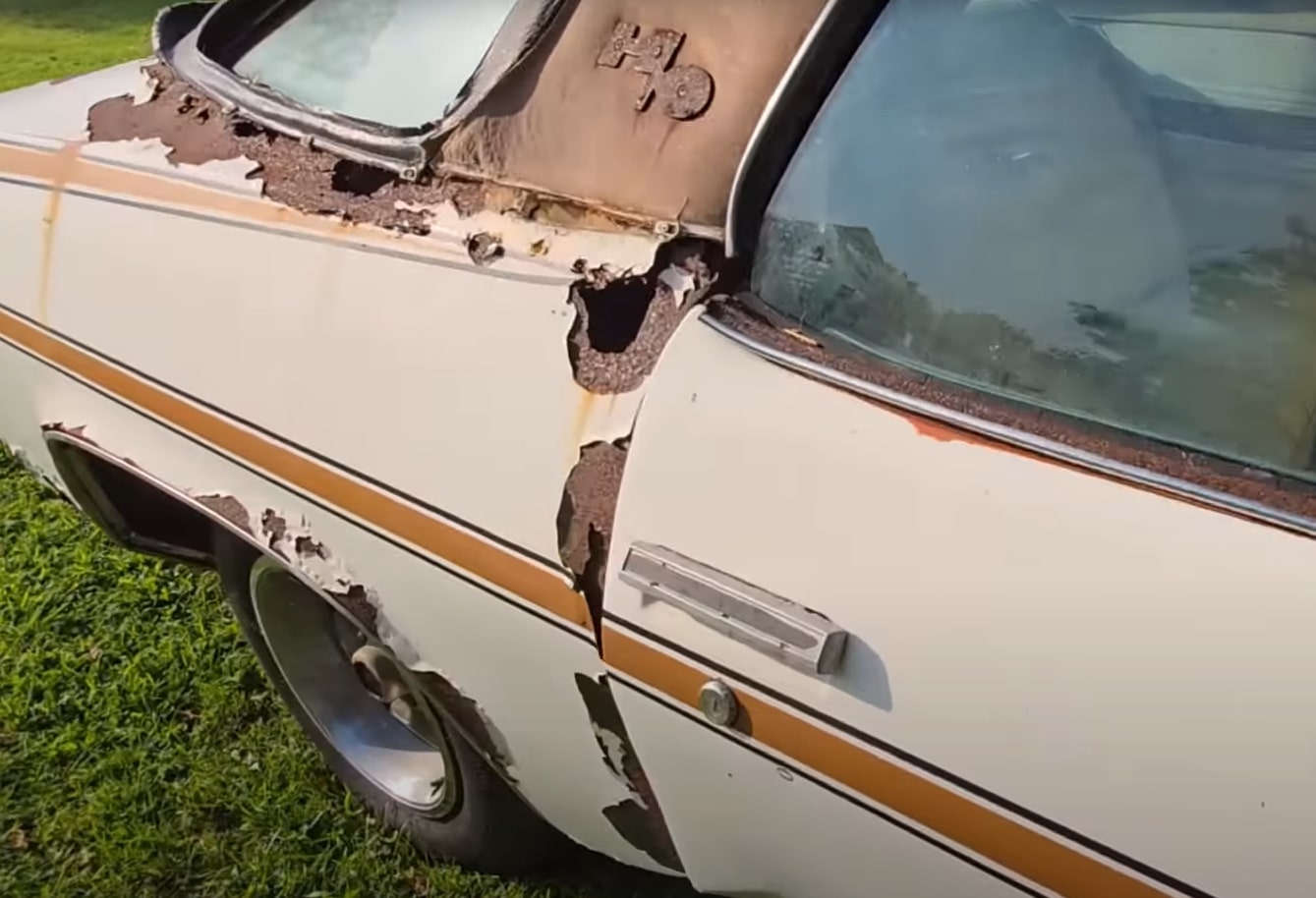
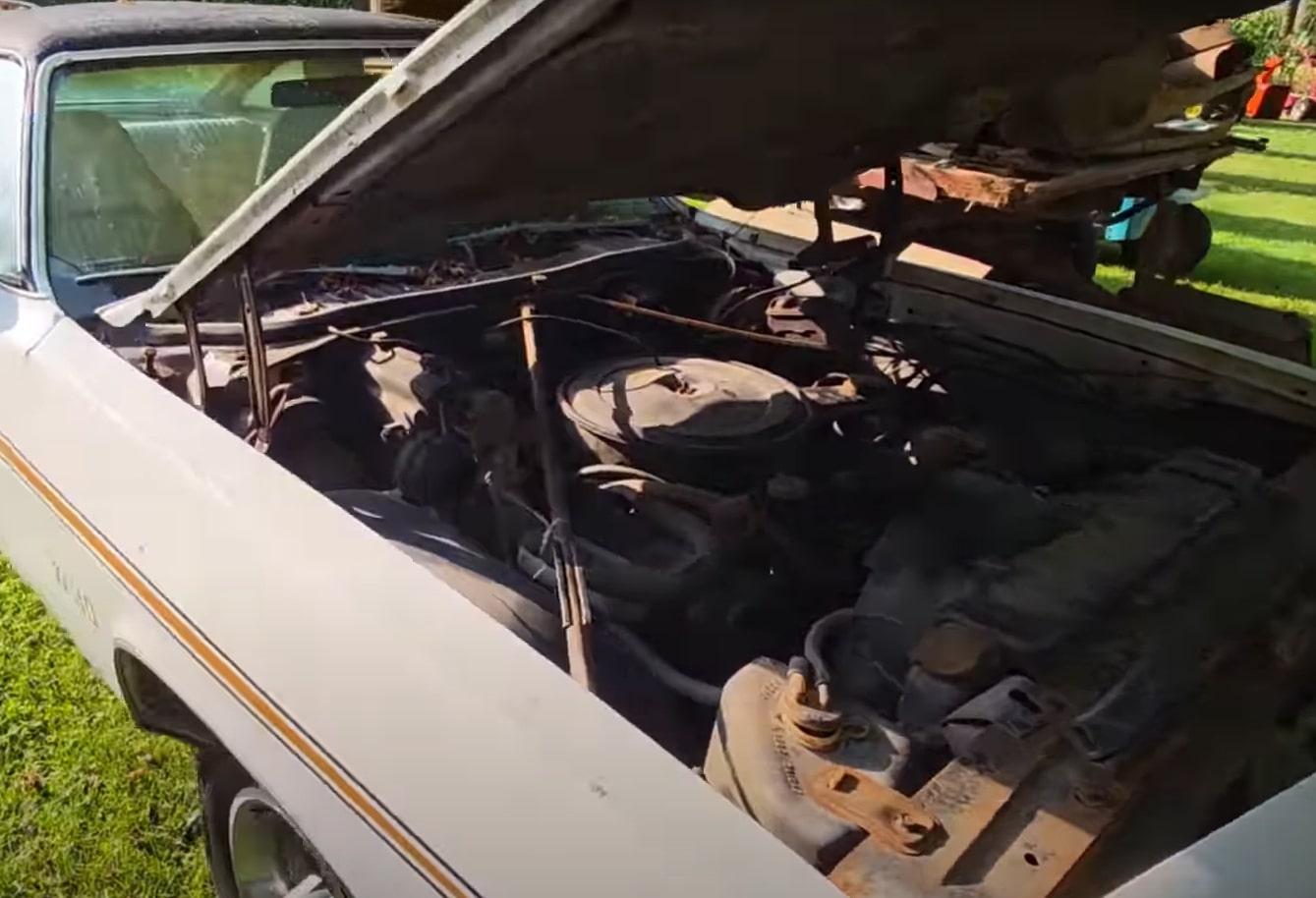
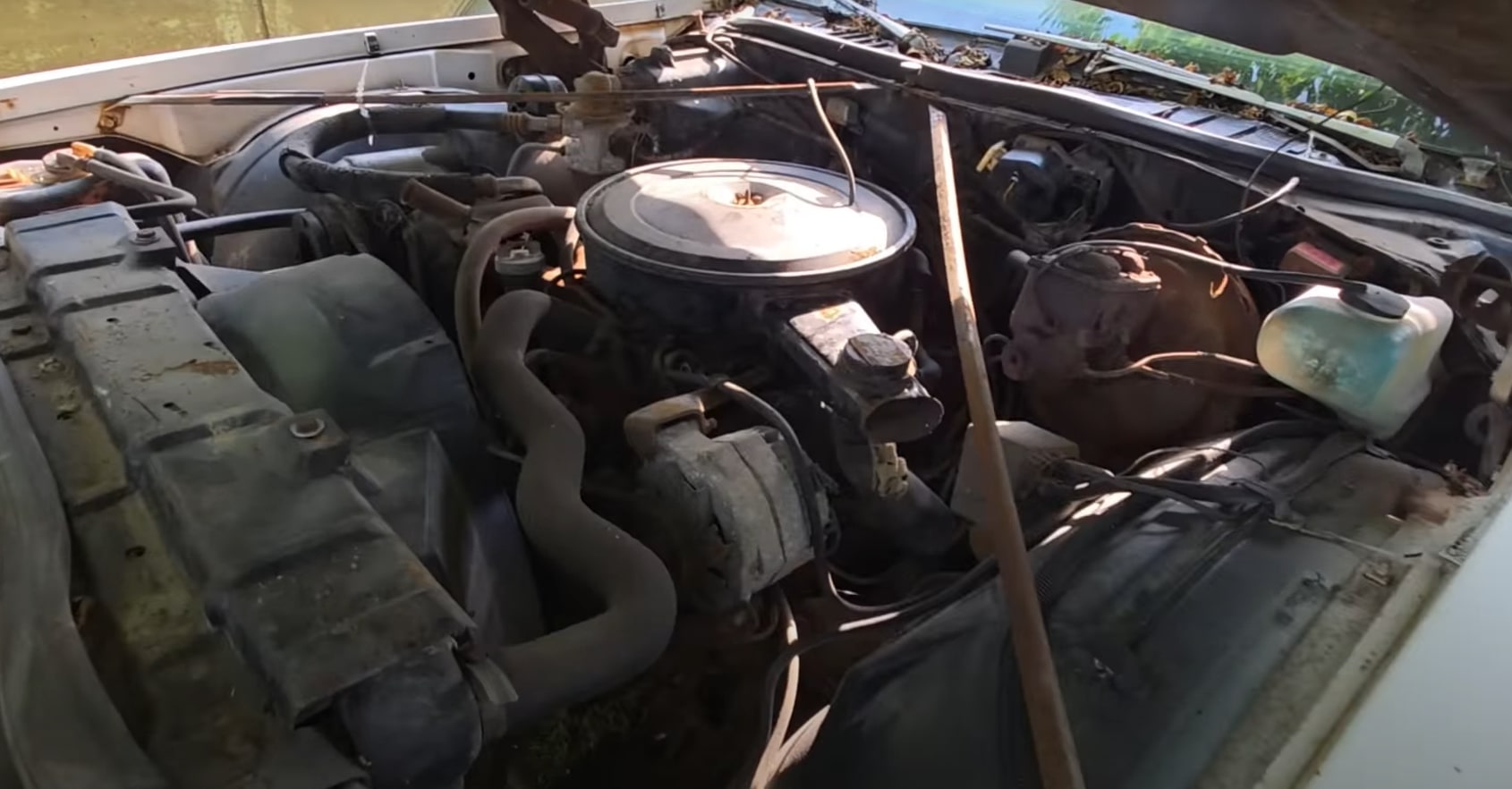
The 1974 Hurst/Olds represents a fascinating contradiction in automotive history. Built during the darkest period of American performance, when insurance rates and emissions regulations were strangling the muscle car movement, only 1,800 copies were made using the Colonnade body design. This extreme rarity, combined with the car’s connection to Indy 500 pace car duties, makes every surviving example historically important.
For collectors seeking alternatives to overpriced mainstream muscle cars, the 1974 Hurst/Olds offers genuine rarity, legitimate performance credentials, and surprising investment potential. The question isn’t whether these cars deserve preservation – it’s whether today’s enthusiasts possess the vision to recognize their significance before the remaining examples disappear forever.
Understanding the 1974 Hurst/Olds: Last Stand of the Muscle Car Era
The Hurst/Olds partnership represented one of the most successful collaborations in muscle car history. Beginning in 1968, George Hurst’s company worked with Oldsmobile to create limited-edition performance cars that combined luxury appointments with serious big-block power. By 1974, this partnership faced its greatest challenge: building a credible performance car in an era of declining horsepower and increasing regulations.
Historical Context: Muscle Cars in Crisis
The 1974 model year marked a turning point for American performance cars. Rising insurance rates, tightening emissions standards, and changing consumer preferences had devastated muscle car sales. Most manufacturers were abandoning high-performance options altogether, making the Hurst/Olds’s continued existence remarkable.
Despite these challenges, cars like this one were intended to pace the field at the Indianapolis 500 that year, demonstrating Oldsmobile’s commitment to performance even during the industry’s darkest period.
The Colonnade Revolution: New Body, Same Spirit
The 1974 Hurst/Olds utilized GM’s new Colonnade body style, a significant departure from previous designs. While these weren’t true hardtops due to the fixed B-pillar construction, the Colonnade cars offered improved structural integrity and crash protection while maintaining attractive proportions.
Key Design Elements:
- Distinctive pace car livery: White and gold color scheme honoring Indy 500 duties
- Hurst performance upgrades: Functional hood scoops, dual exhausts, and performance suspension
- Luxury appointments: Premium interior materials and comprehensive instrumentation
- Aerodynamic improvements: Cleaner lines and reduced drag compared to earlier models
- Safety enhancements: Integrated bumpers and improved passenger protection
Engine Options: Power in the Emissions Era
The 1974 Hurst/Olds offered two distinct powerplant options, each representing different approaches to the emissions challenge facing American automakers.
The W-30 455: Maximum Performance
The most desirable 1974 Hurst/Olds came equipped with the W-30 package and 455 cubic inch big-block V8. There were only 380 Hurst Olds W30s built in 1974 with the 230 hp 455 CID, making these among the rarest muscle cars ever produced.
W-30 455 Specifications:
- 455 cubic inches (7.5 liters): Oldsmobile’s largest displacement big-block
- 230 horsepower: Conservative rating that underestimated actual performance
- Dual exhaust system: Distinctive sound and improved breathing
- Performance camshaft: Aggressive timing for maximum power
- Heavy-duty internals: Forged components capable of serious power
The W-30 designation carried significant weight in Oldsmobile circles, representing the pinnacle of factory performance. If it has the big motor you see the W-30 emblem. If it has the little one, it is the Cutlass name shown, making identification straightforward for potential buyers.
The 350 V8: Practical Performance
For buyers prioritizing fuel economy and insurance costs, 75% of the Hurst/Olds built that year received the basic 350 at 180 hp. While less exotic than the 455, the 350 offered several advantages:
- Better fuel economy: Important consideration during 1970s fuel crises
- Lower insurance rates: Smaller displacement reduced premium costs
- Adequate performance: Still provided respectable acceleration for the era
- Reliability: Proven small-block architecture with excellent durability
- Maintenance simplicity: Easier service and parts availability
Along with that you get one tail pipe and a sad ham level of power, highlighting the performance compromise inherent in choosing the smaller engine.
Market Values: The Collector Opportunity
The 1974 Hurst/Olds market demonstrates the classic car world’s continued fascination with rarity and authenticity. Recent sales data reveals significant value ranges based on condition, engine option, and documentation.
Current Market Analysis
The highest recorded sale was $126,500 for a 1974 Oldsmobile Hurst/Olds Pace Car on Jan 14 2023, demonstrating the premium that exceptional examples can command. This high-water mark reflects several factors:
- Pace car provenance: Direct connection to Indianapolis 500 duties
- Exceptional condition: Professional restoration or preserved original
- W-30 engine package: Maximum performance configuration
- Complete documentation: Build sheets and ownership history
- Market timing: Sale during peak classic car valuations
Project Car Reality
At the opposite end of the spectrum, project cars present more affordable entry points. It’s available here on Facebook Marketplace for $4,000 OBO represents typical pricing for rough but complete examples, while this project Hurst is available here on eBay for $4,900 OBO suggests consistent market pricing for restoration candidates.
These budget entries offer several advantages:
Accessibility Benefits:
- Low entry costs: Project pricing within reach of average collectors
- Appreciation potential: Significant value increase possible with proper restoration
- Learning opportunities: Hands-on experience with rare, significant automobiles
- Preservation contribution: Saving automotive history for future generations
- Investment diversification: Alternative to overpriced mainstream muscle cars
The Farm Find Advantage: Hidden Value in Rural America
Farm sales consistently produce the most exciting classic car discoveries, offering vehicles that have been preserved away from urban speculation and collector market inflation. The agricultural setting provides unique preservation benefits while creating acquisition opportunities unavailable through traditional channels.
Why Farms Preserve Classics
Environmental Protection:
- Indoor storage: Barns and outbuildings protect from weather exposure
- Low humidity: Agricultural areas often have drier conditions than urban environments
- Minimal traffic: Reduced risk of collision damage during storage periods
- Family ownership: Long-term custody by original purchasers or their descendants
- Maintenance continuity: Rural mechanics often provide basic preservation services
Original Configuration:
- Unmolested condition: Farm families less likely to modify or customize
- Complete inventory: All major components typically remain with car
- Documentation survival: Rural owners more likely to retain paperwork and records
- Matching numbers: Engine and transmission retain original identity
- Authentic patina: Natural aging without artificial weathering or modification
Farm Find Challenges
Mechanical Deterioration:
- Extended storage periods: Decades of inactivity create comprehensive service needs
- Fuel system contamination: Varnish and debris throughout fuel delivery systems
- Brake system failure: Rubber components and hydraulic fluids require complete replacement
- Engine condition: Oil breakdown and internal corrosion likely after long storage
- Electrical issues: Wiring insulation and connections deteriorate over time
Cosmetic Concerns:
- Paint oxidation: Surface preparation required despite apparent protection
- Interior degradation: Fabric rot, foam breakdown, and trim oxidation
- Chrome condition: Pitting and corrosion despite indoor storage
- Glass integrity: Seal failure and potential stress cracking
- Rubber replacement: All weatherstripping and gaskets need renewal
Restoration Economics: Is It Worth Saving?
The fundamental question facing any potential 1974 Hurst/Olds buyer is whether restoration costs can be justified by finished car values. This calculation involves multiple variables and requires realistic assessment of both financial investment and personal satisfaction.
Cost Analysis Framework
Initial Investment:
- Purchase price: $4,000-$8,000 for typical project cars
- Transportation: Trailer rental and logistics for non-running vehicles
- Initial assessment: Professional evaluation to determine scope of work needed
- Parts inventory: Cataloging existing components and identifying missing pieces
- Documentation research: Verifying authenticity and original specifications
Restoration Investment Categories:
Engine and Drivetrain ($5,000-$12,000):
- Engine rebuild: Complete teardown and machine work for 455 or 350
- Transmission service: TH400 automatic overhaul or replacement
- Rear axle restoration: Differential rebuild and axle replacement
- Exhaust system: Complete system from manifolds to tailpipes
- Cooling system: Radiator restoration or replacement, new water pump
Body and Paint ($8,000-$20,000):
- Rust repair: Address corrosion in typical problem areas
- Body alignment: Ensure proper fit and finish for all panels
- Paint preparation: Extensive sanding and primer work
- Professional painting: Base coat/clear coat system for durability
- Trim restoration: Chrome work and replacement of damaged pieces
Interior Restoration ($3,000-$8,000):
- Seat restoration: Reupholstery or replacement of damaged components
- Dashboard service: Repair cracks and restore instrumentation
- Door panel renewal: Replacement or restoration of interior trim
- Carpet installation: Complete interior floor covering replacement
- Headliner replacement: New material and professional installation
Financial Reality Check
Total restoration costs for a 1974 Hurst/Olds typically range from $20,000-$50,000, depending on initial condition and desired finished quality. When added to acquisition costs, total investment often reaches $25,000-$60,000.
Finished car values for properly restored examples range from $25,000 for 350-equipped cars to $60,000+ for exceptional W-30 models. This creates scenarios where restoration can be financially justified, particularly for rare W-30 examples or cars with exceptional provenance.
Authentication and Evaluation: Separating Gems from Clones
The rarity and value of authentic 1974 Hurst/Olds cars has encouraged clone production, making proper authentication critical for potential buyers. Understanding original specifications and identification points helps avoid costly mistakes.
VIN Decoding and Documentation
Primary Identification:
- VIN structure: 1974 Oldsmobile VINs follow specific format indicating plant, model, and sequence
- Engine codes: Fifth digit identifies original powerplant (455 vs 350)
- Build documentation: GM broadcast sheets contain comprehensive factory information
- Dealer records: Sales documentation and service history verification
- Hurst documentation: Company records of vehicles modified and delivered
Physical Verification Points:
- Fender emblems: W-30 badges indicate big-block cars, Cutlass script shows 350 models
- Hood configuration: Functional scoops and specific trim arrangements
- Interior appointments: Hurst shifter, gauge packages, and seat configurations
- Paint codes: Specific color combinations unique to Hurst/Olds models
- Option verification: Power steering, air conditioning, and performance packages
Common Red Flags
Clone Indicators:
- Inconsistent documentation: VIN doesn’t match claimed specifications
- Incorrect components: Non-original engines, transmissions, or rear axles
- Paint discrepancies: Colors or schemes not available from factory
- Trim inconsistencies: Badges, emblems, or interior pieces from wrong year
- Modification evidence: Non-reversible changes suggesting tribute car status
Condition Concerns:
- Extensive rust damage: Repair costs exceeding realistic return on investment
- Missing major components: Engines, transmissions requiring expensive replacement
- Accident damage: Frame straightening rarely achieves original integrity
- Fire or flood damage: Hidden problems often surface during restoration
- Previous restoration attempts: Half-finished projects often cost more than original cars
Parts Availability and Restoration Resources
Successfully restoring a 1974 Hurst/Olds requires access to both common GM intermediate parts and specific Hurst/Olds components. Understanding availability and costs helps budget restoration projects realistically.
Mechanical Components
Engine Parts:
- 455 rebuild kits: Complete packages available from multiple suppliers
- Performance upgrades: Aftermarket camshafts, headers, and intake manifolds
- Cooling system: Radiators, water pumps, and hoses readily available
- Fuel delivery: Carburetors, fuel pumps, and line components
- Ignition systems: Points, electronic, and performance distributors
Drivetrain Components:
- TH400 transmission: Rebuild kits and replacement units available
- Rear axle service: Gears, carriers, and axle components well-supported
- Driveline parts: Universal joints and driveshafts serviceable
- Brake systems: Complete hydraulic system components available
- Suspension components: Springs, shocks, and bushings well-supported
Body and Interior Parts
Hurst/Olds Specific Items:
- Emblems and badges: Reproduction pieces available but expensive
- Interior trim: Shifter components and gauge bezels challenging to source
- Hood components: Scoops and related hardware available through specialists
- Stripe packages: Decal sets reproduced for restoration purposes
- Documentation reproductions: Build sheets and owner materials available
GM Intermediate Parts:
- Sheet metal: Quarter panels, doors, and floor sections available
- Glass: Windshields and door glass from multiple suppliers
- Weatherstripping: Complete seal packages for body restoration
- Interior components: Seat covers, door panels, and carpet sets
- Chrome restoration: Professional services for bumpers and trim pieces
The Collector’s Perspective: Why the 1974 Hurst/Olds Matters
The 1974 Hurst/Olds occupies a unique position in muscle car history as both the end of an era and a bridge to the future. Understanding its significance helps collectors appreciate why these cars deserve preservation despite their non-traditional timing.
Historical Significance
End of Era Marking:
- Last traditional muscle car: Final year before catalytic converters and further emissions restrictions
- Hurst partnership: Continuation of legendary collaboration during industry crisis
- Indianapolis 500 connection: Official pace car duties maintaining performance credibility
- Limited production: Extreme rarity ensures collector significance
- Transitional design: Bridge between classic muscle cars and modern performance vehicles
Investment Outlook
Positive Market Factors:
- Extreme rarity: Only 1,800 copies made ensures scarcity value
- Growing appreciation: 1970s cars gaining recognition as legitimate classics
- Hurst cachet: Brand recognition and performance reputation
- Pace car provenance: Indianapolis 500 connection adds prestige value
- Undervalued status: Less expensive than equivalent 1960s muscle cars
Market Challenges:
- Emissions era stigma: Perceived as “malaise era” rather than genuine muscle car
- Lower performance numbers: Horsepower ratings don’t match earlier examples
- Limited awareness: Many collectors unfamiliar with 1974 specifications
- Parts scarcity: Some components expensive and difficult to source
- Documentation needs: Authentication requires specialized knowledge
The Bottom Line: Preservation vs. Investment
The decision to save a 1974 Hurst/Olds farm find ultimately transcends pure financial calculation. These cars represent a fascinating period in American automotive history when manufacturers struggled to maintain performance credibility despite regulatory challenges.
From a purely financial perspective, the numbers can work for exceptional examples, particularly W-30 cars with proper documentation. The highest recorded sale was $126,500 for a 1974 Oldsmobile Hurst/Olds Pace Car demonstrates that the market will pay premium prices for the right combination of rarity, condition, and provenance.
However, the real value in preserving these cars lies in their historical significance. The 1974 Hurst/Olds represents American automotive ingenuity during one of the industry’s most challenging periods. Rather than abandoning performance altogether, Oldsmobile and Hurst continued their partnership, creating vehicles that maintained the muscle car spirit despite regulatory constraints.
For collectors seeking alternatives to overpriced 1960s muscle cars, the 1974 Hurst/Olds offers several advantages:
- Affordable entry: Project cars available at reasonable prices
- Genuine rarity: Extremely low production numbers ensure exclusivity
- Historical importance: Representative of crucial transition period
- Performance capability: Even emissions-era engines provided respectable power
- Investment potential: Undervalued compared to mainstream muscle cars
The question isn’t whether a 1974 Hurst/Olds farm find is worth saving – it absolutely is. The real question is whether today’s collectors possess sufficient vision to recognize these cars’ significance before the remaining examples disappear into collections or succumb to neglect.
Every preserved 1974 Hurst/Olds represents a victory for automotive history, ensuring that future generations can experience and appreciate one of the muscle car era’s most interesting chapters. Whether discovered at a farm sale or hidden in a forgotten barn, these rare survivors deserve preservation by enthusiasts who understand that automotive significance isn’t limited to the traditional muscle car timeline.