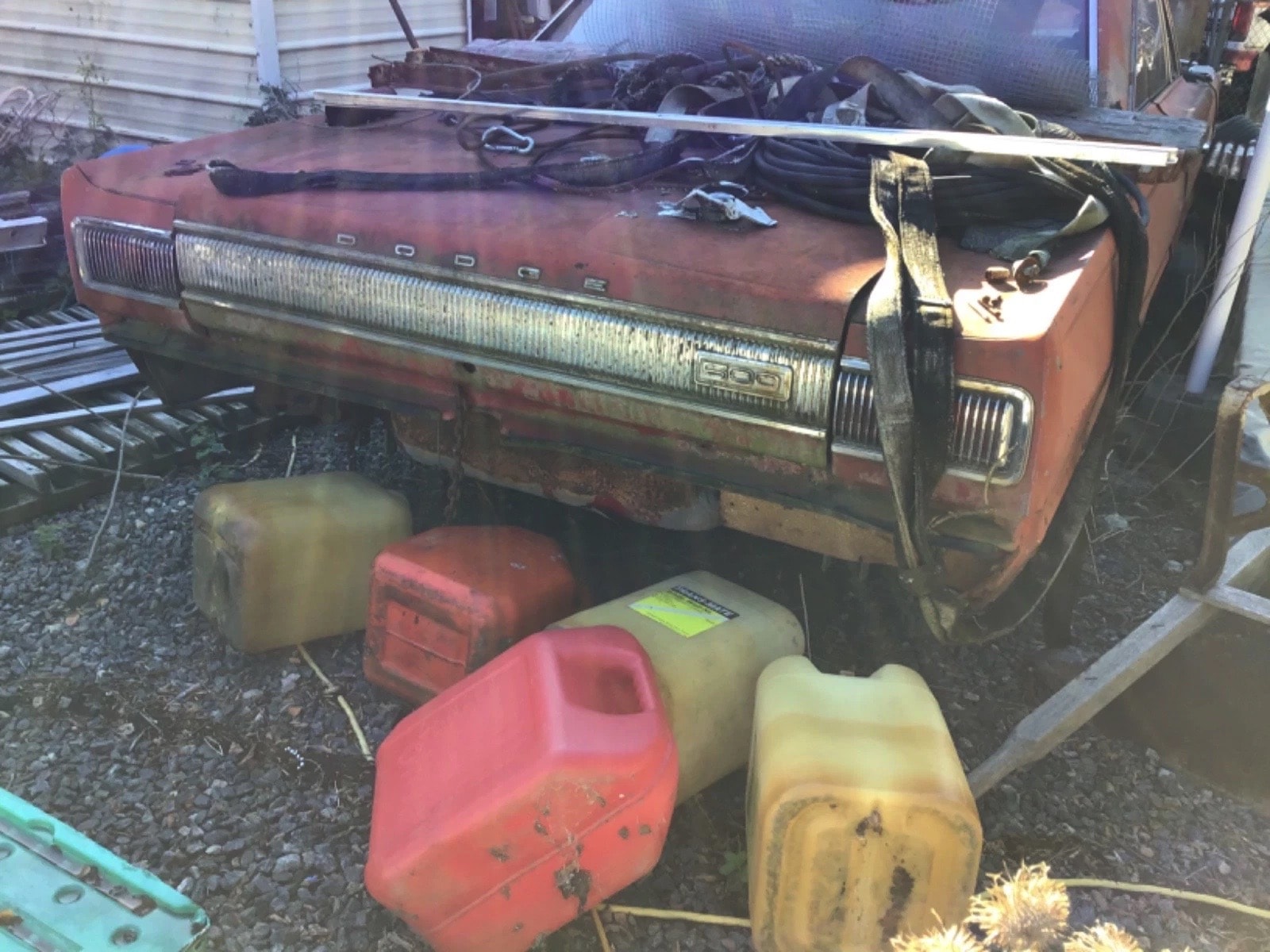
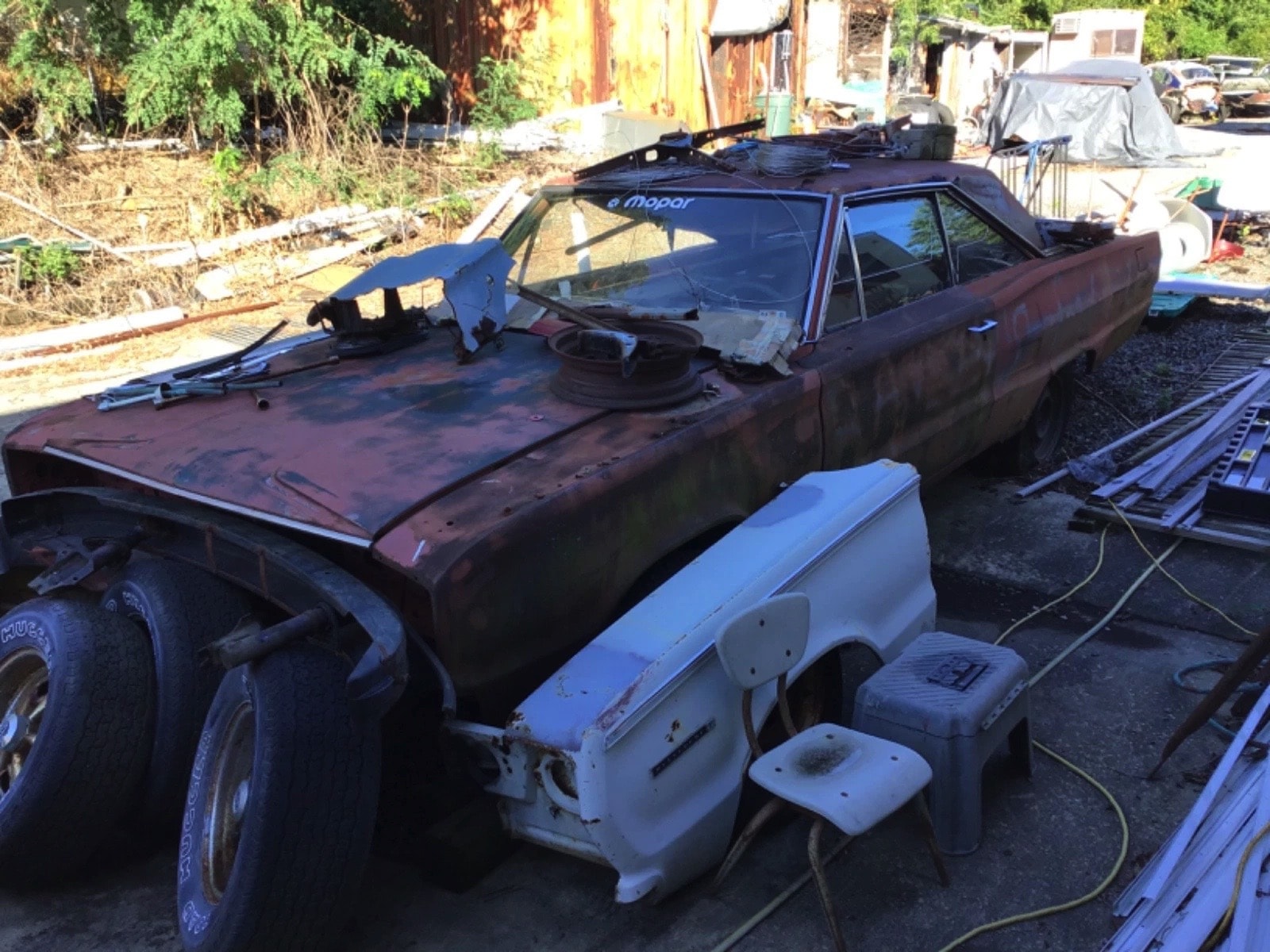
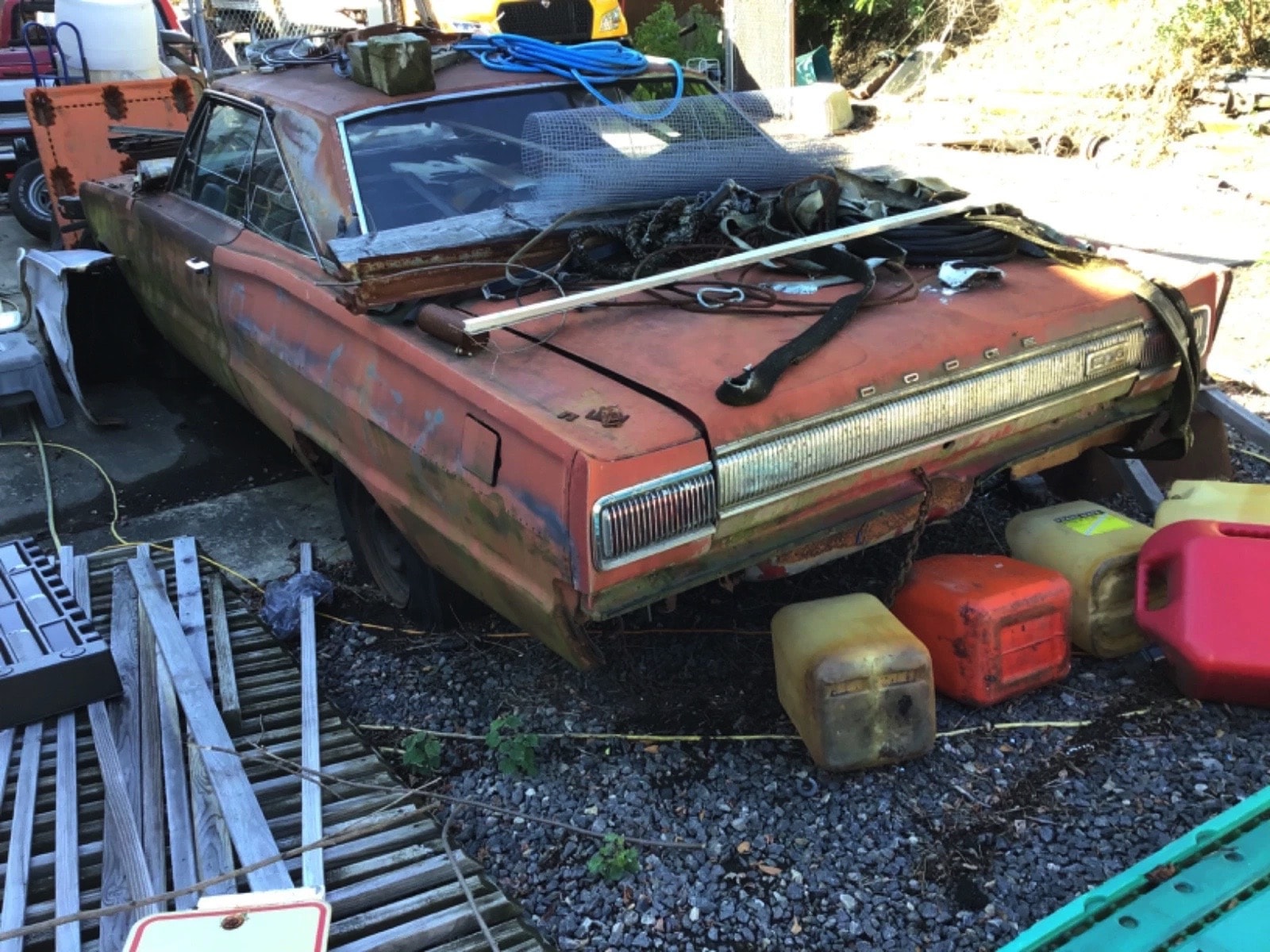
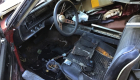
The muscle car community thrives on stories of forgotten classics emerging from decades of storage, and Chester, Pennsylvania has just delivered another compelling chapter. A weathered 1967 Dodge Coronet has surfaced from private property storage, presenting both opportunity and challenge for restoration enthusiasts willing to tackle a comprehensive project. With engine and transmission missing but structural bones potentially intact, this Coronet represents the raw material from which muscle car dreams are built.

1967: The Year Dodge Went All-In on Performance
The 1967 model year marked a pivotal moment for the Dodge Coronet lineup, as Chrysler Corporation unleashed the legendary R/T (Road/Track) variant that would forever change the muscle car landscape. While this particular Chester find isn’t an R/T model, understanding the 1967 Coronet’s place in automotive history helps contextualize its restoration potential and collector appeal.
In 1966, the big 375 horsepower 440 Magnum was added to the roster in a redesigned Coronet with cutting-edge Coke-bottle styling, setting the stage for 1967’s performance explosion. The model year introduced Chrysler’s largest engine, the 440-cid V-8, tweaked to 375hp and christened the Magnum as standard equipment, with the 426-cid Hemi available as a $908 option.
Engine Options That Defined an Era
Available engines for 1967 included the 225 CID 1bbl S6, 273 CID 2bbl V8 (standard on wagons), 318 CID 2bbl V8, 383 CID 2bbl V8, 383 CID 4bbl V8, 440 CID 4bbl Magnum V8, and the legendary 426 CID 2x4bbl ‘Hemi Eight-Barrel’ V8. This comprehensive lineup meant buyers could choose everything from economical six-cylinder power to race-bred Hemi performance.
The loss of the original small-block engine in this Chester Coronet might actually represent an opportunity rather than a setback. Starting with a clean slate allows for strategic powertrain selection based on intended use, budget constraints, and performance goals.
Project Assessment: The Good, Bad, and Ugly
Current Condition Reality Check:
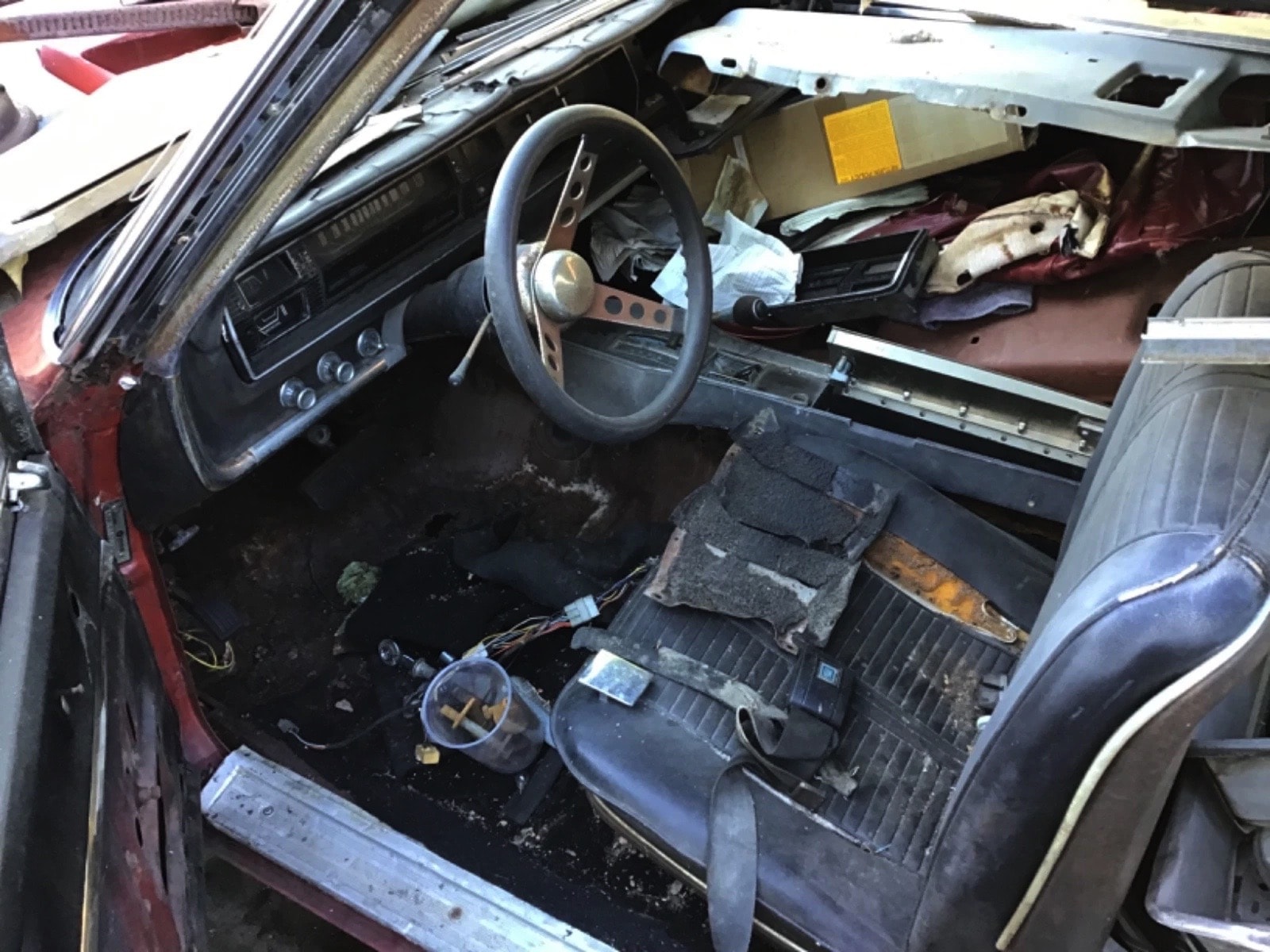
The seller’s honest assessment reveals several critical challenges:
- Missing Drivetrain: Engine and transmission completely absent
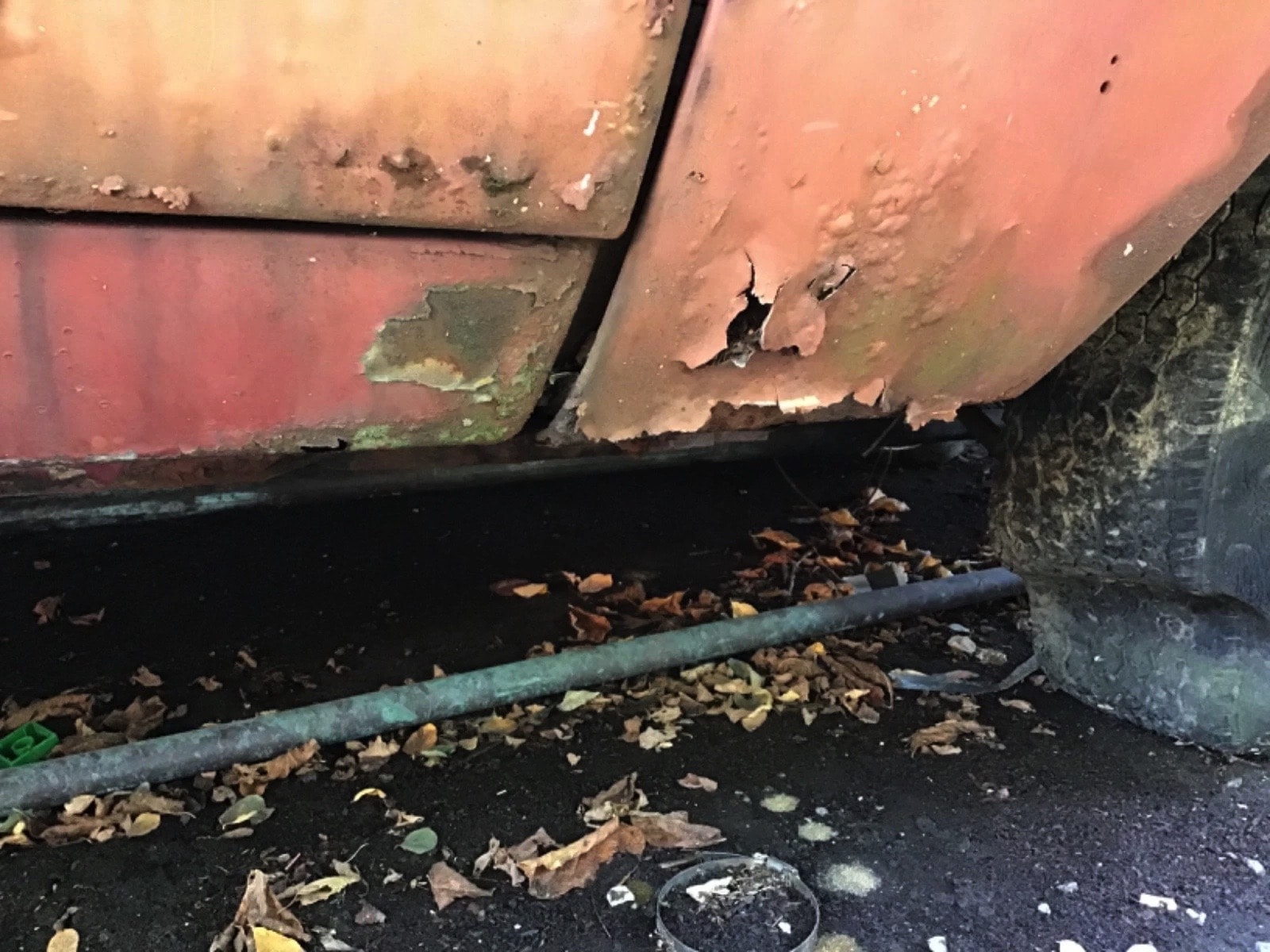
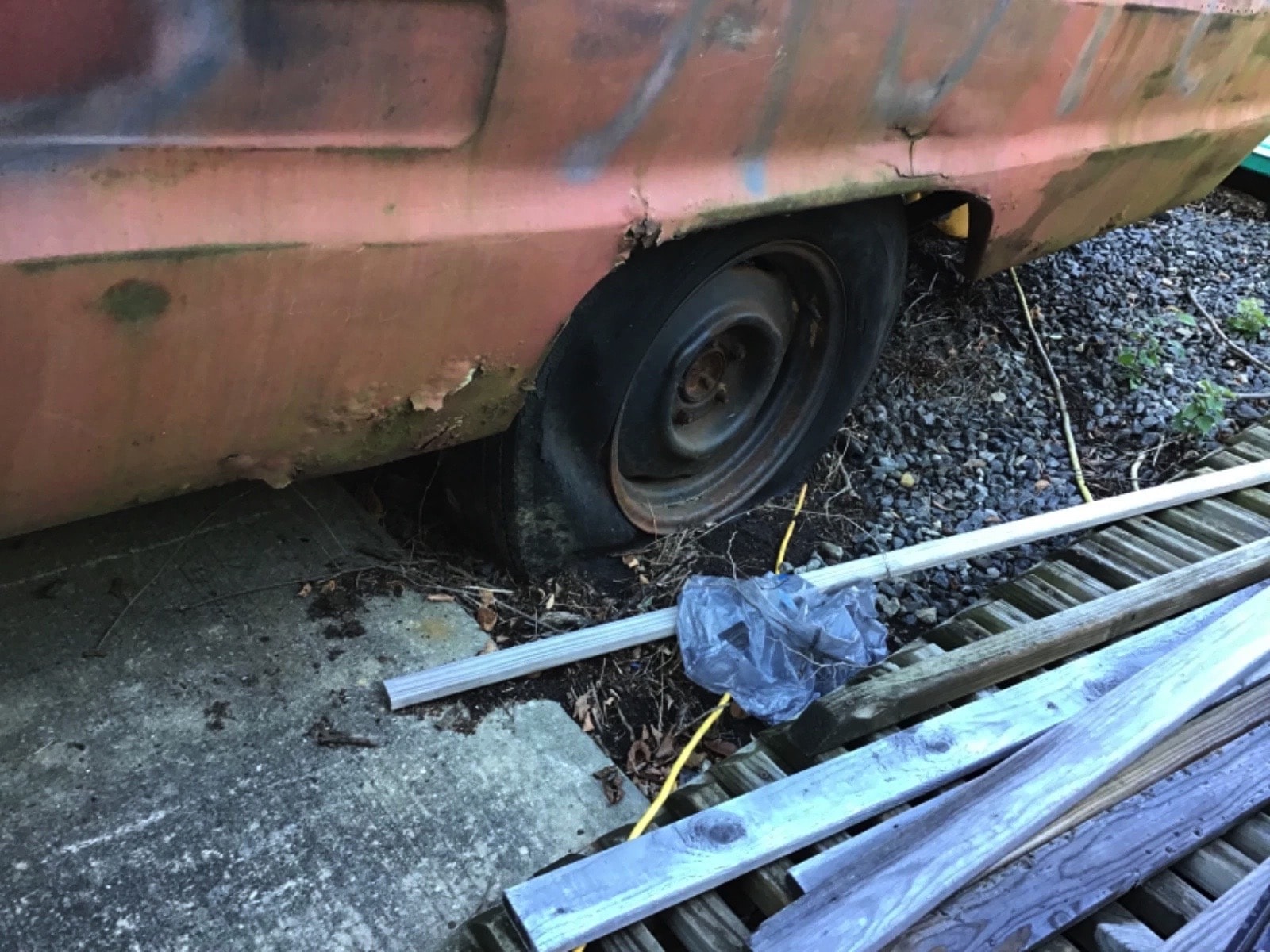
- Floor Pan Issues: Rust damage requiring metalwork
- Quarter Panel Needs: Body repair work essential
- Exterior Storage Damage: Weather exposure evident throughout
- Unknown Storage Duration: Extended outdoor exposure suspected
However, the Coronet’s survival in any form represents value in today’s market. The average price of a Dodge Coronet is $45,854, while project cars have sold for varying amounts depending on completeness and condition.
Market Context: What Similar Projects Command
Recent sales data reveals the wide range of 1967 Coronet project values:
- A 1967 Coronet R/T project sold for $1,600 as an original 440, 4-speed car with Dana 60 rear gear, representing just 1,153 units produced with those options
- A complete 1967 Coronet R/T restoration candidate commanded $14,500
- A solid 1967 Coronet 440 project car was priced at $5,900
- Current 1967 Dodge Coronet listings range from $8,000 to $72,995 based on condition and completeness
The $4,500 Question: Value Analysis
At the $4,500 asking price, this Coronet sits in challenging territory. While the “Make Offer” option suggests negotiation flexibility, several factors influence value assessment:
Positive Elements:
- Iconic 1967 model year significance
- Coke-bottle styling foundation intact
- Potential for high-performance drivetrain installation
- Growing collector interest in B-body Mopars
Concerning Factors:
- Complete drivetrain replacement required
- Extensive bodywork needs
- Unknown structural integrity
- Outdoor storage complications
Restoration Reality: Cost Projections
Professional restoration of a project this extensive typically requires:
Essential Drivetrain Investment:
- 440 Magnum engine (rebuilt): $8,000-12,000
- Period-correct transmission: $2,500-4,000
- Rear axle assembly: $1,500-3,000
Bodywork Requirements:
- Floor pan replacement: $3,000-5,000
- Quarter panel repair/replacement: $4,000-8,000
- Complete paint and bodywork: $12,000-20,000
Interior and Miscellaneous:
- Complete interior restoration: $5,000-8,000
- Chrome, trim, and details: $3,000-5,000
- Electrical system overhaul: $2,000-3,000
Total Investment Projection: $40,000-70,000+
The Hemi Conversion Possibility
One intriguing aspect of starting with a drivetrain-less Coronet involves the potential for Hemi installation. A super rare 1968 Dodge Hemi Coronet R/T Convertible cost over $300,000 to restore, though that extreme example involved concours-level work on an ultra-rare configuration.
For this project, a 426 Hemi conversion would require:
- Original or reproduction Hemi engine: $25,000-40,000+
- Heavy-duty transmission upgrade: $4,000-6,000
- Suspension and brake upgrades: $3,000-5,000
- Supporting modifications throughout
Geographic Considerations: Chester, Pennsylvania Location
The Chester, Pennsylvania location offers both advantages and challenges:
Advantages:
- Mid-Atlantic accessibility for East Coast buyers
- Proximity to major metropolitan areas
- Established classic car restoration network nearby
Transportation Requirements:
- Professional flatbed service essential
- Structural assessment before moving recommended
- Indoor storage arrangement critical upon acquisition
Due Diligence Checklist
Serious buyers should prioritize comprehensive inspection:
- Structural Integrity Assessment
- Frame rail condition evaluation
- Unibody mounting point inspection
- Rust penetration extent determination
- Documentation Research
- VIN decoding for original specifications
- Build sheet or broadcast sheet location
- Ownership history investigation
- Parts Availability Confirmation
- Body panel reproduction availability
- Trim piece sourcing difficulty
- Interior component accessibility
Investment Perspective: Risk vs. Reward
This Coronet represents high-risk, potentially high-reward territory:
Risk Factors:
- Extensive restoration scope
- Unknown hidden damage
- Market volatility for project cars
- Skill and time requirements
Potential Rewards:
- Satisfaction of complete restoration
- Strong Coronet collector market
- Flexibility in drivetrain selection
- Appreciation potential for quality builds
Timeline Reality: The 29-Day Window
With listing expiration in 29 days, interested parties face decision pressure. This timeframe allows for:
- Initial seller contact and discussion
- Professional inspection arrangement
- Financial planning and budget confirmation
- Transportation logistics coordination
Strategic Approaches for Different Buyers
Experienced Restorers:
- Focus on structural integrity assessment
- Plan comprehensive drivetrain upgrade
- Consider Hemi conversion for maximum impact
- Budget for complete frame-off restoration
First-Time Project Buyers:
- Proceed with extreme caution
- Consult professional restoration shops
- Understand total cost implications
- Consider partnering with experienced mentor
Investment-Focused Collectors:
- Analyze completion cost vs. market value
- Research comparable sales data
- Consider professional restoration service
- Plan 3-5 year project timeline
The Verdict: Proceed with Eyes Wide Open
This 1967 Dodge Coronet project represents exactly the type of challenge that separates serious restorers from casual dreamers. At $4,500, it’s priced within reason for what amounts to a partial shell with significant work requirements. The missing drivetrain, while initially concerning, actually provides freedom to create the exact performance combination desired.
Success with this project depends entirely on realistic expectations, adequate budgeting, and commitment to seeing a challenging restoration through to completion. For the right buyer with appropriate resources and expertise, this weathered Coronet could indeed become a stunning example of 1967 muscle car excellence.
The combination of iconic styling, strong collector interest, and restoration flexibility makes this Coronet worthy of serious consideration. However, buyers must approach with full understanding that this project will demand significant time, money, and expertise to achieve its potential.
For those ready to accept the challenge, Chester, Pennsylvania awaits with a Coronet that could become the centerpiece of any muscle car collection – provided the vision matches the commitment required to make it reality.


