Sometimes classic car restoration stories don’t have fairy tale endings. While we often celebrate triumphant barn find rescues and meticulous restorations, the muscle car world also includes cautionary tales of good intentions gone wrong. A 1968 Plymouth Barracuda currently listed on eBay perfectly illustrates this phenomenon – a car that received fresh paint 15 years ago, only to be immediately parked and forgotten until now.

The Unfinished Story: Paint Job to Abandonment
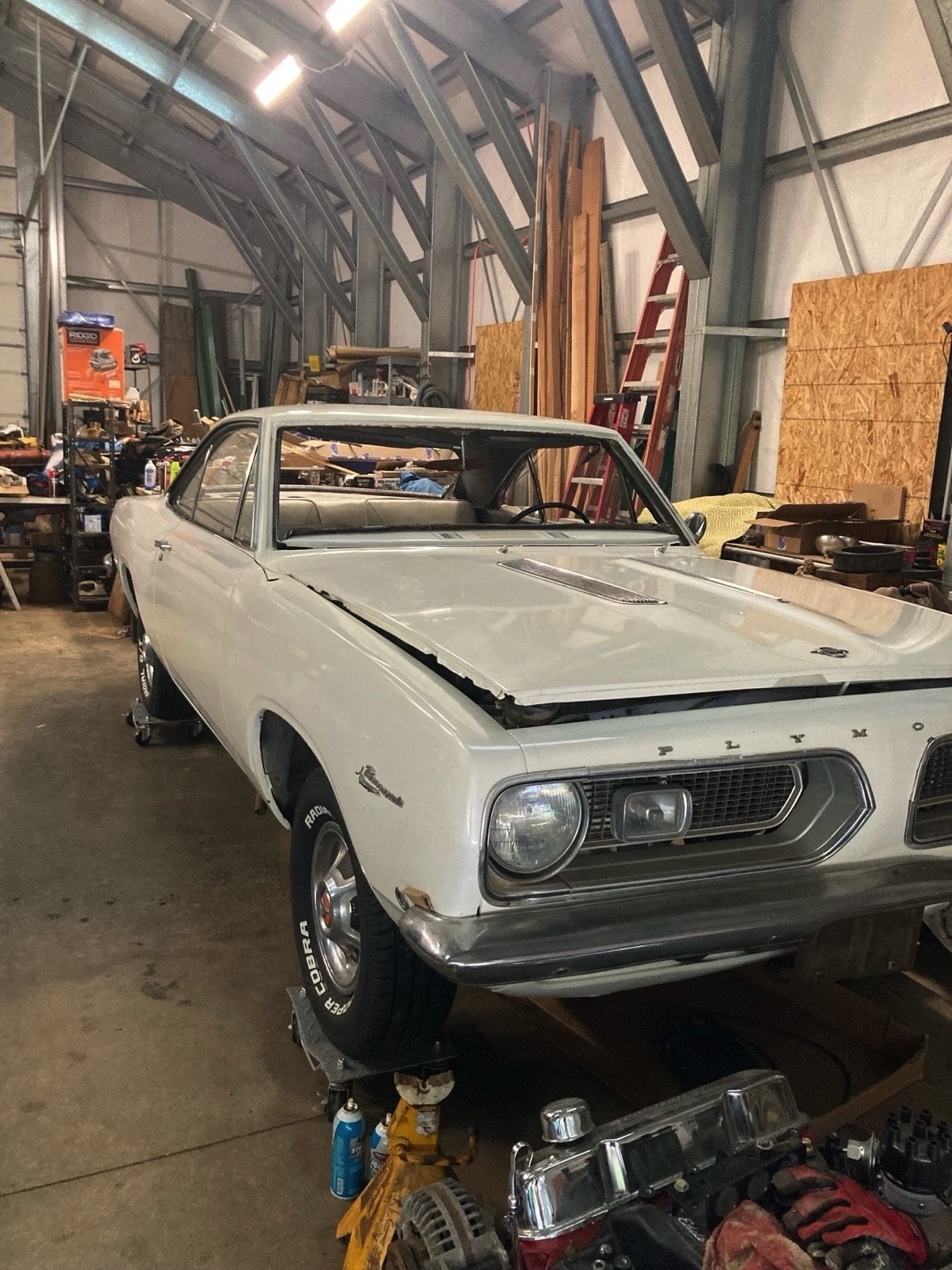
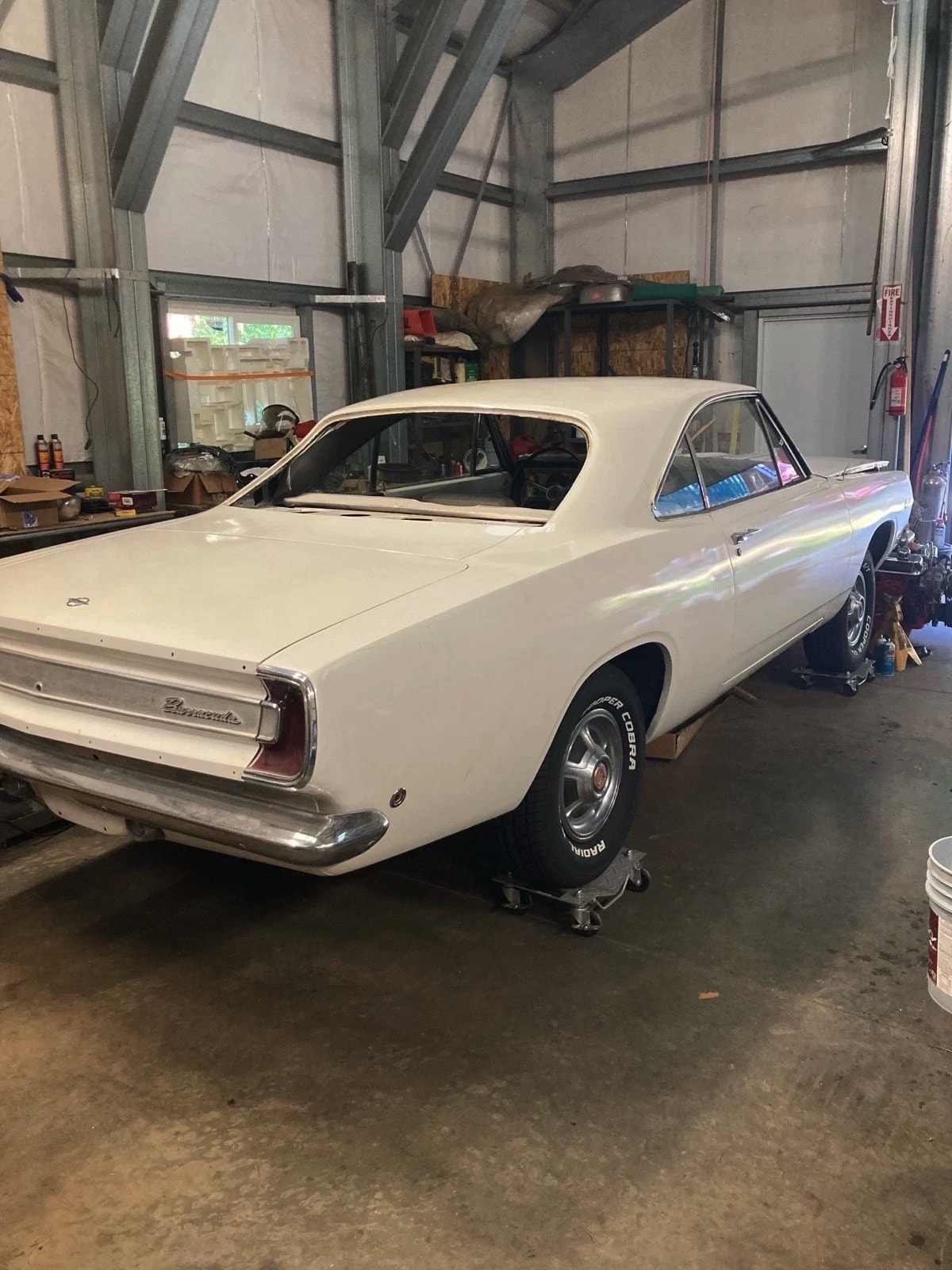
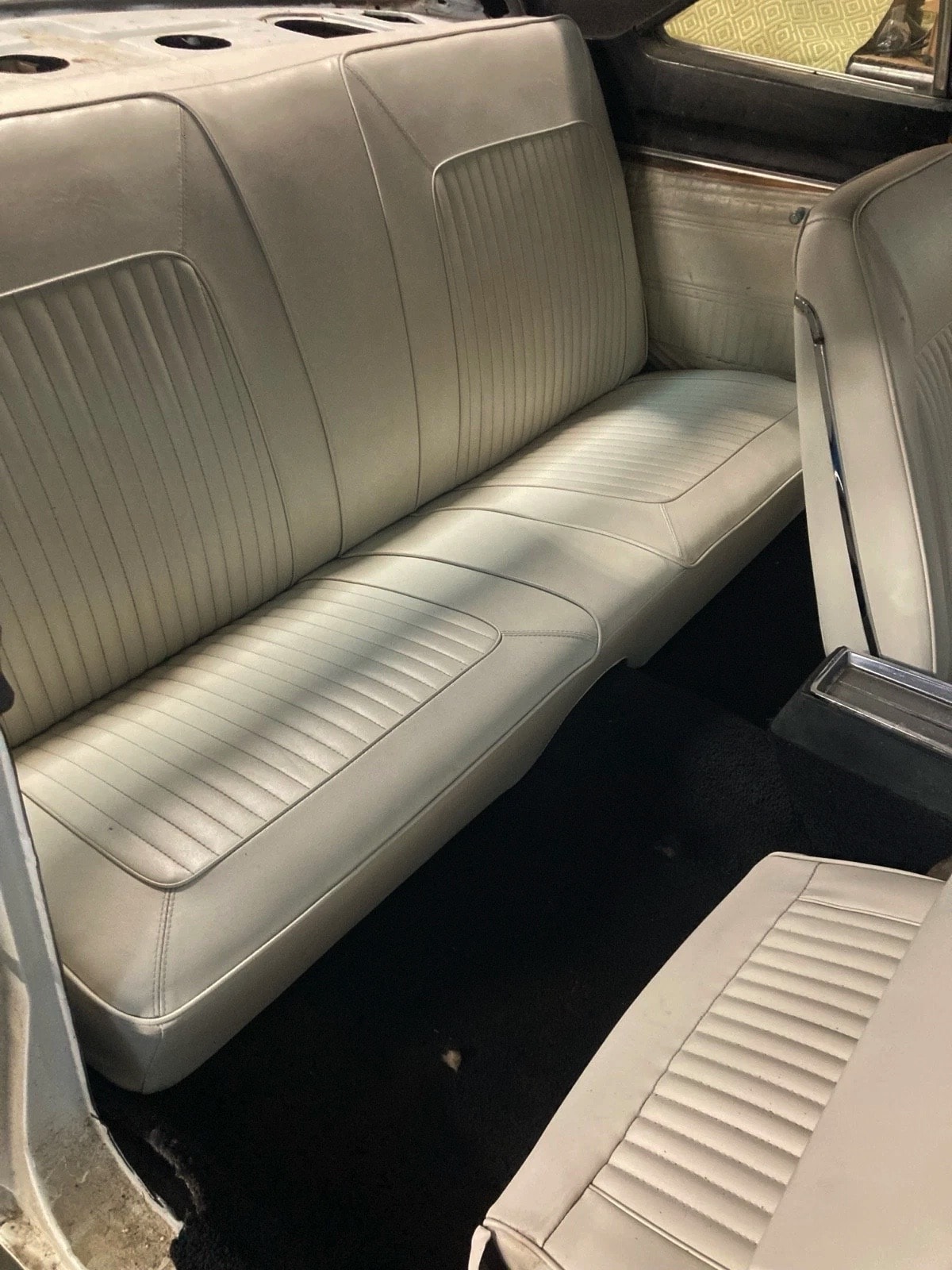
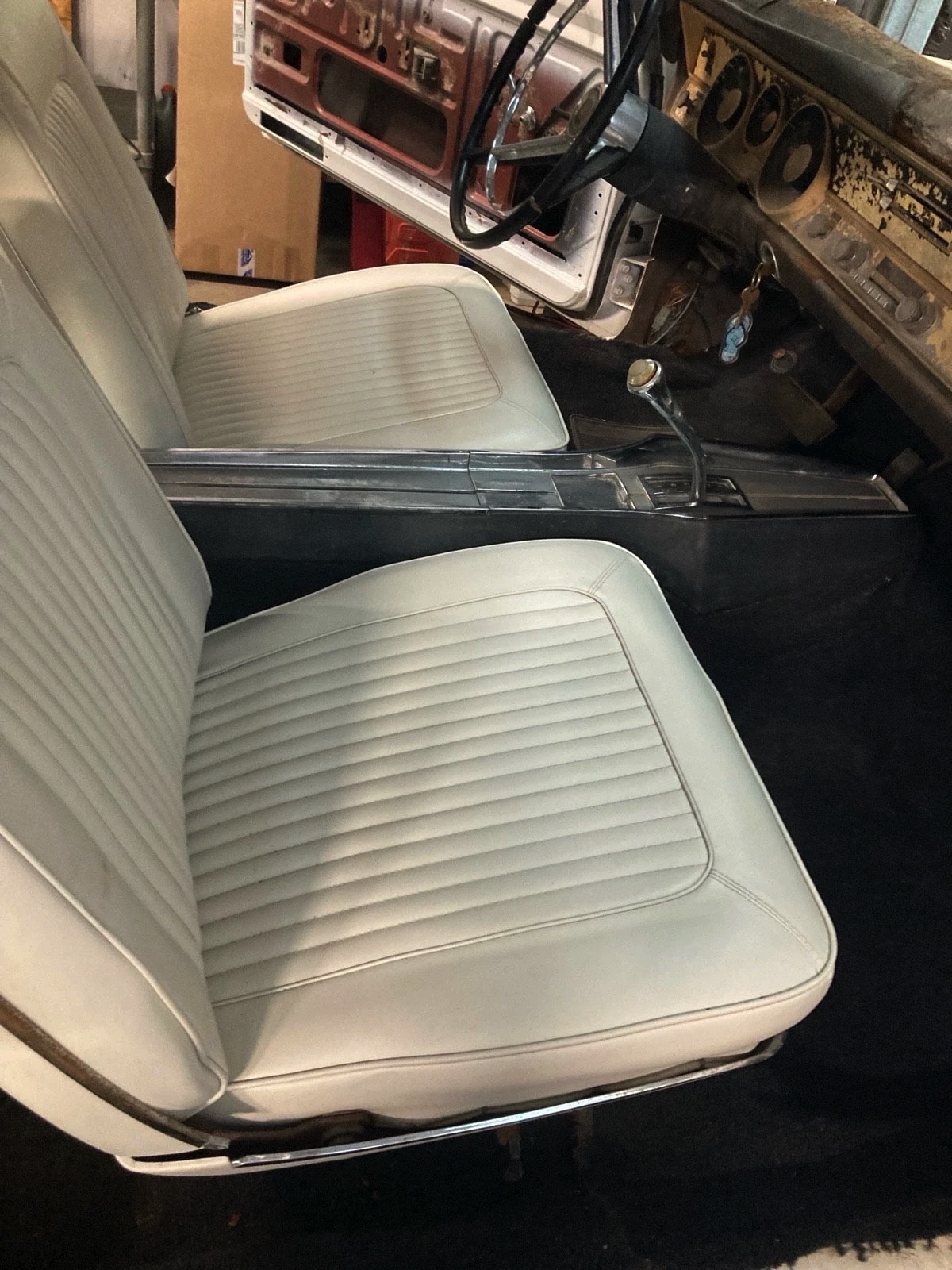
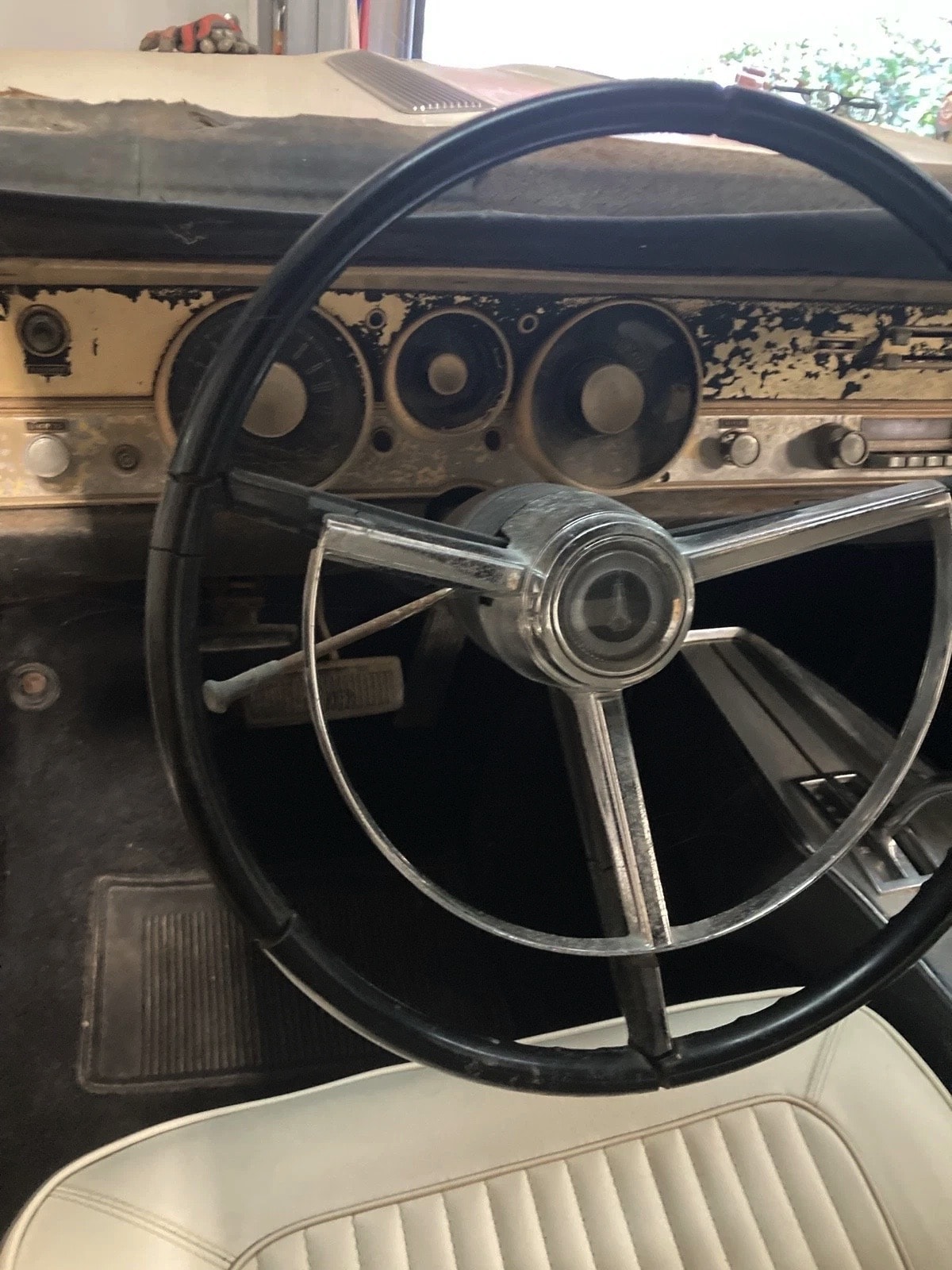
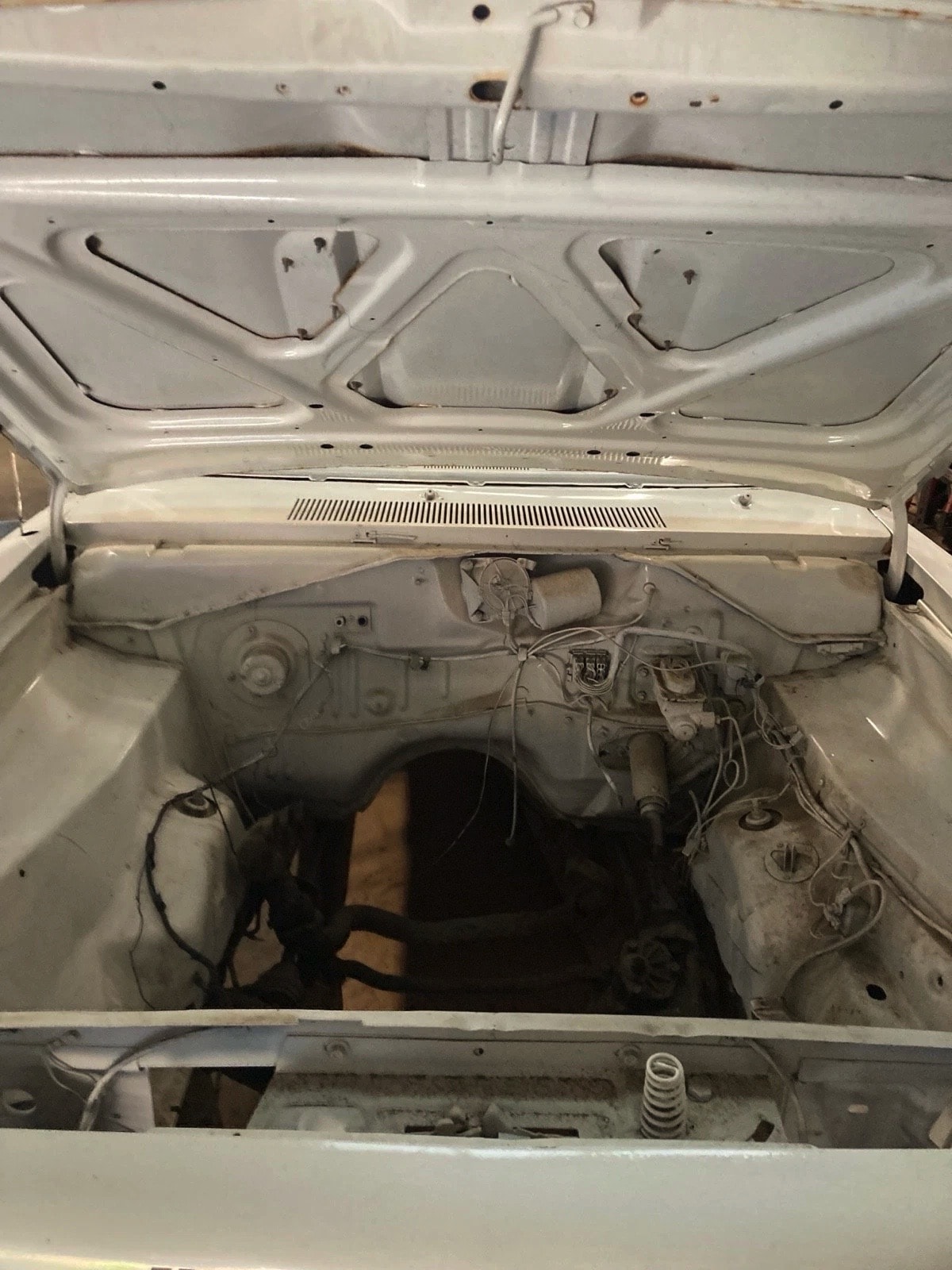
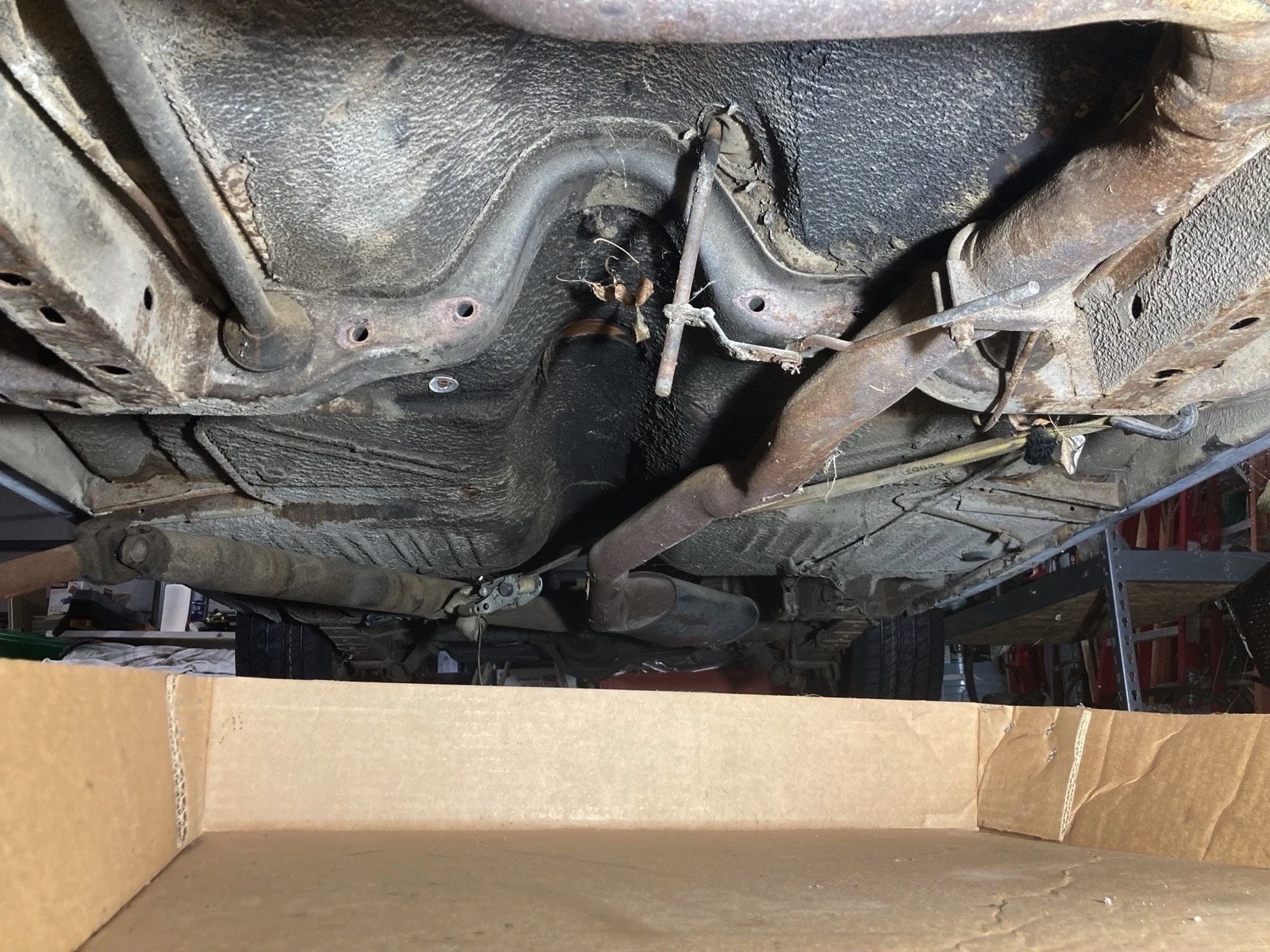
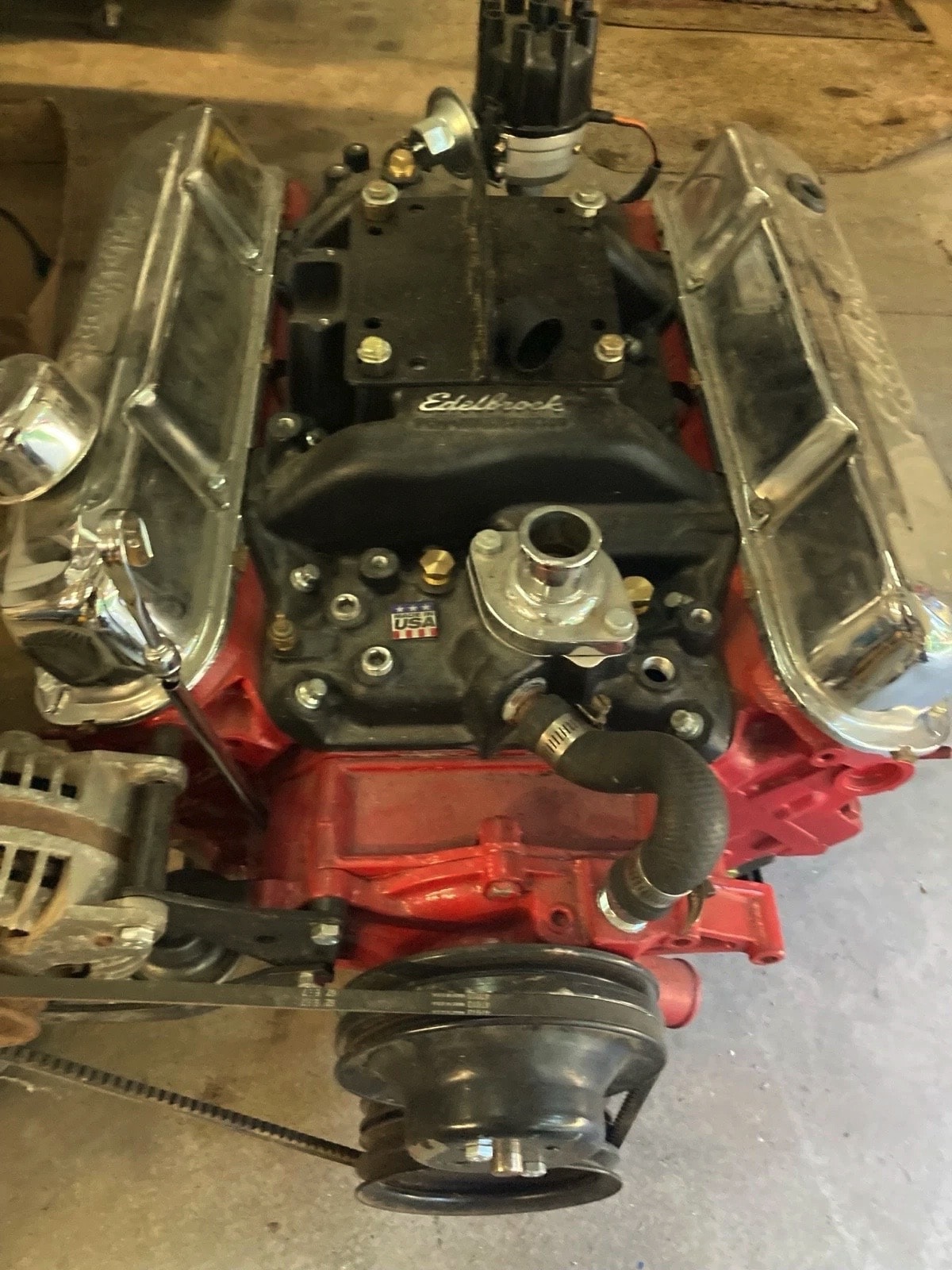
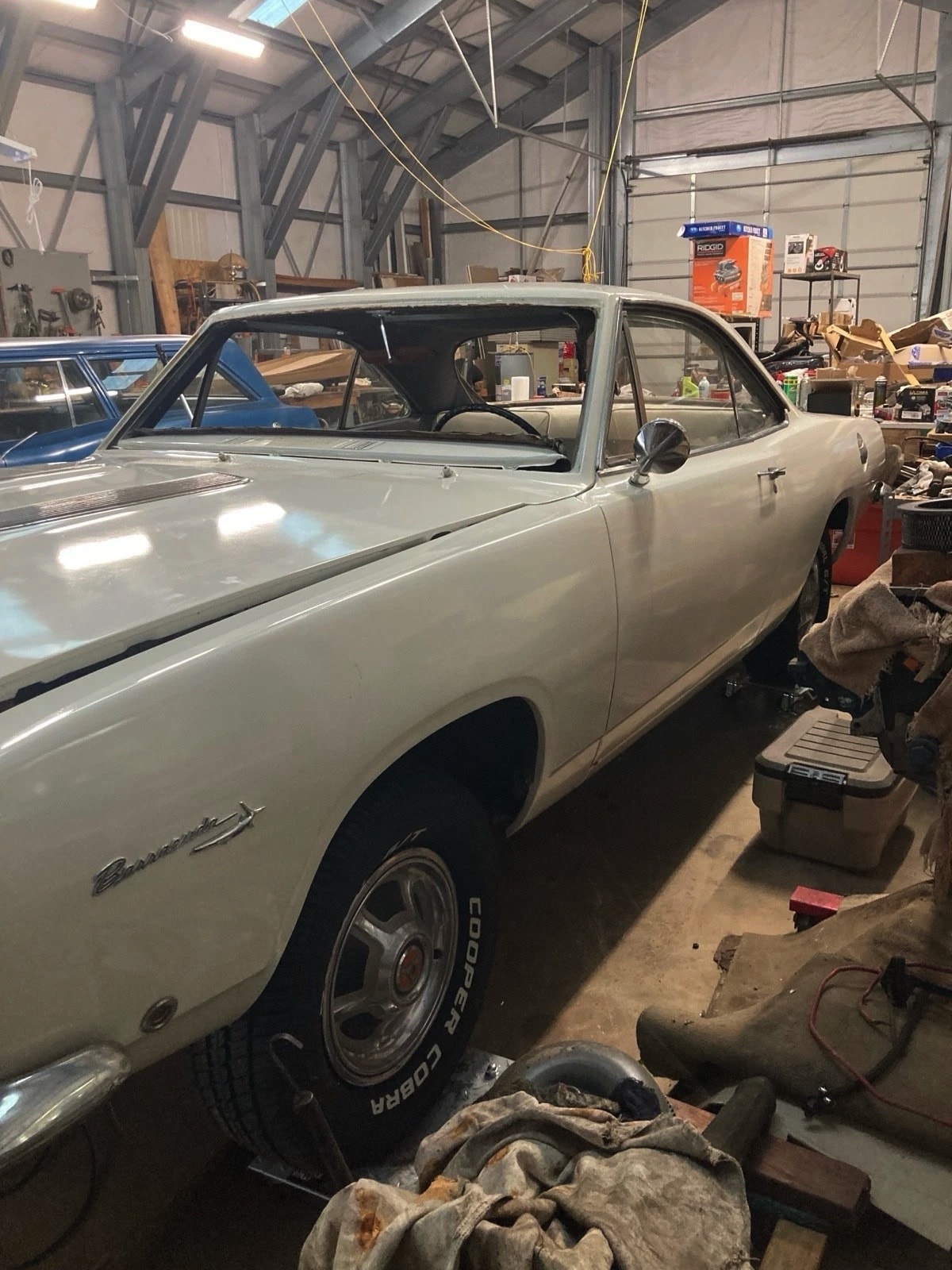
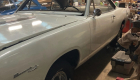
This 1968 Plymouth Barracuda is a specimen that received a repaint 15 years ago. eBay seller mitjes3 says the owner finished this repaint, but eventually parked the car, leaving it untouched for a long time. The car is now suffering from obvious issues, including cracked paint.
The scenario raises familiar questions for anyone involved in classic car culture: Why would someone invest in repainting a car only to immediately abandon the project? What happened between the completion of bodywork and the decision to park it indefinitely? While we can only speculate about the owner’s circumstances, this Barracuda’s story reflects challenges faced by countless restoration projects.
1968 Barracuda: Peak of First-Generation Design
To understand the significance of this abandoned project, we must appreciate what the 1968 Plymouth Barracuda represented in automotive history. The second-generation Barracuda debuted in 1967 with completely new styling that moved away from the fastback-only design of early models. The ’68 model year refined this successful formula with subtle updates that enhanced both appearance and functionality.
1968 Barracuda Key Features:
- Three body styles: fastback, notchback, and convertible
- Wheelbase increased to 108 inches (from 106 inches)
- Wider track for improved handling
- Distinctive side marker lights for federal compliance
- Enhanced interior space and comfort
- More aggressive grille and tail light design
The 1968 model year positioned the Barracuda as a serious competitor in the rapidly expanding pony car market, offering buyers alternatives to Ford’s dominant Mustang while maintaining Plymouth’s unique design identity.
Paint Problems: The Reality of DIY Restoration
The current condition tells a familiar story about paint challenges in classic car restoration. The car is now suffering from obvious issues, including cracked paint suggests several possible scenarios:
Common Paint Failure Causes:
- Inadequate surface preparation before painting
- Poor-quality paint products or mixing ratios
- Environmental factors during curing process
- Lack of proper primer or sealer application
- Temperature and humidity issues during application
- Storage in unsuitable conditions post-painting
Paint cracking typically indicates fundamental problems with either surface preparation or paint chemistry – issues that become expensive to correct without starting the process over completely.
The Psychology of Abandoned Projects
This Barracuda’s story resonates with many classic car enthusiasts who’ve witnessed similar project trajectories. The psychology behind starting a restoration only to abandon it involves several common factors:
Project Abandonment Triggers:
- Budget exhaustion after major expenditures
- Skill level realization exceeding initial confidence
- Life circumstances changing during project timeline
- Discovering additional problems during disassembly
- Loss of enthusiasm due to setbacks or complications
- Health or family issues requiring priority shifts
The 15-year abandonment period suggests the owner may have experienced one or more of these common restoration roadblocks.
Market Context: 1968 Barracuda Values and Potential
Understanding this project’s investment potential requires examining current market conditions for similar vehicles:
Recent auction results show strong demand for properly restored 1968 Barracudas, with Formula S examples commanding premium prices. However, project cars with paint issues present unique challenges in today’s market.
Current Market Segments:
- Restored Examples: $35,000-65,000 depending on options and condition
- Driver Quality Cars: $20,000-35,000 for presentable examples
- Project Cars: $8,000-18,000 based on completeness and issues
- Parts Cars: $2,000-8,000 for incomplete or severely damaged examples
This particular car’s position depends heavily on mechanical condition, rust issues, and overall completeness beyond the obvious paint problems.
The Challenge of Paint Restoration
For potential buyers, addressing this Barracuda’s paint issues represents a significant decision point. Modern restoration standards demand high-quality finishes that often require complete strip-and-repaint processes rather than attempting repairs over existing problematic paint.
Complete Paint Restoration Costs:
- Professional paint stripping: $2,000-4,000
- Body preparation and primer: $3,000-6,000
- Quality paint application: $8,000-15,000
- Color sanding and polishing: $1,000-2,500
- Total Paint Investment: $14,000-27,500
These costs must be weighed against the car’s finished value potential and buyer’s personal restoration goals.
Documentation Matters: What We Don’t Know
Critical information missing from this listing includes:
Essential Details for Buyers:
- Original color and paint codes
- Engine and transmission specifications
- Options and equipment present
- Rust condition assessment
- Interior condition and completeness
- Mechanical system status
- Documentation and provenance
Without this information, potential buyers face significant unknowns that complicate both bidding strategy and restoration planning.
The Restoration Reality Check
Professional restorers often encounter projects like this Barracuda – cars that received partial work before abandonment. These situations present unique challenges:
Partial Restoration Complications:
- Previous work quality assessment difficulties
- Hidden shortcuts or incorrect procedures
- Non-standard parts or modifications discovered
- Color matching challenges with remaining original surfaces
- Timeline disruptions from correcting previous work
Successfully completing such projects requires experience, patience, and realistic budget planning that accounts for correcting previous mistakes.
15-Year Storage Consequences
Extended storage creates problems beyond obvious paint deterioration:
Typical Storage-Related Issues:
- Fuel system contamination and corrosion
- Brake system failure from moisture and disuse
- Cooling system component deterioration
- Electrical system degradation
- Rubber component hardening and cracking
- Interior material deterioration
- Rodent damage potential
Each of these systems likely requires attention regardless of exterior appearance, adding to total restoration costs.
Investment vs. Passion Project Analysis
This Barracuda presents classic restoration economics challenges:
Potential Positive Outcomes:
- Satisfying completion of abandoned project
- Learning experience for dedicated enthusiasts
- Preservation of automotive history
- Potential appreciation if properly completed
Risk Factors:
- Total investment exceeding finished car values
- Discovering major mechanical or structural issues
- Extended timeline requirements
- Market volatility affecting classic car values
Lessons from Failed Projects
This Barracuda’s story offers valuable insights for current and future restorers:
Project Success Strategies:
- Realistic timeline and budget planning
- Professional assessment before beginning work
- Phased approach allowing for breaks and reassessment
- Quality over speed in all work phases
- Building relationships with experienced professionals
- Maintaining detailed documentation throughout process
The Second Chance Opportunity
For the right buyer, this abandoned project represents genuine opportunity. Someone with appropriate skills, facilities, and budget could transform this neglected Barracuda into an impressive finished car. The key involves honest assessment of both the car’s condition and the buyer’s capabilities.
Ideal Buyer Profile:
- Experienced with paint and bodywork challenges
- Realistic expectations about time and money investment
- Access to proper facilities and equipment
- Understanding of 1968 Barracuda specifications and options
- Long-term project commitment capability
The Broader Classic Car Lesson
This story illustrates important truths about classic car restoration culture:
- Not every project reaches successful completion
- Paint work requires both skill and proper conditions
- Storage without use creates its own problems
- Previous owner decisions significantly impact future restoration success
- Honest seller disclosure helps buyers make informed decisions
Market Opportunity Assessment
Despite its challenges, this Barracuda could represent solid value for informed buyers:
Favorable Factors:
- 1968 model year desirability
- Complete car rather than parts collection
- Honest seller disclosure about issues
- Strong Barracuda collector market
- Established restoration parts availability
The Verdict: Proceed with Eyes Wide Open
This repainted-then-abandoned 1968 Plymouth Barracuda offers a realistic look at restoration project realities. While not the romantic barn find that classic car dreams are made of, it presents genuine opportunity for buyers who understand both its challenges and potential.
Success with this project requires accepting that the previous owner’s paint investment may represent sunk cost requiring complete re-doing. However, for enthusiasts seeking an authentic restoration experience with a historically significant car, this Barracuda could provide the foundation for a rewarding long-term project.
The 15-year abandonment period serves as reminder that classic car restoration demands sustained commitment beyond initial enthusiasm. Projects that begin with grand plans can quickly become overwhelming without realistic expectations and proper preparation.
For potential buyers, this Barracuda represents an opportunity to learn from someone else’s experience while potentially creating their own restoration success story. The key lies in honest assessment of both the car’s needs and the buyer’s capacity to meet those needs over the extended timeline required for quality restoration.
Whether this particular 1968 Barracuda finds new life depends entirely on connecting with someone who sees potential beyond current problems – and possesses both skills and commitment necessary to realize that potential.


