The Diamond in the Rough: Why 1969 GTX Project Cars Are Worth Saving
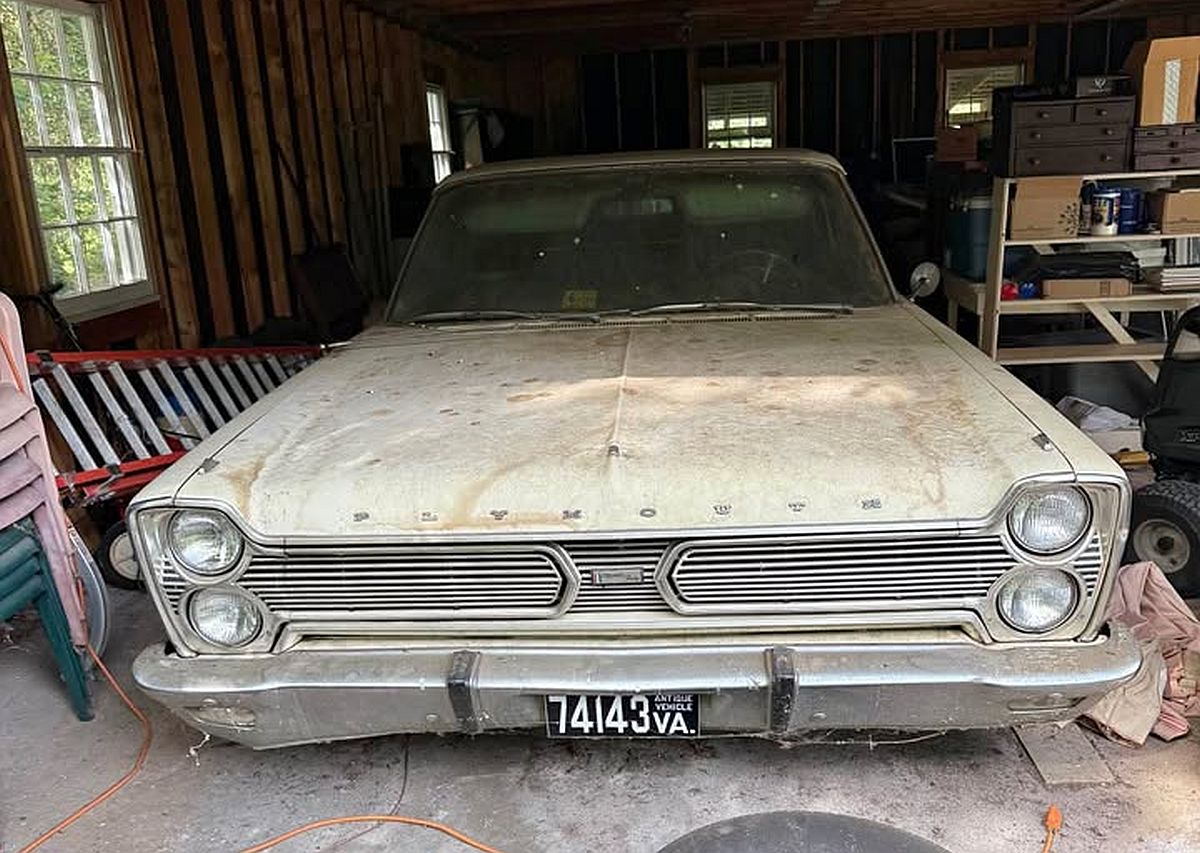
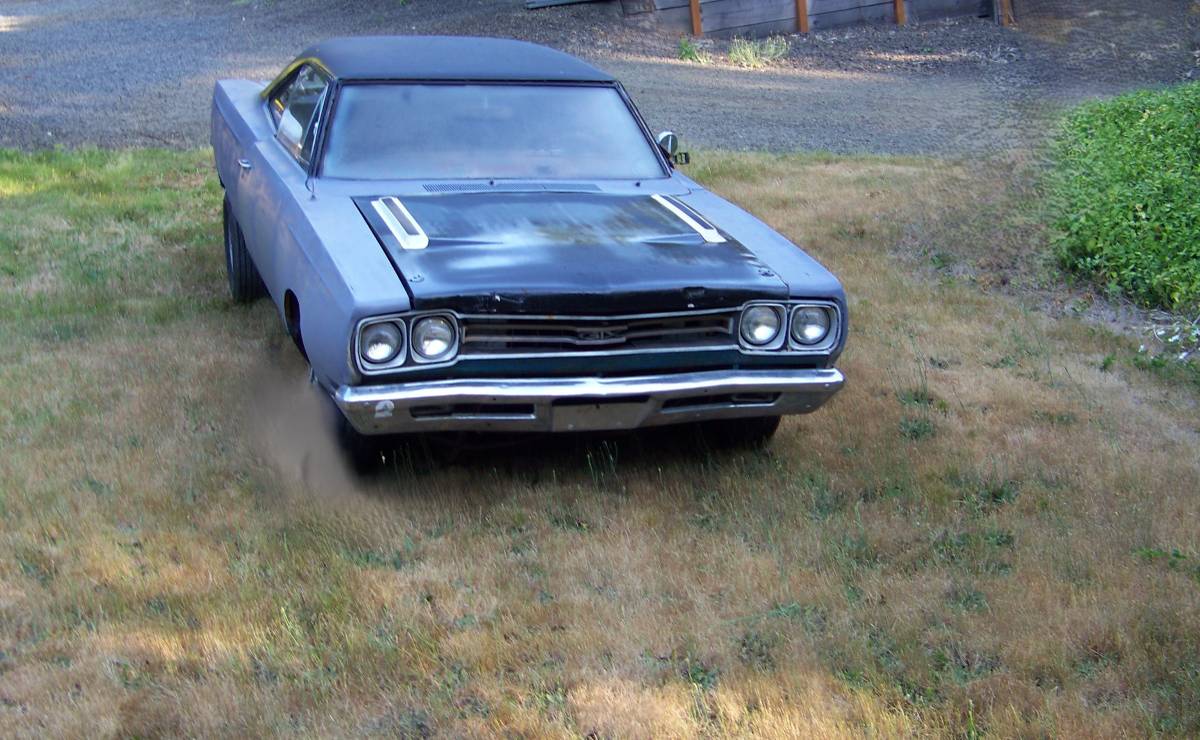
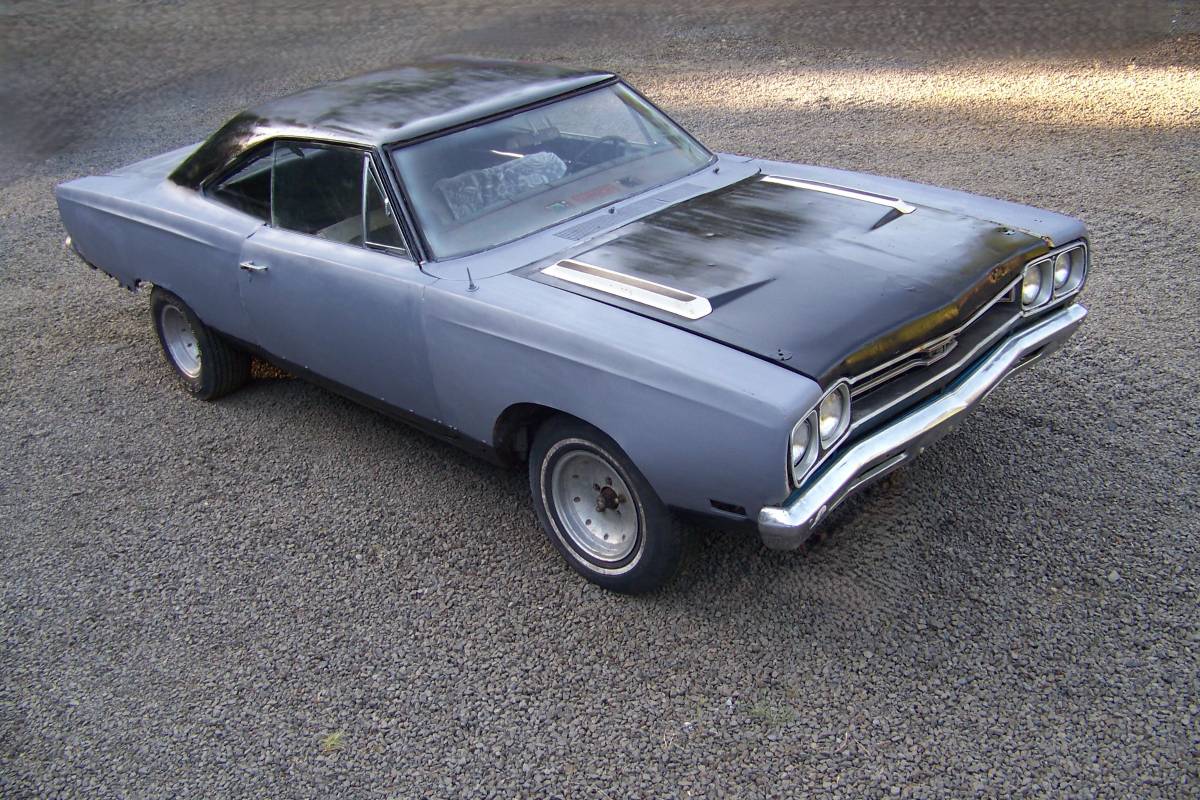
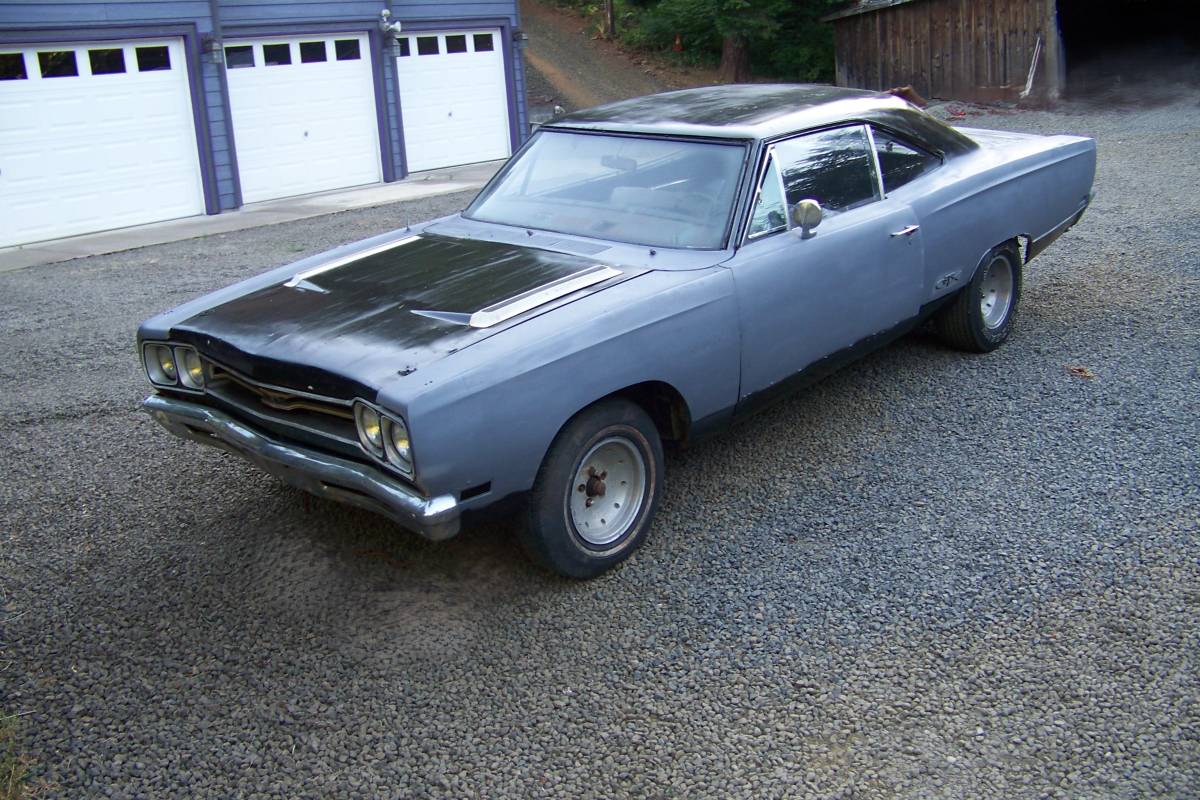
The 1969 Plymouth GTX represents one of the most underappreciated muscle cars of the golden era. While its budget-friendly sibling, the Road Runner, grabbed headlines and dominated sales floors, the GTX offered something more refined – luxury appointments paired with devastating big-block performance. Today, many 1969 GTX project cars sit forgotten in barns and backyards, waiting for enthusiasts with vision to recognize their potential.
Unlike the more common Road Runner, GTX sales declined to just 14,902 hardtops and only 700 convertibles in 1969, making every surviving example increasingly valuable. For collectors seeking an alternative to overpriced Camaros and Mustangs, a 1969 GTX project car offers the opportunity to own genuine American muscle with luxury credentials and serious investment potential.
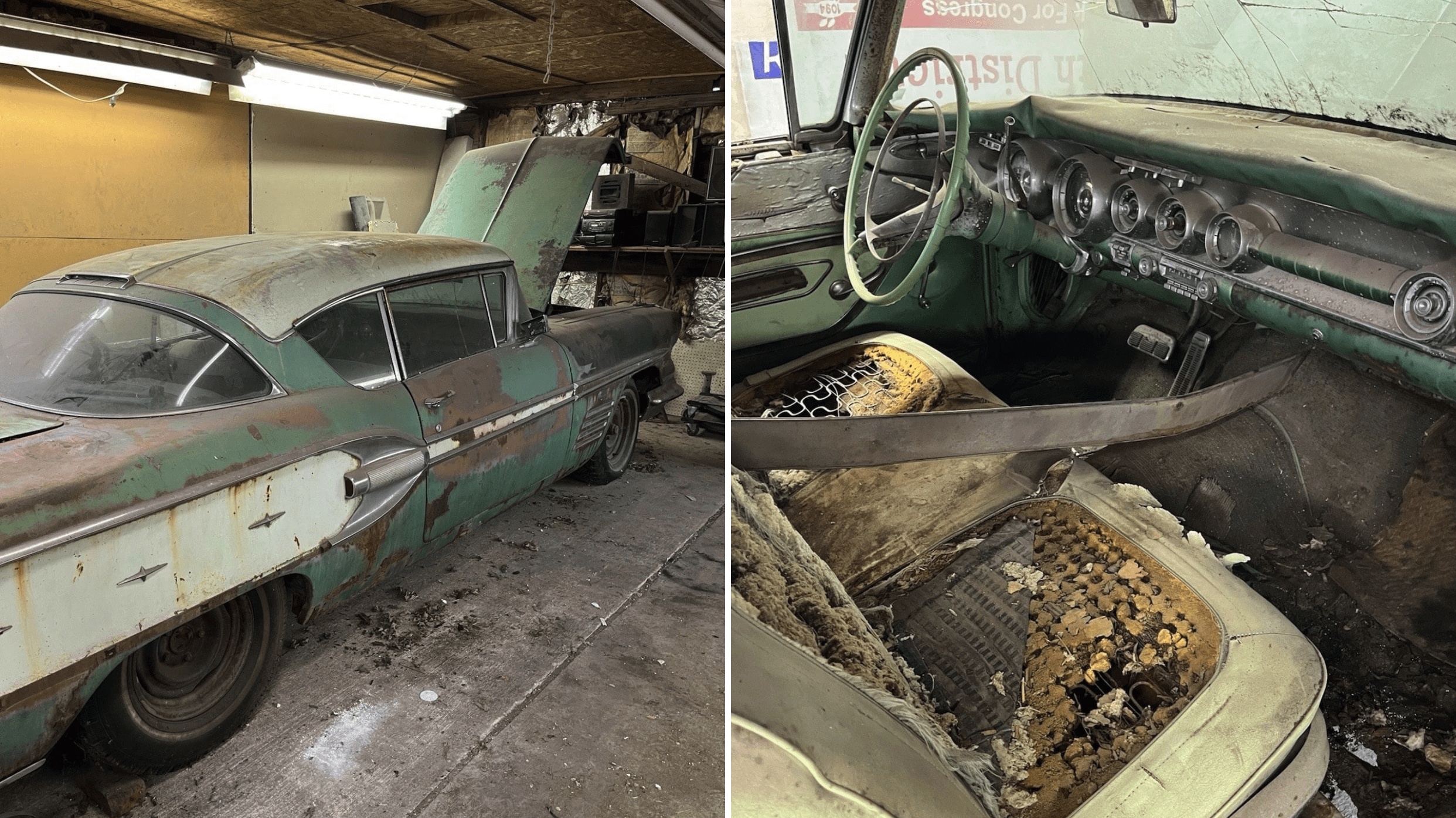
The key word here is “potential.” Many GTX project cars have spent decades exposed to the elements, resulting in rust, missing parts, and mechanical deterioration. However, the fundamental bones of these cars – the robust B-body platform, legendary engines, and distinctive styling – remain worth preserving for future generations.











Understanding the 1969 GTX: More Than Just a Road Runner with Options
Plymouth positioned the GTX as the “Gentlemen’s Express,” combining the performance of the Street Runner with luxury appointments that justified its premium pricing. The GTX was positioned to be an upscale model of the Road Runner by adding elements of luxury to performance, creating a unique niche in the muscle car market.
What Made the 1969 GTX Special
The 1969 model year brought subtle but important updates to the GTX formula:
Exterior Refinements:
- Updated grille design: More aggressive horizontal bars with integrated driving lights
- Revised rear styling: Cleaner taillights with better integration
- Distinctive striping: Dual horizontal “racing stripes” on the lower sides ending with a GTX emblem ahead of the rear wheel openings
- Premium trim: Higher-quality chrome and stainless steel details throughout
Interior Luxury:
- Standard bucket seats: Unlike the Road Runner’s bench seat option
- Full instrumentation: Complete gauge package with rally cluster
- Premium materials: Higher-grade upholstery and trim pieces
- Sound deadening: More insulation for quieter highway cruising
Performance Foundation:
- Standard big-block power: Standard was a 4-barrel 440 CID Super Commando V8 that produced 375 horsepower
- Heavy-duty drivetrain: When paired with the 727 TorqueFlite 3-speed automatic transmission and the Mopar 8.75 rear axle with Sure Grip differential, the GTX was a car that delivered police interceptor performance
- Upgraded suspension: Better handling components than base B-body models
Engine Options: The Heart of GTX Performance
The 1969 GTX’s engine lineup represented the pinnacle of Chrysler’s big-block development. The 1969 Plymouth GTX had the following engine options: V 8 (7210 cc | 440.0 cu in. | 7.2 L.) with 375 HP (276 KW) @ 4600 RPM · V 8 (6981 cc | 426.0 cu in. | 7.0 L.) with 425 HP (312.8 KW)
440 Super Commando: The Standard Bearer
The base 440 cubic inch RB big-block served as the foundation of GTX performance. This wasn’t a detuned economy engine – the 375 horsepower rating represented genuine high-performance capability that could embarrass supposedly more exotic machinery.
440 Four-Barrel Specifications:
- 375 horsepower at 4,600 RPM: Conservative rating that underestimated actual output
- 480 lb-ft of torque: Massive low-end pulling power for street dominance
- Carter AFB carburetor: Four-barrel fuel delivery optimized for performance
- Dual exhaust system: Aggressive sound and improved breathing
- Heavy-duty cooling: Seven-blade clutch fan for sustained high-speed operation
440 Six-Pack: Triple Carburetor Fury
Mid-year the “440-6″ option – three 2-barrel Holly carburetors on an Edelbrock aluminum manifold – rated at 390 HP was announced for the GTX and Road Runner. This exotic option represented the ultimate in naturally aspirated big-block performance.
440 Six-Pack Advantages:
- 390 horsepower: 15 more than the standard four-barrel
- Triple two-barrel setup: Progressive carburetor operation for drivability
- Aluminum intake manifold: Weight reduction and improved heat dissipation
- Distinctive appearance: Impressive under-hood visual impact
- Racing pedigree: Based on engines used in NASCAR competition
426 Hemi: The Ultimate Option
For buyers demanding maximum performance regardless of cost, Plymouth offered the legendary 426 Hemi V8. The 425 bhp, 426 cid Hemi V-8 with dual 4-barrel carburetors represented the pinnacle of street performance technology.
Hemi Specifications:
- 425 horsepower (conservative rating): Actual output likely exceeded 500 hp
- Hemispherical combustion chambers: Maximum breathing efficiency
- Dual four-barrel carburetors: Twin Carter AFB units for massive airflow
- Race-bred architecture: Directly descended from NASCAR and drag racing engines
- Investment potential: Hemi GTXs represent some of the most valuable muscle cars today
Transmission Options: Matching Power to Performance
The 1969 Plymouth GTX had the following gearbox options: 3 speed Automatic, 4 speed Manual. Each transmission offered distinct advantages for different driving preferences and performance applications.
TorqueFlite Automatic: Luxury and Reliability
The three-speed TorqueFlite automatic represented the most popular transmission choice for GTX buyers. This proven unit offered:
- Smooth operation: Refined shifting characteristics for highway cruising
- Durability: Heavy-duty construction capable of handling big-block torque
- Performance tuning: Optimized shift points for maximum acceleration
- Convenience: Perfect for daily driving and stop-and-go traffic
Four-Speed Manual: Maximum Performance
Enthusiasts seeking ultimate control opted for the four-speed manual transmission. This Hurst-shifted unit provided:
- Close-ratio gearing: Optimized ratios for maximum acceleration
- Positive engagement: Precision shifter with solid gate feel
- Weight advantage: Lighter than automatic for improved performance
- Driver involvement: Full control over engine rpm and power delivery
Project Car Reality: What to Expect When Restoring a 1969 GTX
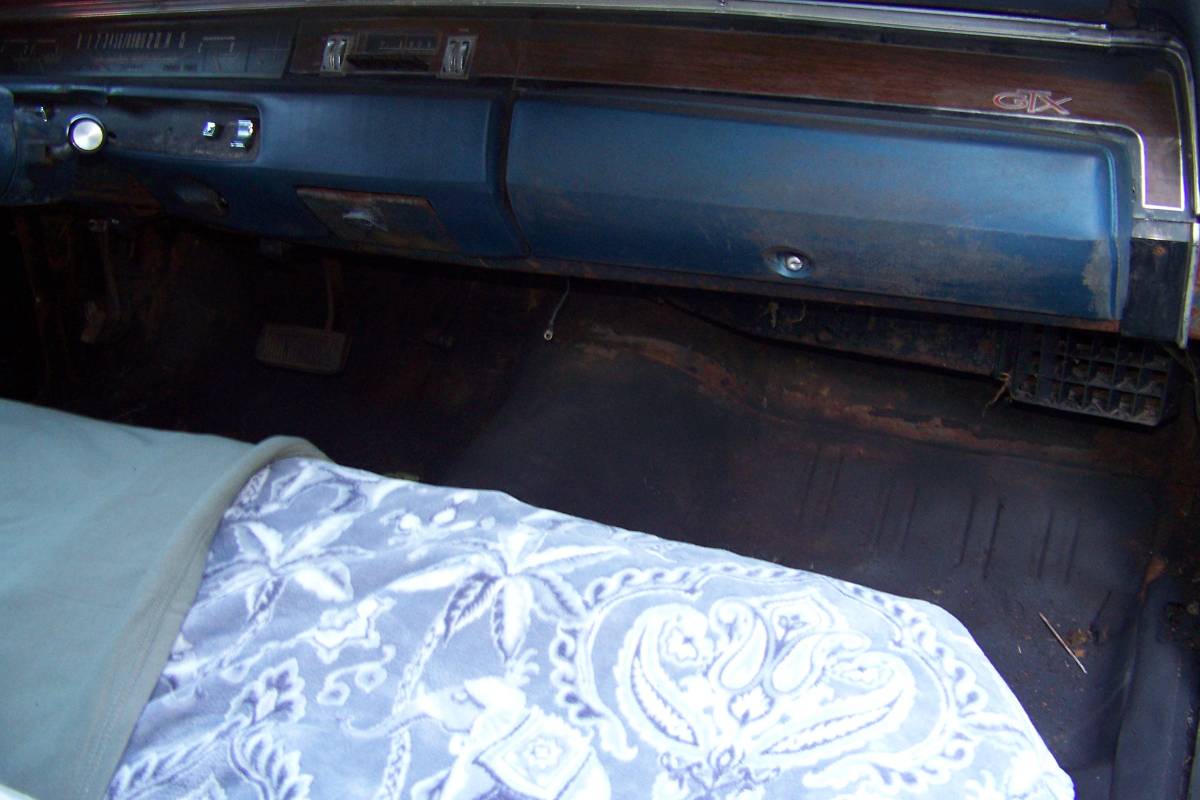
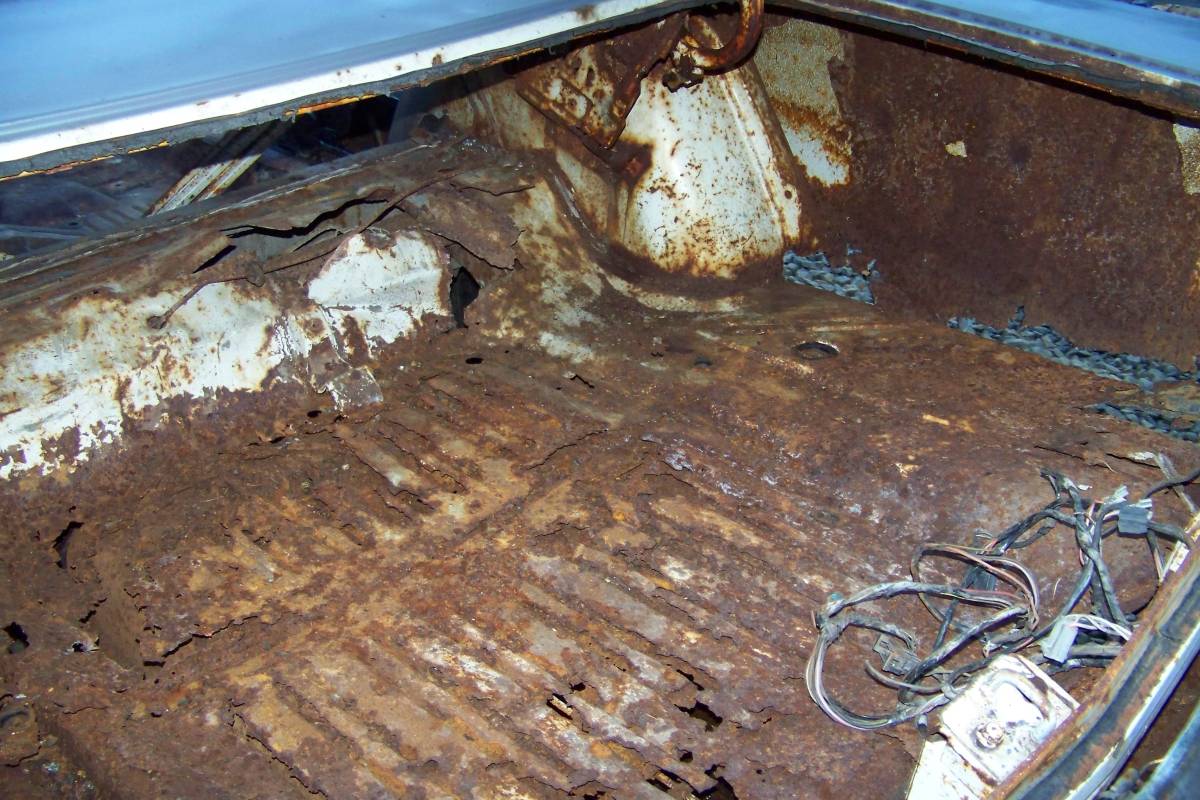
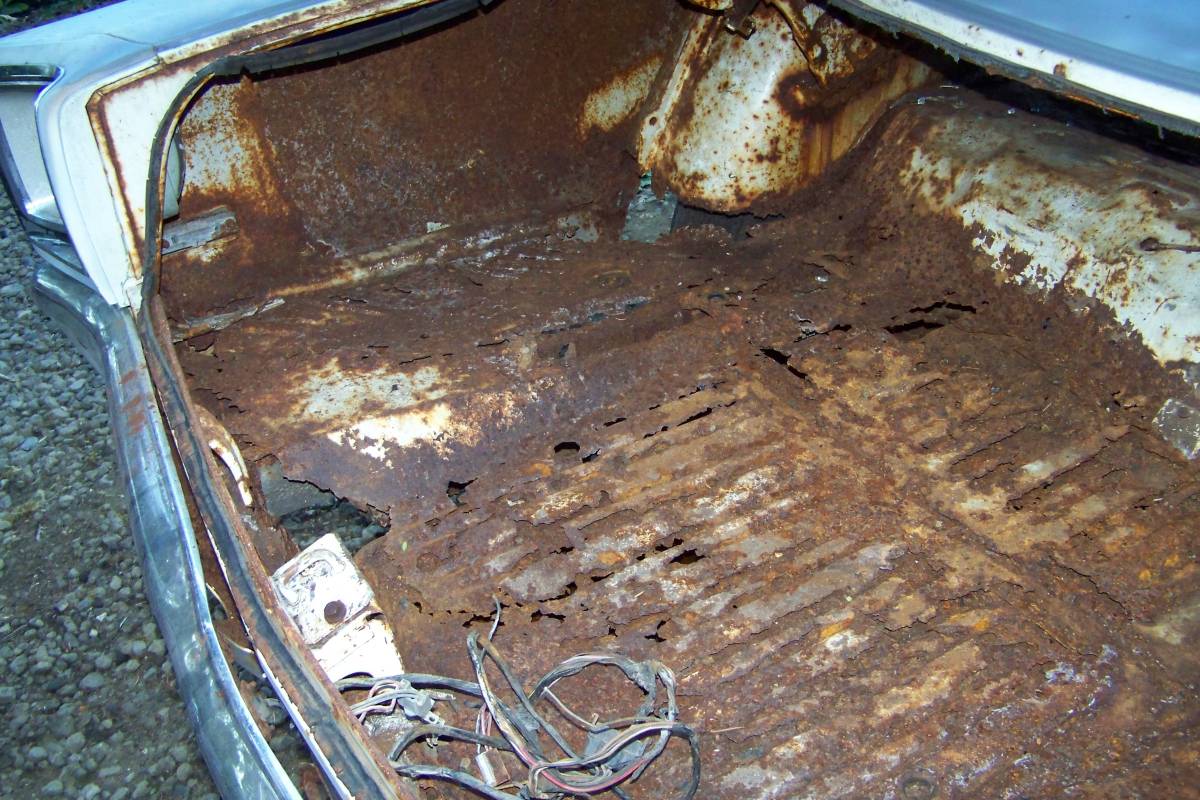
Restoring a 1969 Plymouth GTX project car requires realistic expectations, significant investment, and considerable expertise. Most project cars have been sitting for decades, often outdoors, resulting in comprehensive deterioration that extends far beyond surface rust and faded paint.
Common Problem Areas
Body and Structure:
- Rear quarter panels: Notorious rust areas, especially around wheel wells
- Floor pans: Check for rust-through in foot wells and trunk areas
- Door frames: Unibody construction makes structural integrity critical
- Rocker panels: Hidden rust can compromise entire body structure
- Trunk floor: Often overlooked but expensive to repair properly
Engine and Drivetrain:
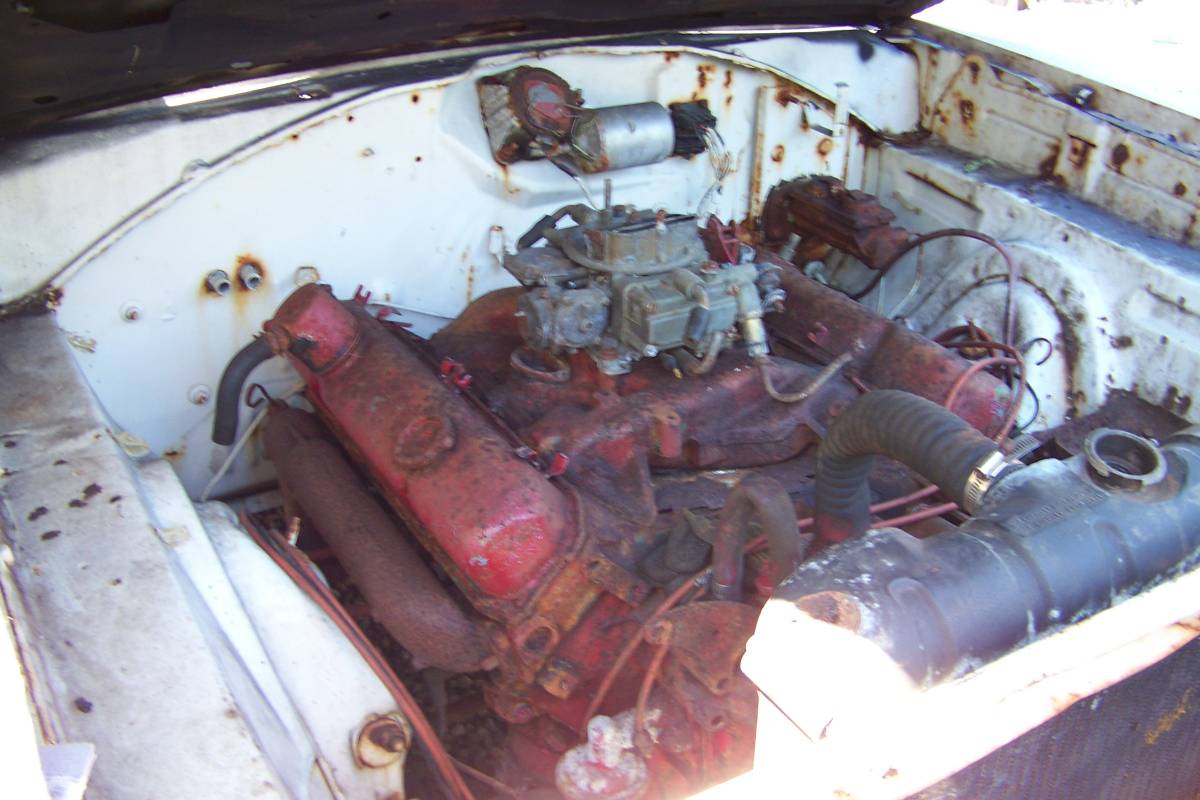
- Internal wear: Decades of sitting often results in seized engines
- Cooling system: Corroded radiators and frozen water pumps
- Fuel system: Contaminated tanks and deteriorated fuel lines
- Transmission condition: Automatic units often require complete rebuilds
- Rear axle issues: Differential wear and axle seal leaks
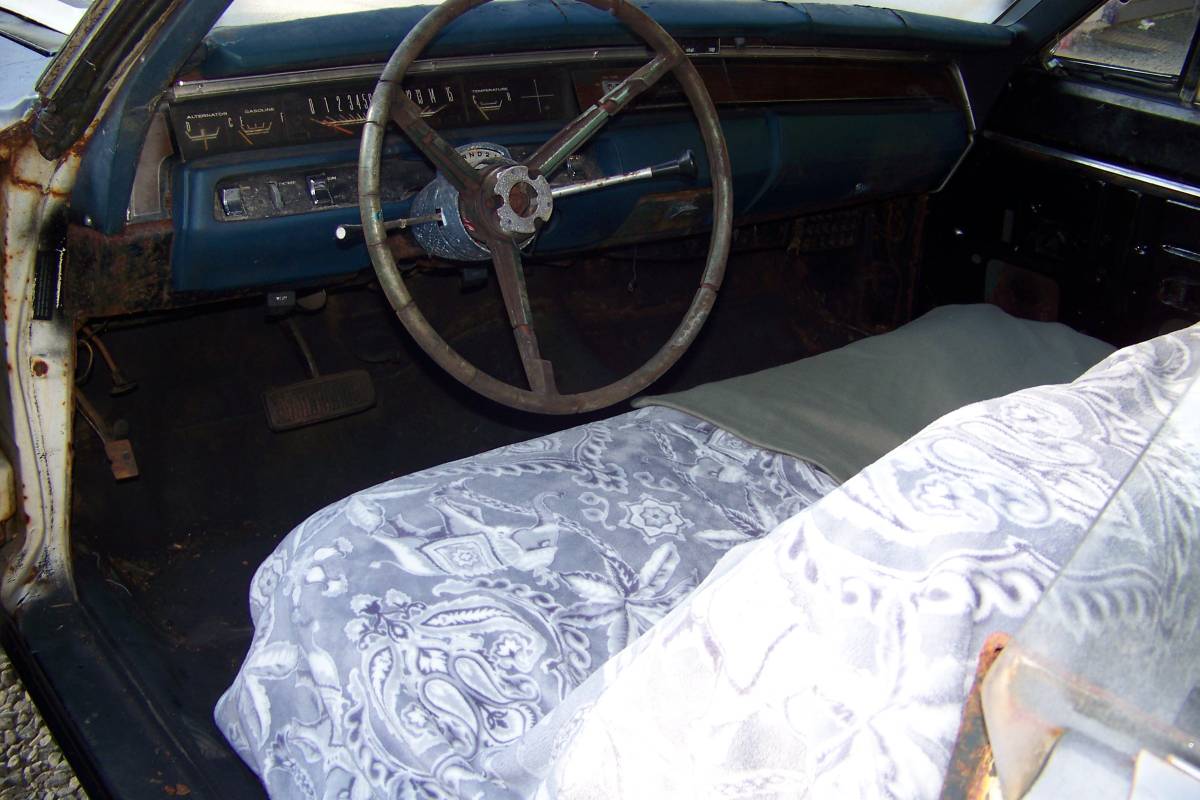
Interior Deterioration:
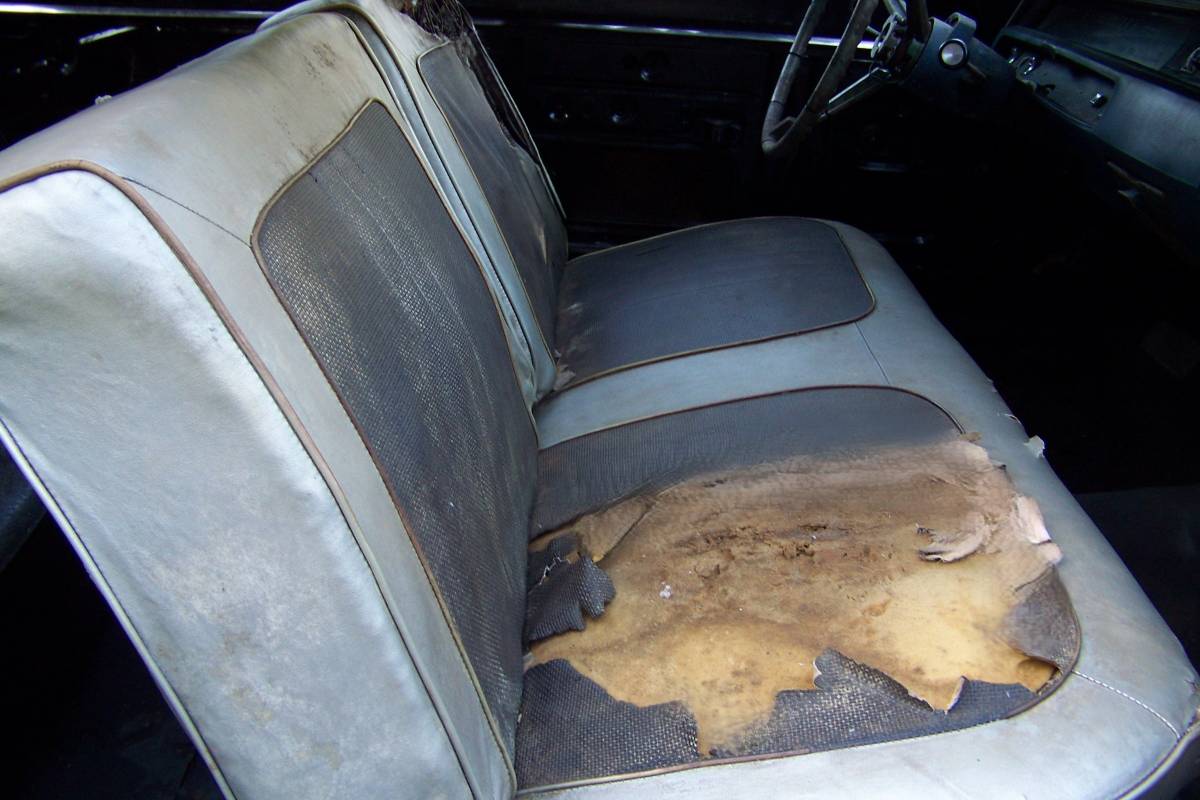
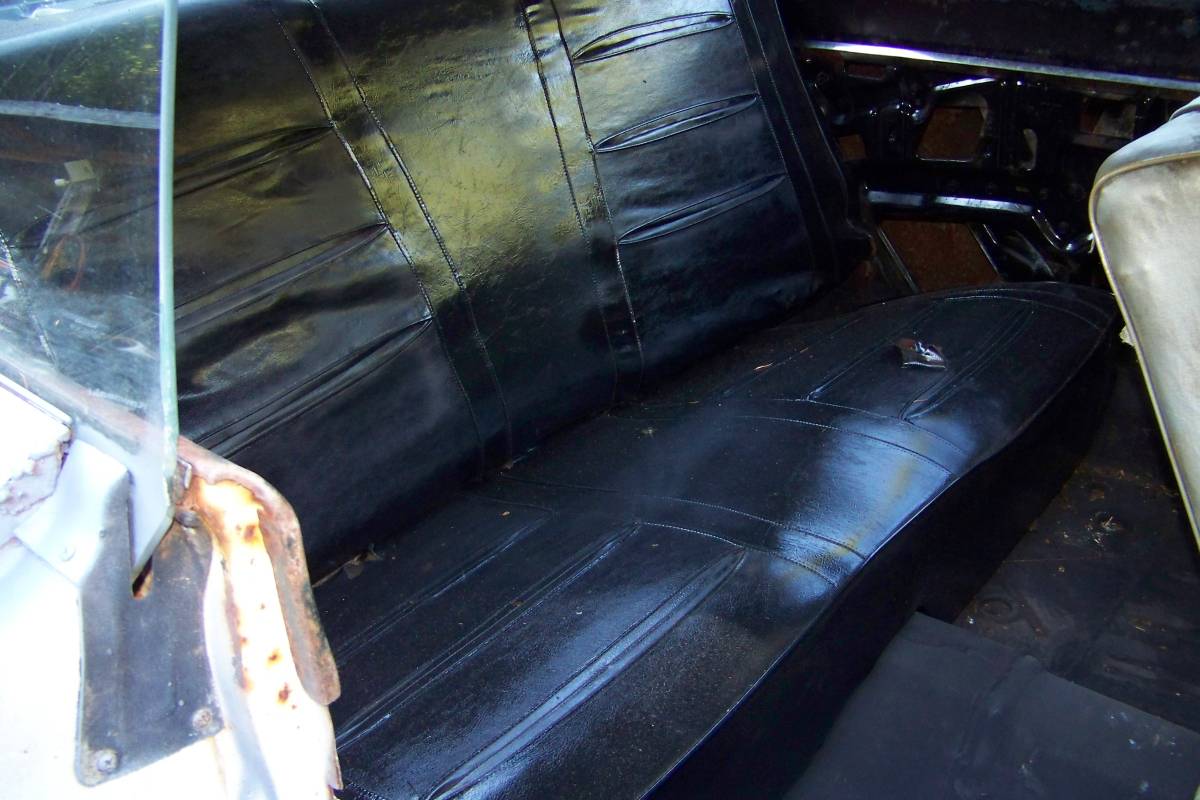
- Seat condition: Vinyl often cracked and foam deteriorated
- Dashboard cracks: Metal dashes prone to stress fractures
- Door panels: Trim pieces missing or severely damaged
- Carpet replacement: Original materials rarely salvageable
- Headliner condition: Usually requires complete replacement
Parts Availability Challenges
Unlike popular models like the Camaro or Mustang, 1969 GTX restoration parts can be challenging to source. The car’s relatively low production numbers mean limited aftermarket support compared to higher-volume muscle cars.
Available Reproduction Parts:
- Body panels: Quarter panels, floor pans, and fenders available
- Interior components: Seat covers, door panels, and carpet sets
- Engine parts: Good support from performance aftermarket
- Exterior trim: Some chrome pieces reproduced, others require restoration
- Glass: Windshields available, side glass more challenging
Hard-to-Find Components:
- GTX-specific trim: Emblems, badges, and unique brightwork
- Interior trim pieces: Door handles, knobs, and switches
- Convertible top mechanisms: Extremely rare and expensive
- Original date-coded parts: Numbers-matching components for authenticity
- Factory documentation: Build sheets and broadcast sheets
Investment Potential: Understanding Current Market Values
The 1969 Plymouth GTX market reflects both the car’s performance credentials and relative rarity compared to more common muscle cars. The most recent sale of the 1969 Plymouth GTX was in January of 2025 at Mecum: Kissimmee where it sold for $67,100.00 (USD).
Market Value Factors
Positive Influences:
- Engine authenticity: Numbers-matching big-blocks significantly increase value
- Rare options: Six-Pack engines, four-speed transmissions, convertible tops
- Documentation: Build sheets, broadcast sheets, and ownership history
- Completeness: Cars with all major components present command premiums
- Restoration quality: Professional restorations justify higher asking prices
Value Detractors:
- Rust damage: Extensive bodywork requirements reduce profitability
- Missing drivetrain: Cars without original engines lose significant value
- Poor modifications: Non-reversible changes decrease collector appeal
- Incomplete projects: Half-finished restorations often cost more than complete cars
- Reproduction overuse: Cars with excessive repro parts lack authenticity
Investment Outlook
The 1969 GTX benefits from several positive market trends:
- Rarity appreciation: Low production numbers becoming increasingly important
- Luxury muscle recognition: Collectors appreciating GTX’s unique market position
- B-body platform strength: Shared components with Charger and Road Runner
- Engine desirability: 440 and Hemi engines remain highly sought after
- Generational collecting: Baby boomers driving classic car values
Restoration Strategy: Building a Roadmap to Success
Successful GTX restoration requires careful planning, realistic budgeting, and professional expertise. The difference between a rewarding project and an expensive nightmare often comes down to proper preparation and honest assessment of the car’s condition.
Pre-Purchase Evaluation
Structural Assessment:
- Professional inspection: Have qualified restorer evaluate structural integrity
- Documentation verification: Confirm authenticity through VIN and fender tags
- Parts inventory: Catalog all present components and identify missing pieces
- Cost estimation: Develop realistic budget including all restoration phases
- Timeline planning: Understand that quality restorations take years, not months
Restoration Phases
Phase 1: Disassembly and Assessment
- Complete documentation: Photograph everything before disassembly
- Parts cataloging: Organize and label all components for reassembly
- Hidden damage discovery: Uncover rust and structural issues
- Machine shop evaluation: Professional assessment of engine and transmission
- Budget refinement: Adjust costs based on actual condition findings
Phase 2: Bodywork and Paint
- Structural repairs: Address all rust and accident damage
- Panel replacement: Install new quarters, floors, and other major components
- Body alignment: Ensure proper fit and finish for all panels
- Paint preparation: Multiple primer and block sanding stages
- Color application: Period-correct paints and finishes
Phase 3: Drivetrain Restoration
- Engine rebuild: Complete teardown and professional machine work
- Transmission service: Rebuild to original specifications
- Rear axle restoration: Rebuild differential and install new axles
- Cooling system: New radiator, water pump, and hoses
- Fuel system: Tank restoration and new delivery components
Phase 4: Interior and Final Assembly
- Interior installation: New seat covers, carpet, and trim pieces
- Dashboard restoration: Repair cracks and install new components
- Window installation: New weatherstripping and glass as needed
- Final assembly: Careful attention to original specifications
- Testing and debugging: Comprehensive systems checkout
Cost Considerations
A complete, professional restoration of a 1969 GTX can easily exceed $75,000-$100,000, making it essential to start with the most complete, solid car available. Project cars in poor condition rarely justify the restoration expense unless they have exceptional rarity (Hemi engine, convertible top) or documented provenance.
Budget Breakdown (Estimated):
- Bodywork and paint: $25,000-$40,000
- Engine rebuild: $8,000-$15,000
- Interior restoration: $5,000-$10,000
- Chrome and trim: $3,000-$8,000
- Miscellaneous parts: $5,000-$15,000
- Labor costs: $20,000-$40,000
The Collector’s Perspective: Why the 1969 GTX Deserves Recognition
The 1969 Plymouth GTX occupies a unique position in muscle car history. Unlike the stripped-down Road Runner or the luxury-focused Fury, the GTX successfully bridged the gap between performance and refinement. This positioning, which limited sales when new, makes surviving examples increasingly valuable to collectors seeking alternatives to mainstream muscle cars.
Historical Significance
- Luxury muscle pioneer: Established the template for premium performance cars
- B-body evolution: Showcased the versatility of Chrysler’s midsize platform
- Big-block showcase: Demonstrated the potential of 440 and Hemi engines
- Market positioning: Proved that buyers wanted refined performance, not just raw power
- Design milestone: Representative of peak muscle car styling and engineering
Why Collectors Choose GTX Project Cars
Exclusivity: With only 14,902 hardtops and 700 convertibles produced, ownership guarantees rarity Performance potential: Even base 440 engines deliver genuine muscle car acceleration Investment upside: Undervalued compared to more common muscle cars Restoration satisfaction: Transform a forgotten classic into a show-quality masterpiece Driving experience: Enjoy luxury appointments alongside devastating performance
Finding Your 1969 GTX Project Car
Successful project car hunting requires patience, persistence, and realistic expectations. The best GTX project cars often surface through word-of-mouth, estate sales, and specialized classic car networks rather than mainstream advertising channels.
Where to Look
Traditional Sources:
- Classified advertising: Hemmings, AutoTrader Classics, and local papers
- Auction houses: Barrett-Jackson, Mecum, and regional auction companies
- Car shows and swap meets: Networking with other Mopar enthusiasts
- Online forums: Plymouth GTX and Mopar-specific discussion groups
- Social media: Facebook groups and Instagram accounts focused on muscle cars
Unconventional Sources:
- Estate sales: Families liquidating deceased collector’s assets
- Barn find networks: Specialized searchers who locate forgotten classics
- Insurance total losses: Cars damaged but potentially salvageable
- Mechanic shop connections: Cars abandoned at repair facilities
- Rural exploration: Direct contact with property owners in farming communities
Red Flags to Avoid
Structural Concerns:
- Extensive rust damage: Repair costs often exceed car values
- Accident damage: Frame straightening rarely returns to original strength
- Previous fire damage: Hidden electrical and interior issues
- Flood exposure: Corrosion in unexpected locations
- Missing major components: Engines, transmissions, and rear axles
Documentation Issues:
- VIN tampering: Evidence of number alterations or removal
- Title problems: Liens, salvage history, or ownership disputes
- Questionable provenance: Stories that don’t match physical evidence
- Missing fender tags: Makes authentication and restoration more difficult
- Clone car representation: Tempest or Satellite passed off as authentic GTX
The Bottom Line: Preserving American Muscle Car Heritage
Every 1969 Plymouth GTX project car represents a piece of American automotive history that deserves preservation. Whether sitting in primer with a seized engine or hidden under decades of dust in a barn, these cars embody the peak of domestic performance engineering and luxury refinement.
The decision to tackle a GTX restoration shouldn’t be made lightly. It requires significant financial investment, considerable time commitment, and access to specialized knowledge and skills. However, for those who appreciate the GTX’s unique position in muscle car history and possess the resources to complete a proper restoration, few projects offer greater satisfaction.
The 1969 Plymouth GTX wasn’t just another muscle car – it was Plymouth’s attempt to prove that American performance could be refined without sacrificing excitement. Today, as these cars become increasingly rare, each successful restoration ensures that future generations can experience the luxury muscle car philosophy that made the GTX special.
Whether you’re drawn to the standard 440’s reliable power, the exotic Six-Pack’s triple-carburetor fury, or the legendary Hemi’s race-bred brutality, the 1969 GTX rewards those bold enough to see past surface deterioration to the classic car treasure beneath. The question isn’t whether the 1969 Plymouth GTX deserves preservation – it’s whether you’re ready to be part of keeping American muscle car heritage alive.