When Rarity Doesn’t Equal Desirability: The Base Model GTO Paradox
Not all rare classic cars command premium prices or generate collector excitement. Sometimes a vehicle becomes rare simply because nobody wanted it when new, and even fewer enthusiasts appreciate it today. The 1969 Pontiac GTO equipped with the base 265-horsepower two-barrel 400 V8 represents exactly this paradox – genuine rarity born from market rejection rather than performance excellence.
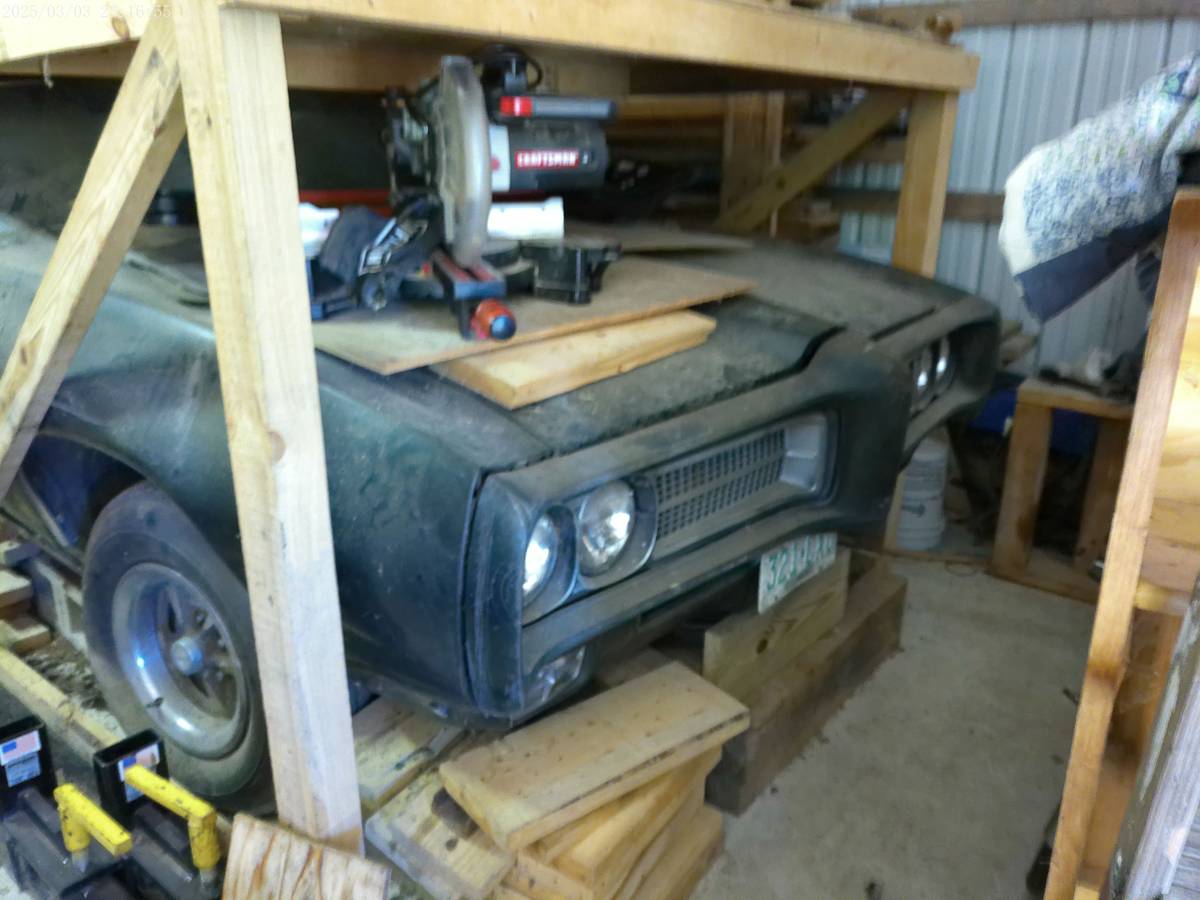
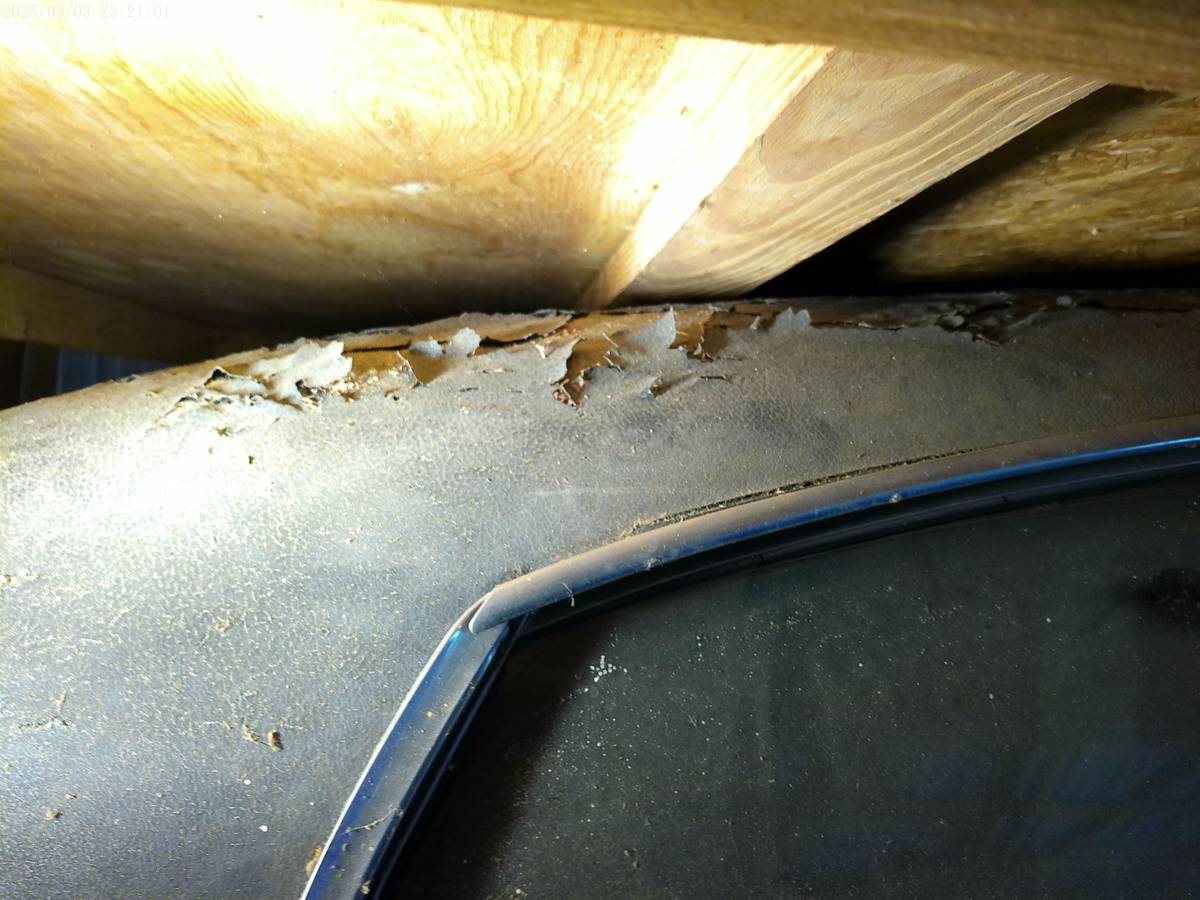
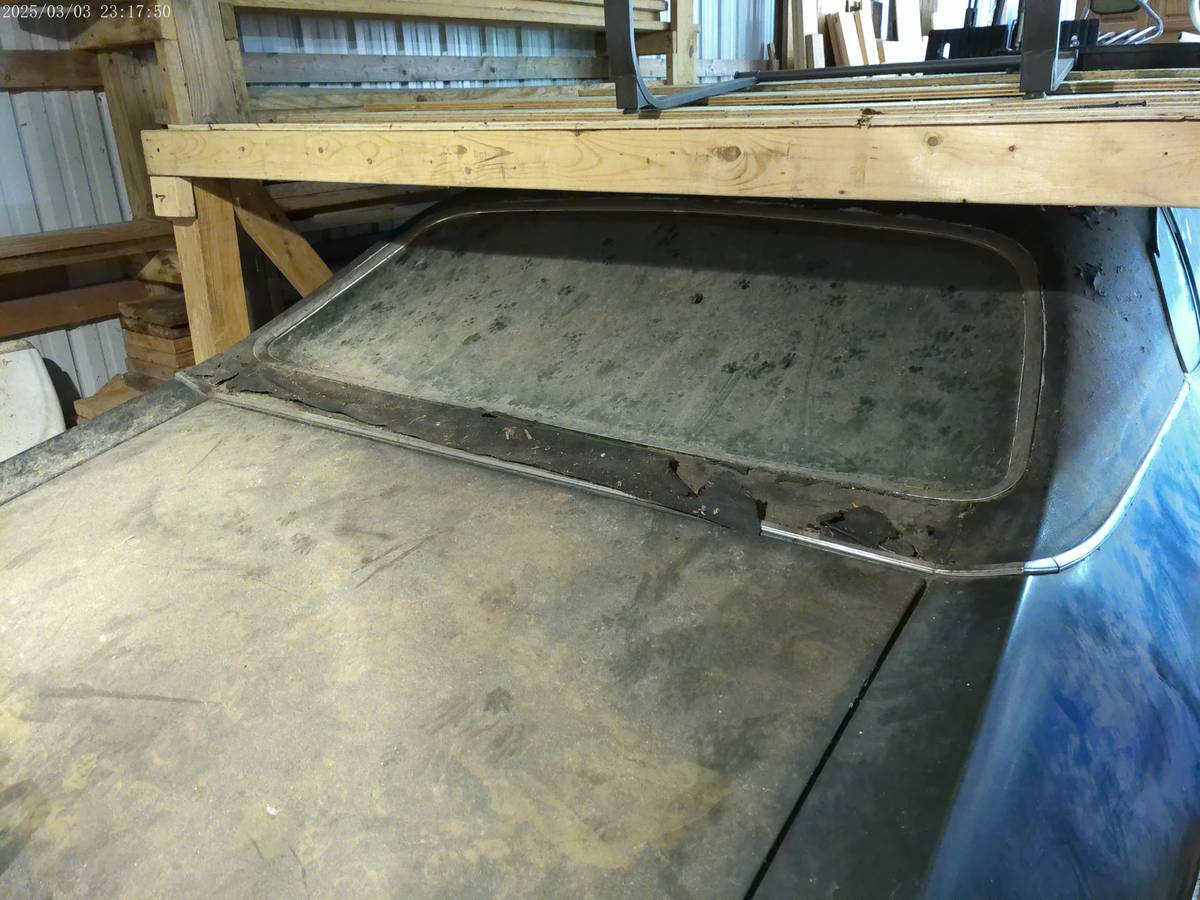
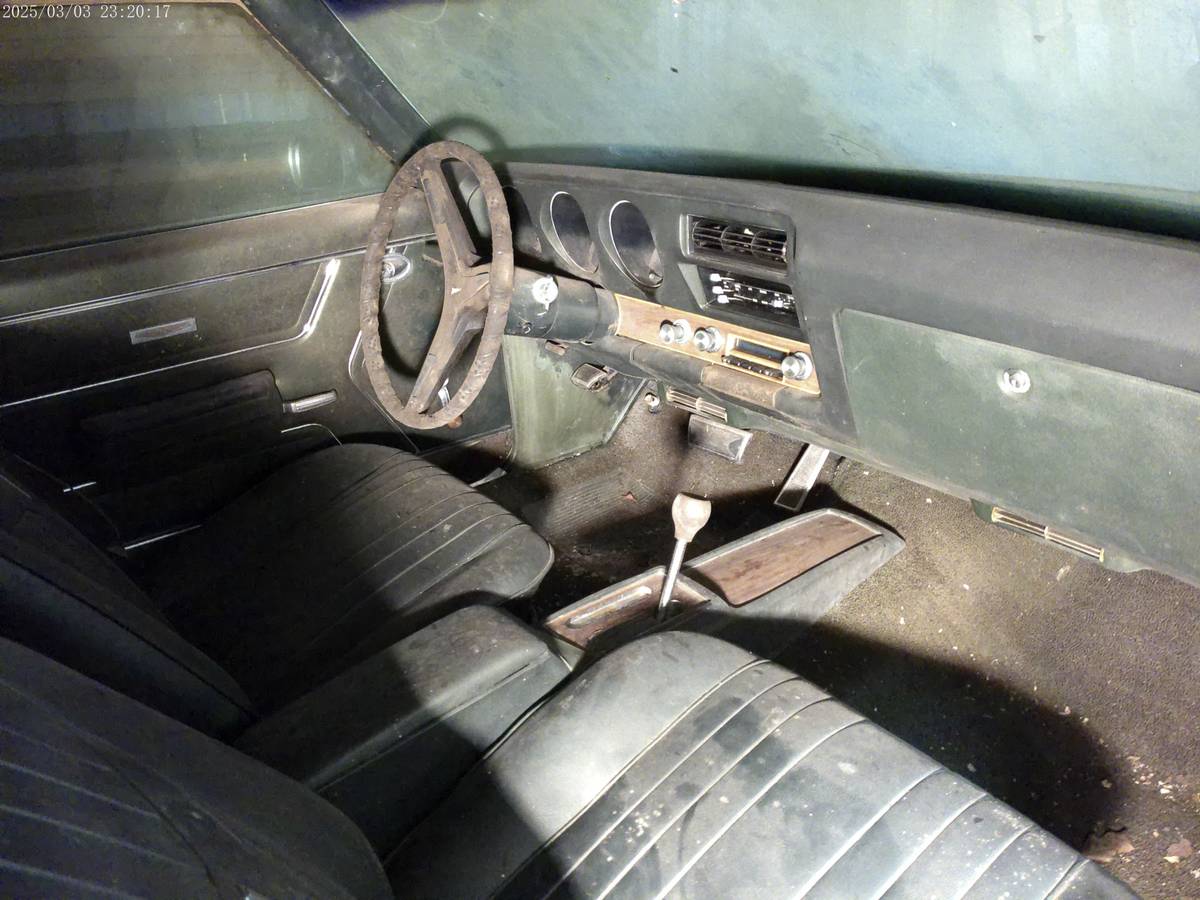
This makes a 265-horsepower 1969 GTO fairly rare today. The specimen in these photos is fitted with this engine, and like most of the siblings shipped with the “lazier” V8, it sports an automatic transmission. While Judge models and Ram Air variants generate six-figure values and enthusiastic bidding wars, these economy-minded GTOs sit forgotten in barns and garages, struggling to find buyers even at bargain prices.
For collectors seeking alternatives to overpriced mainstream muscle cars, these forgotten base-model GTOs present interesting opportunities. They offer authentic GTO provenance, solid construction, and the potential for transformation – all at prices that won’t require second mortgages. The question is whether today’s enthusiasts can see past the pedestrian specifications to recognize the genuine muscle car potential beneath.
Understanding 1969 GTO Production: A Declining Market
The 1969 model year marked a critical turning point for Pontiac’s legendary GTO. Sales were down to 40,149, of which 3,797 were the Judge, representing a dramatic decline from the model’s mid-1960s peak when annual production exceeded 96,000 units.
Market Forces Driving Decline
Rising Insurance Costs:
- Age restrictions: Many insurers refused coverage for young drivers
- Premium increases: Performance car rates doubled or tripled base rates
- Policy limitations: Restrictive terms and high deductibles discouraged buyers
- Market contraction: Rising costs drove younger buyers toward economy cars
- Parent concerns: Families discouraged children from high-performance purchases
Competition Intensification:
- Plymouth Road Runner: Budget muscle undercut GTO pricing significantly
- Dodge Super Bee: Similar value proposition to Road Runner
- Chevrolet Chevelle SS: Corporate cousin offered comparable performance
- Ford Torino Cobra: Blue oval muscle invaded GTO territory
- AMC Machine: Even American Motors entered performance market
The Base Model Strategy
Facing declining sales and changing market conditions, Pontiac offered multiple GTO engine options designed to appeal to different buyer segments. The base two-barrel 400 V8 targeted budget-conscious buyers who wanted GTO image without high-performance pricing or insurance penalties.
Base Engine Logic:
- Lower insurance rates: Two-barrel designation reduced premium costs
- Reduced initial price: Less expensive than four-barrel and Ram Air options
- Adequate performance: Still delivered respectable muscle car acceleration
- Daily drivability: More tractable than high-strung performance engines
- Fuel economy: Better mileage for owners concerned about operating costs
Engine Hierarchy: From Economy to Exotic
The 1969 GTO offered one of the most comprehensive engine lineups in muscle car history, with options ranging from the base two-barrel to the legendary Ram Air IV.
The 265 HP Two-Barrel 400: Base Power
The entry-level 400 cubic inch V8 featured a modest two-barrel carburetor and conservative tuning that prioritized reliability and economy over maximum performance.
Two-Barrel Specifications:
- 265 horsepower: Adequate but unremarkable for 1969 muscle car
- Two-barrel carburetor: Simple, reliable fuel delivery system
- Conservative camshaft: Smooth idle and broad torque curve
- Standard internals: Production-grade pistons and connecting rods
- Dual exhaust: Distinctive GTO sound despite modest power
Market Reality:
- Limited production: Few buyers chose base engine voluntarily
- Insurance motivation: Most two-barrel orders driven by premium costs
- Automatic pairing: Usually coupled with TurboHydramatic transmission
- Current rarity: Survivors uncommon due to low initial production
- Collector indifference: Minimal enthusiasm among GTO enthusiasts
The 350 HP Four-Barrel 400: Standard Performance
The standard four-barrel 400 represented the GTO’s mainstream engine option, offering substantially better performance than the two-barrel while avoiding the high-strung nature of Ram Air engines.
Four-Barrel Advantages:
- 350 horsepower: Genuine muscle car performance capability
- Rochester Quadrajet: Excellent drivability and fuel economy when cruising
- Broad torque curve: Strong acceleration across entire RPM range
- Production durability: Capable of daily driver duty
- Parts availability: Excellent support from aftermarket suppliers
The Ram Air Options: Maximum Performance
For buyers demanding ultimate performance, Pontiac offered two Ram Air variants that transformed the GTO’s character completely. The Judge could be had with either the standard 366 horsepower L74 Ram Air III V8 or the optional L67 Ram Air IV with 370 horses.
Ram Air III:
- 366 horsepower: Conservative rating understated actual output
- Free-flowing heads: Improved breathing for maximum power
- Performance camshaft: Aggressive valve timing and duration
- Cold air induction: Functional hood scoops fed fresh air to engine
- Judge standard: Included with The Judge package for 1969
Ram Air IV:
- 370 horsepower: Genuine race-bred performance
- Round-port heads: Maximum flow for competition use
- Radical camshaft: Rough idle and narrow powerband
- Forged internals: Heavy-duty components for maximum durability
- Extreme rarity: Of those 3,797 cars built in the Judge trim level, only 168 were ordered in the convertible form
The Judge: GTO’s Last Great Performance Package
The Judge represented Pontiac’s response to declining GTO sales and the success of Plymouth’s budget-focused Road Runner. “The Judge” was an options package that was only available for 1969 Pontiac GTOs. It was introduced to try and reverse the declining sales trend.
Judge Package Contents
Performance Components:
- Ram Air III standard: 366 horsepower high-performance engine
- Special exhaust: Chambered mufflers with distinctive sound
- Heavy-duty suspension: Upgraded springs, shocks, and sway bars
- Performance axle: Higher numerical gear ratios for acceleration
- Handling improvements: Stiffer bushings and reinforced mounting points
Visual Distinctiveness:
- Orbit Orange paint: Eye-catching color exclusive to early Judges
- Stripe package: Distinctive graphics and “The Judge” decals
- Rear spoiler: Functional aerodynamic enhancement and visual impact
- Judge emblems: Special badging throughout interior and exterior
- Unique wheels: Rally II wheels with trim rings and center caps
Judge Production and Values
The 1969 Pontiac GTO Judge is the most common, with more than 6,800 units made, but only a few cars were finished in this gold paint. Despite being the “most common” Judge, these represent a tiny fraction of total GTO production and command substantial premium pricing today.
Judge Market Values:
- Ram Air III hardtop: $75,000-$125,000 depending on condition
- Ram Air IV hardtop: $150,000-$250,000+ for exceptional examples
- Convertibles: Extreme rarity drives values well above hardtops
- Documented survivors: Original, unrestored examples command premiums
- Restoration quality: Professional work justifies premium pricing
The Forgotten GTO Reality: Base Models Nobody Wanted
While Judge models and Ram Air variants generate headlines and auction excitement, the base-model GTOs with two-barrel engines and automatic transmissions sit neglected in storage, often discovered decades later in various states of deterioration.
Why Base Models Get Forgotten
Initial Purchase Motivations:
- Insurance requirements: Parents mandating economy engines for young drivers
- Budget constraints: Buyers who wanted GTO image without performance pricing
- Daily driver priority: Owners seeking reliable transportation over performance
- Fuel economy concerns: Gas mileage considerations in early 1970s
- Resale considerations: Some buyers avoiding high-performance stigma
Long-Term Neglect Factors:
- Performance disappointment: Owners expecting more from GTO nameplate
- Parts car status: High-performance GTOs cannibalized base models
- Restoration economics: Costs often exceed finished value for base engines
- Collector indifference: Enthusiasts focus on four-barrel and Ram Air cars
- Project abandonment: Restorations started but never completed
The Barn Find Pattern
The seller’s car, which has been buried for 35 years, appears to be one of them. Located in a tight indoor space in Batavia, Ohio, this odd performance car is a total restoration project, available here on Facebook Marketplace for $8,200.
This discovery pattern repeats throughout the GTO community – base-model cars stored decades ago, forgotten as more desirable variants commanded attention and restoration budgets. These survivors emerge with:
Common Characteristics:
- Long-term storage: Often 20-40 years in barns or garages
- Original configuration: Unmolested by modification or restoration attempts
- Complete inventory: All major components typically present
- Extensive deterioration: Decades of inactivity create comprehensive service needs
- Low asking prices: Often under $10,000 for complete project cars
Restoration Economics: The Hard Truth About Base GTOs
Successfully restoring a forgotten base-model 1969 GTO requires realistic understanding of both costs and finished values. Unlike Judge models or Ram Air variants, base GTOs face challenging economic realities.
Cost Analysis Framework
Initial Investment ($5,000-$12,000):
- Purchase price: Typical range for base-model project cars
- Transportation: Trailer rental and logistics for non-running vehicles
- Initial assessment: Professional evaluation of condition and authenticity
- Parts inventory: Cataloging existing components and identifying needs
- Documentation research: Verifying specifications and original equipment
Mechanical Restoration ($8,000-$18,000):
- Engine rebuild: Two-barrel 400 restoration to factory specifications
- Transmission overhaul: TurboHydramatic automatic rebuild
- Rear axle service: Differential rebuild and seal replacement
- Fuel system restoration: Tank cleaning, line replacement, carburetor rebuild
- Brake system: Complete hydraulic system replacement for safety
- Cooling system: Radiator service, water pump, hoses, and thermostat
- Exhaust system: Complete dual exhaust installation
Body and Paint ($12,000-$30,000):
- Rust repair: Address typical GTO problem areas in floor pans and quarters
- Body alignment: Ensure proper panel fit and door operation
- Paint preparation: Extensive bodywork, sanding, and primer application
- Professional painting: Base coat/clear coat for durability and appearance
- Chrome restoration: Bumper re-plating and trim piece refurbishment
- Weatherstripping: Complete seal replacement for proper fit
Interior Restoration ($5,000-$12,000):
- Seat restoration: Reupholstery or replacement of damaged components
- Dashboard service: Pad replacement and instrument restoration
- Door panel renewal: Reproduction or restoration of interior trim
- Carpet installation: Complete floor covering replacement
- Headliner: New material and professional installation
- Trim pieces: Interior hardware, knobs, and switches
Total Investment Range: $30,000-$72,000
Finished Value Reality
Base Model GTO Market Values:
- Driver quality: $25,000-$35,000 for presentable, roadworthy cars
- Excellent condition: $35,000-$50,000 for properly restored examples
- Show quality: $50,000-$70,000 for concours-level restorations
- Four-barrel premium: Additional $5,000-$10,000 for four-barrel cars
- Ram Air values: $75,000-$250,000+ depending on variant and condition
Financial Reality: For base-model GTOs with two-barrel engines, total restoration costs of $30,000-$72,000 combined with finished values of $25,000-$70,000 create scenarios where negative financial returns are likely. Most restorations will not recover their total investment from purely market value perspectives.
The Transformation Option: Engine Upgrades and Modifications
Many restorers facing base-model GTO economics choose to upgrade powerplants during restoration, transforming economy GTOs into more desirable four-barrel or Ram Air configurations.
Upgrade Considerations
Engine Swap Benefits:
- Increased value: Four-barrel and Ram Air cars command premium pricing
- Better performance: Substantial improvement in acceleration and drivability
- Enhanced enjoyment: More exciting ownership experience
- Market appeal: Easier resale if selling becomes necessary
- Investment justification: Higher finished values better support restoration costs
Authentication Concerns:
- Numbers matching: Original engine swaps destroy matching-numbers status
- Documentation impact: Non-original powertrains reduce historical value
- Ethical considerations: Representing upgraded cars as original variants
- Market transparency: Honest disclosure essential for maintaining credibility
- Future implications: Collector preferences may shift toward originality
The Honest Tribute Approach
For base-model GTOs requiring comprehensive restoration, honest tribute builds offer viable alternatives to expensive original restorations:
Tribute Strategy:
- Performance enhancement: Install four-barrel or Ram Air engine from donor car
- Transparency: Full disclosure of modifications and component sources
- Quality execution: Professional-level work maintaining GTO standards
- Affordable enjoyment: Create exciting driver without matching-numbers premium
- Market reality: Tribute GTOs often sell for reasonable prices relative to investment
Parts Availability and Resources
Successfully restoring a 1969 GTO requires access to comprehensive parts sources covering both mechanical components and body panels.
Mechanical Components
Engine Parts:
- 400 rebuild kits: Complete packages for all engine variants
- Performance upgrades: Extensive options for power increases
- Carburetor restoration: Rebuild kits for two-barrel and four-barrel units
- Ignition systems: Points, electronic, and performance distributors
- Cooling components: Radiators, water pumps, and related parts
Drivetrain and Chassis:
- TurboHydramatic rebuilds: Complete overhaul kits and replacement units
- Manual transmission: Four-speed rebuild kits for original manuals
- Rear axle service: Gears, carriers, and axle shaft components
- Suspension parts: Complete front and rear suspension rebuild kits
- Brake systems: Disc brake conversions and drum brake restoration
Body and Interior
Sheet Metal and Panels:
- Floor pans: Complete replacement sections for typical rust areas
- Quarter panels: Full and partial replacement options
- Doors and fenders: New and used original equipment
- Trunk floors: Complete replacement panels for water damage
- Bumpers: Re-chroming services and replacement options
Interior Components:
- Seat covers: Multiple material and color options for all trim levels
- Door panels: Reproduction panels for most configurations
- Carpet sets: Complete interior floor covering kits
- Dashboard pads: Reproduction pads for cracked originals
- Trim pieces: Interior hardware, emblems, and switches
The Bottom Line: Understanding “Rare” Doesn’t Always Mean Valuable
The forgotten 1969 Pontiac GTO with base two-barrel engine represents an important lesson in classic car collecting: rarity alone doesn’t guarantee value or desirability. These cars are rare precisely because nobody wanted them when new, and that market rejection continues today despite their genuine scarcity.
From purely financial perspectives, restoring base-model GTOs makes questionable economic sense. Total restoration costs typically exceed finished car values, creating negative returns that spreadsheets cannot justify. The Judge models and Ram Air variants that generate six-figure auction results represent entirely different investment categories.
However, for enthusiasts who appreciate authentic GTO character without premium pricing, these forgotten base models offer intriguing opportunities:
Positive Factors:
- Affordable acquisition: Project cars available for under $10,000
- Complete inventory: Most survivors retain all major components
- Authentic provenance: Genuine GTO lineage and build quality
- Upgrade potential: Solid foundation for performance enhancements
- Driver enjoyment: Create exciting muscle cars for regular use
Realistic Expectations:
- Limited appreciation: Base models unlikely to match high-performance car values
- Restoration costs: Comprehensive work requires substantial investment
- Market challenges: Resale market limited compared to four-barrel and Ram Air cars
- Emotional investment: Satisfaction must come from ownership rather than profit
- Tribute reality: Most economic approach involves performance upgrades
For collectors seeking forgotten classics with genuine rarity and authentic muscle car DNA, the base-model 1969 GTO offers exactly that – just don’t expect the market to reward that rarity with premium pricing. These are cars for enthusiasts who appreciate GTO character for its own sake, not investors seeking maximum returns.
The forgotten GTOs sitting in barns across America deserve consideration, but only from buyers who understand exactly what they’re acquiring: rare cars that became rare for all the wrong reasons, but still represent authentic pieces of American muscle car history worth preserving.