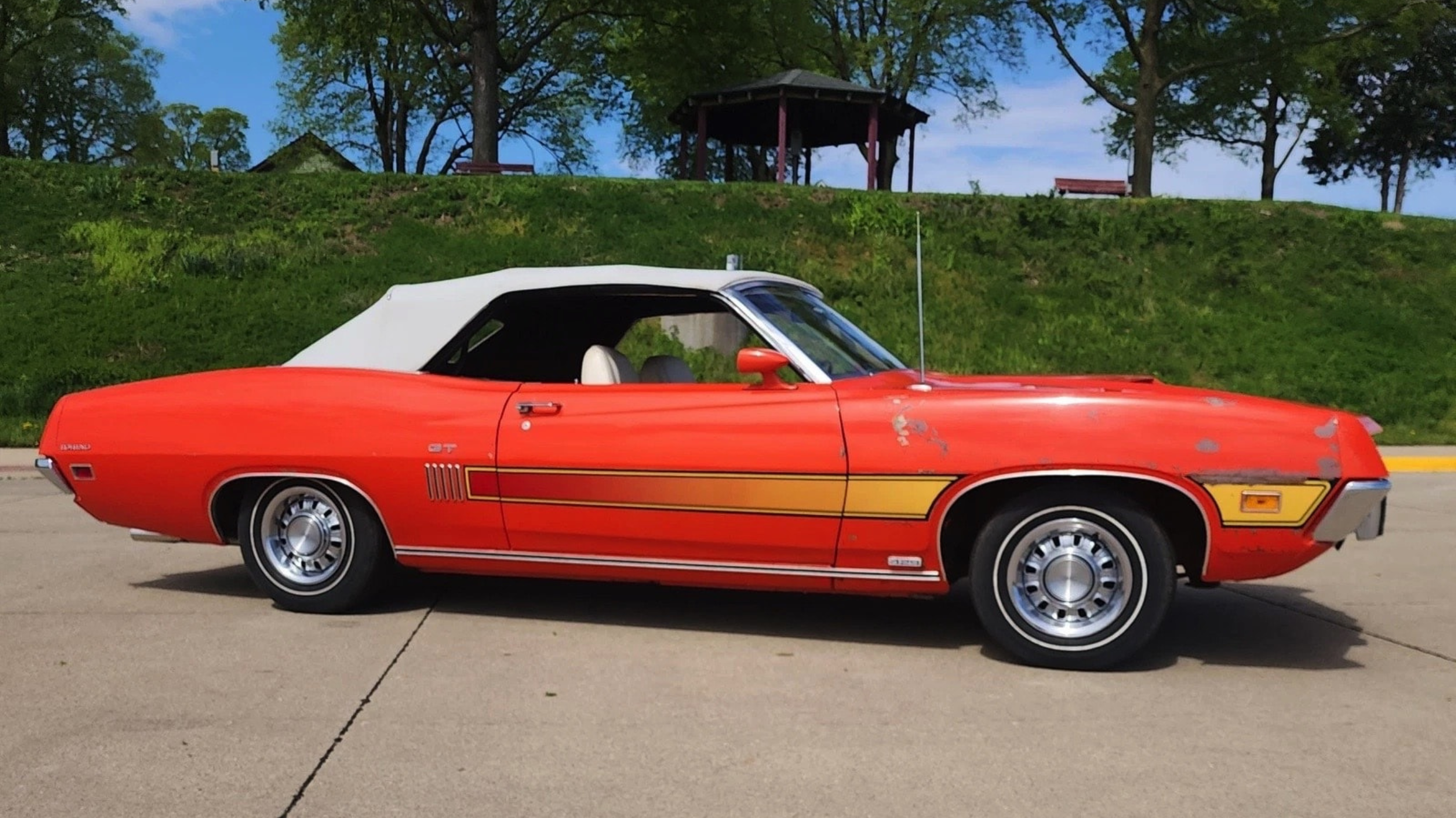
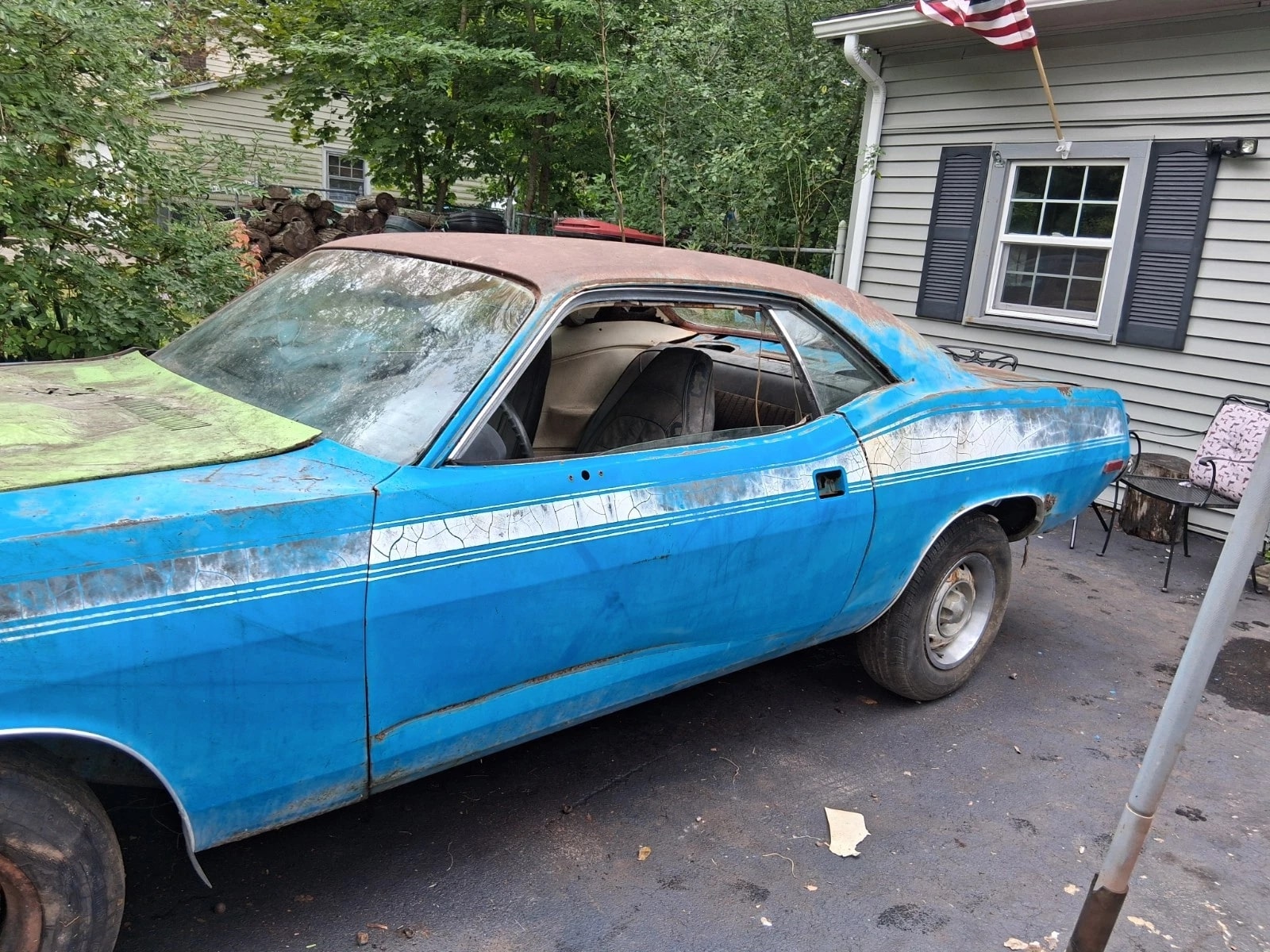
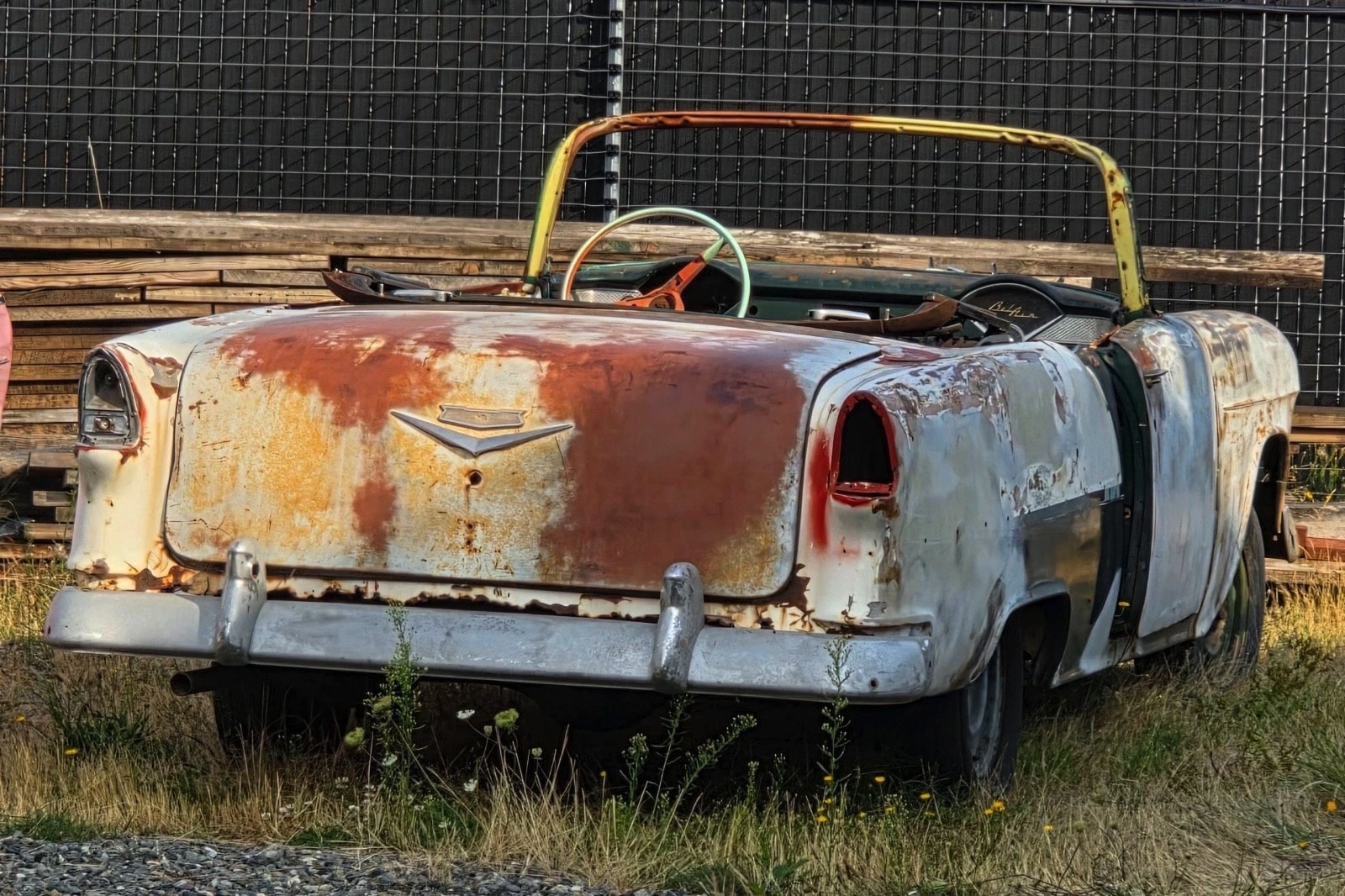
The muscle car community’s fascination with barn finds never diminishes, especially when the discovery involves one of automotive history’s most iconic designs. A 1969 Dodge Charger has emerged from extended storage in Spring Hill, Florida, complete with the seller’s humorous disclaimer that “cobwebs are free with purchase.” This second-generation Charger represents both the pinnacle of late-1960s automotive styling and a significant restoration challenge for the right enthusiast.


The Discovery: Florida Barn Survivor Awaits New Chapter
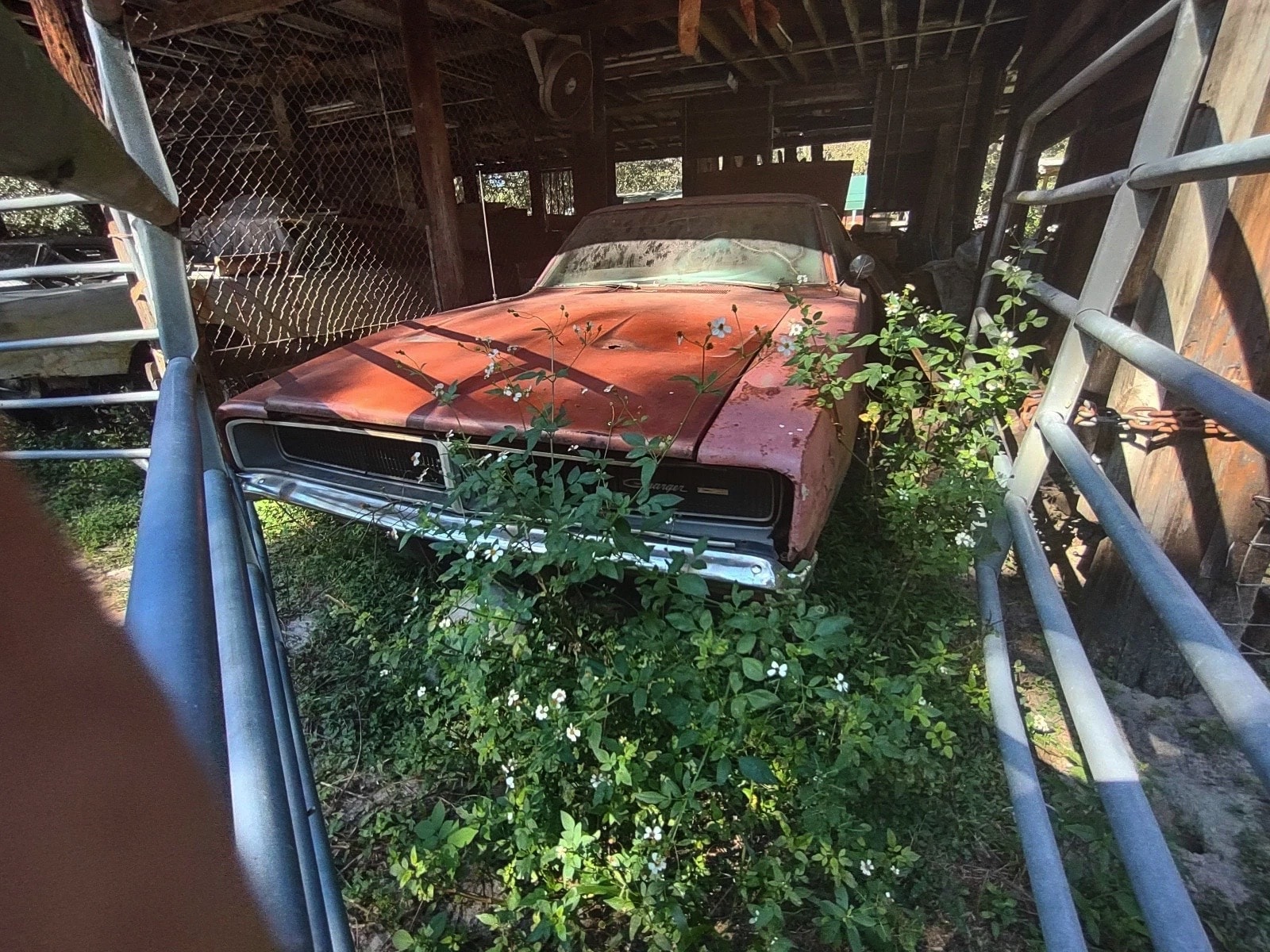
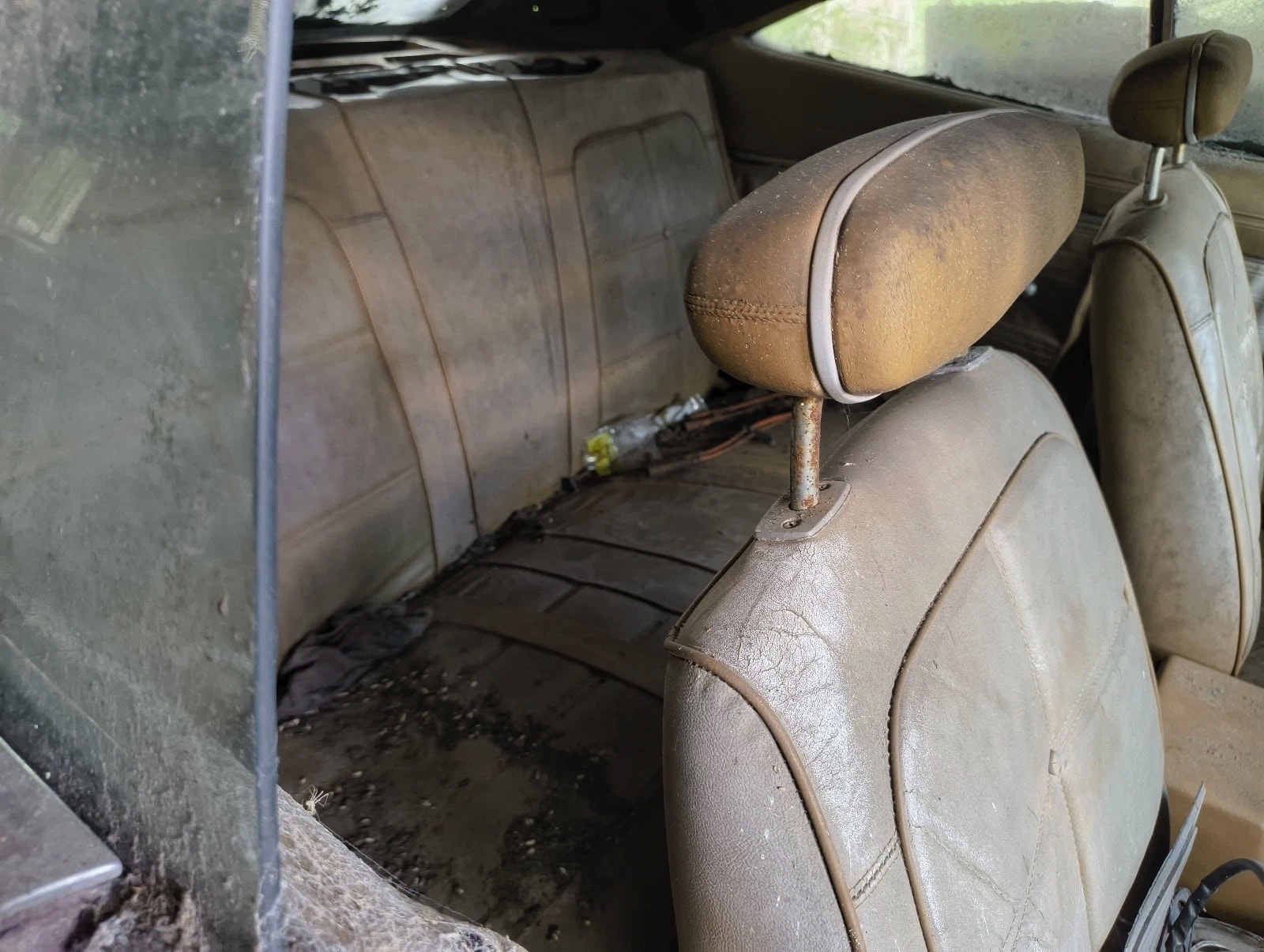
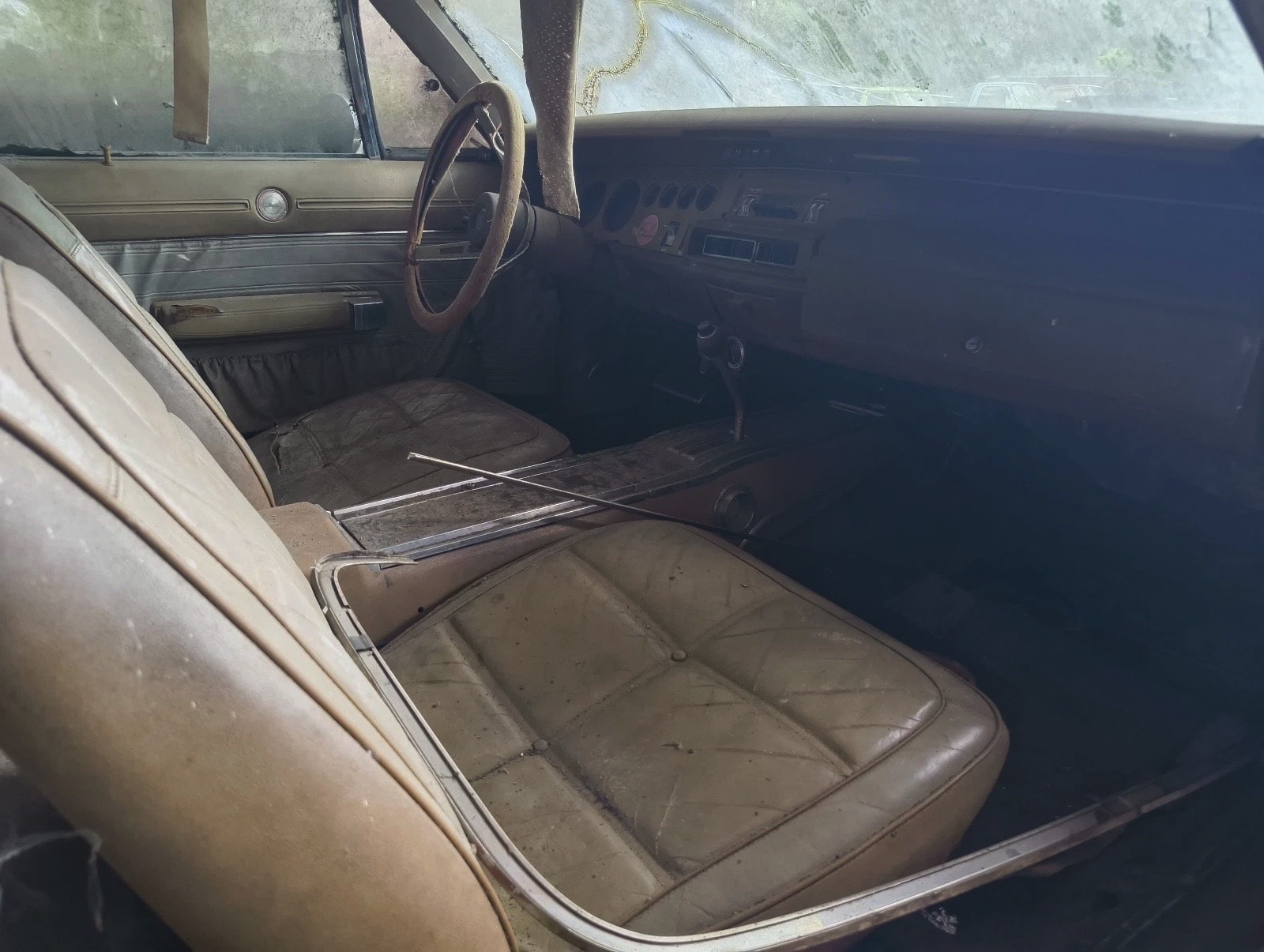
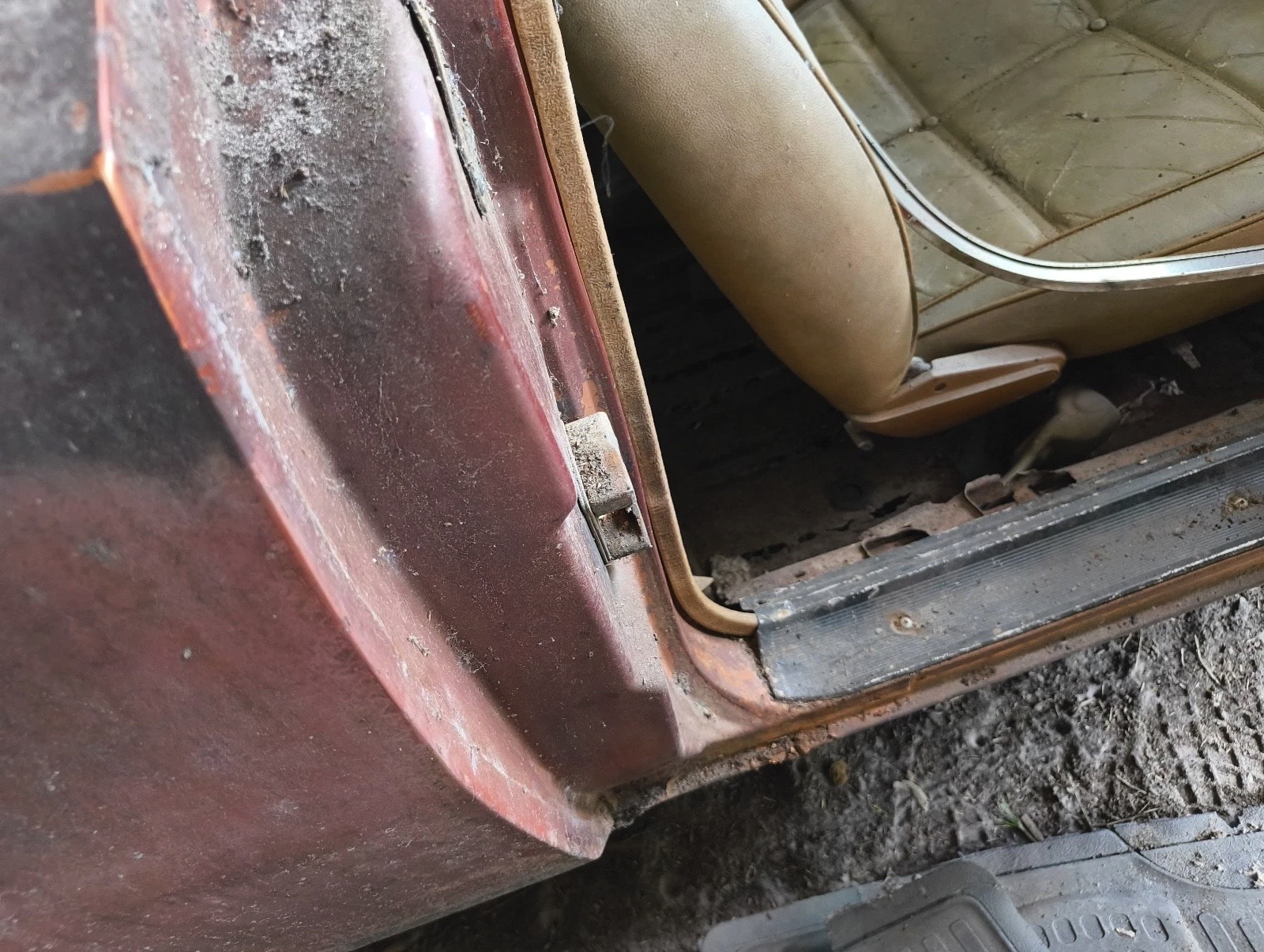
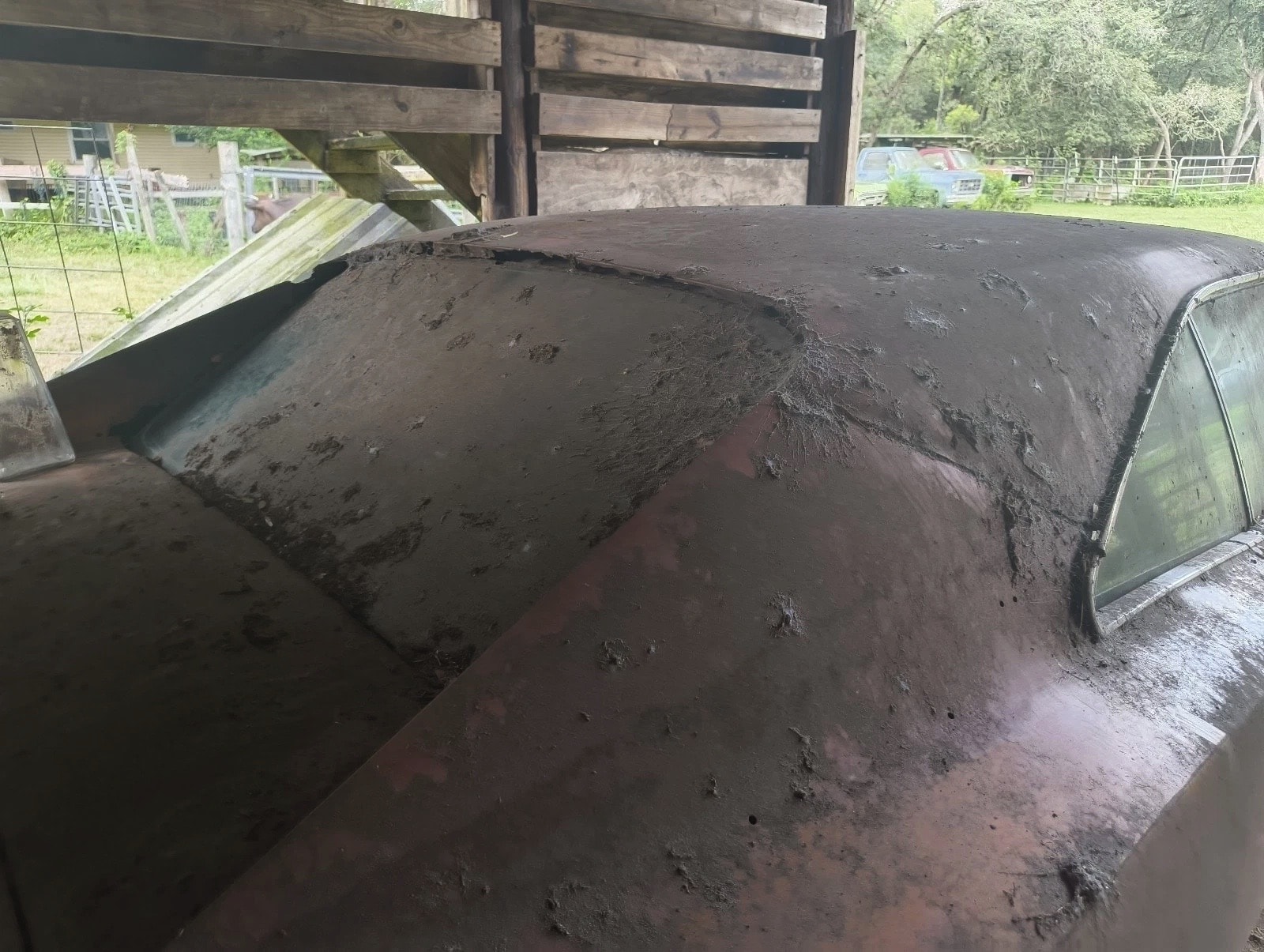
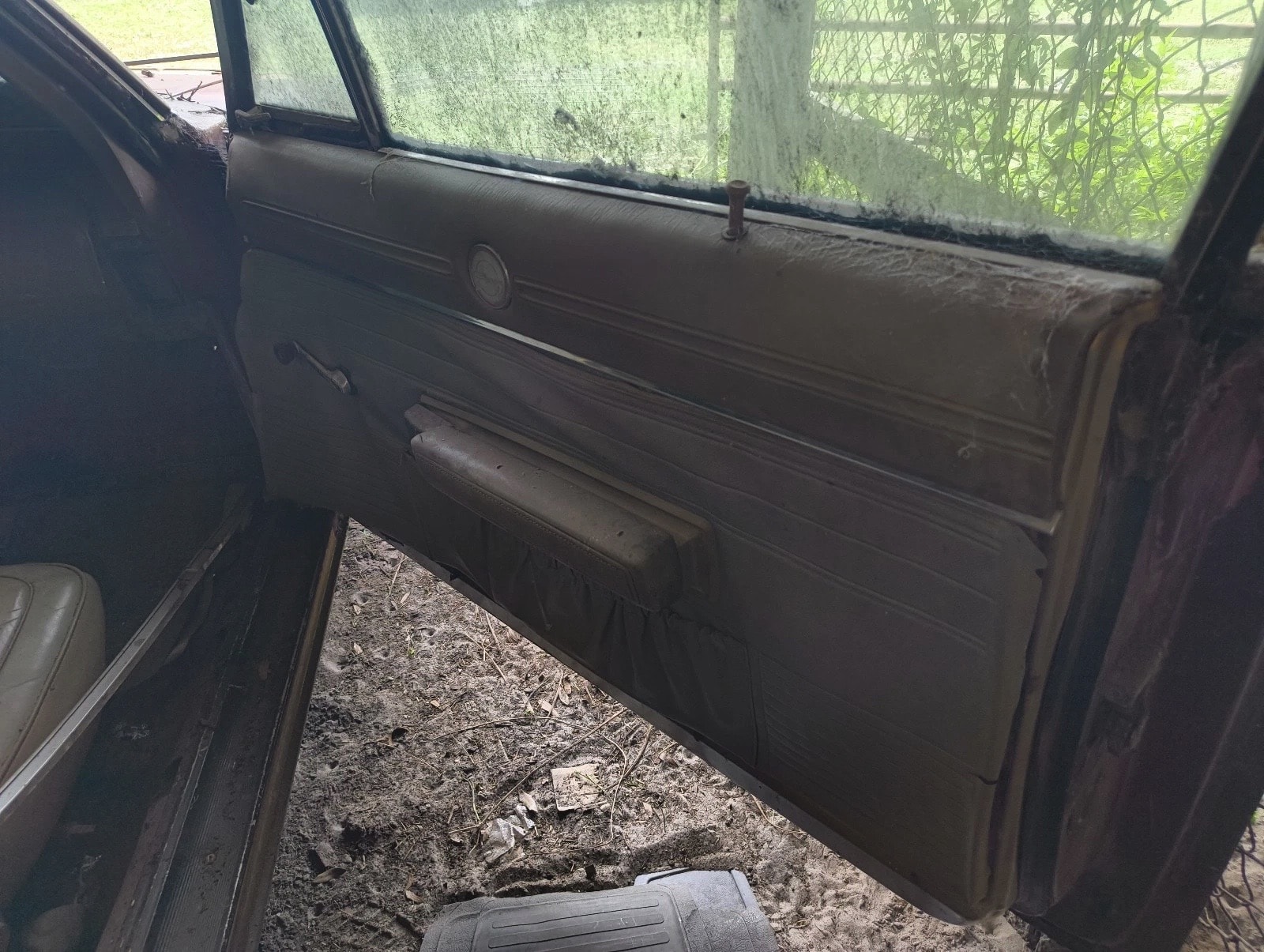
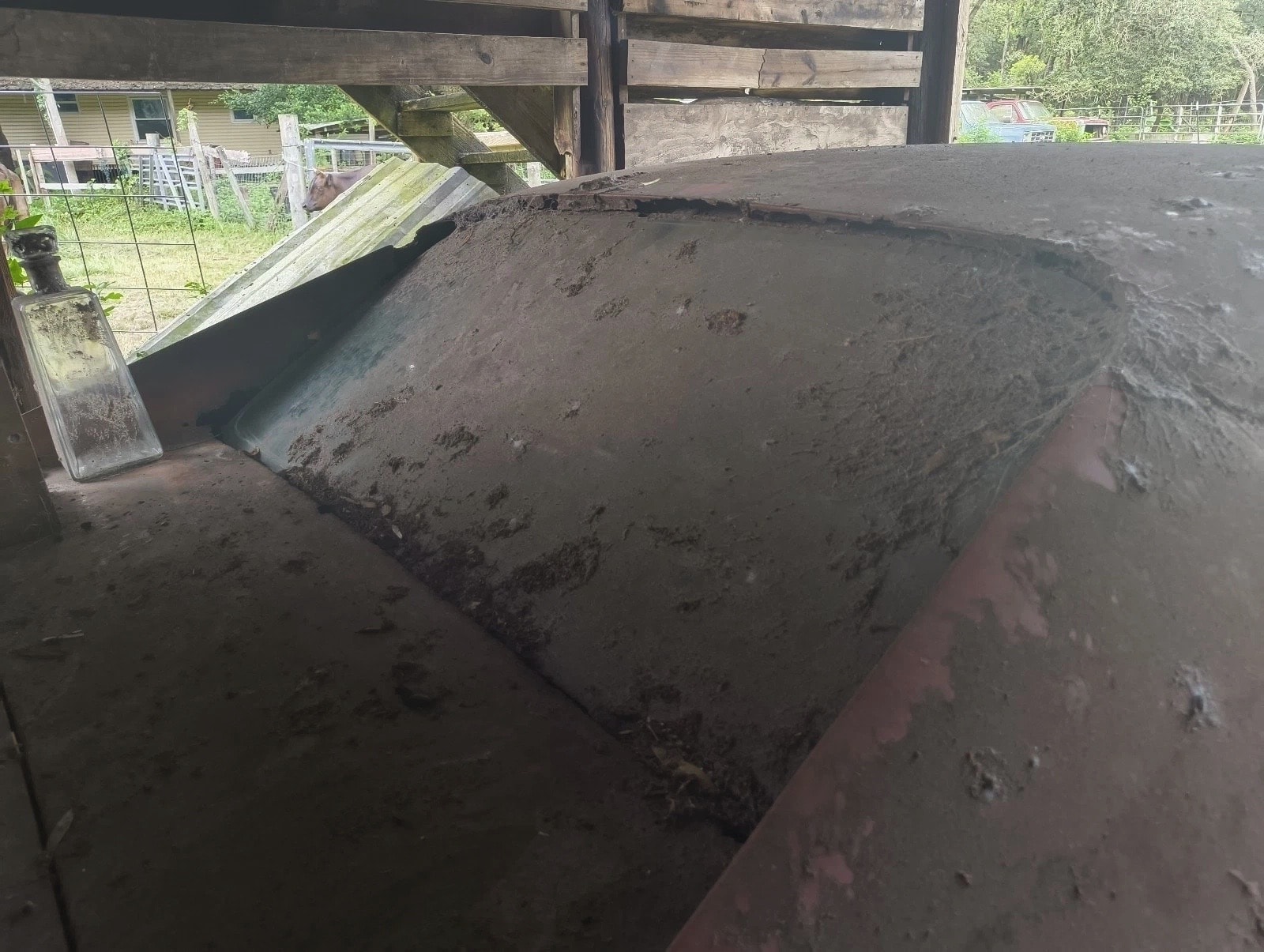
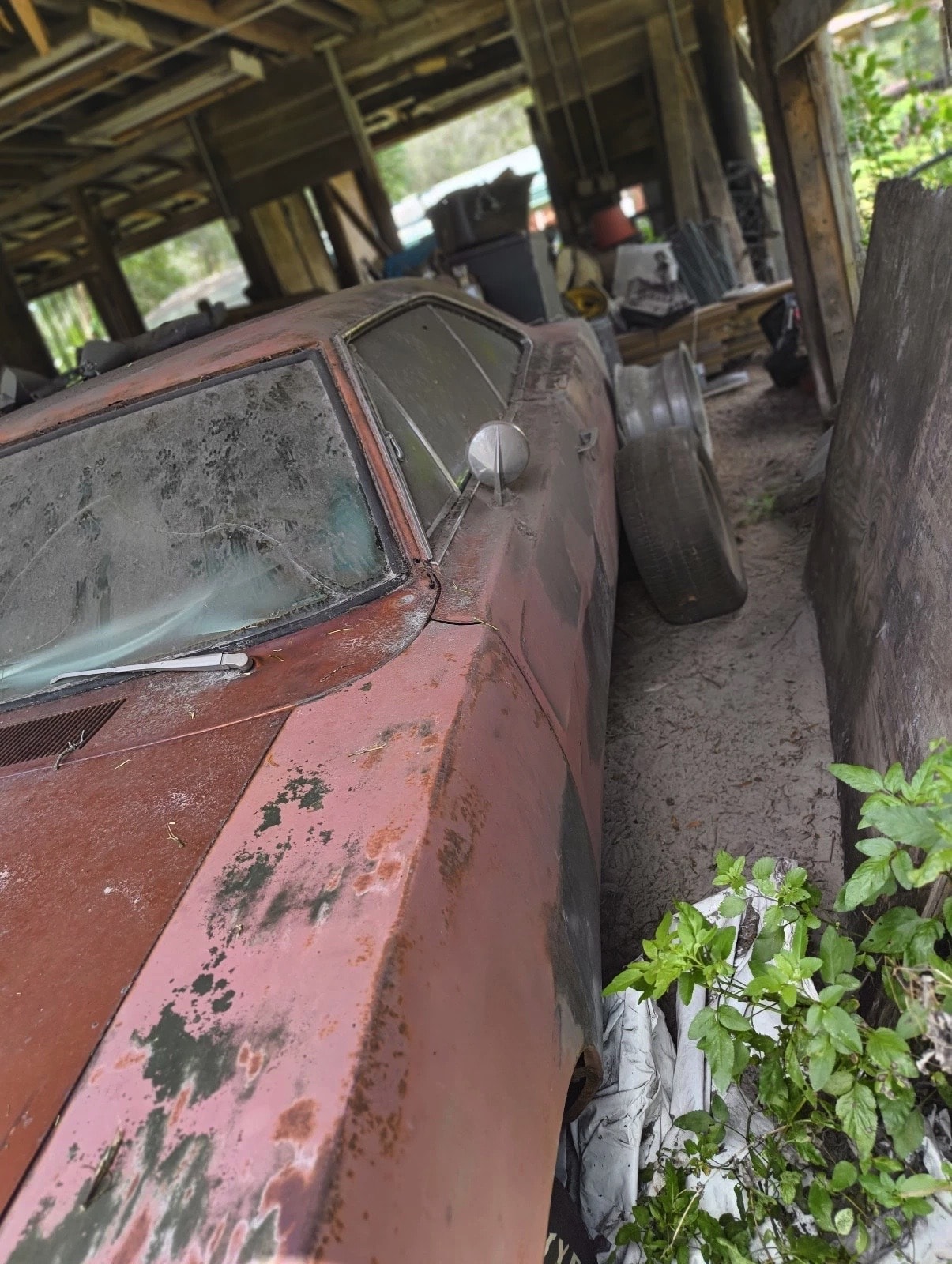
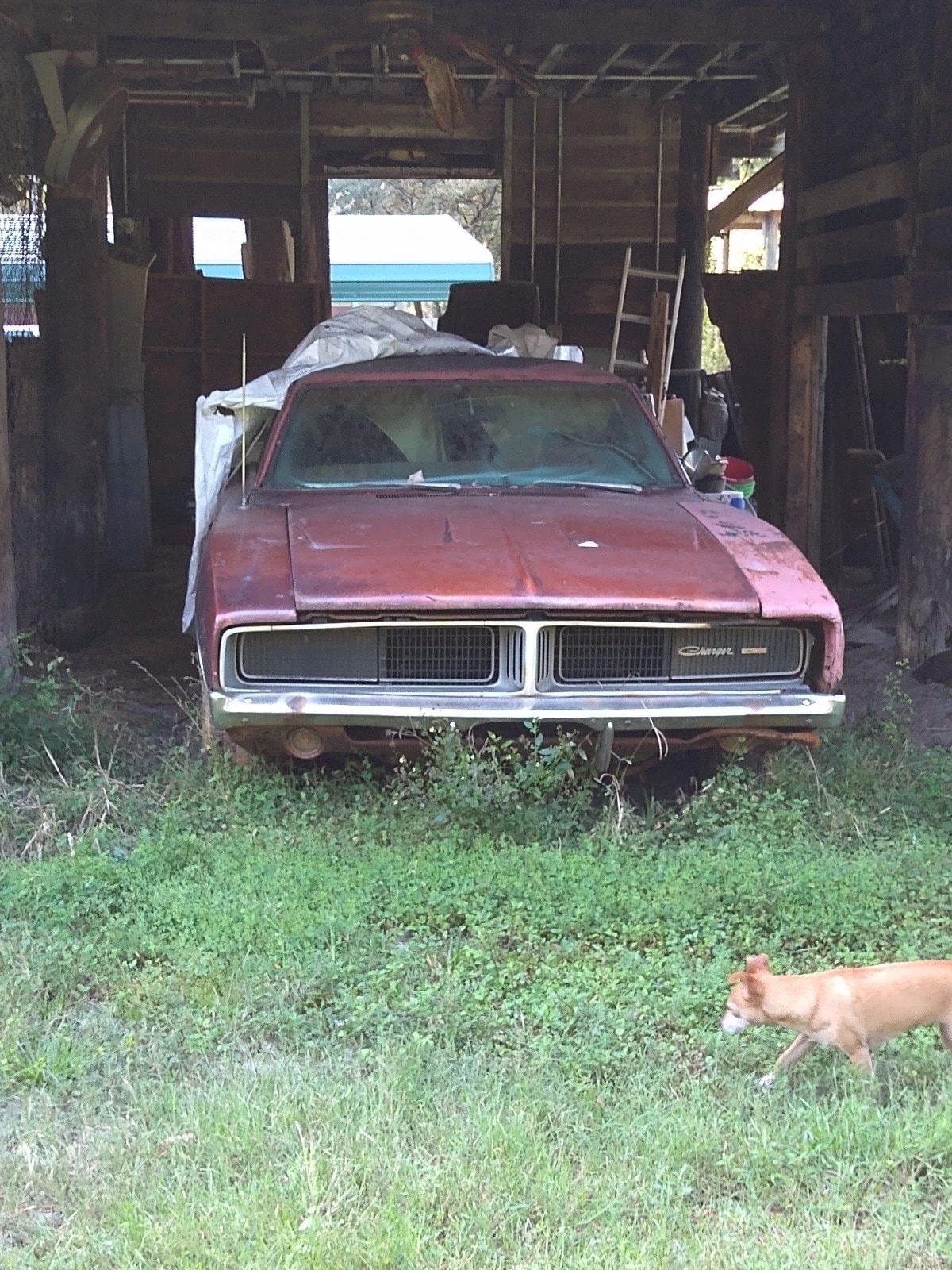
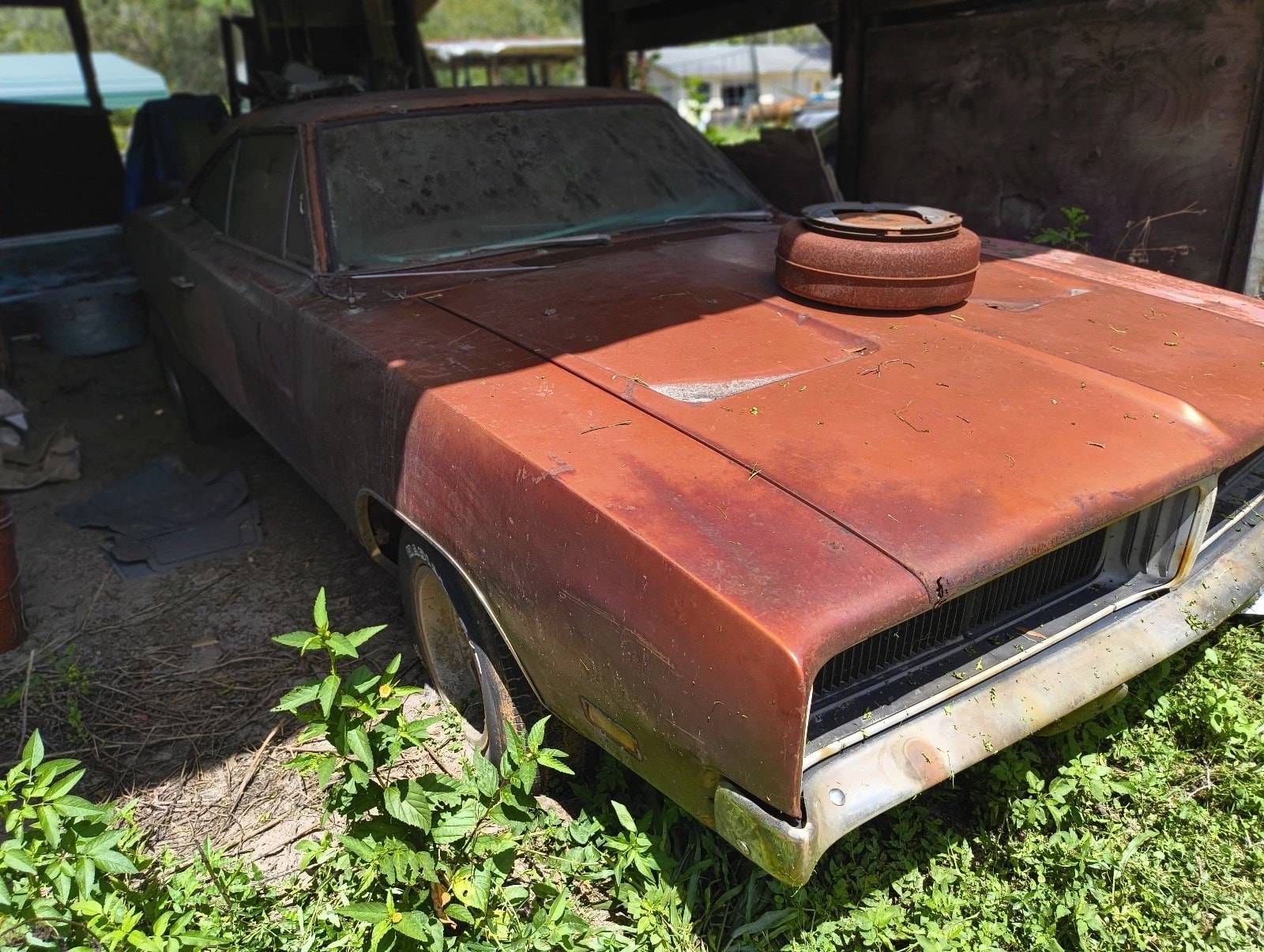
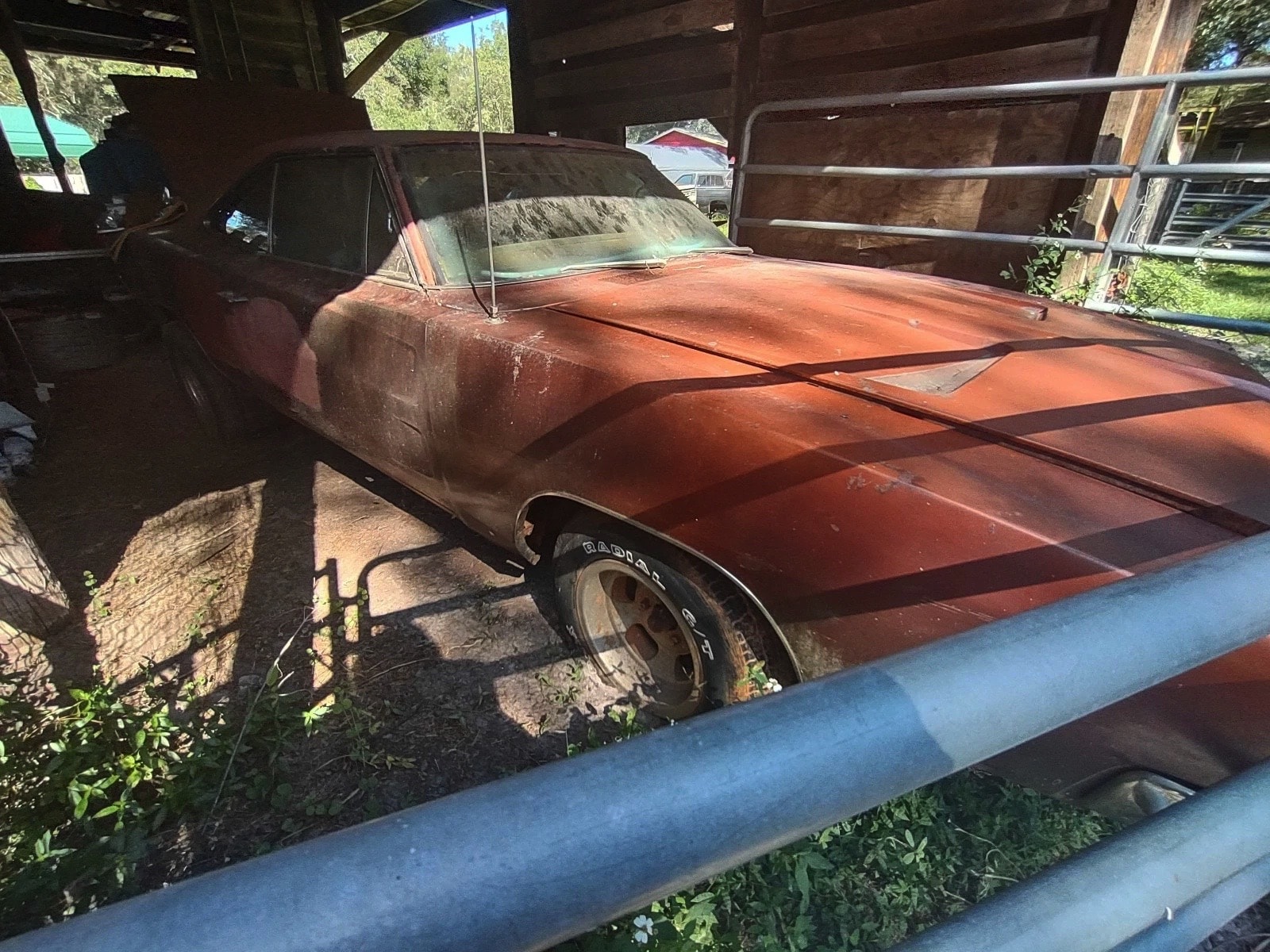
Since then, it has sat, slowly gathering dust—and yes, the seller jokes, “cobwebs are free with purchase.” It will require a full restoration, including new floor pans and trunk pan, but the body appears intact enough to make the effort worthwhile. Located in Spring Hill, Florida, and you will need a trailer to take it home after you pull the Charger from the barn.
The Florida location presents both advantages and challenges for potential buyers. While the absence of harsh northern winters likely preserved much of the car’s structure, decades of humidity and heat create their own preservation challenges. The seller’s honesty about the extensive restoration needs suggests realistic expectations rather than overly optimistic barn find syndrome.
1969: The Charger’s Golden Year
The second-generation Dodge Charger, introduced in 1968, reached its aesthetic peak with the 1969 model year. Few cars embody late-’60s muscle car cool like the 1969 Dodge Charger, and this example, now listed here on eBay, has all the makings of a rewarding restoration project. The distinctive “flying buttress” rear window treatment, aggressive front fascia, and perfect proportions created an automotive icon that continues to influence car design more than five decades later.
The 1969 model year brought subtle but significant refinements to the successful 1968 design:
Design Improvements:
- Revised grille with four headlights
- Updated tail light configuration
- Refined interior trim and materials
- Enhanced aerodynamics for NASCAR competition
- Distinctive side markers for federal compliance
Engine Bay Reality: The 318 Foundation
Under the hood sits the 318 cubic-inch V8, representing Dodge’s most common engine choice for 1969 Chargers. While not as glamorous as the 440 Magnum or 426 Hemi options, the 318 V-8 (171.5 kW / 233 PS / 230 hp) provides an excellent foundation for restoration projects.
The 318’s characteristics made it popular among original buyers:
Practical Advantages:
- Reliable daily driver performance
- Reasonable fuel economy for the era
- Lower insurance costs than big-block alternatives
- Extensive parts availability for restoration
- Solid torque delivery for street driving
Wearing bright orange paint, this two-door coupe is powered by Chrysler’s dependable 318 V8 paired with an automatic transmission. The automatic transmission combination suggests this Charger was built for comfort rather than quarter-mile times, making it an ideal candidate for street restoration rather than race-oriented builds.
Restoration Reality Check: What This Project Demands
The seller’s honest assessment reveals significant structural work requirements. It will require a full restoration, including new floor pans and trunk pan, but the body appears intact enough to make the effort worthwhile. This level of metalwork represents substantial investment in both time and money.
Typical Restoration Scope:
- Floor Pan Replacement: $3,000-5,000 in parts and labor
- Trunk Pan Restoration: $1,500-3,000 including surrounding areas
- Body and Paint Work: $15,000-25,000 for quality restoration
- Interior Restoration: $5,000-10,000 depending on originality
- Mechanical Recommissioning: $8,000-15,000 for complete drivetrain
- Chrome and Trim: $3,000-6,000 for refinishing and replacement
Total Investment Projection: $35,000-65,000 for complete restoration
Market Context: Understanding 1969 Charger Values
Current market data reveals the investment potential and challenges facing this project:
There are 29 new and used 1969 Dodge Chargers listed for sale near you on ClassicCars.com with prices starting as low as $18,999. However, There are 114 1969 Dodge Charger for sale right now across various platforms, indicating strong market availability.
Recent forum discussions provide insight into 318-equipped Charger values: This ones a 318 auto car, non original motor. Looks to be complete with interior. Needs trunk and front/rear floors at minimum. Guy is asking 20k firm. Another collector noted: At $500 it’s worth it, at $5k, it’s a ripoff, but at over $15k, we’re talking Grand Larceny here!
Current Market Segments:
- Project Cars (Non-Running): $8,000-18,000
- Driver Quality Examples: $25,000-40,000
- Restored Show Cars: $45,000-75,000
- Numbers-Matching Big-Block Cars: $80,000-150,000+
The Florida Factor: Storage Conditions Matter
Florida’s climate presents unique preservation challenges and benefits:
Positive Aspects:
- No road salt corrosion from winter driving
- Absence of freeze-thaw cycles reducing structural stress
- Year-round accessibility for inspection and removal
Climate Concerns:
- High humidity promoting interior deterioration
- Heat cycling causing rubber and plastic degradation
- Potential hurricane or flood exposure over decades
- Insect and small animal infiltration common
Meanwhile, the car is parked in Spring Hill, Florida, and you will need a trailer to take it home after you pull the Charger from the barn. You still have 2 days to decide. The time pressure suggests either auction format or firm deadline from the seller.
Structural Challenges: Common Charger Issues
Apparently a common problem with Chargers, according to the seller, is the rusted frame rails. They do say this car is in need of work on that aspect of the car. This knowledge proves crucial for potential buyers, as frame rail replacement represents major structural work requiring specialized equipment and expertise.
Critical Inspection Points:
- Frame rail integrity at all mounting points
- Floor pan condition beyond obvious rust-through
- Torque box structural soundness
- Rear suspension mounting areas
- Quarter panel lower sections hidden by trim
The 318 Advantage: Budget-Friendly Performance Path
While big-block Chargers command premium prices, 318-equipped cars offer unique advantages:
Restoration Benefits:
- Lower initial purchase prices
- Reduced insurance costs during ownership
- Easier parts sourcing for mechanical components
- Flexibility for engine upgrades or modifications
- Street-friendly performance characteristics
Upgrade Potential:
- 360 small-block swap for more power
- Modern fuel injection conversion possibilities
- Overdrive transmission installation
- Air conditioning retrofitting
- Electronic ignition system upgrades
Project Assessment: Who Should Consider This Car
At this point, the car is a blank slate. If you are not interested in keeping it original, then don’t. Modifications would be welcomed on this level of project car.
Ideal Candidates:
- Experienced restorers with proper facilities
- Enthusiasts seeking long-term project commitment
- Builders planning modified rather than concours restoration
- Collectors with realistic budgets for extensive metalwork
Should Avoid:
- First-time restorers seeking straightforward projects
- Buyers expecting quick flip opportunities
- Those lacking welding and bodywork capabilities
- Collectors requiring numbers-matching authenticity
Investment Analysis: Risk vs. Reward
The financial equation for this Charger project requires careful consideration:
Potential Positive Outcomes:
- Quality restoration worth $45,000-60,000 when complete
- Personal satisfaction from saving automotive history
- Learning experience for dedicated enthusiasts
- Potential appreciation if completed correctly
Risk Factors:
- Total investment may exceed finished car values
- Hidden damage discovery during disassembly
- Project scope creep and timeline extensions
- Market volatility affecting resale values
Transportation and Logistics
Meanwhile, the car is parked in Spring Hill, Florida, and you will need a trailer to take it home after you pull the Charger from the barn. The Charger is parked in Spring Hill, Florida, and will need transportation to go from the pole barn to your garage.
Removal Considerations:
- Professional flatbed service recommended
- Structural assessment before moving
- Potential disassembly for safe transport
- Immediate covered storage arrangement essential
The Cobwebs Philosophy: Honest Barn Find Marketing
The seller’s humor about included cobwebs reflects a refreshingly honest approach to barn find marketing. Rather than overselling the car’s condition or romanticizing its storage history, this straightforward acknowledgment of reality helps set appropriate buyer expectations.
This honesty proves valuable in today’s classic car market, where inflated barn find claims often lead to buyer disappointment and financial loss. A seller willing to joke about cobwebs likely provides accurate assessment of more serious mechanical and structural issues.
Timeline Pressure: Decision Window Closing
You still have 2 days to decide creates urgency that potential buyers should approach cautiously. While legitimate deadlines exist in estate sales and storage situations, pressure tactics can lead to inadequate inspection and poor purchasing decisions.
Due Diligence Recommendations:
- Comprehensive in-person inspection priority
- Professional assessment if possible within timeframe
- Clear understanding of total removal costs
- Realistic budget planning before commitment
The Verdict: Worthy Project for the Right Buyer
This 1969 Dodge Charger barn find represents exactly the type of challenging project that separates serious restorers from casual dreamers. The combination of iconic styling, honest seller assessment, and significant restoration needs creates an opportunity for dedicated enthusiasts willing to commit substantial time and resources.
The 318 engine foundation provides flexibility for various restoration approaches, from period-correct rebuilds to modern performance upgrades. While the extensive metalwork requirements demand serious financial commitment, the completed project could yield both personal satisfaction and reasonable investment return.
Success Factors:
- Realistic expectation management from the start
- Adequate budget planning including 20% contingency
- Access to qualified restoration professionals
- Long-term project timeline acceptance
- Genuine passion for the restoration process
For the right buyer with appropriate skills, facilities, and financial resources, this cobweb-adorned Charger could become the centerpiece of their collection. However, those seeking easy projects or quick returns should probably let this one find a more suitable home.
The seller’s humorous acknowledgment that cobwebs come free with purchase tells the complete story – this car needs everything, but underneath decades of neglect lies one of automotive history’s most beautiful designs waiting for resurrection.