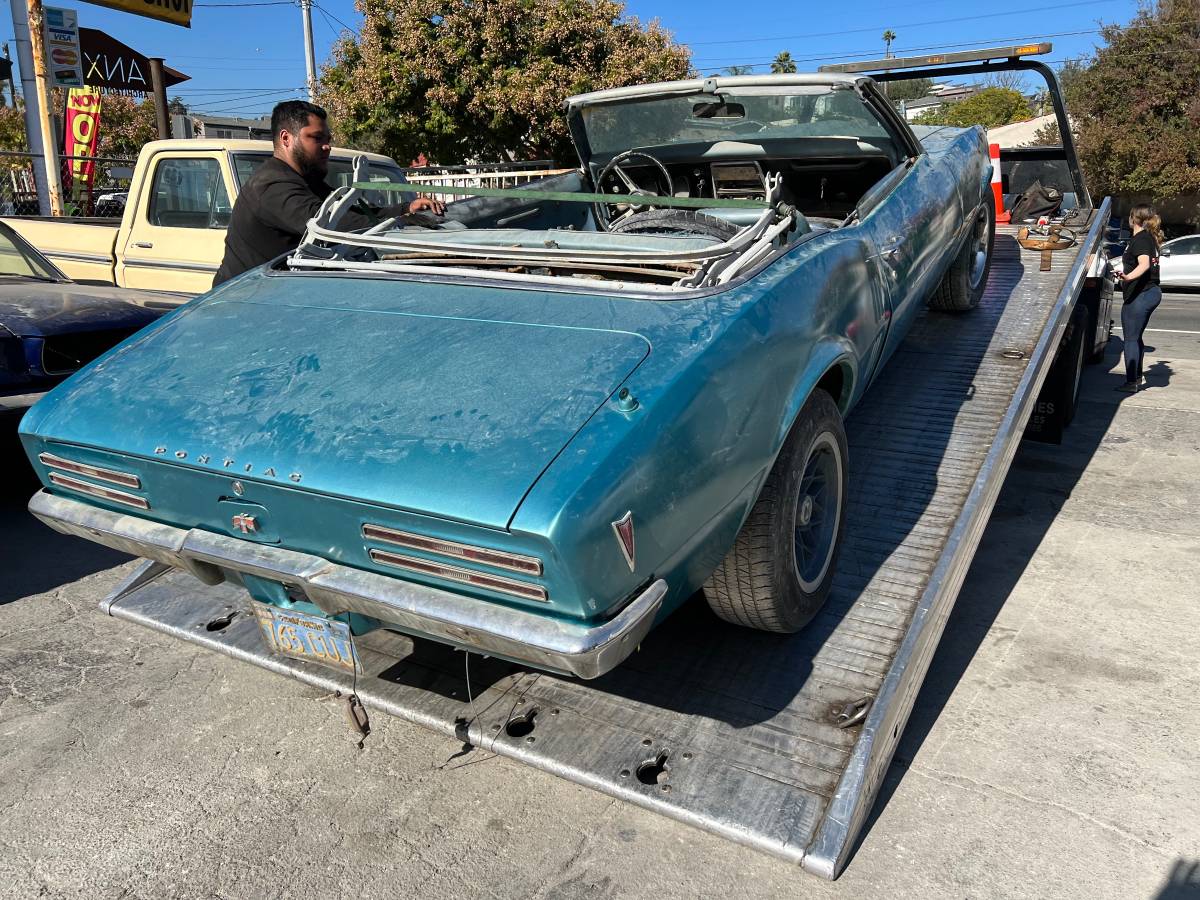
Storage container finds represent a unique category in the classic car world, offering better preservation than traditional barn discoveries while creating their own set of challenges. A 1968 Pontiac Firebird convertible that spent the last decade sealed inside a shipping container has emerged from its metal hibernation, with an owner ready to pass this second-generation pony car to someone who can give it the attention it deserves. This F-Body survivor represents both the promise and complexity of container storage for classic automobiles.

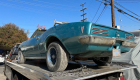
The Container Storage Story: Eight to Ten Years in Metal Hibernation
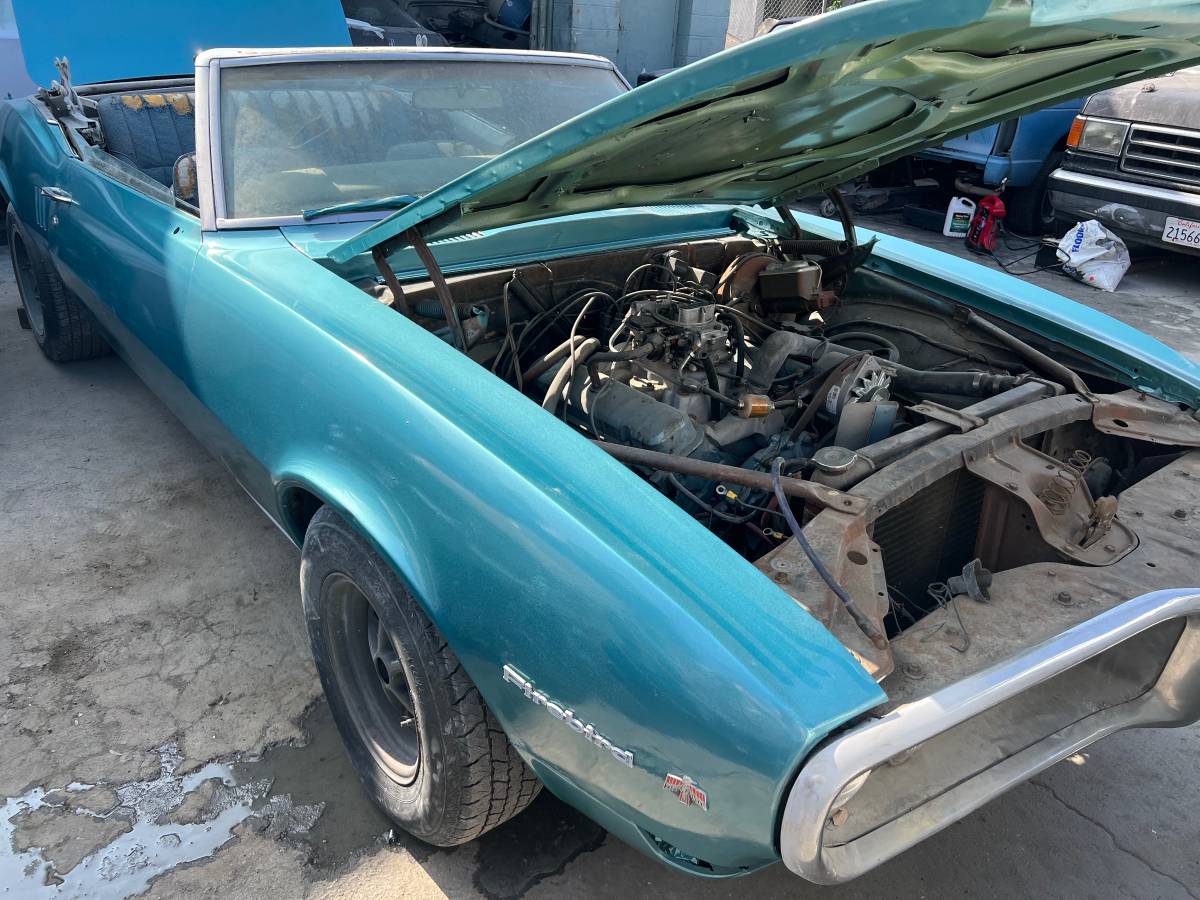
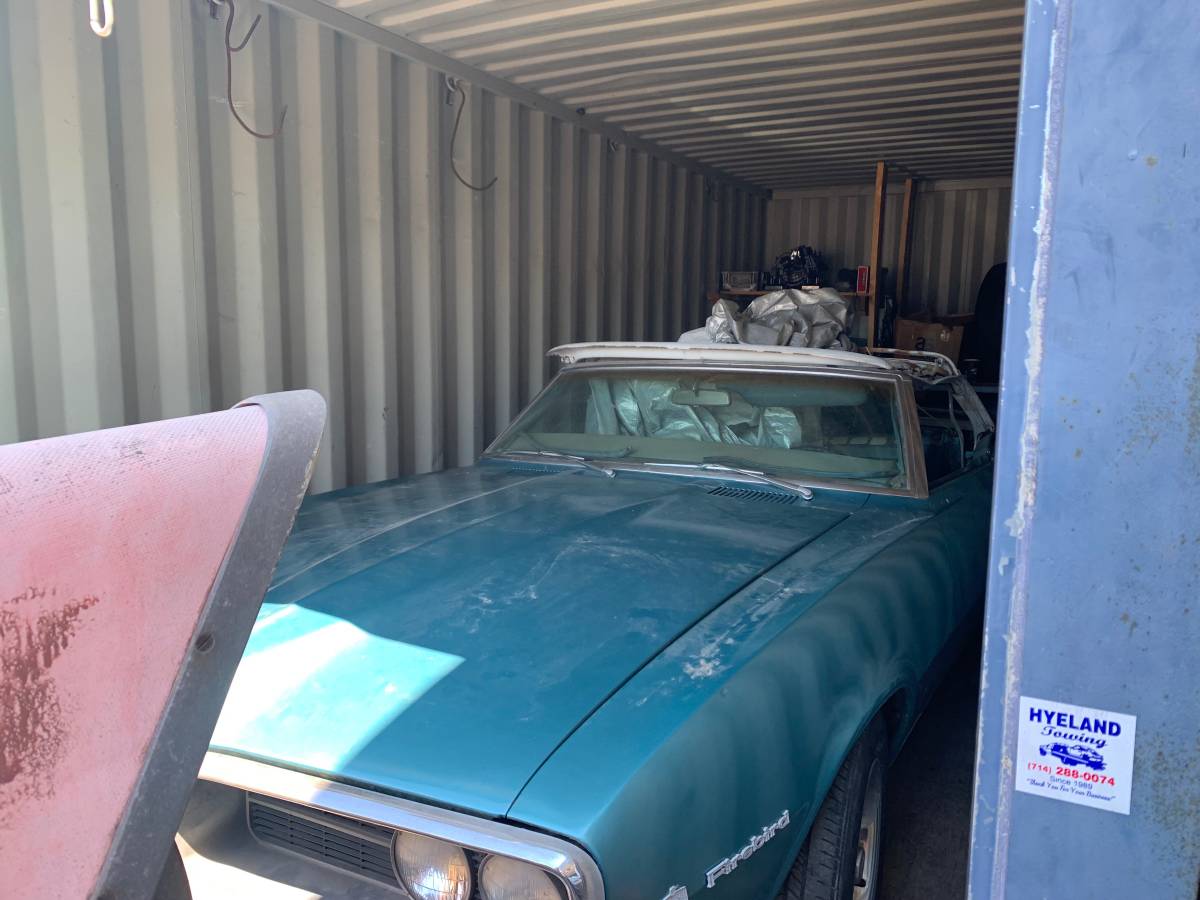
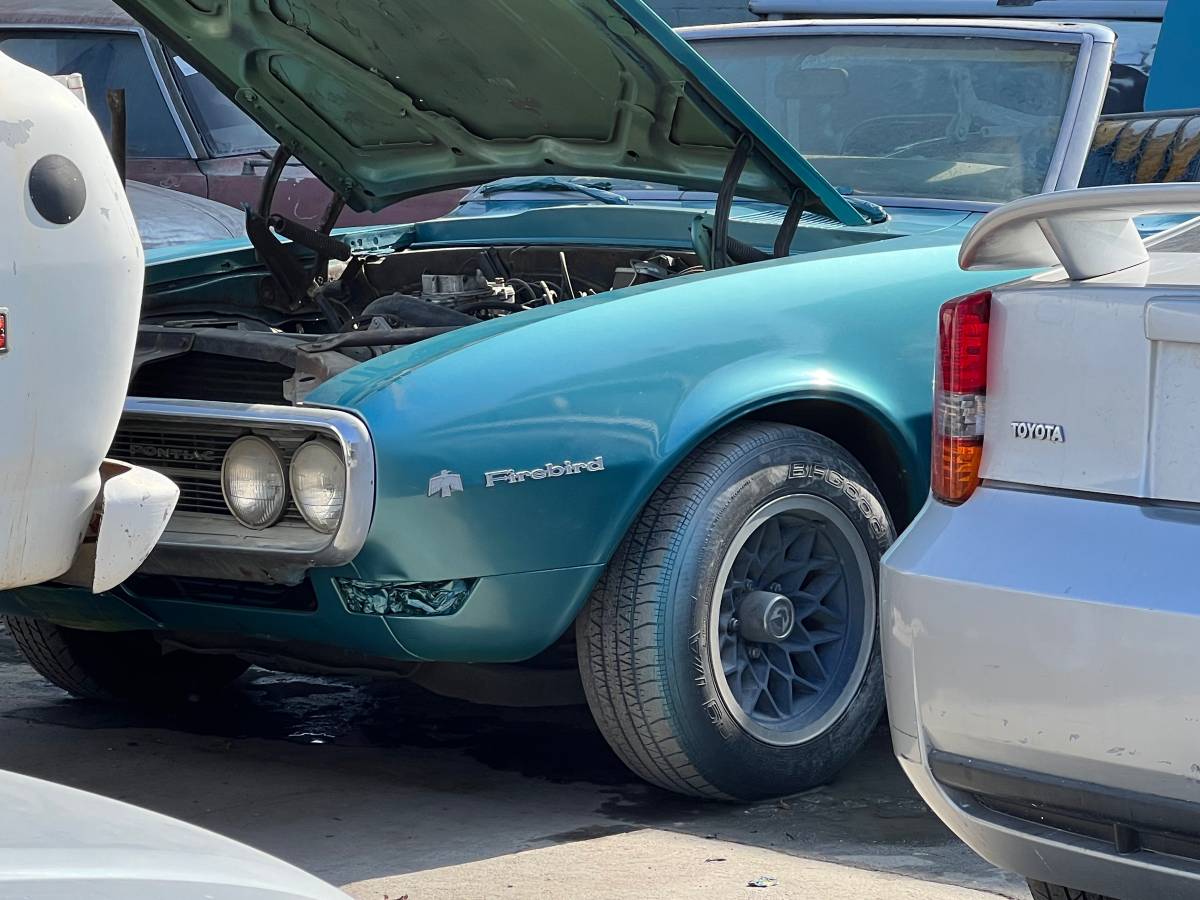
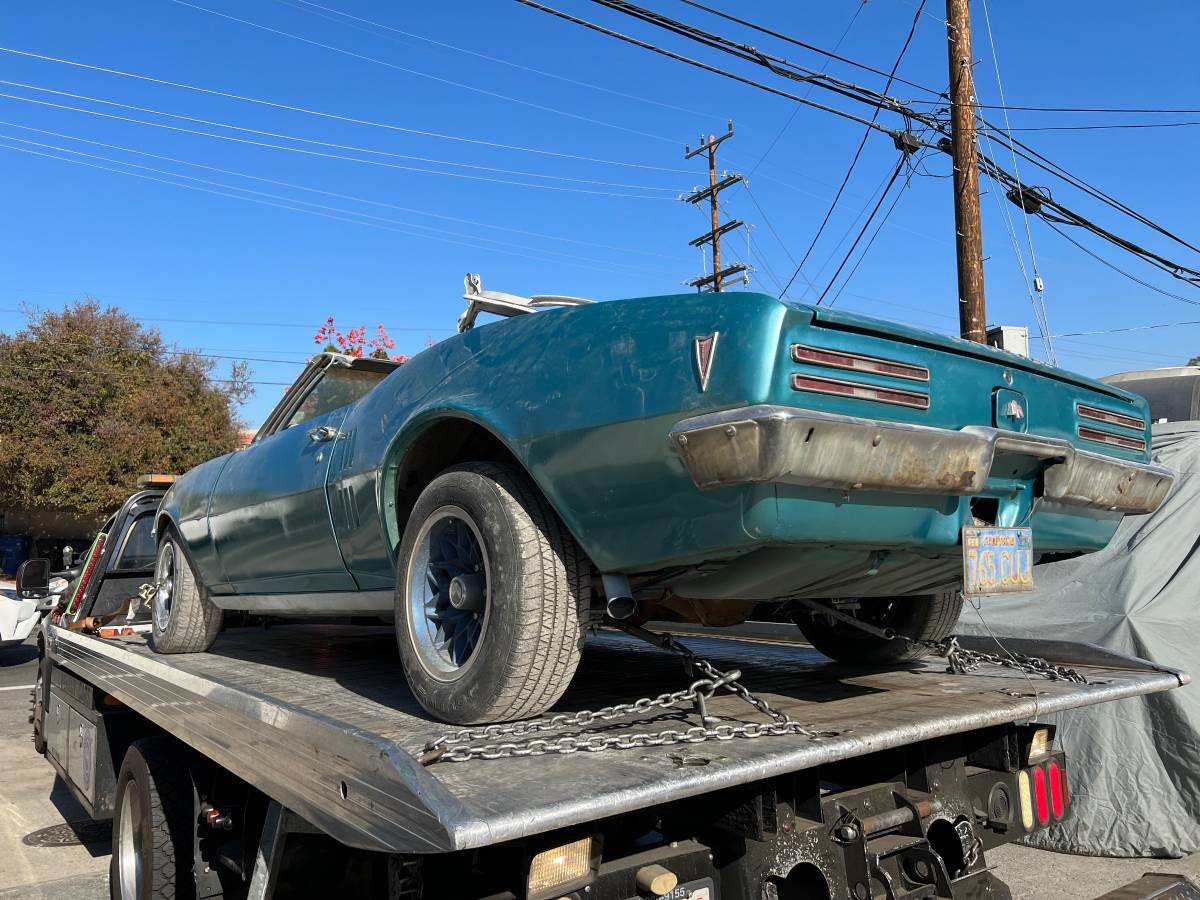
Parked in a container for about a decade, this 1968 Pontiac Firebird is a cool convertible pony car in need of a new home. The seller says he’s a lover of F-Bodies and has held onto this one, but finally decided that now is the time to let it go after serving as its home for the last eight years.
The timeline discrepancy between “about a decade” and “eight years” suggests this Firebird may have had previous storage periods or the owner’s memory of exact dates has faded – a common occurrence with long-term storage situations. What matters most is that this convertible has been protected from weather, theft, and further deterioration while awaiting its next chapter.
Container vs. Barn Storage: The Pros and Cons
Container storage offers unique advantages and challenges compared to traditional barn finds:
Container Storage Benefits:
- Weather-tight seal protecting from rain and snow
- Security from theft and vandalism
- Consistent temperature without extreme fluctuations
- Protection from rodents and pest infiltration
- Cleaner environment than typical barn storage
Potential Drawbacks:
- Limited air circulation promoting condensation
- Difficulty accessing for periodic maintenance
- Space constraints preventing proper covering
- Humidity buildup in sealed environment
- Accessibility challenges for inspection and removal
This shipping container hides a vintage Pontiac surprise inside, cleaner than a barn find according to recent observations, suggesting the storage method has been relatively successful in preservation.
1968 Firebird: Peak of First-Generation Design
The 1968 model year represented the culmination of Pontiac’s first-generation Firebird design, incorporating lessons learned from the inaugural 1967 model while introducing significant mechanical improvements. New for 1968 was a larger standard V-8, now at 350 CID. Rated at 265 HP in two-barrel form and 320 HP in 4-barrel setup, the engine also displayed more torque, 355 and 380 respectively.
This engine upgrade positioned the 1968 Firebird as a more serious performance contender in the rapidly evolving pony car market. The larger displacement provided better torque characteristics for street driving while maintaining the distinctive Pontiac performance character that differentiated it from Chevrolet’s Camaro.
1968 Firebird Engine Options:
- Base 250 CID Inline-6: 175 horsepower @ 4800 RPM
- Optional 250 CID Inline-6: 215 horsepower (Sprint package)
- 350 CID V8 (2-barrel): 265 horsepower
- 350 CID V8 (4-barrel): 320 horsepower
- 350 HO V8: 320 horsepower with performance upgrades
- 400 CID V8: 330 horsepower (Ram Air option)
The Convertible Factor: Rarity and Desirability
Convertible Firebirds represented a small fraction of total production, making survivors increasingly valuable in today’s collector market. The 350 HO convertible configuration was particularly rare, with less than 500 examples produced according to some sources, though this number varies depending on documentation.
The convertible body style’s appeal extends beyond mere rarity to include:
Convertible Advantages:
- Open-air driving experience unavailable in coupes
- Distinctive styling with top up or down
- Higher collector values in restored condition
- Strong emotional appeal for enthusiast buyers
- Premium positioning in Firebird hierarchy
However, convertibles also present restoration challenges including soft-top mechanisms, additional weather sealing requirements, and structural considerations unique to open-top vehicles.
Market Context: 1968 Firebird Investment Potential
Current market data reveals strong interest in first-generation Firebirds, with 290 1968 Pontiac Firebirds for sale right now across various platforms, indicating both availability and active market demand.
Current Market Segments:
- Concours Restorations: $45,000-75,000 for show-quality examples
- Driver Quality Cars: $25,000-40,000 for presentable examples
- Project Cars: $8,000-20,000 depending on completeness and options
- Parts Cars: $3,000-8,000 for incomplete or severely damaged examples
The container storage may have preserved this convertible in better condition than typical barn finds, potentially positioning it in the higher end of project car values if structural integrity remains sound.
The F-Body Enthusiast Perspective
The seller’s identification as an “F-Body lover” speaks to the passionate community surrounding Pontiac’s performance cars. F-Body designation encompasses both Firebird and Camaro platforms from 1967 through 2002, creating a large enthusiast base with extensive knowledge, parts networks, and restoration support.
This community aspect provides significant advantages for restoration projects:
F-Body Community Benefits:
- Extensive technical knowledge sharing
- Strong parts availability through specialty suppliers
- Active forums and social media groups
- Regional clubs and event opportunities
- Proven restoration techniques and documentation
Container Storage Revival Challenges
Bringing any long-term storage vehicle back to roadworthy condition requires systematic approach, but container storage creates specific considerations:
Immediate Assessment Priorities:
- Fuel system evaluation and cleaning
- Brake system safety inspection
- Cooling system component condition
- Electrical system functionality
- Convertible top mechanism operation
Potential Storage-Related Issues:
- Fuel tank contamination from old gasoline
- Brake fluid moisture contamination
- Cooling system corrosion from stagnant coolant
- Battery failure and electrical system damage
- Convertible hydraulic system deterioration
Restoration vs. Preservation Strategy
This container-stored Firebird presents buyers with strategic decisions about approach:
Complete Restoration Path:
- Frame-off restoration to concours standards
- Period-correct component sourcing
- Professional bodywork and paint application
- Interior restoration to factory specifications
- Mechanical rebuilding to original specifications
Preservation Approach:
- Mechanical recommissioning prioritized
- Cosmetic preservation where possible
- Selective component replacement
- Functional rather than show-perfect standards
- Original patina maintenance
The 350 HO Possibility
Without seeing detailed photos or specifications, there remains possibility this container-stored Firebird could be equipped with the desirable 350 HO (High Output) package. This model featured a 4-barrel carburetor, dual exhaust, heavy-duty battery, and F70-14 tires, good for a 35hp increase to 320 horsepower @ 5100 rpm.
350 HO identification points include:
- Distinctive hood stripes
- Performance suspension components
- Specific wheel and tire combinations
- Engine bay details and component markings
Investment Analysis: Container Find Economics
Container storage preservation may justify premium pricing compared to traditional barn finds:
Positive Factors:
- Better preservation from weather protection
- Reduced rust and deterioration potential
- Cleaner condition requiring less preparation work
- Seller’s F-Body knowledge ensuring proper storage care
Risk Considerations:
- Unknown mechanical condition after extended storage
- Potential hidden issues from limited accessibility
- Container humidity effects on electrical systems
- Total restoration costs vs. finished car values
The Decision Timeline
The seller’s statement about finally being “time to let it go” suggests this decision represents significant emotional investment beyond mere financial consideration. Long-term storage often involves gradual acceptance that restoration dreams may not materialize, making the sale both practical necessity and emotional milestone.
For potential buyers, this timing creates opportunity to acquire a project that received careful storage rather than neglect, potentially offering better foundation for restoration success.
Due Diligence Recommendations
Serious buyers should prioritize comprehensive inspection before purchase:
Critical Assessment Points:
- Structural integrity despite container protection
- Engine condition and potential seizure from storage
- Convertible top mechanism operation and repair needs
- Documentation including title, registration, and build records
- Parts completeness and originality verification
The Verdict: Container Storage Success Story?
This decade-stored 1968 Pontiac Firebird convertible represents a fascinating case study in alternative classic car storage methods. If the container environment successfully preserved the car’s condition, this could prove superior to traditional barn storage for long-term vehicle protection.
The combination of desirable model year, convertible body style, and potentially better-than-average preservation makes this Firebird worthy of serious consideration by qualified buyers. Success depends entirely on matching realistic expectations with actual condition assessment.
Ideal Candidates:
- Experienced F-Body restorers with proper facilities
- Collectors seeking first-generation Firebird convertibles
- Enthusiasts committed to long-term restoration projects
- Buyers with realistic budgets for comprehensive recommissioning
Should Proceed Carefully:
- First-time project car buyers
- Those expecting quick restoration turnaround
- Buyers uncomfortable with convertible-specific challenges
- Anyone seeking immediate road-worthy transportation
The seller’s readiness to “let it go” after years of F-Body enthusiasm suggests this Firebird needs someone with renewed energy and commitment to realize its potential. Container storage may have preserved the physical car, but it requires human dedication to restore the soul that makes these classics special.
Whether this particular 1968 Firebird convertible becomes someone’s restoration triumph or remains another storage story depends entirely on finding the right person willing to open that container door and begin the next chapter of this classic’s journey.