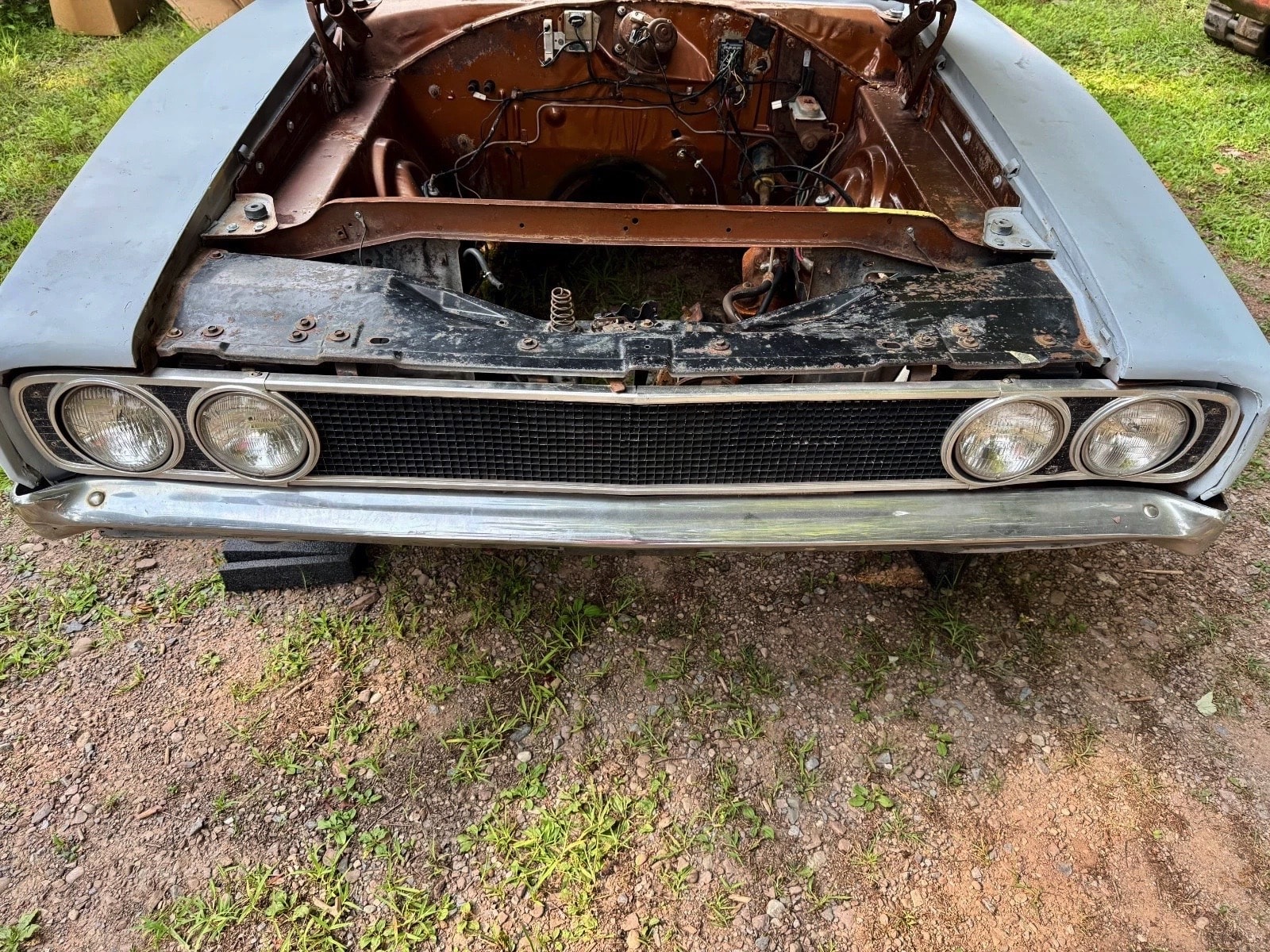
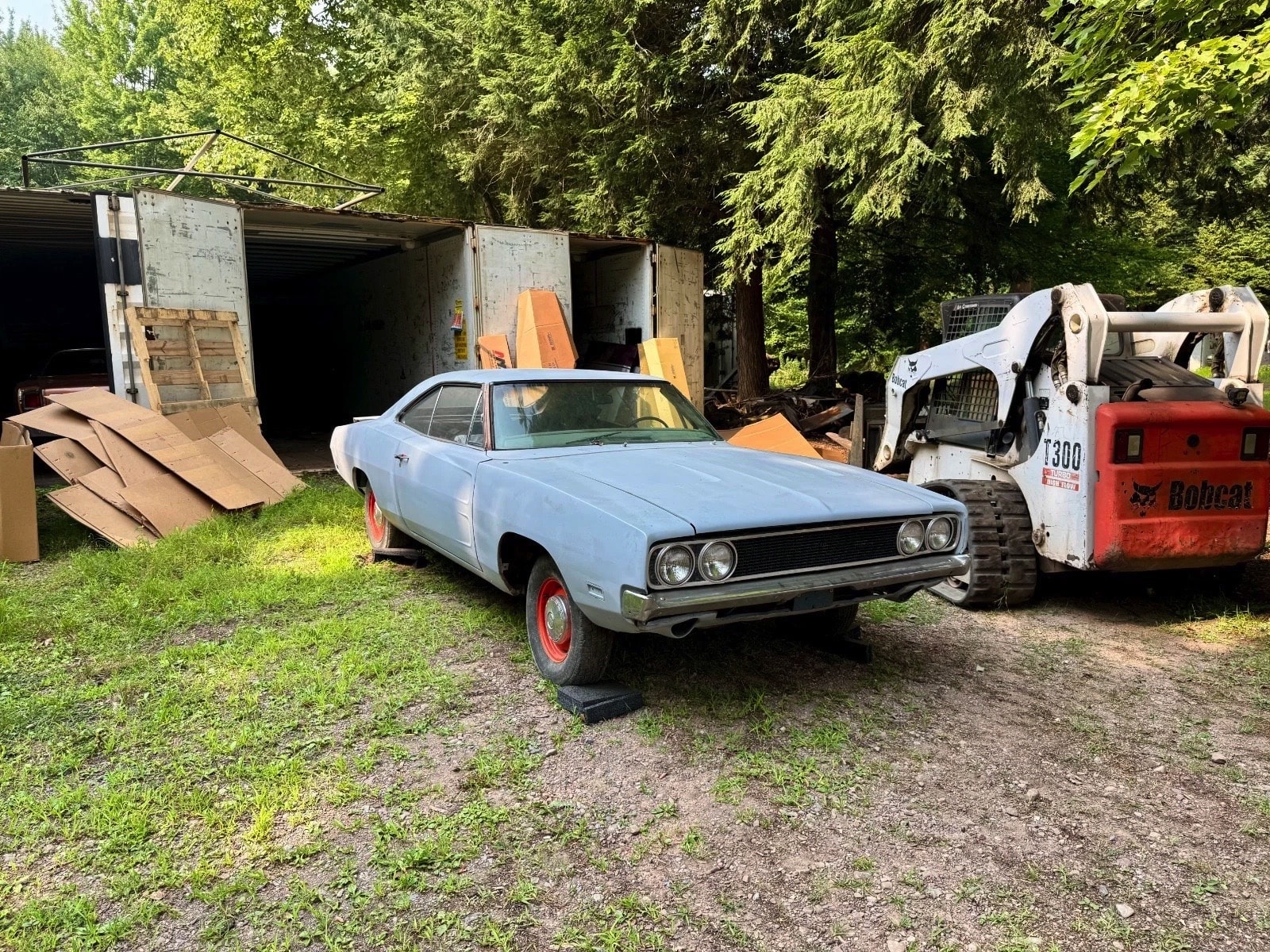
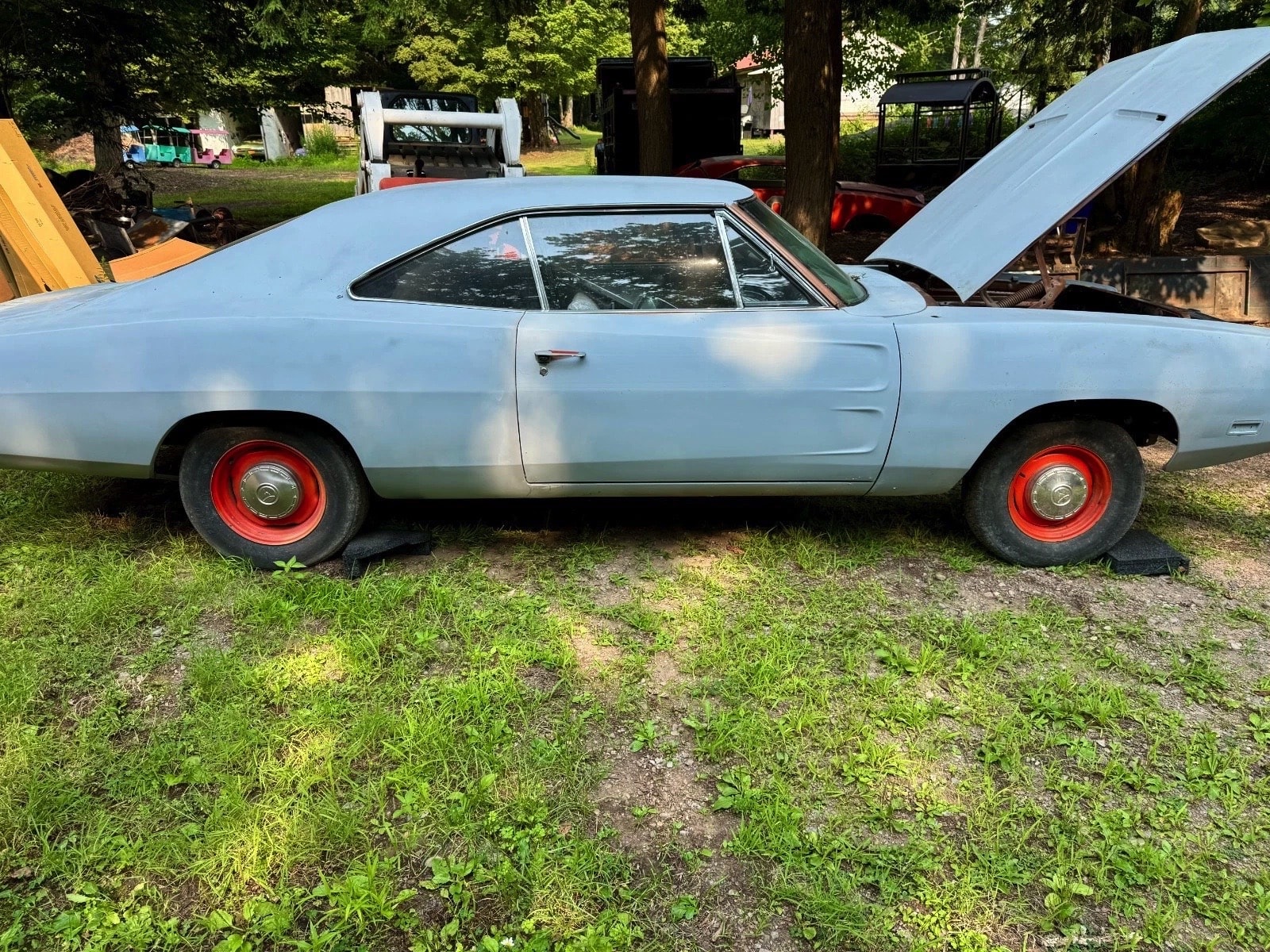
Estate finds often reveal automotive treasures that families preserved for decades, and a recently surfaced 1969 Dodge Charger 500 exemplifies this phenomenon perfectly. The seller claims Dodge produced only 392 cars in this Dodge 500 configuration, positioning this estate discovery as one of the rarest and most historically significant muscle cars to emerge from private ownership. While the Charger doesn’t have an engine under the hood, the inclusion of a date-coded 440ci V8 with the sale transforms this project from challenging restoration to comprehensive revival opportunity.
The 392 Production Mystery: NASCAR’s Homologation Legacy
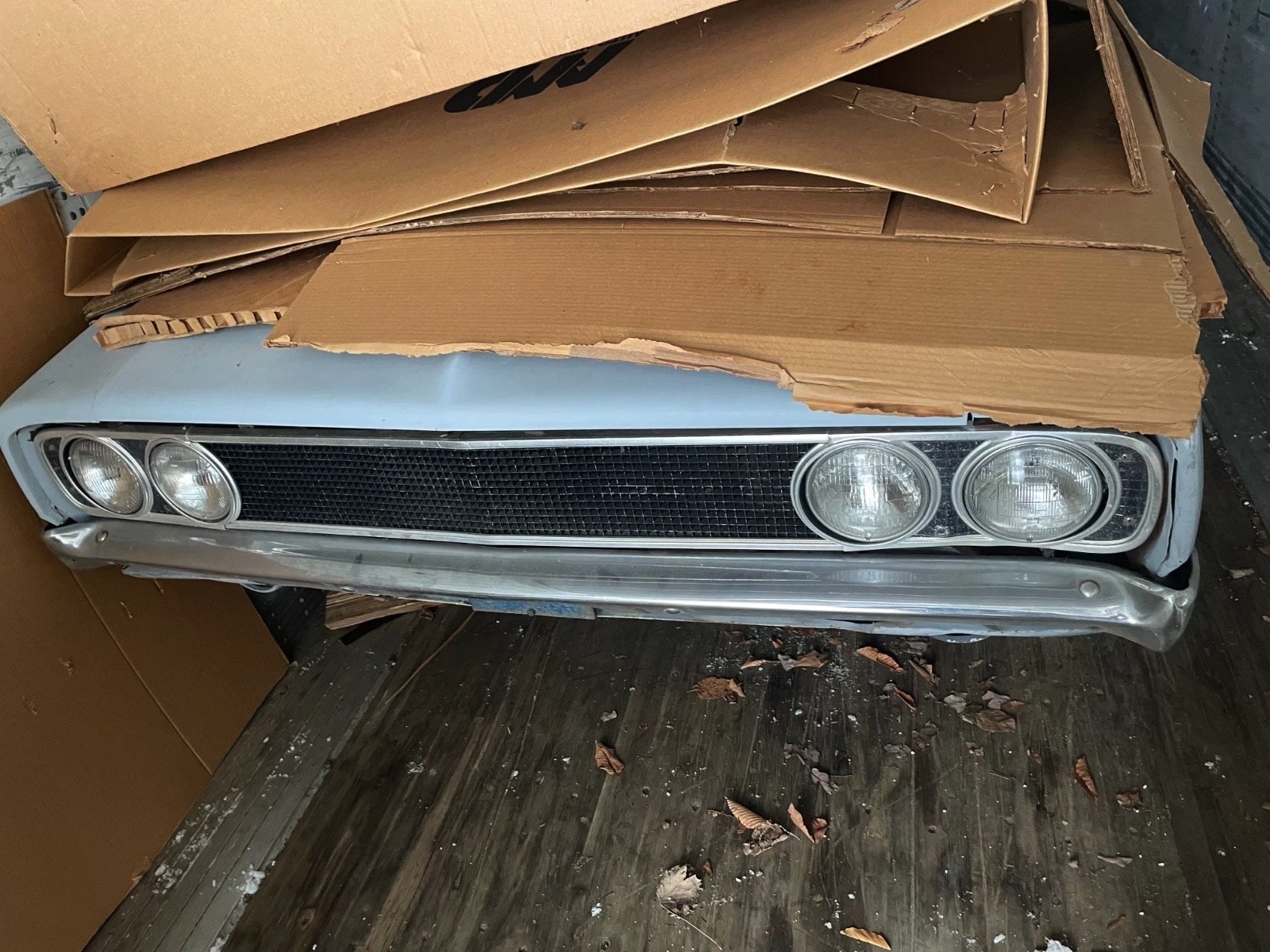
The number 392 carries special significance in Dodge Charger 500 history, though production records create interesting debates among historians and collectors. Dodge produced 392 Charger 500s as homologation specials in 1969, with only 67 cars equipped with the 426 Hemi V8 engine, making every survivor precious regardless of engine configuration.
One problem is that both the ’69 500 and the ’69 Daytona shared the body code XX29. One set of records show that 392 XX29s were shipped in the 1969 model year, and another record indicates that 501 Daytonas were produced but doesn’t mention 500s at all, creating documentation challenges that add mystique to these ultra-rare Mopars.
What remains undisputed is the Charger 500’s extreme scarcity. Dodge produced only 392 units, which makes the 500 rarer than the Daytona (503 examples produced), establishing every surviving example as a significant piece of NASCAR and muscle car history.
The NASCAR Connection: Aerodynamic Revolution
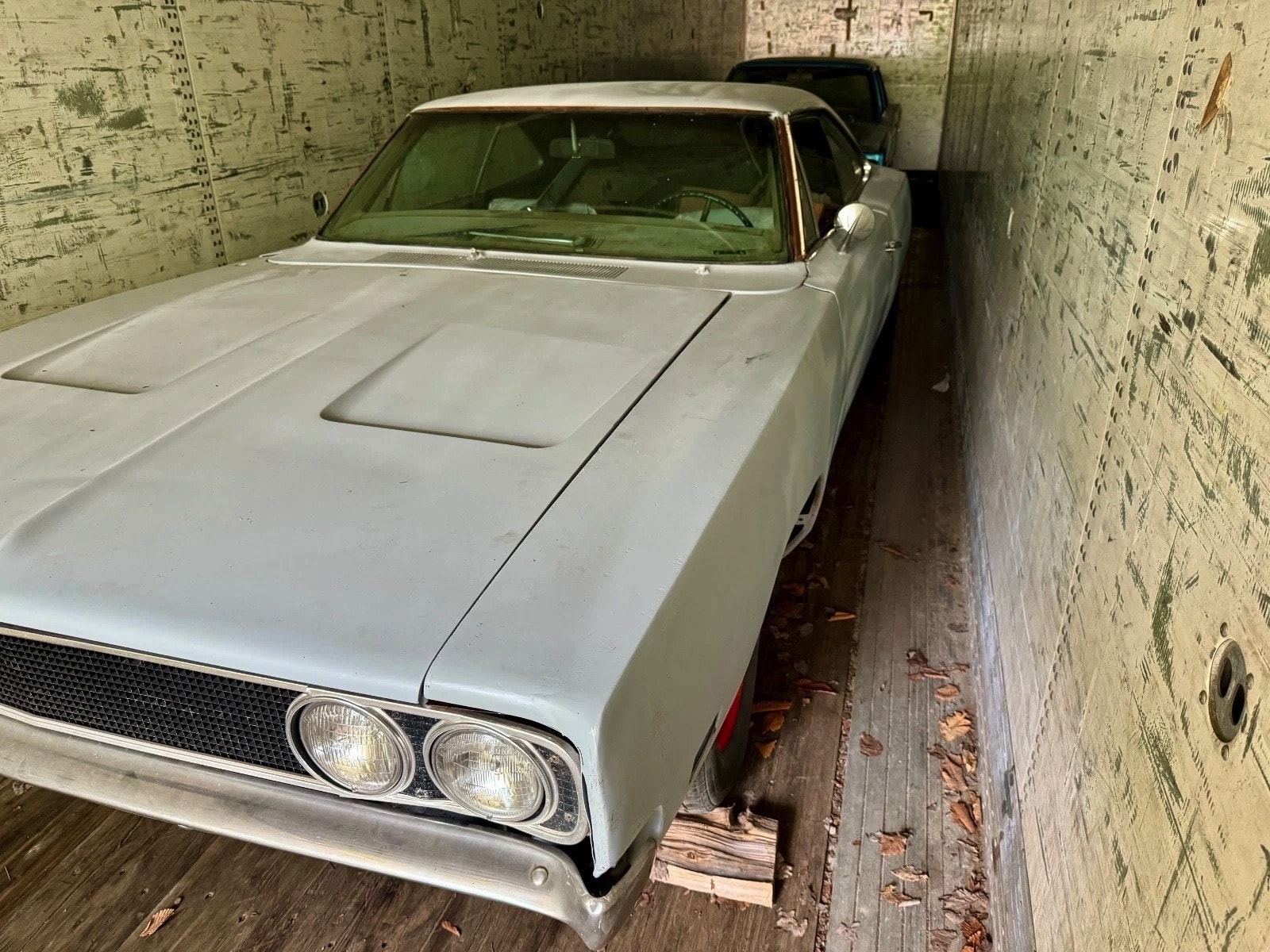
Understanding this estate find’s significance requires appreciating the Charger 500’s role in NASCAR’s “Aero Wars” era. The 500 was developed to replace the Charger R/T on NASCAR high-bank ovals after the latter failed to beat the Ford Torino Talladega, marking Dodge’s first serious attempt at aerodynamically optimized racing machinery.
Engineers found that the standard ’69 Charger’s recessed grille and flying buttress rear window created aerodynamic lift at high speeds. To fix this, the Charger 500 featured a flush-mounted grille from a Dodge Coronet and a flush, sloped rear window, addressing drag coefficients that hampered competitive performance on superspeedways.
Aerodynamic Modifications:
- Front End: Flush-mounted Coronet grille replacing recessed Charger unit
- Rear Window: Custom plug creating smooth, sloped profile
- A-Pillar Treatment: Chrome covers enhancing airflow
- Overall Effect: Reduced drag and lift for high-speed stability
Dodge needed to sell 500 of these to meet NASCAR homologation requirements, though actual production stopped at 392 units when the program’s effectiveness proved limited.
The Estate Discovery: Preservation Through Storage
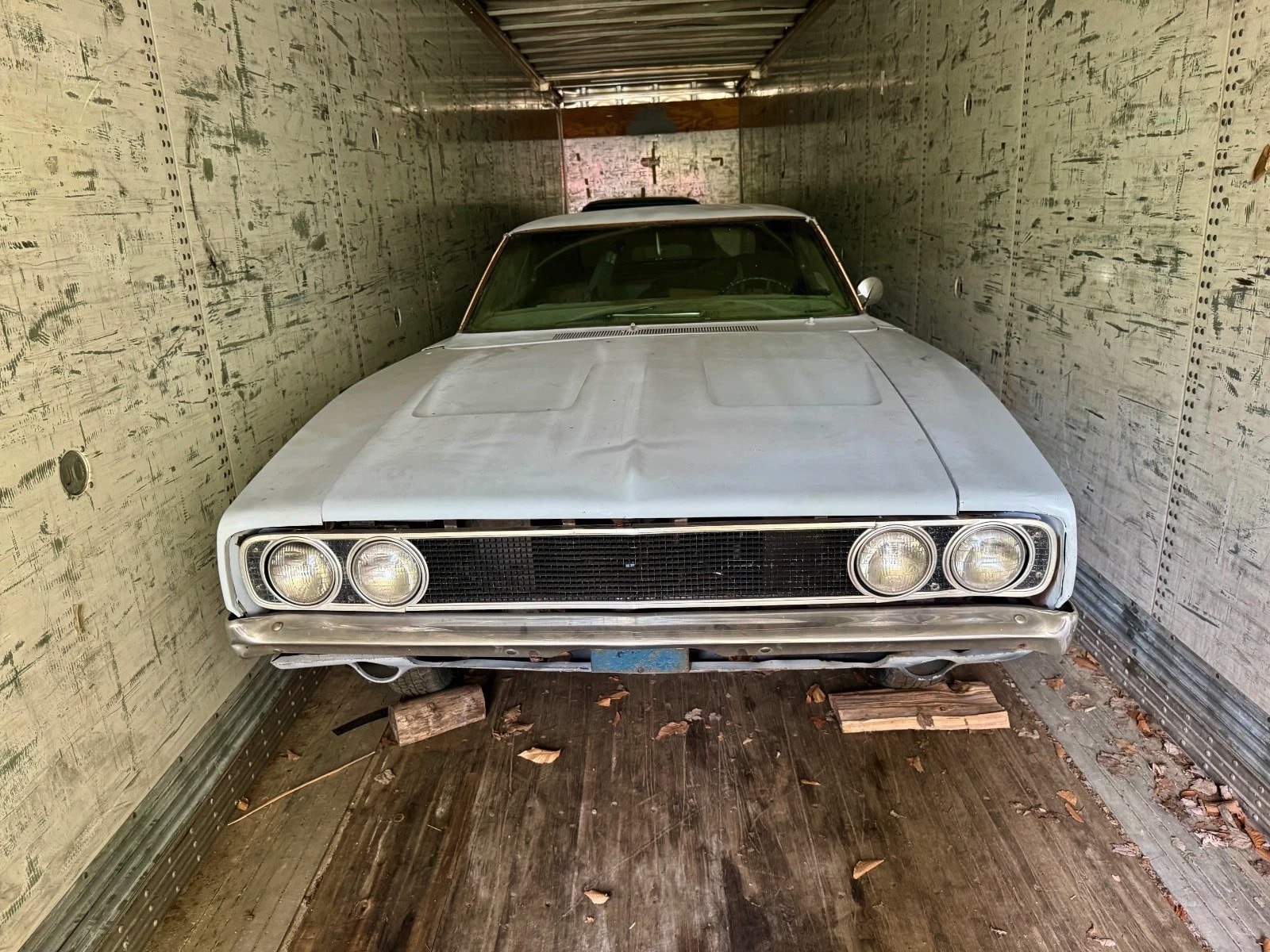
Estate finds offer unique advantages over typical barn discoveries, as family ownership often ensures better documentation, more careful storage, and emotional attachment that prevents modifications or neglect. This particular Charger 500’s estate emergence suggests decades of preservation by owners who understood its historical significance.
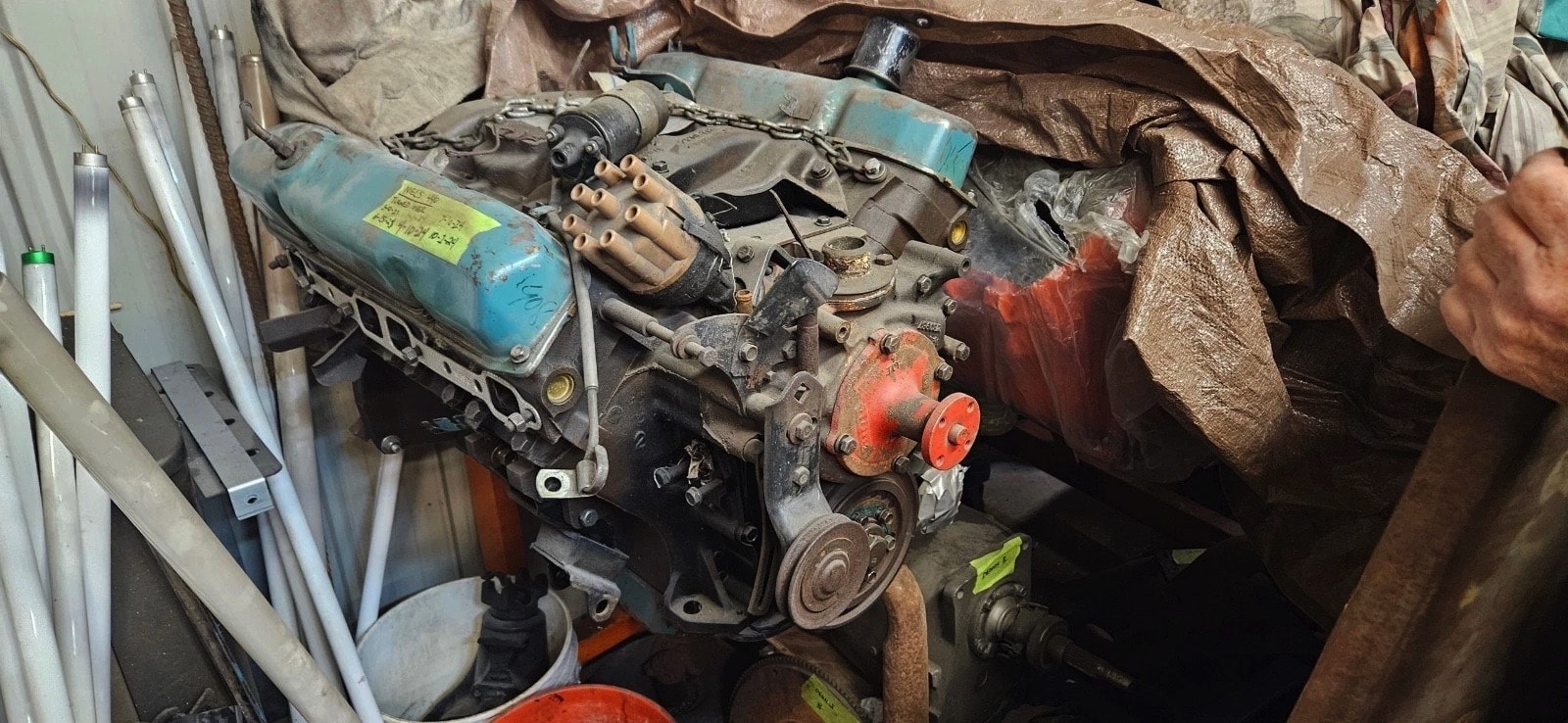
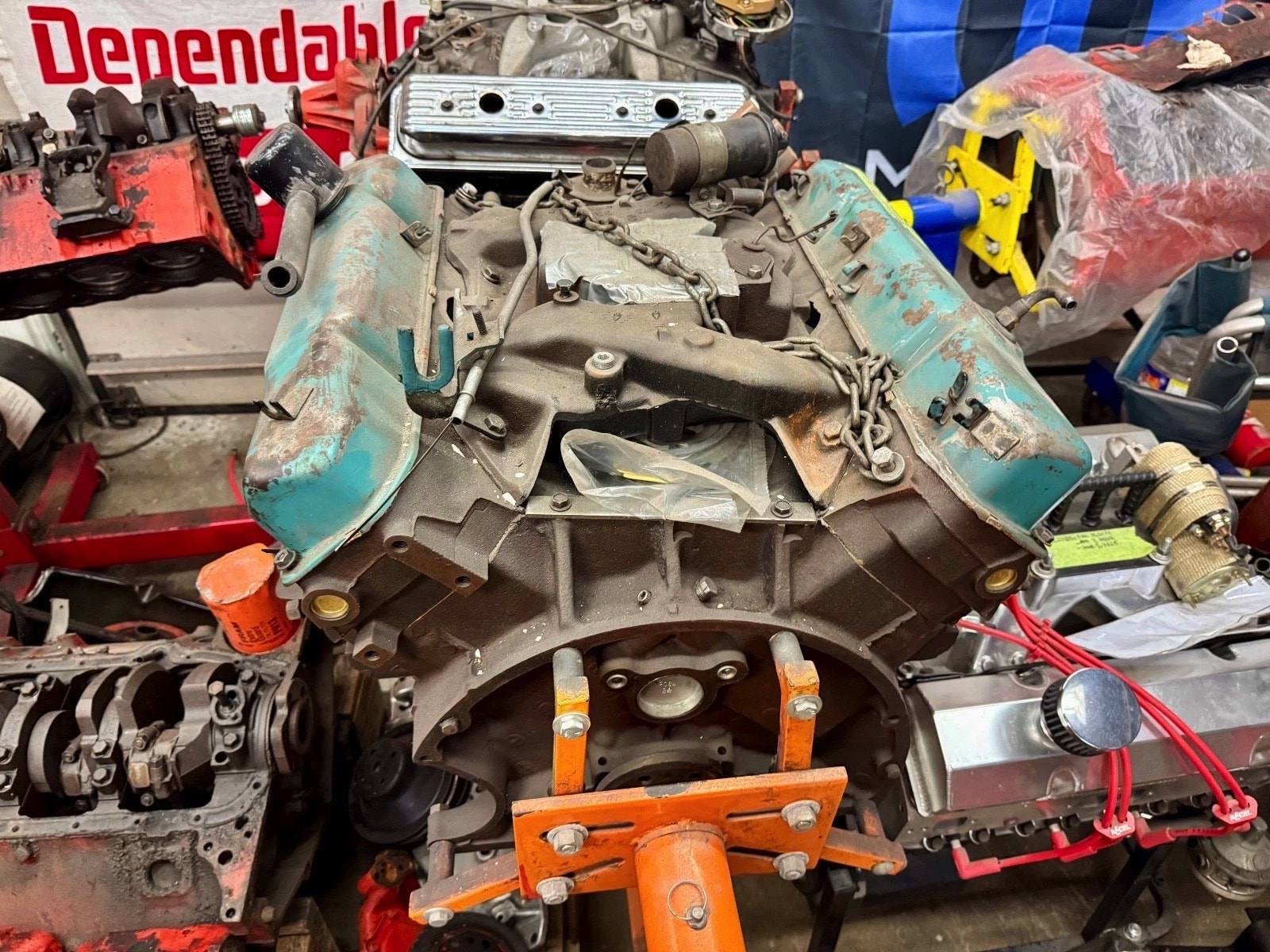
The absence of an engine under the hood, while initially concerning, becomes less problematic when considering the included date-coded 440ci V8. This arrangement suggests either careful storage of major components or thoughtful preparation for eventual restoration by someone who understood the car’s value and requirements.
The 440 Magnum Reality: Big-Block Muscle
The included 440ci engine represents the most common powerplant choice for 1969 Charger 500 buyers. The Daytona was built on the 1969 Charger’s R/T trim specifications, meaning that it carried a heavy-duty suspension and brake setup and was equipped with a 440 cu in (7.2 L) Magnum engine as standard, and this same foundation applied to the Charger 500.
440 Magnum Specifications:
- Displacement: 440 cubic inches (7.2 liters)
- Power Output: 375 horsepower (1969 SAE gross rating)
- Torque: 480 lb-ft at 3,200 rpm
- Compression Ratio: 10.1:1
- Carburetion: Single Carter AFB 4-barrel
- Performance: Quarter-mile capability in mid-13-second range
While not as exotic as the 426 Hemi option, the 440 Magnum provided serious street performance with better reliability and serviceability characteristics than the race-bred Hemi alternative.
Market Context: What Ultra-Rarity Means Today
Current classic car market conditions reveal the investment significance of Charger 500 survivors. Recent auction activity demonstrates strong appreciation for documented examples:
- Project 500s: $75,000-150,000 depending on completeness and authenticity
- Restored Examples: $200,000-350,000 for quality work with documentation
- Hemi Cars: $400,000-600,000+ for the 67 Hemi-equipped examples
- Concours Quality: Premium pricing above $500,000 for perfect examples
These values reflect both performance credentials and extreme scarcity in today’s collector market, where 392 total production ensures every survivor commands serious attention.
Authentication Challenges and Opportunities
For Charger 500 projects, authentication becomes crucial due to both rarity and potential for misrepresentation. The shared XX29 body code with Charger Daytonas creates documentation challenges that require expert evaluation:
Critical Verification Points:
- VIN decoding for authentic 500 designation versus Daytona conversion
- Body tag confirmation of aerodynamic package components
- Build sheet or broadcast sheet documentation if available
- Date-coded engine matching for numbers verification
- Aerodynamic component authenticity including grille and rear window plug
Professional authentication often justifies its cost through increased collector confidence and market value realization for genuine examples.
Restoration Investment Analysis
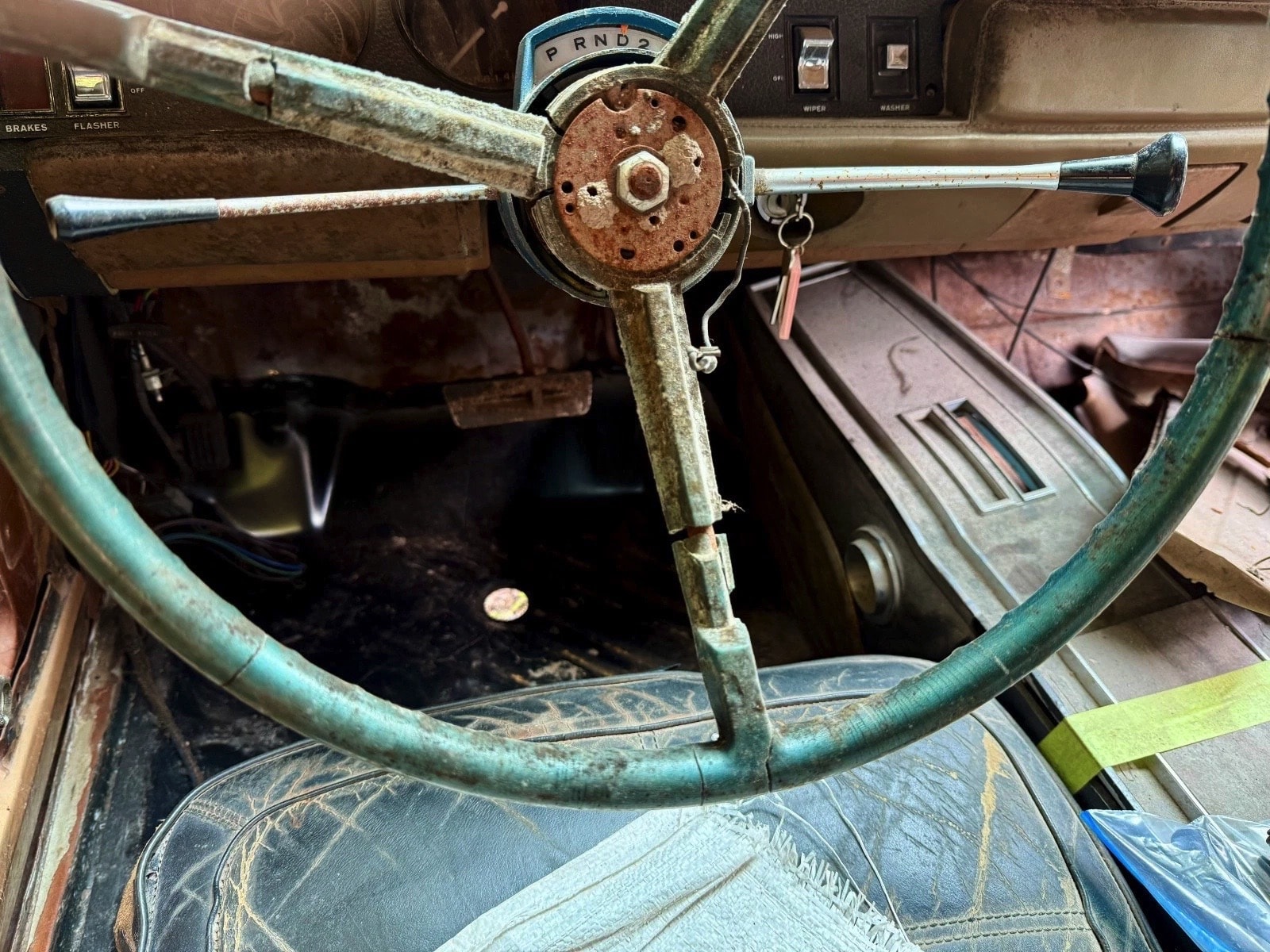
The combination of missing engine installation and comprehensive recommissioning requirements creates significant financial considerations:
Estimated Restoration Costs:
- Engine installation and recommissioning: $8,000-15,000
- Body and paint restoration: $25,000-50,000
- Interior restoration: $12,000-25,000
- Aerodynamic component restoration/sourcing: $8,000-15,000
- Mechanical systems overhaul: $10,000-20,000
- Total Professional Restoration: $80,000-150,000+
These figures assume professional-quality work and availability of correct aerodynamic components, which can be challenging to source for 500 models.
The Aero Wars Legacy: Historical Significance
The Charger 500 represents more than mere muscle car performance – it documents NASCAR’s transition toward aerodynamic optimization that would define racing for decades. Though unsuccessful against Ford’s Talladega, the 500 provided crucial development experience that led to the more successful Charger Daytona.
This historical significance extends beyond racing to influence production car design, as manufacturers began incorporating aerodynamic principles into street vehicles. The 500’s flush grille and rear window treatments prefigured design trends that would become standard practice in later decades.
Investment vs. Passion Project Analysis
This estate-discovered Charger 500 presents compelling arguments for both financial investment and pure automotive passion:
Financial Justification:
- Extreme rarity (392 total production) ensuring continued appreciation
- NASCAR heritage adding historical significance premium
- Growing collector recognition of Aero Wars importance
- Strong parts availability supporting restoration completion
Enthusiast Appeal:
- Connection to NASCAR’s most innovative period
- Distinctive appearance differentiating from standard Chargers
- Big-block performance providing authentic muscle car experience
- Community recognition within Mopar collecting circles
The Verdict: Significant Discovery Worth Preserving
This estate-emerged 1969 Dodge Charger 500 represents exactly the type of discovery that validates patient collecting and family preservation efforts. The seller’s claim of “1 of 392” accurately reflects documented production numbers while emphasizing this car’s position among America’s rarest muscle cars.
The included date-coded 440 engine transforms this project from parts car to comprehensive restoration opportunity, providing the major component necessary for authentic revival. While restoration costs will be substantial, the combination of extreme rarity, NASCAR heritage, and strong market appreciation creates compelling justification for preservation investment.
Success Factors for Potential Buyers:
- Professional authentication ensuring genuine 500 status
- Realistic budgeting for comprehensive restoration requirements
- Understanding of aerodynamic package component sourcing challenges
- Appreciation for NASCAR history and Aero Wars significance
- Long-term commitment matching the car’s historical importance
Whether this particular estate discovery becomes a concours restoration or preservation-focused driver, its emergence represents victory for automotive history and proof that significant muscle cars still surface from unexpected sources. The Charger 500’s rarity ensures that every survivor contributes to maintaining one of NASCAR’s most innovative chapters in accessible form.
For serious Mopar collectors, discoveries like this reinforce the importance of investigating every estate opportunity thoroughly – sometimes the most significant automotive treasures emerge from families who understood their historical value long before the broader market recognized their significance.