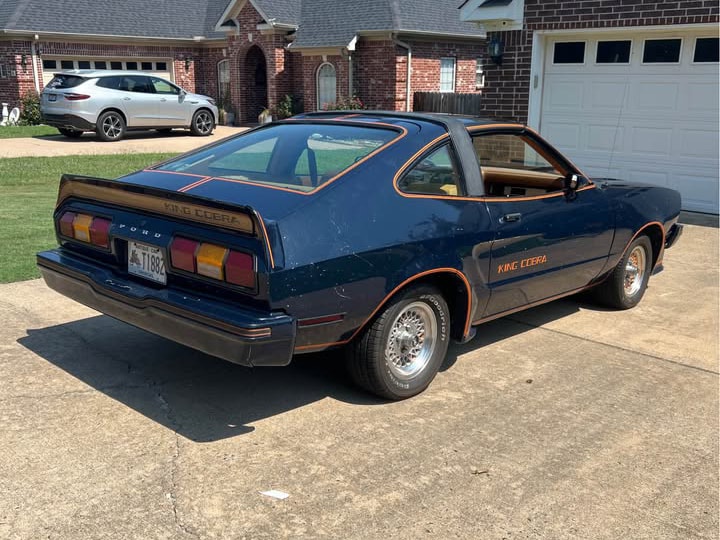
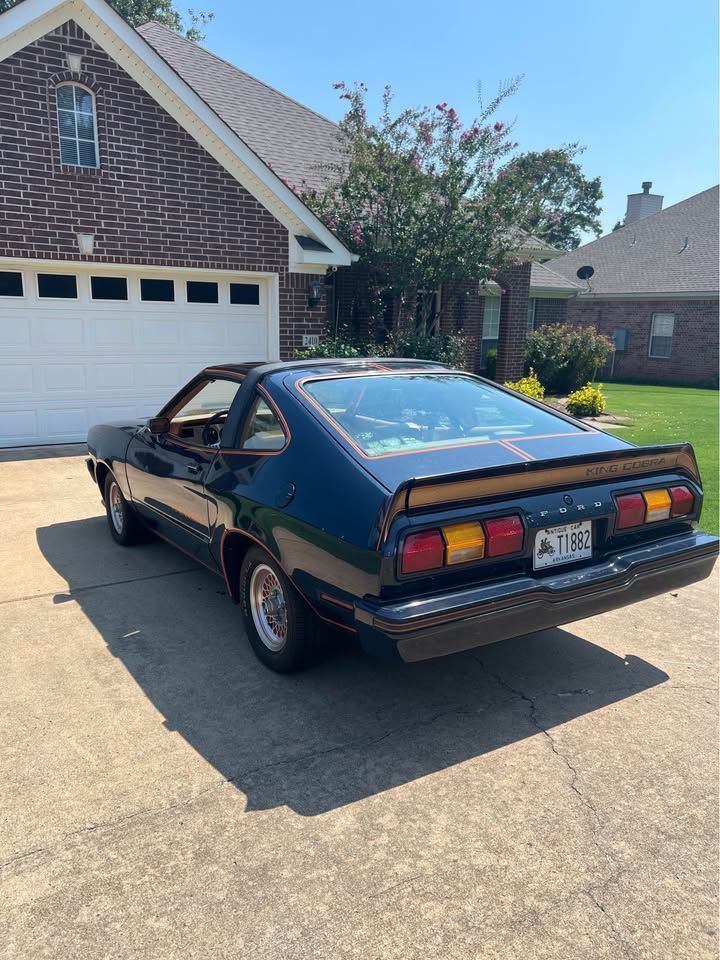
In the classic car world, family-owned survivors carry special significance that extends far beyond their mechanical condition. A recently surfaced 1978 Ford Mustang II King Cobra that remained in the same family for decades perfectly illustrates why these carefully preserved examples command growing collector respect. Ford built just over 4,000 King Cobras in 1978, making this family-owned 302 V8, 4-speed, T-top survivor a testament to why the Malaise Era Mustang is finally receiving the recognition it deserves among serious enthusiasts.
The Family Ownership Advantage: Preservation Through Care
Family ownership stories resonate deeply within the classic car community because they typically ensure continuous care rather than neglect. In the classic car world, we tend to love finding vehicles that are still in the care of their original owners, or one family owned, and this King Cobra exemplifies exactly why such provenance matters for both condition and authenticity.
Extended family stewardship often means regular maintenance, indoor storage, and emotional attachment that prevents the modifications, abuse, or abandonment that claim so many classics over the decades. This particular King Cobra’s survival in family hands through the Malaise Era and beyond speaks to the car’s significance to its caretakers.
1978 King Cobra: The Final Performance Statement
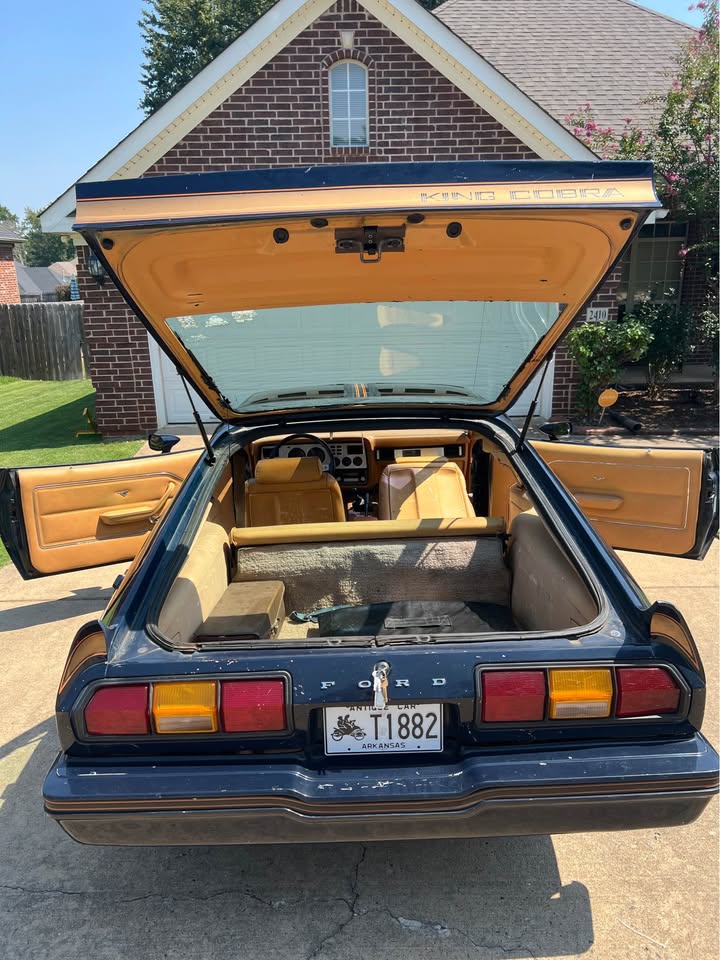
Understanding this discovery’s importance requires appreciating what the King Cobra represented in Ford’s 1978 lineup. Whether by accident or design, just 4,313 copies were made in only 1978, making it one of the rarest Mustangs ever produced. The King Cobra served as Ford’s answer to Pontiac’s Trans Am, complete with similar graphics and performance aspirations during challenging times for American automotive performance.
The 1978 model year marked the Mustang II’s final chapter before the Fox-body revolution began in 1979. As such, the King Cobra represents the ultimate expression of Ford’s second-generation Mustang philosophy – maximizing visual impact and driving excitement within the constraints of emissions regulations and fuel economy concerns.
1978 King Cobra Production Facts:
- Total Production: 4,313 units (all 1978 model year)
- Body Style: Fastback hatchback only
- Special Features: Deep front air dam, distinctive graphics, rear spoiler
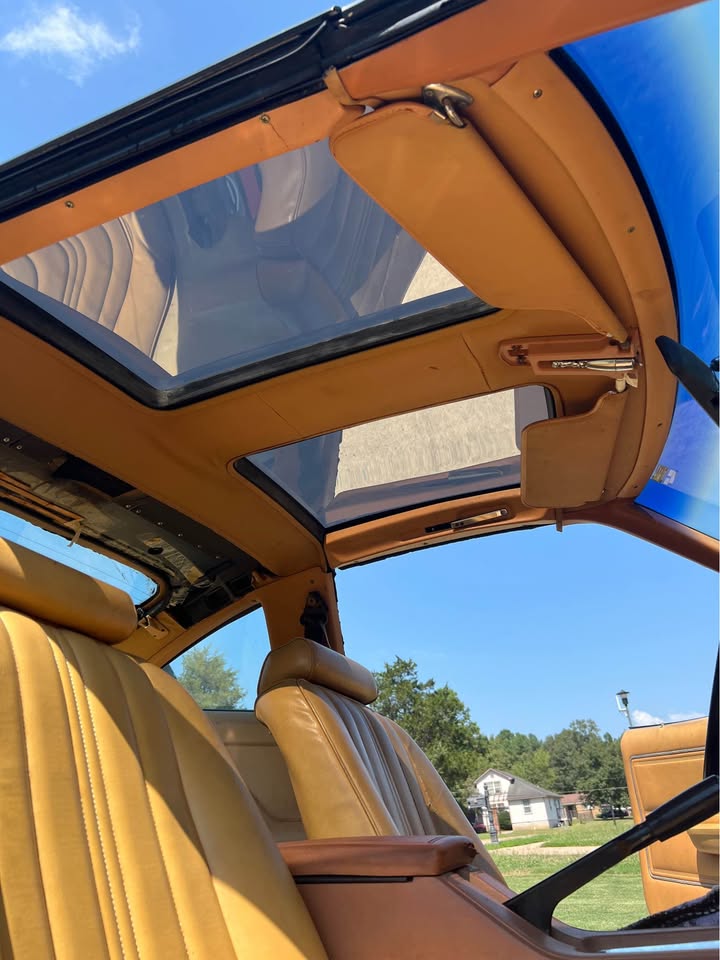
- T-top Availability: Optional removable roof panels
- Market Position: Premium performance variant of Mustang II lineup
The 302 Reality: Malaise Era Power
This family-owned survivor’s 302 V8 powerplant tells the story of 1970s automotive compromise. The 302 was a shadow of its former self in 1978, producing 139hp and 250 ft/lbs of torque, reflecting the harsh reality of emissions controls and fuel efficiency priorities that defined the Malaise Era.
The primary engine option was a 302 cubic inch (5.0 L) V8 producing just 139 bhp due to emissions equipment that strangled the performance. This represented a dramatic reduction from earlier 302 configurations, yet it still provided V8 character that four-cylinder alternatives couldn’t match.
1978 King Cobra 302 Specifications:
- Displacement: 302 cubic inches (5.0 liters)
- Power Output: 139 horsepower (SAE net)
- Torque: 250 lb-ft
- Carburetion: Two-barrel downdraft
- Performance: Quarter-mile in 17.1 seconds (typical)
While these numbers seem modest by modern standards, they represented serious performance for 1978 when most cars struggled to achieve adequate acceleration while meeting stringent emissions requirements.
T-Top and Transmission: Desirable Options
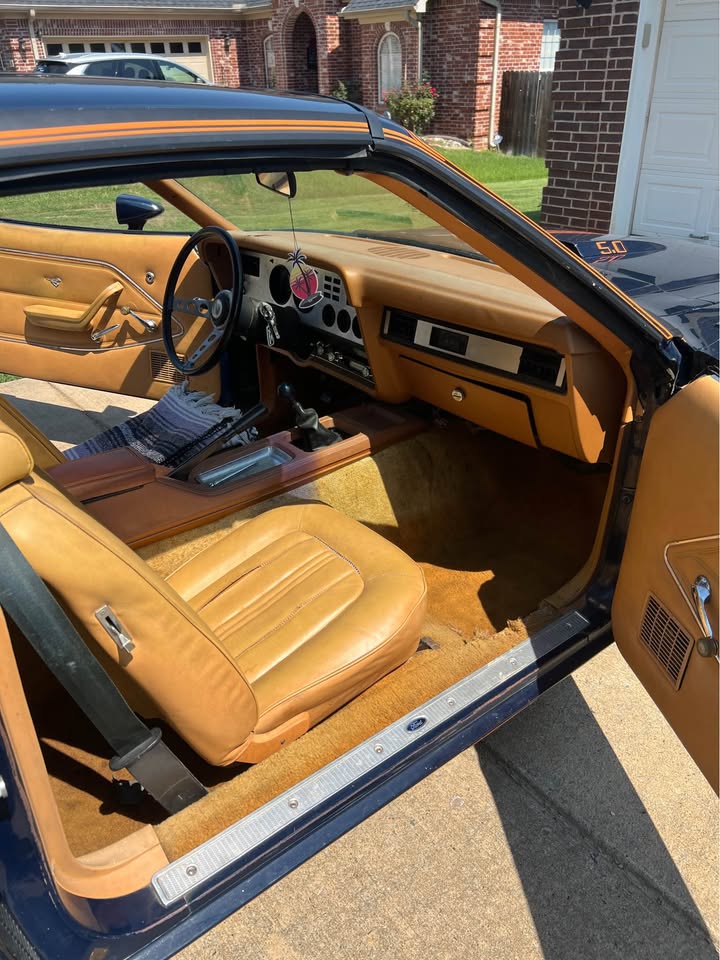
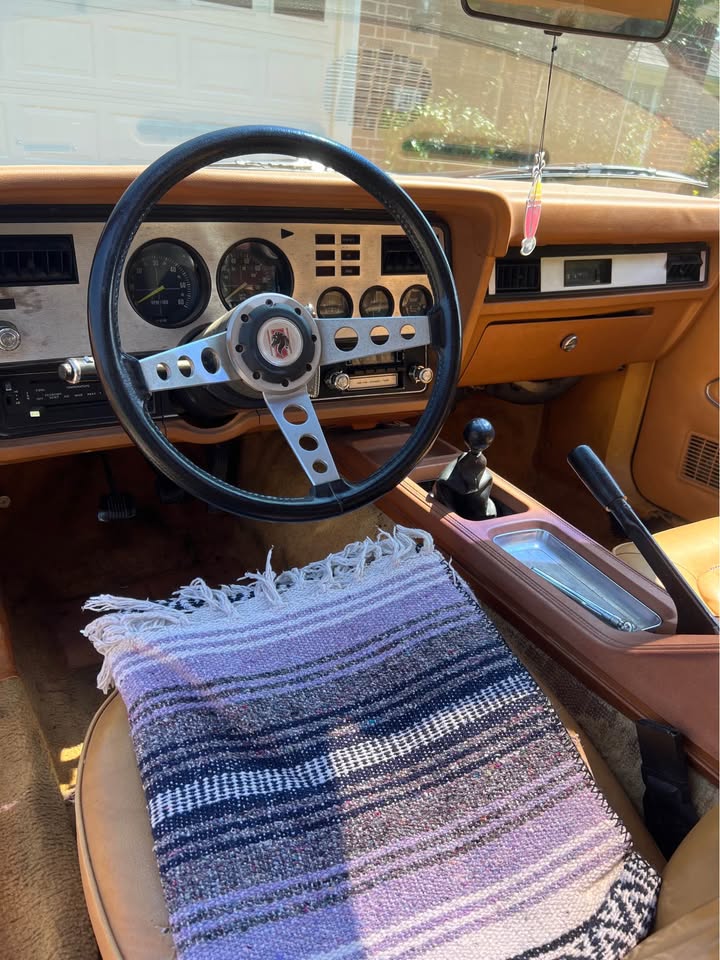
This family-owned King Cobra’s equipment combination enhances its collector significance. The original owner ordered the car with the 302ci V8, 4-speed manual transmission, power steering, and power front disc brakes, creating an engaging driving experience despite period power limitations.
The T-top option added open-air excitement that appealed to buyers seeking convertible-style freedom with coupe structural integrity. Closest figure I can give you is Hatchbacks because T-Tops were a Hbk only option and 76376 hbk’s were made 7968 of which were Mach 1’s, though V8’s in 78 were installed in about 17.9% of II’s, making this particular combination relatively uncommon.
Market Evolution: From Forgotten to Collectible
The classic car market’s attitude toward Mustang IIs has undergone dramatic transformation in recent years. The seller of this rare 1978 Ford Mustang II King Cobra claims “values are skyrocketing” for these heavily flared and sticker’d faux muscle cars, indicative of changing collector perspectives about Malaise Era performance cars.
Several factors contribute to growing King Cobra appreciation:
Collector Appeal Factors:
- Extreme production rarity (only 4,313 built)
- Historical significance as final Mustang II performance variant
- Distinctive styling that aged better than critics initially predicted
- Growing nostalgia for 1970s automotive culture
- Affordability compared to first-generation muscle cars
Recent auction results support rising values, with quality King Cobras selling in the $15,000-30,000 range depending on condition and documentation.
The Restoration Advantage of Family Ownership
Family-owned classics like this King Cobra typically offer significant advantages for collectors and restorers:
Preservation Benefits:
- Complete documentation and ownership history
- Original components retained rather than modified or discarded
- Regular maintenance preventing major mechanical failures
- Indoor storage protecting from weather damage
- Emotional attachment ensuring careful handling
These factors often translate into lower restoration costs and higher finished values due to authenticity and completeness that modified or neglected examples cannot provide.
Malaise Era Redemption: Changing Perspectives
Modern collectors increasingly appreciate Malaise Era cars for their historical significance rather than dismissing them for power deficits. This family-owned 1978 King Cobra survivor shows why the Malaise Era Mustang is finally getting respect among enthusiasts who understand automotive context beyond raw horsepower numbers.
The King Cobra represented Ford’s commitment to maintaining Mustang’s performance image during extraordinarily challenging circumstances. While power outputs seemed disappointing compared to 1960s standards, the car delivered distinctive styling, V8 character, and driving engagement that kept the performance flame alive through difficult times.
Investment Potential: Rarity Drives Demand
Current market dynamics favor rare, well-preserved examples like this family-owned King Cobra:
Value Drivers:
- Extreme Production Rarity: Fewer than 4,400 built total
- Single-Year Availability: Only offered in 1978
- Family Ownership Provenance: Documented care and authenticity
- Original Equipment: 302 V8, 4-speed, T-top combination
- Historical Significance: Final Mustang II performance model
Current Market Values:
- Project Cars: $8,000-15,000 depending on completeness
- Driver Quality: $15,000-25,000 for presentable examples
- Excellent Condition: $25,000-35,000 for documented survivors
- Concours Examples: $35,000+ for perfect restorations
The 1979 Transition Context
1978 marked the last year of the Mustang II before Ford transitioned to the third-generation Mustang in 1979. The new model, built on the Fox Body platform, would revolutionize Mustang performance and return the nameplate to serious muscle car status. This transition makes the King Cobra historically significant as the final chapter of Ford’s most controversial Mustang generation.
Understanding this context helps explain why family-owned King Cobras like this survivor deserve preservation and respect as automotive artifacts documenting a unique period in American automotive history.
The Verdict: Significant Survivor Worth Celebrating
This family-owned 1978 King Cobra Mustang II represents exactly the type of discovery that validates patient collecting and careful preservation. Its decades in family care protected both the car’s physical condition and historical authenticity, creating a survivor that tells the complete story of Ford’s Malaise Era performance efforts.
The combination of extreme rarity (only 4,313 built), desirable equipment (302 V8, 4-speed, T-top), and family ownership provenance creates compelling arguments for both preservation and investment potential. While critics once dismissed the King Cobra as a failed attempt at muscle car revival, modern perspectives recognize its significance as a bridge between classic muscle and modern performance eras.
Future Outlook:
- Growing collector appreciation for Malaise Era survivors
- Increasing rarity as examples succumb to age and neglect
- Strong documentation and provenance advantages from family ownership
- Historical significance as final Mustang II performance variant
- Investment potential supported by extreme production numbers
Whether this particular King Cobra continues in family hands or finds new appreciation among collectors, its emergence demonstrates the importance of automotive stewardship that preserves history through careful ownership. Every family-owned survivor that surfaces reinforces the value of emotional attachment over mere transportation utility.
For enthusiasts discovering new appreciation for Malaise Era performance cars, this King Cobra provides perfect introduction to why these often-maligned classics deserve reconsideration. Sometimes the most significant automotive stories aren’t about raw power, but about perseverance through challenging times – qualities this family-owned survivor embodies perfectly.