Sometimes the most heartbreaking barn finds are the ones that started as restoration projects but never reached completion. A 1973 Plymouth ‘Cuda with its original 340 V8 engine in pieces has been sitting dormant since 1984, representing both the unfulfilled dreams of its owner and a potential resurrection opportunity for the right enthusiast. This third-generation E-body survivor embodies the twilight of the muscle car era while offering modern collectors a chance to complete what someone started four decades ago.
The 40-Year Hibernation: Dreams Deferred Since 1984
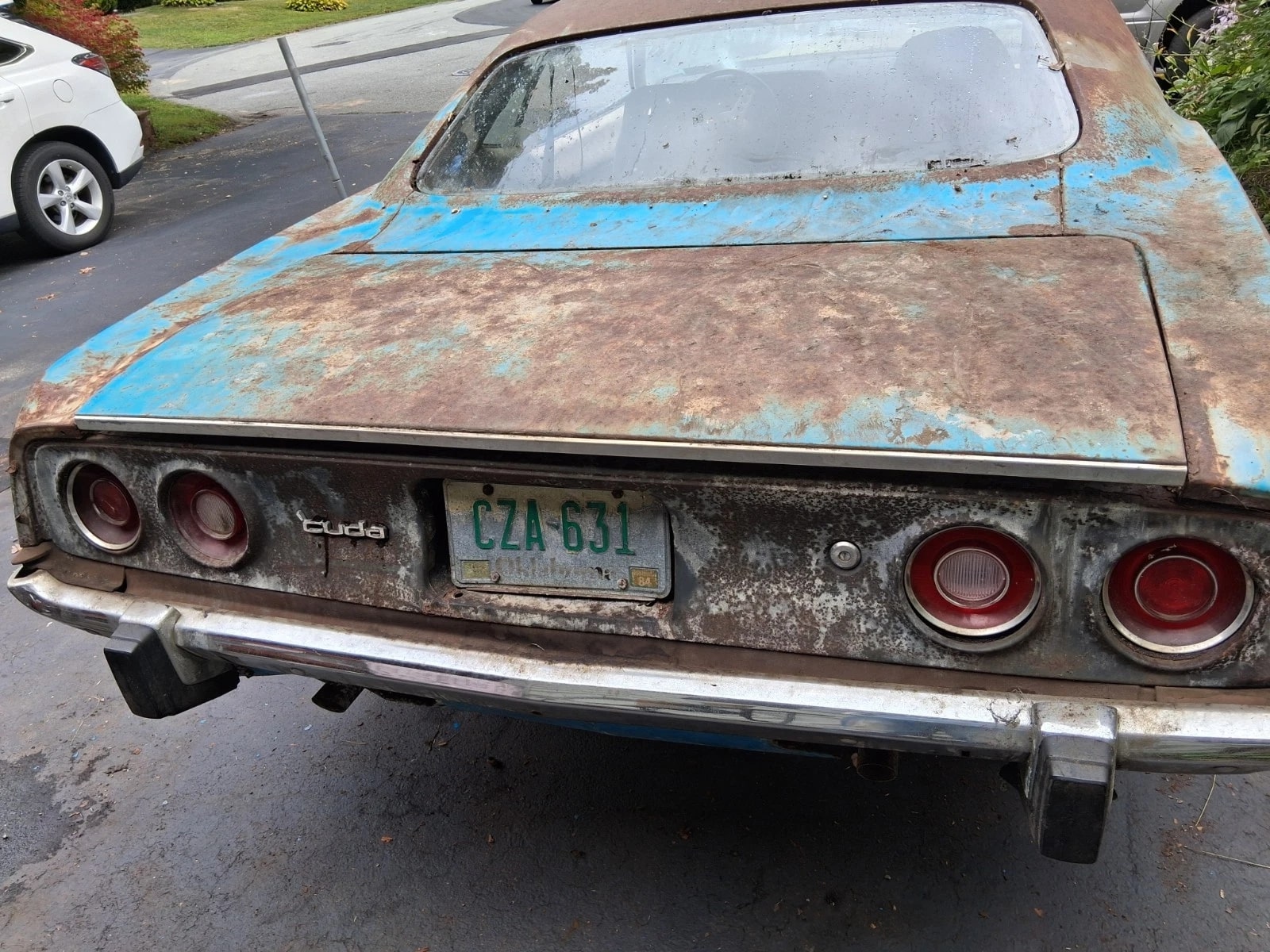
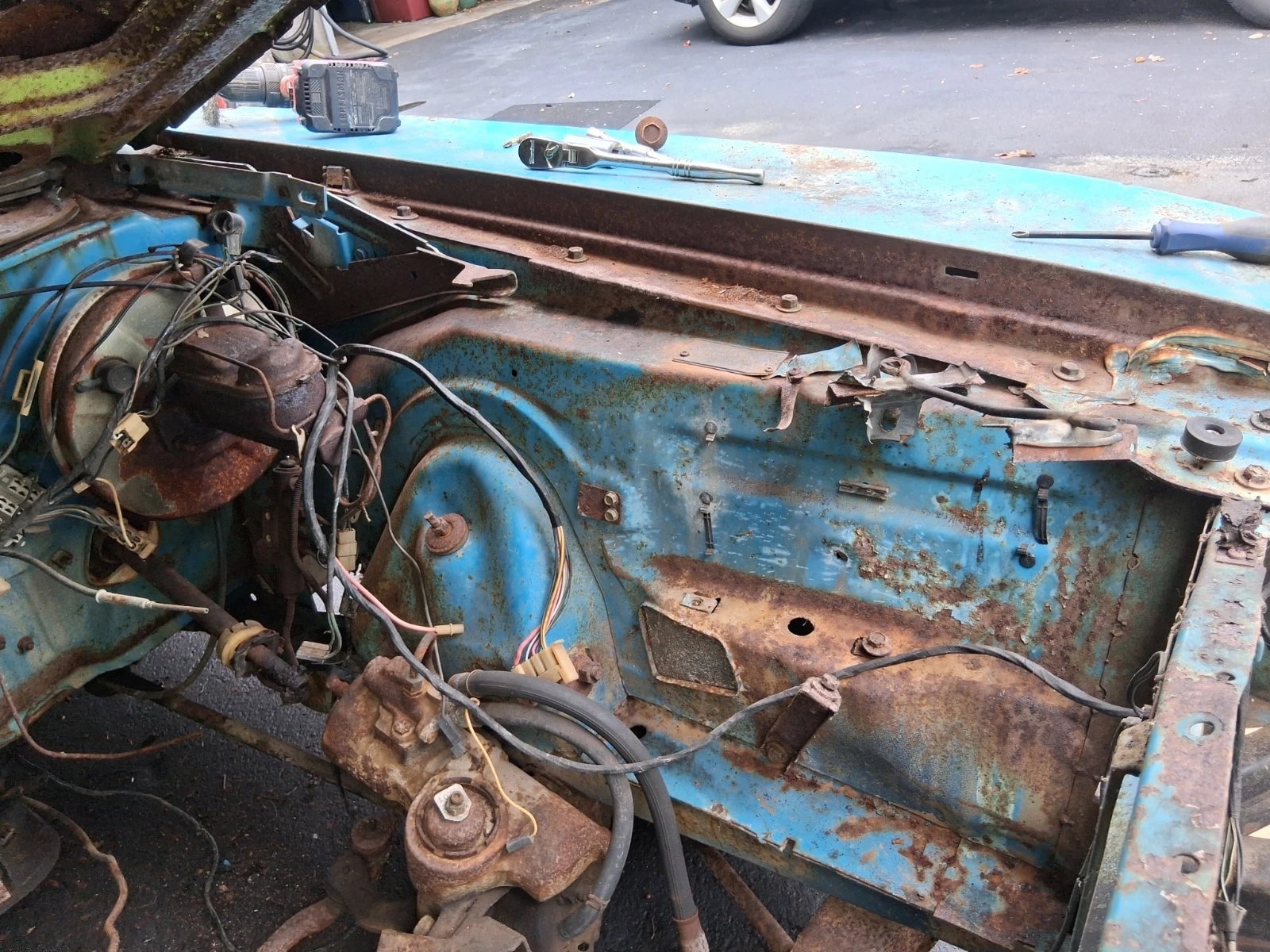
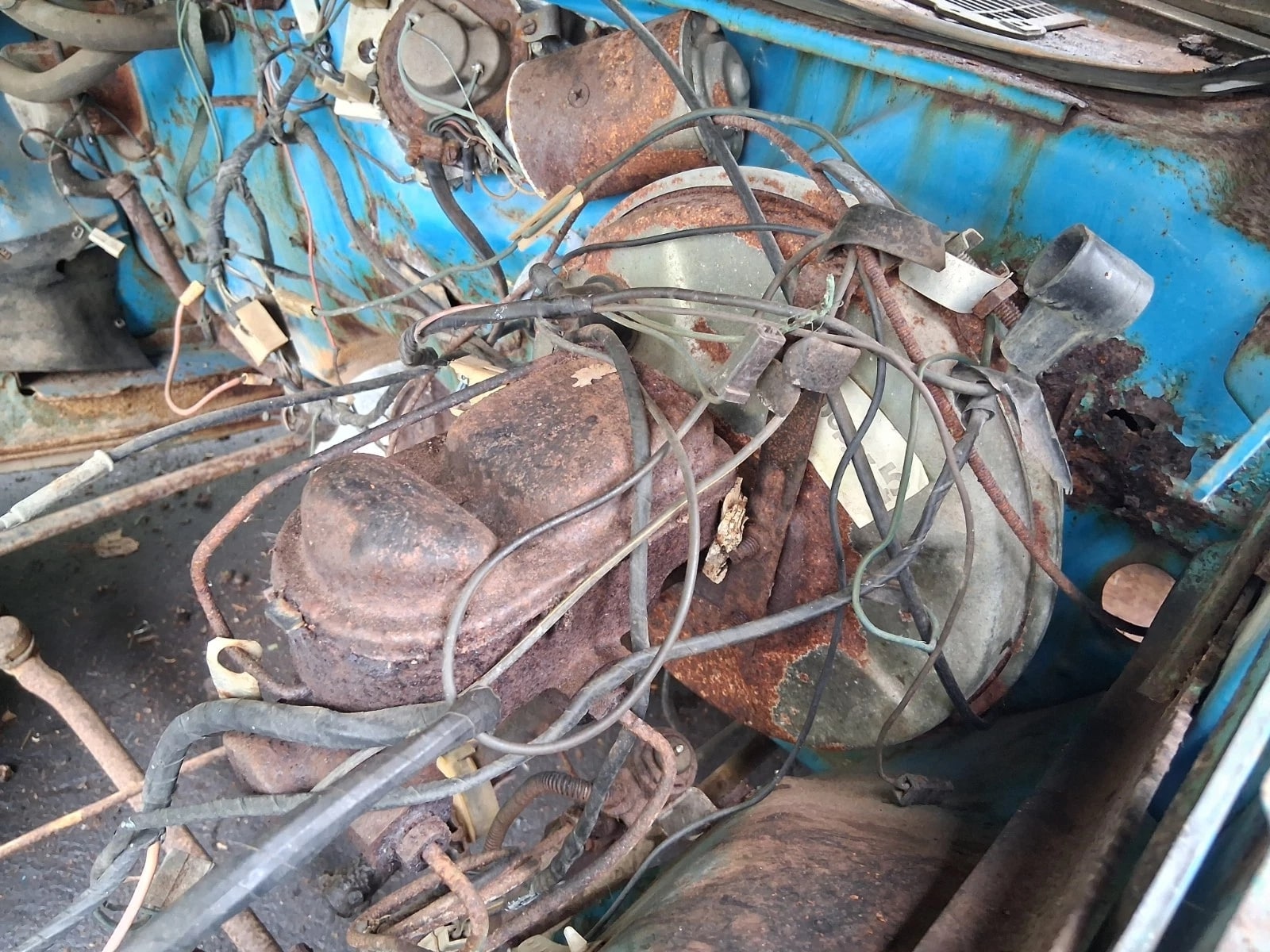
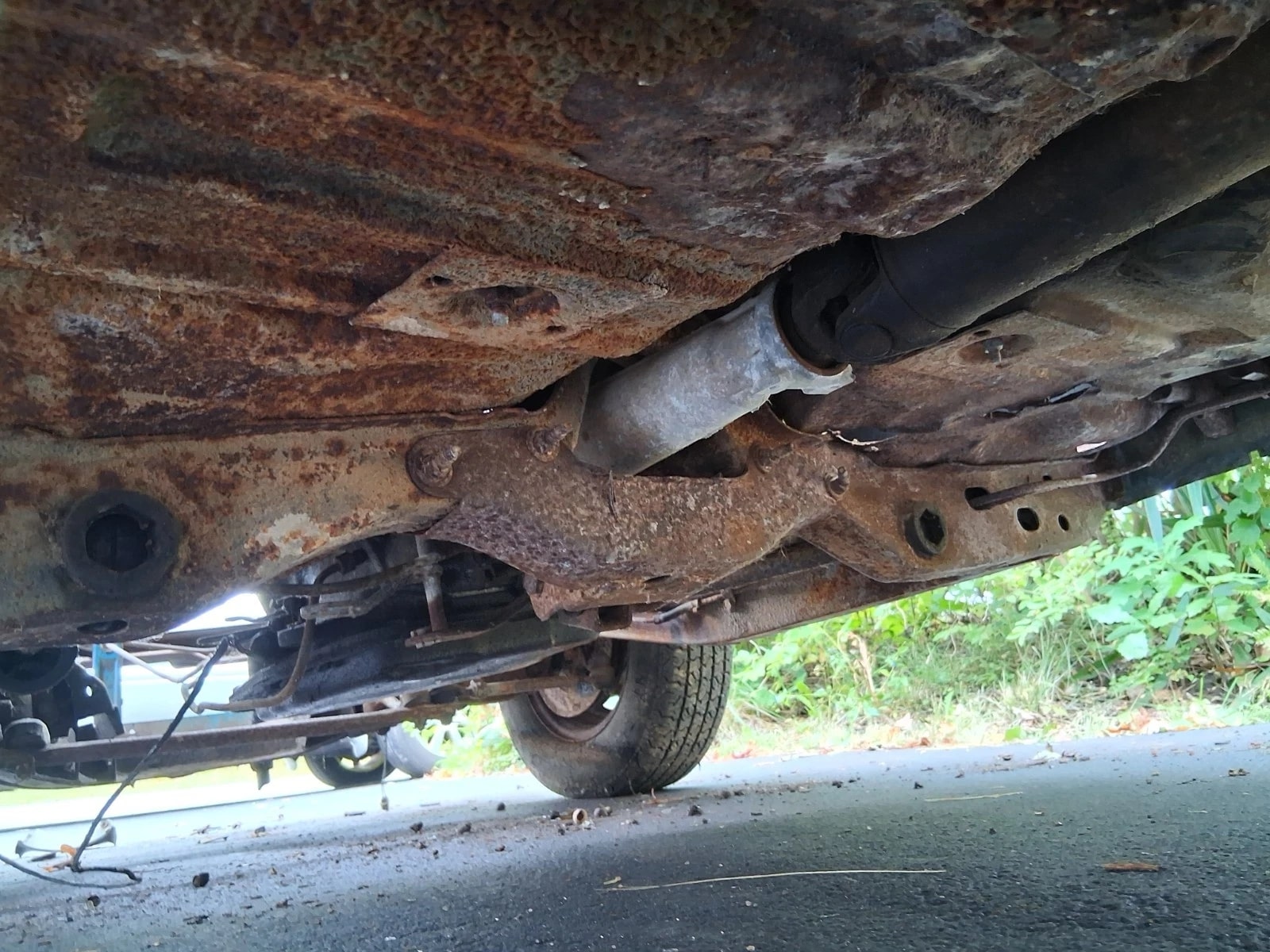
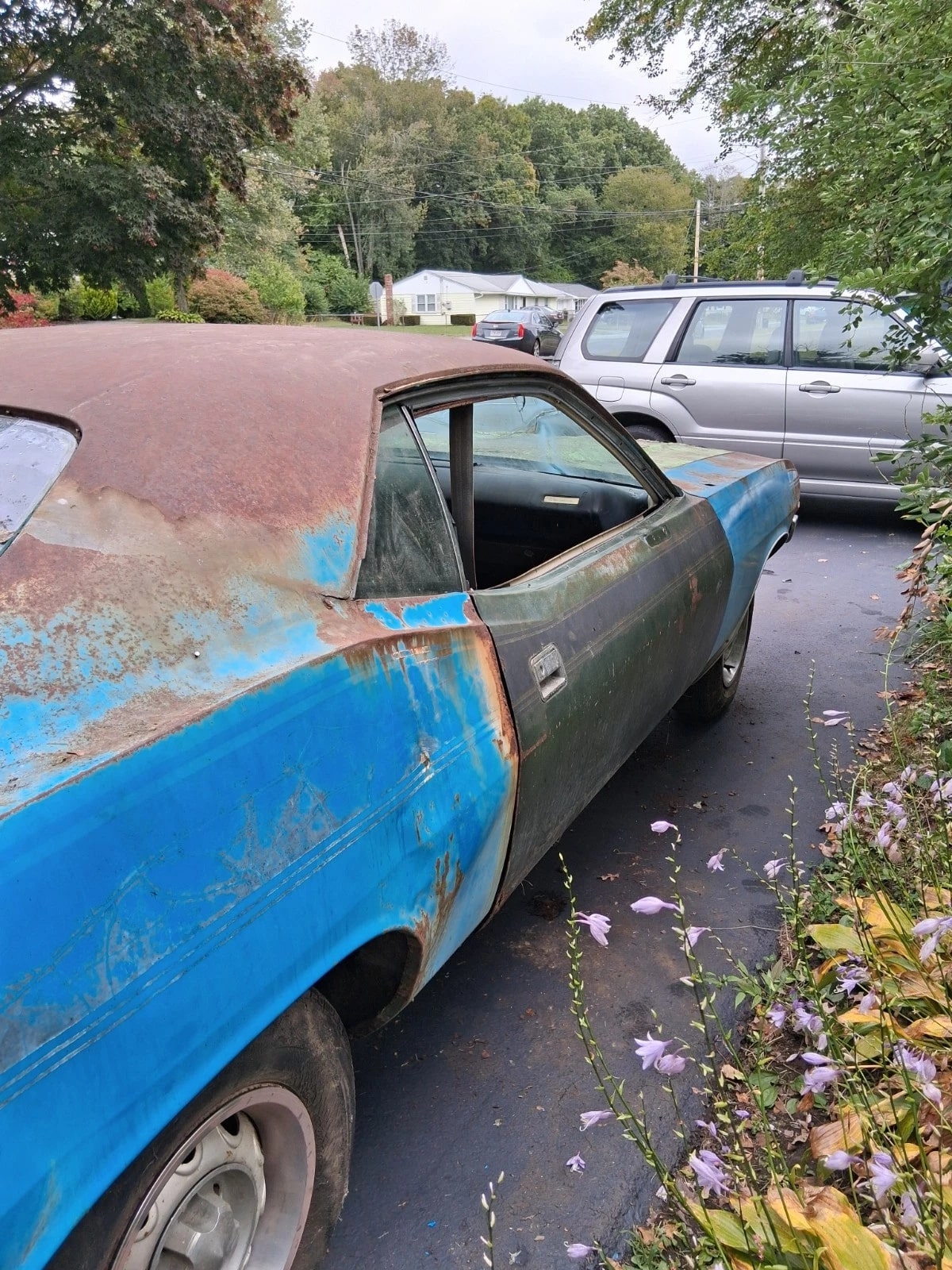
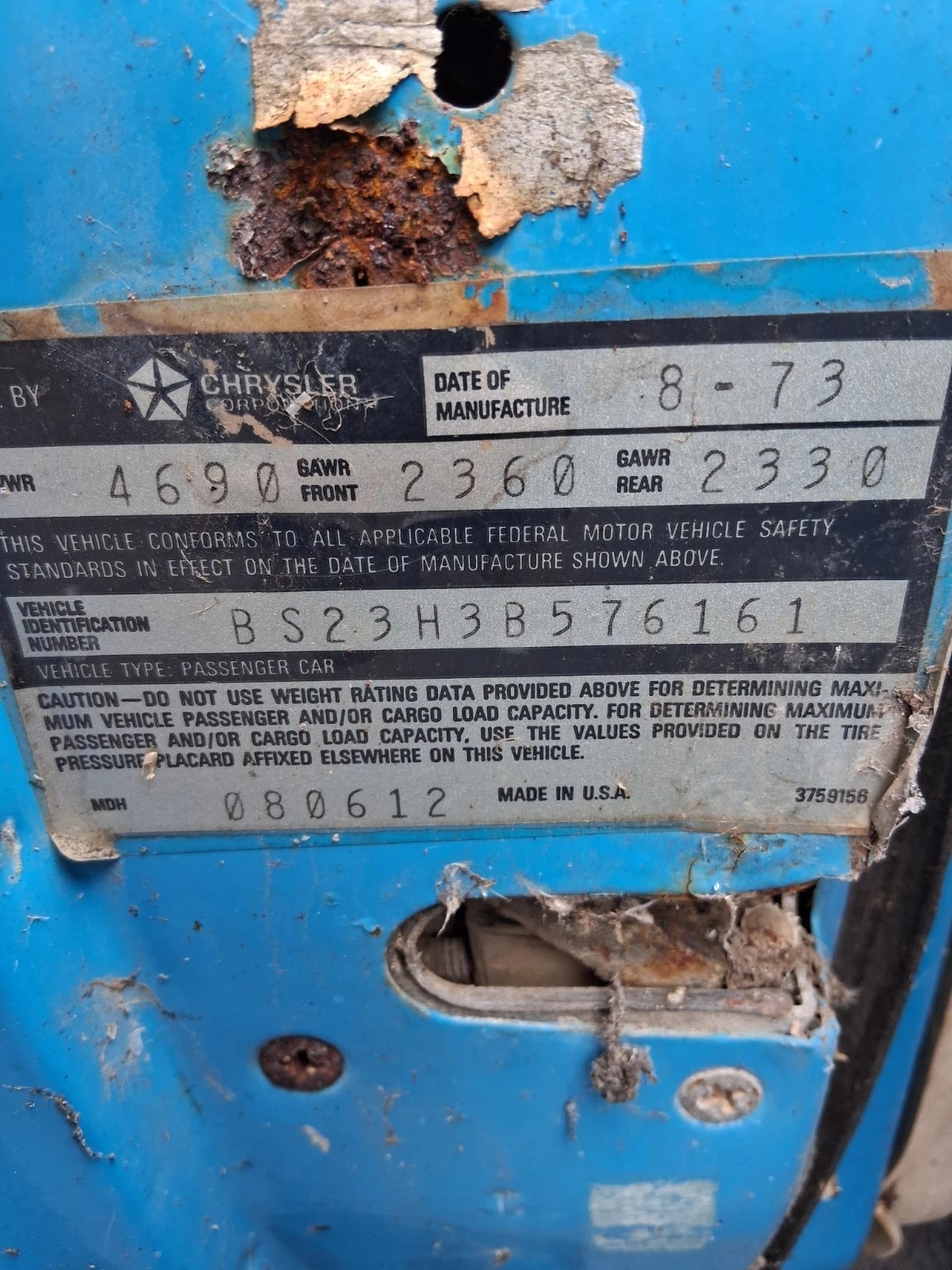
Parked in 1984, this 1973 Plymouth Cuda looks too far gone, but the owner thinks it can be rescued. It has a 340 V8 engine. The timeline tells a familiar story – someone with restoration ambitions who began disassembly only to have life intervene, leaving the project incomplete for an entire generation.
The 1984 parking date places this ‘Cuda’s dormancy during the height of 1980s economic prosperity, when classic cars hadn’t yet achieved their current collector status. What seemed like a reasonable restoration timeline then has stretched into four decades of waiting, with the original 340 engine scattered in pieces like automotive archaeology waiting for reassembly.
1973: The Final Chapter of E-Body Glory
Understanding this rescue opportunity requires appreciating what made the 1973 Plymouth ‘Cuda historically significant. Back in 1970, things were still looking bright for the muscle car market, when the third and final generation of the Plymouth Barracuda was introduced. However, in what seemed like the blink of an eye, everything from rising insurance premiums to higher emissions standards and eventually the OPEC crisis transformed the market.
The 1973 model year represented the swan song of Plymouth’s legendary E-body platform, making survivors increasingly precious as automotive history. Sales of the Plymouth Barracuda were off by 60% from 1970 to 1973, leading to the car’s cancellation in 1974 (the Dodge Challenger suffered the same fate).
1973 ‘Cuda Engine Options:
- 318 CID V8: 150 horsepower (base engine)
- 340 CID V8: 235 horsepower (performance option)
- No big-block engines available due to emissions regulations
The base 318 cid V-8 engine developed only 150 bhp while the 340 cid V-8 produced 235 bhp, making the 340 the only serious performance choice for buyers seeking authentic muscle car capability.
The 340 Small-Block Legacy: Hottest Mopar Engine
One of the hottest Mopar engines in the muscle car era was the 340 small-block. When installed in a lighter automobile like a Barracuda or Challenger, it could be quite potent. And desirable enough to account for nearly 217,000 Chrysler installations between 1968 and 73.
Despite lower advertised horsepower compared to earlier years, the 340’s reputation for performance remained intact. The seller confirms that the engine is the original 340 V8 and says it’s rated at 295 hp, 20 more than the engine put out at its peak with a 4-barrel carburetor, though this claim requires verification as 1973 SAE net ratings were significantly lower than previous gross ratings.
The Engine-in-Pieces Challenge
The phrase “original engine in pieces” creates both opportunity and concern for potential rescuers. Disassembled engines present unique challenges:
Potential Advantages:
- All components theoretically present and accounted for
- Opportunity to inspect internal condition thoroughly
- Possible machine work already completed
- Fresh assembly potential with modern gaskets and seals
Serious Concerns:
- Missing components from 40 years of storage
- Corrosion damage to internal surfaces
- Confusion about proper assembly sequence
- Unknown condition of machine work or modifications
The success of any rescue attempt depends heavily on component completeness and documentation of the disassembly process.
Market Context: 1973 ‘Cuda Rarity and Values
Current market data reveals the significance of this particular model year. There are 17 1973 Plymouth ‘Cuda – 3rd Gen for sale right now on the collector market, with 55 1973 Plymouth Barracuda total listings available, indicating both rarity and collector interest.
The declining demand for muscle cars in the 1970s spilled over onto the nimbler “pony cars”, too, making 1973 production numbers relatively low compared to earlier peak years. This scarcity drives current collector interest and values.
Current Market Segments:
- Restored Examples: $35,000-60,000 for quality 340 cars
- Driver Quality: $20,000-35,000 depending on condition and documentation
- Project Cars: $8,000-18,000 based on completeness and issues
- Parts Cars: $3,000-8,000 for incomplete examples
The “Too Far Gone” Assessment
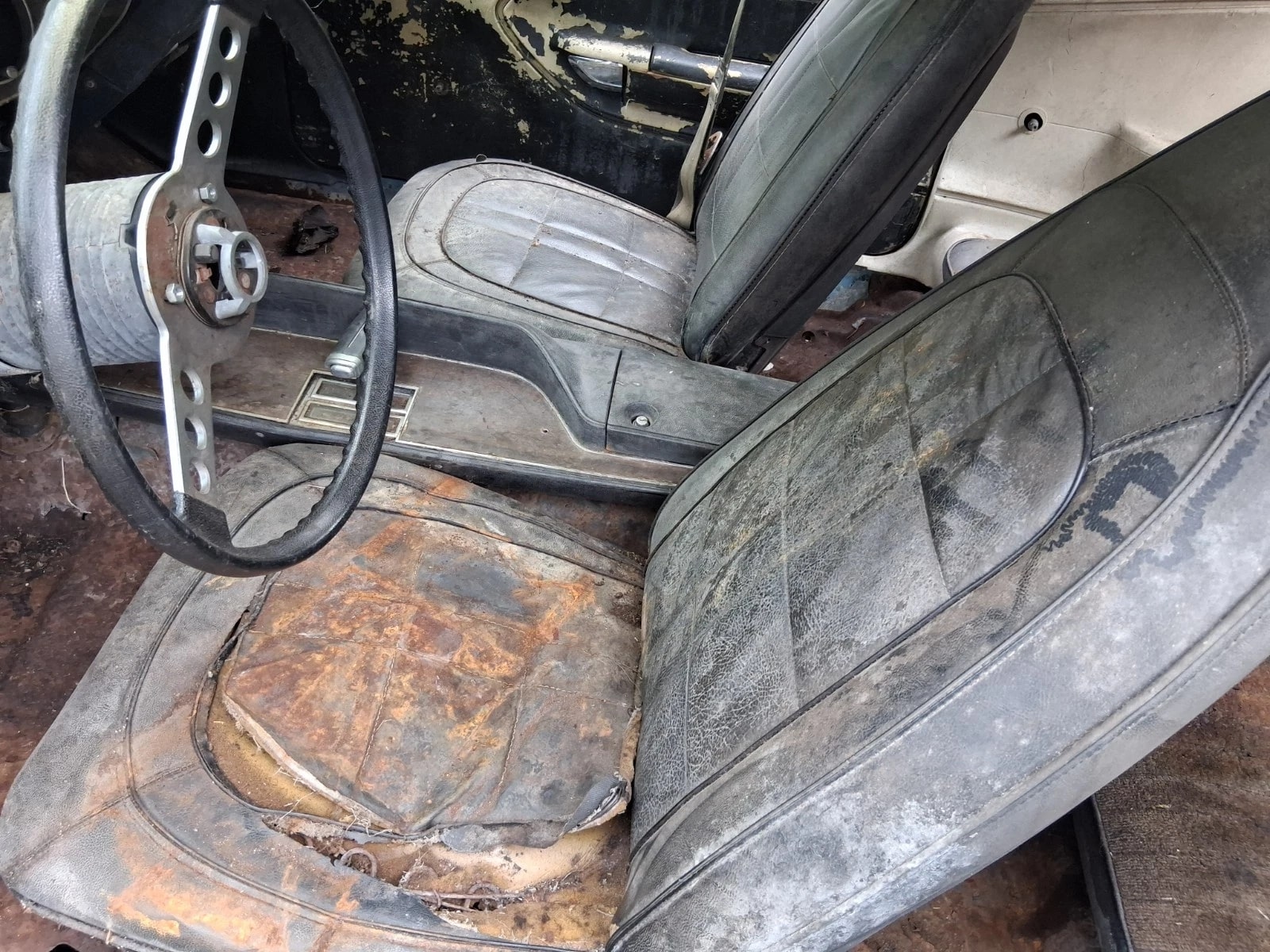
The owner’s belief that this ‘Cuda “can be rescued” despite looking “too far gone” reflects eternal optimism that drives the restoration community. However, 40 years of storage creates predictable challenges:
Typical Storage Damage:
- Body rust penetration requiring extensive metalwork
- Interior deterioration from temperature cycling
- Fuel system contamination and corrosion
- Brake system failure from moisture and disuse
- Electrical system degradation throughout
The scattered engine components compound these normal storage issues with additional complexity and potential for missing parts.
Comparable Rescue Stories: Hope and Caution
Recent success stories provide both inspiration and reality checks. This 1973 ‘Cuda has been sitting for more than four decades; the car still flexes an impressive shape, coming with everything original, demonstrating that some long-term storage survivors emerge in surprising condition.
However, other examples tell cautionary tales of projects that exceed their rescuer’s resources and capabilities, leaving enthusiasts with expensive lessons about restoration reality versus romantic expectations.
Investment vs. Passion Analysis
This disassembled ‘Cuda presents classic restoration economics challenges:
Financial Considerations:
- Engine rebuild costs: $8,000-15,000 depending on machine work needs
- Body restoration: $15,000-30,000 for quality metalwork and paint
- Interior restoration: $5,000-10,000 for complete renewal
- Assembly labor: $10,000-20,000 for professional completion
- Total Investment: $40,000-75,000+ for quality completion
Market Reality Check:
- Finished car values may not justify total restoration investment
- Project cars require significant time commitments beyond financial costs
- Hidden damage discoveries often increase budgets substantially
- Market volatility affects long-term investment potential
The 1984 Time Capsule Factor
Being parked in 1984 provides interesting historical context. This ‘Cuda began its hibernation during Reagan’s presidency, when:
- Classic muscle cars hadn’t achieved current collector status
- Restoration parts availability was limited
- Digital documentation didn’t exist for project tracking
- Classic car values were fraction of today’s levels
This timeline explains why someone might begin ambitious restoration without completing it – the economic incentives simply weren’t present in 1984.
Assessment Strategy for Potential Rescuers
Serious buyers should prioritize systematic evaluation:
Critical Inspection Points:
- Component Inventory: Catalog all engine pieces and missing items
- Body Assessment: Professional evaluation of rust and structural damage
- Documentation Review: Any records of work performed or parts purchased
- Title Verification: Ensuring legal ownership transfer possibilities
Professional Consultation Required:
- Engine machinist evaluation of scattered components
- Body shop assessment of restoration scope and costs
- Classic car appraiser opinion on realistic finished values
The Second Chance Philosophy
The notion that this ‘Cuda “wants a second chance” reflects anthropomorphic thinking common among car enthusiasts – the belief that these machines possess souls worth saving. This emotional connection often motivates rescue attempts that pure financial analysis cannot justify.
Emotional Motivations:
- Satisfaction from completing abandoned projects
- Preserving automotive history from destruction
- Honoring previous owner’s original vision
- Contributing to E-body survivor population
The Verdict: Heroic Opportunity or Expensive Education?
This 1973 Plymouth ‘Cuda represents exactly the type of challenging project that separates dreamers from experienced restorers. The combination of 40-year storage, disassembled drivetrain, and “too far gone” appearance creates substantial risk alongside potential reward.
Ideal Rescue Candidate Profile:
- Extensive restoration experience with similar projects
- Access to professional machine shop and body facilities
- Realistic timeline expectations (potentially 3-5 years)
- Passion for preservation over financial return
- Financial cushion for inevitable cost overruns
Should Proceed with Extreme Caution:
- First-time project car buyers attracted by low initial cost
- Those expecting reasonable completion timelines
- Anyone requiring guaranteed financial return on investment
- Buyers lacking proper facilities for major restoration work
The owner’s optimism about rescue potential must be balanced against harsh reality of 40-year neglect and engine disassembly. Success stories do exist, but they typically involve buyers who understand both the challenges and commitment required for such ambitious undertakings.
For the right person with appropriate skills, facilities, and dedication, this scattered ‘Cuda could become the ultimate restoration trophy – proof that even the most daunting circumstances can’t defeat human determination and automotive passion.
Whether this particular 1973 ‘Cuda gets its second chance depends entirely on finding someone who sees opportunity beyond the scattered pieces and possesses both vision and capability to reassemble not just an engine, but dreams deferred for four decades.


