Not every barn find story ends with concours restoration or trailer queen status. A 1967 Ford Mustang that spent a decade under cover in barn storage has emerged with refreshingly practical ambitions – returning to daily driver duty rather than pursuing show car perfection. This survivor represents the pragmatic side of classic car ownership, proving that genuine preservation can serve both historical significance and everyday transportation needs.
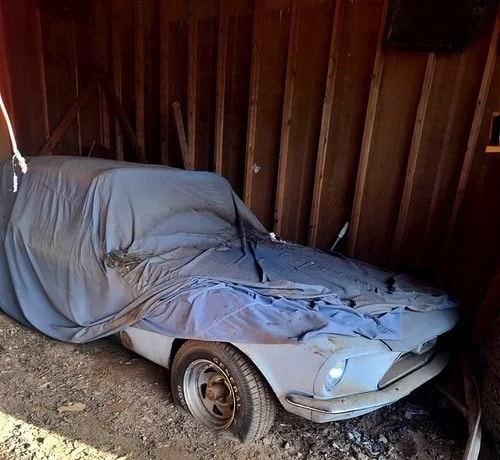
The Decade Under Cover: Barn Storage Success Story
A 1967 Ford Mustang that spent the decade in a barn under a cover is back in action; its big objective is returning to the road as a daily driver. Unlike horror stories of barn finds destroyed by neglect, this Mustang’s covered storage demonstrates how proper protection can preserve classic cars for practical use rather than just museum display.
The decade-long storage period, while substantial, represents a manageable timeframe compared to the 25, 40, or even 50-year barn finds that dominate classic car headlines. This shorter dormancy likely contributed to the car’s current roadworthy condition and realistic daily driver ambitions.
1967 Mustang: Peak of First-Generation Refinement
Understanding this survivor’s potential requires appreciating what made 1967 special in Mustang evolution. The 1967 Mustang was introduced Sept. 30, 1966. Model year output peaked at 472,121 units, representing the highest production year for first-generation Mustangs and demonstrating peak market acceptance.
The 1967 model year incorporated three years of refinement over the original 1964½ design while maintaining the classic proportions and styling that defined the pony car category. Key improvements included enhanced safety features, refined mechanical systems, and expanded options that made Mustangs more versatile for both performance and daily driving.
1967 Mustang Engine Options: There were five engine choices ranging from a 120 hp 200 CID six to a 320 hp 390 CID V-8, providing buyers with everything from economical transportation to serious performance capability.
- 200 CID Inline-6: 120 horsepower (base engine)
- 289 CID V8 (2-barrel): 195 horsepower
- 289 CID V8 (4-barrel): 225 horsepower
- 289 HiPo V8: 271 horsepower (GT required)
- 390 CID V8: 320 horsepower (big-block option)
New options available included the Select-Shift Cruise-O-Matic previously featured on the Fairlane GT, enhancing the Mustang’s appeal for buyers seeking automatic transmission convenience.
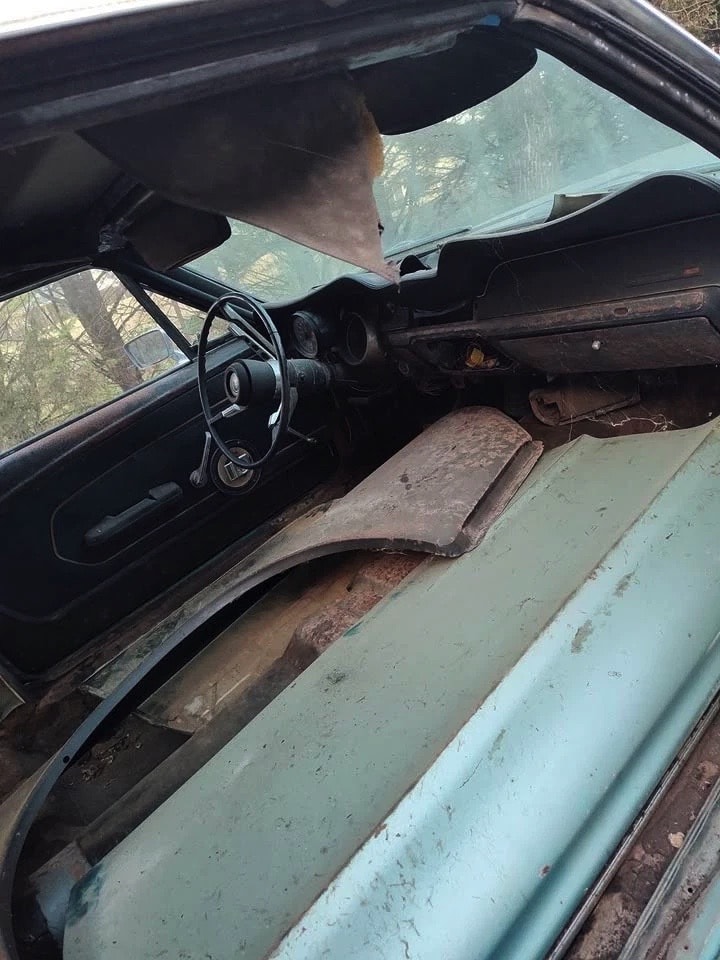
Daily Driver Philosophy: Function Over Form
This barn survivor’s daily driver ambitions reflect a refreshing approach to classic car ownership that prioritizes utility alongside preservation. The convertible is in excellent mechanical health, with the seller recently replacing the exhaust, radiator, battery, starter solenoid, and brakes. It runs and drives exceptionally well and consistently returns fuel consumption figures of 20mpg, based on similar examples.
The focus on mechanical reliability over cosmetic perfection demonstrates understanding that classic cars can serve practical transportation needs while maintaining historical character. This philosophy appeals to enthusiasts who want to experience vintage driving rather than merely displaying static automotive artifacts.
Market Context: 1967 Mustang Practicality
The 1967 model year’s combination of refinement and availability makes it ideal for daily driver conversion:
Daily Driver Advantages:
- Parts availability superior to earlier or later models
- Mechanical simplicity enabling owner maintenance
- Reasonable fuel economy compared to big-block alternatives
- Strong aftermarket support for reliability improvements
- Insurance rates lower than exotic muscle cars
Practical Considerations:
- Modern safety standards require careful evaluation
- Emissions regulations may limit drivability in some areas
- Parking and security concerns in urban environments
- Maintenance costs higher than modern vehicles
- Weather protection considerations for convertible models
Barn Storage vs. Neglect: Preservation Success
This Mustang’s decade under cover illustrates proper storage methodology that other barn find stories often lack. The classic barn find Mustangs were stored under tarps in California for decades, so they’re in remarkably good condition, according to similar success stories.
Effective Storage Elements:
- Protective covering preventing dust and debris accumulation
- Ventilated environment avoiding moisture trap conditions
- Regular inspection maintaining awareness of condition changes
- Pest control preventing rodent damage to interior and wiring
- Fuel stabilization protecting delivery systems from contamination
The GT Package Possibility
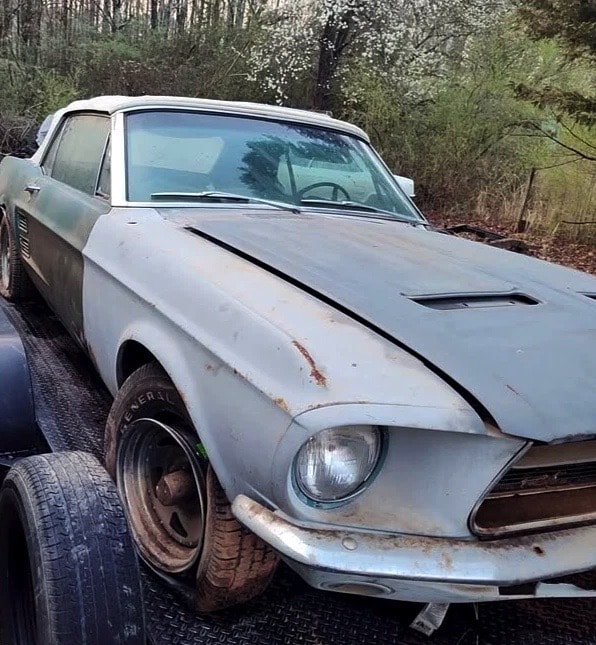
The 1967 Mustang GT was a special options package for 1967 which could be added to any of the V8 engine offerings in 1967 with dual exhaust. And it was required with the 271hp 289ci Hi-Po V8. The GT Equipment Group was offered in 1967 and consisted of power front disc brakes, grill mounted fog lamps, and performance-oriented styling cues.
Without specific details about this barn survivor’s equipment, the GT package represents an important consideration for both daily driver capability and collector value:
GT Package Benefits for Daily Driving:
- Power front disc brakes improving stopping performance
- Performance suspension enhancing handling characteristics
- Dual exhaust system providing better breathing and sound
- Fog lamps improving visibility in adverse conditions
Investment vs. Utility Balance
This barn survivor’s daily driver focus creates interesting economic dynamics compared to restoration projects:
Financial Advantages:
- Lower initial investment than concours restoration projects
- Immediate utility value justifying ownership costs
- Moderate appreciation potential without restoration pressure
- Insurance coverage often less expensive than high-value classics
Long-term Considerations:
- Daily use may impact future collector value
- Wear and maintenance costs accumulate over time
- Documentation of original condition becomes important
- Market trends may favor preserved survivors over driven examples
Modern Daily Driver Modifications
Converting barn find classics to daily driver status often requires thoughtful modernization:
Common Reliability Upgrades:
- Electronic ignition replacing points-based systems
- Modern radial tires improving handling and safety
- Electric fuel pump ensuring consistent delivery
- Upgraded cooling system preventing overheating
- Sound dampening materials reducing road noise
Safety Considerations:
- Seat belt installation or upgrade to modern standards
- Brake system evaluation and potential disc conversion
- Lighting upgrades for improved visibility
- Steering system inspection for safety and precision
Community Reception: Drivers vs. Collectors
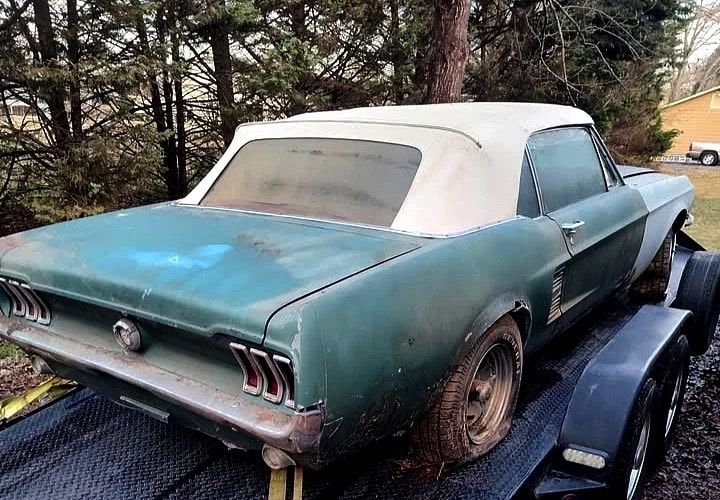
The classic Mustang community generally supports daily driver philosophy while debating preservation priorities:
Driver Advocate Perspective:
- Cars designed for driving deserve road use
- Regular operation maintains mechanical systems
- Public exposure promotes classic car interest
- Personal enjoyment justifies ownership beyond investment
Preservation Purist Concerns:
- Daily use accelerates wear and component replacement
- Weather exposure risks original finish deterioration
- Accident potential threatens irreplaceable examples
- Modified cars lose historical authenticity
Maintenance Reality for Daily Driven Classics
This barn survivor’s daily driver ambitions require realistic maintenance expectations:
Regular Service Requirements:
- Oil changes more frequent than modern cars
- Carburetor tuning for seasonal performance
- Brake system inspection and adjustment
- Cooling system monitoring and maintenance
- Electrical system troubleshooting and repair
Seasonal Considerations:
- Winter storage requirements in harsh climates
- Salt exposure protection for undercarriage
- Convertible top maintenance and weather protection
- Battery tender use during extended parking periods
The Verdict: Practical Classic Car Ownership
This decade-stored 1967 Ford Mustang represents ideal compromise between preservation and practicality. Its barn survival demonstrates that classic cars can emerge from storage in daily-driveable condition when properly protected, offering owners immediate enjoyment rather than years of restoration commitment.
The daily driver philosophy appeals to enthusiasts who understand that classic cars achieve their highest purpose when fulfilling their original transportation mission. While trailer queens preserve automotive history as static displays, daily drivers maintain the dynamic experience that made these cars special originally.
Success Factors for Daily Driver Conversion:
- Realistic expectations about maintenance requirements
- Appropriate vehicle selection based on condition and rarity
- Thoughtful modifications balancing reliability with authenticity
- Understanding of modern traffic and parking challenges
- Financial preparation for ongoing maintenance costs
This barn survivor’s return to road duty proves that classic car ownership doesn’t require choosing between preservation and enjoyment. When properly maintained, 1967 Mustangs can serve both historical significance and practical transportation needs, creating authentic connections between past and present automotive experiences.
Whether serving weekend cruise duty or actual daily transportation, this Mustang demonstrates that the best barn finds are the ones that return to their intended purpose – putting smiles on their owners’ faces through the simple act of driving.


