The Smartphone-Priced Classic: When Automotive History Costs Less Than Technology
In a world where classic car prices have spiraled into the stratosphere, discovering a genuine piece of American automotive history for the price of an Android phone seems impossible. Yet that’s exactly what’s happening with a 1963 Ford Falcon that spent three decades hidden away, now available for just $950 – less than most people spend on their monthly car payment.
You can buy this car with the money you would otherwise get an Android phone, as the seller is willing to let it go for only $950. The Falcon is parked in Fallbrook, and considering how long it’s been sitting in the same place, you will need a trailer to transport it to your garage.


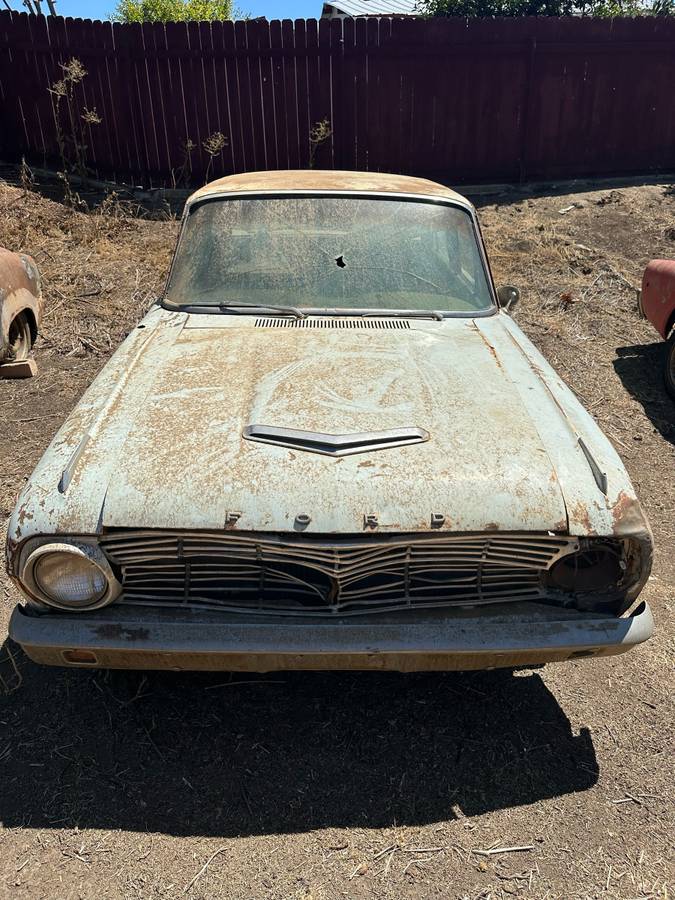

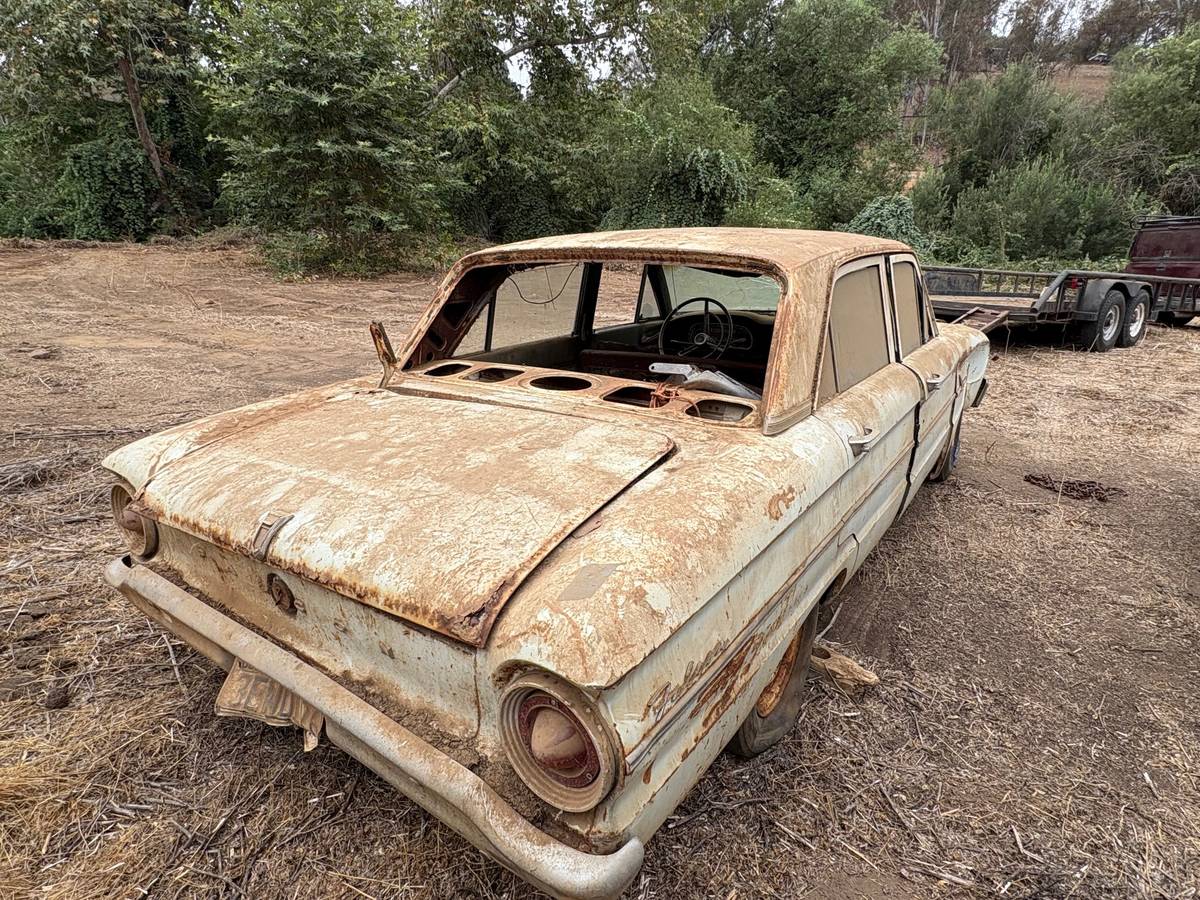

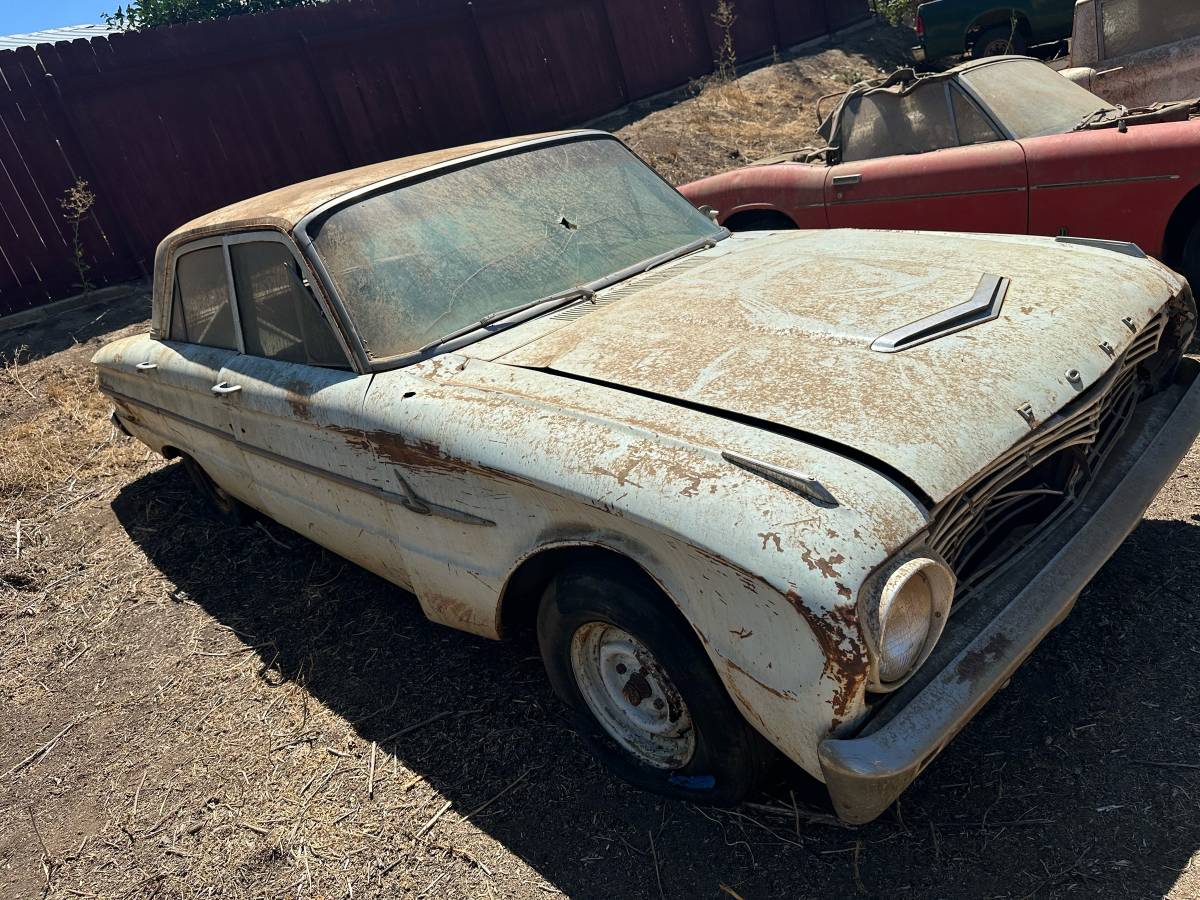

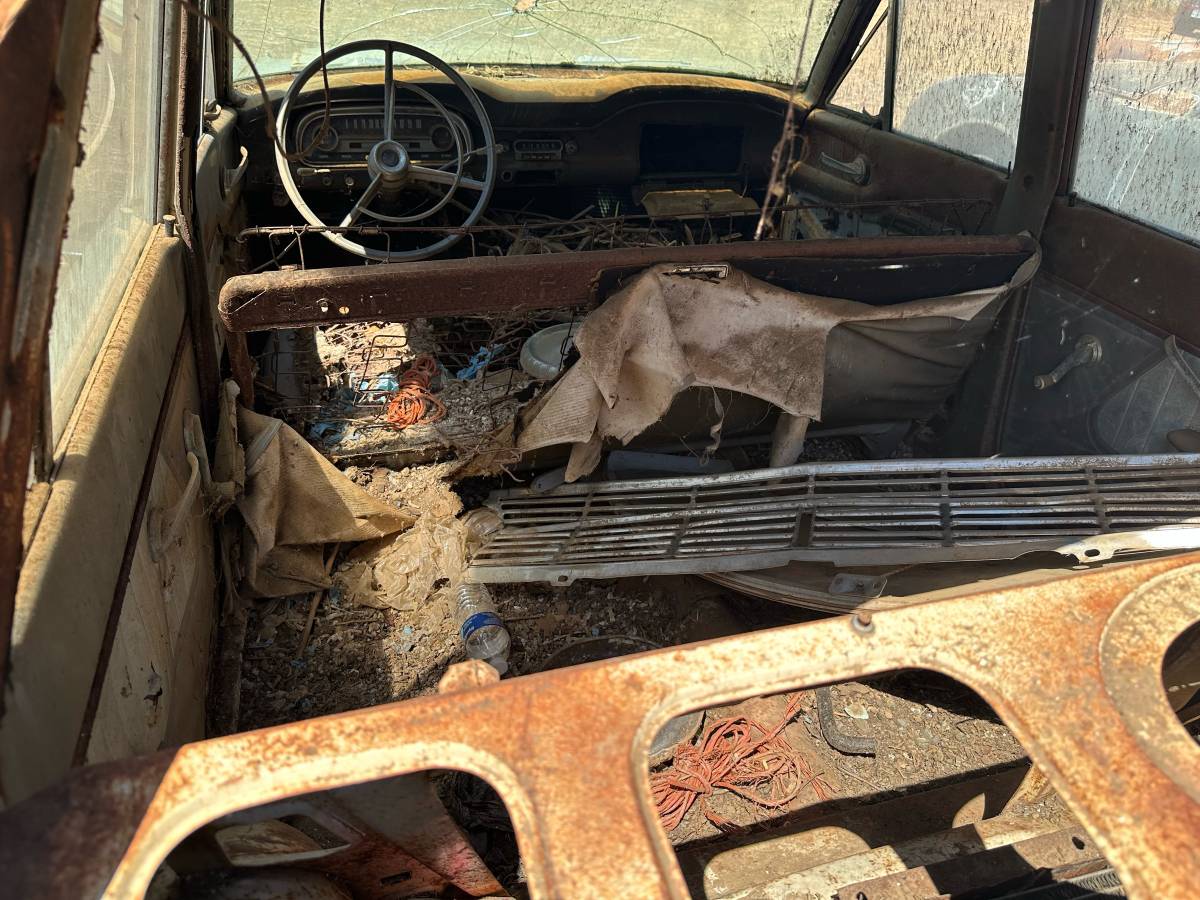

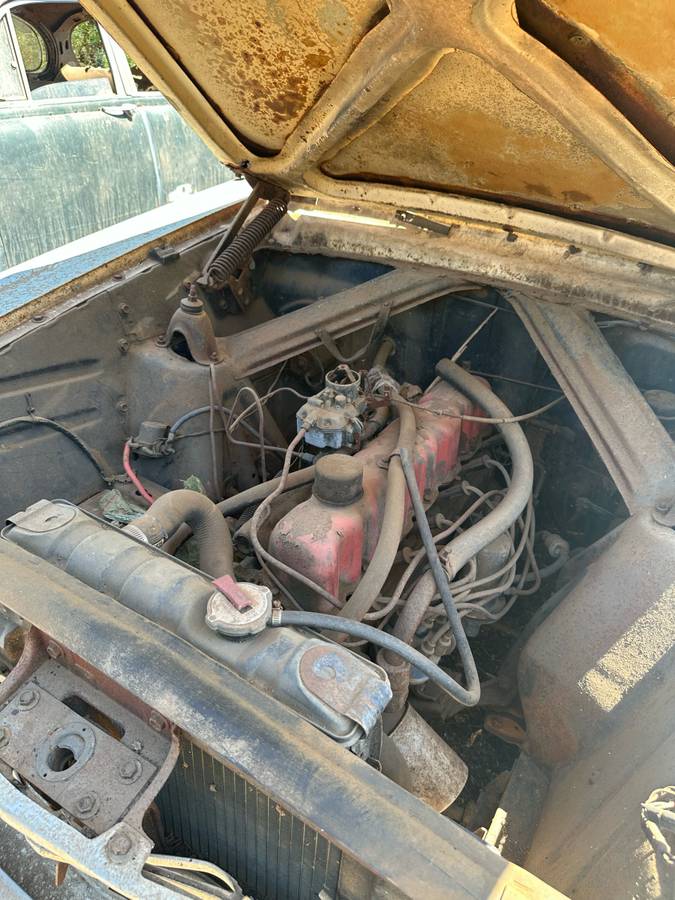
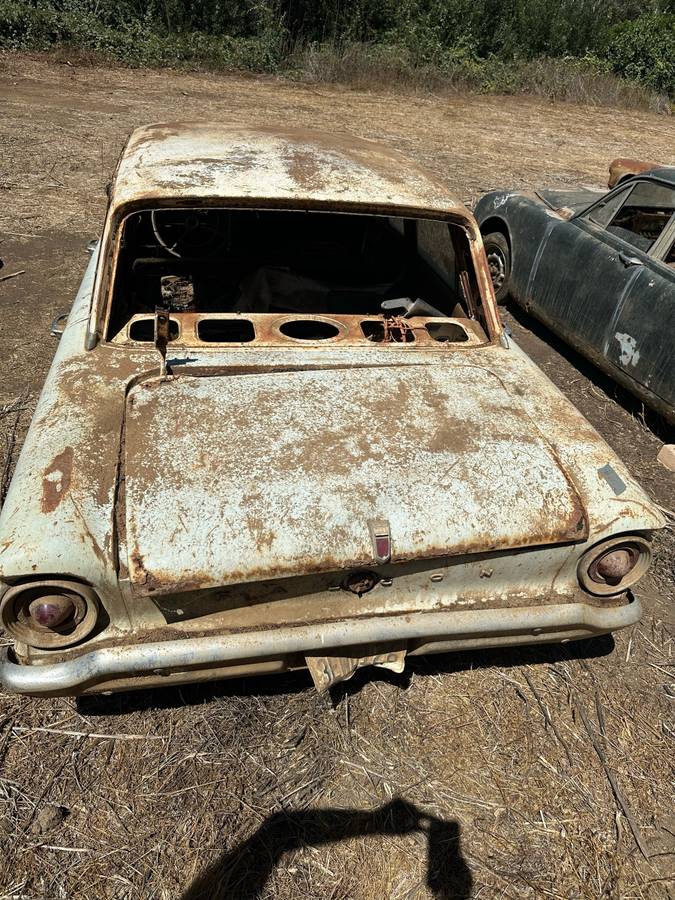

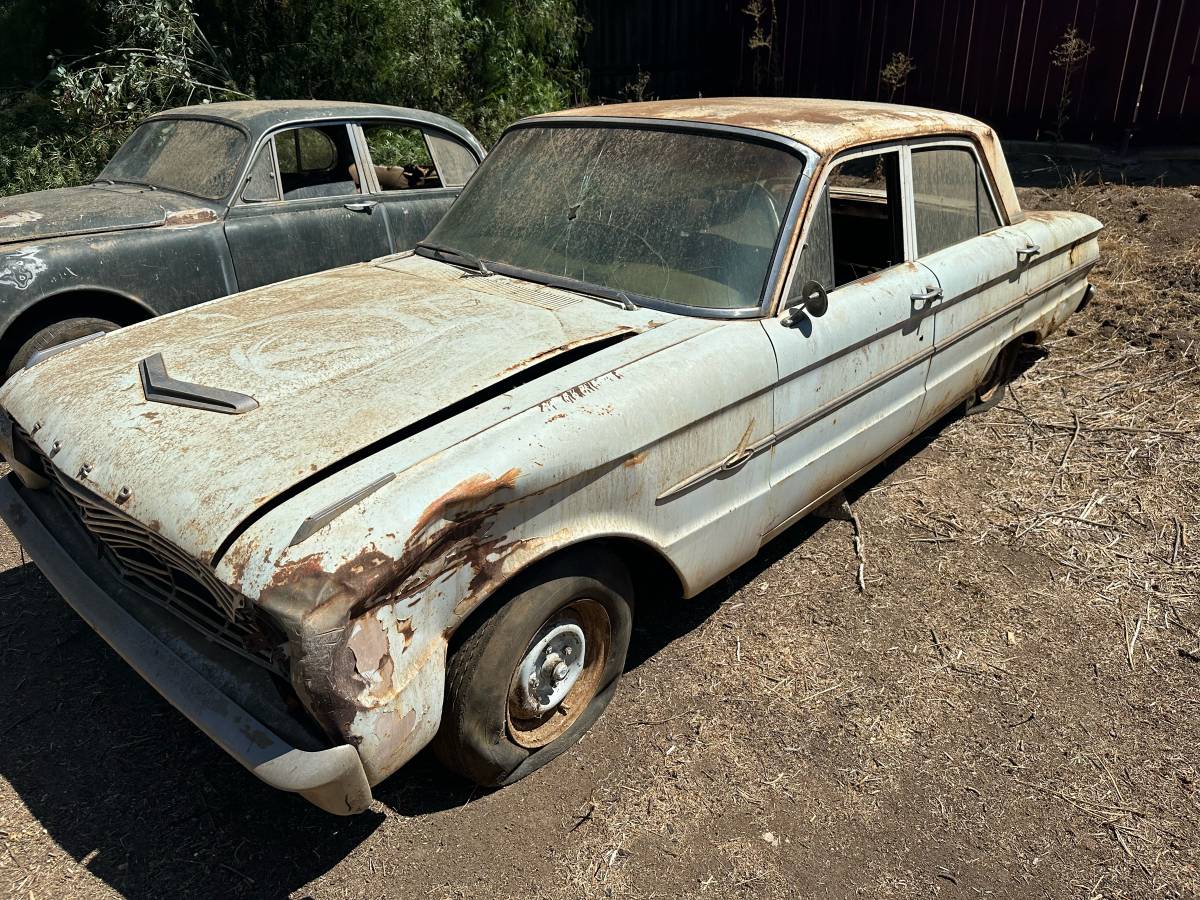

This incredible pricing demonstrates both the opportunity and reality of budget classic car collecting. While muscle car headlines focus on six-figure auction results and pristine show cars, thousands of affordable classics sit waiting for enthusiasts willing to see past surface deterioration to the diamond in the rough beneath.
The 1963 Ford Falcon represents one of America’s most successful compact cars, a vehicle that saved Ford from financial disaster and established the template for affordable performance that would later spawn the legendary Mustang. For less than $1,000, today’s collector can own a piece of this automotive revolution – if they’re prepared for the challenges that come with three decades of slumber.
Understanding the 1963 Ford Falcon: America’s Compact Revolution
The Ford Falcon emerged in 1960 as Ford’s answer to the growing compact car market dominated by the Chevrolet Corvair and Plymouth Valiant. By 1963, the Falcon had matured into a refined, reliable automobile that offered genuine value without sacrificing Ford’s reputation for quality.
Design Philosophy: Practical Perfection
The 1963 Falcon represented the peak of Ford’s original compact car concept. For 1963, the cars from Ford come in more than forty different versions and Ford spent $10 million dollars in redeveloping them. Improvements came in the form of new front and rear suspension.
This substantial investment in development created a car that balanced economy, reliability, and style in a package that appealed to budget-conscious buyers who refused to sacrifice quality for price.
Key Design Elements:
- Clean, contemporary styling: Simple lines that avoided gimmicky details
- Practical proportions: Maximum interior space within compact exterior dimensions
- Quality construction: Ford’s commitment to durability in an entry-level product
- Versatile platform: Foundation for multiple body styles and trim levels
- Modern engineering: Updated suspension and drivetrain components
Market Positioning: The Democratic Classic
Unlike luxury imports or premium domestics, the Falcon was designed for mainstream America – families who needed reliable transportation without breaking the bank. This democratic approach created a car that ordinary people could afford when new and extraordinary enthusiasts can preserve today.
The Falcon’s success proved that American buyers appreciated honest engineering over flashy styling. This philosophy would directly influence the development of the Mustang, which used Falcon underpinnings to create an affordable sports car that revolutionized the industry.
Engine Options: From Economy to Performance
The 1963 Ford Falcon offered a range of powerplants designed to meet diverse buyer needs, from maximum fuel economy to respectable performance capability.
The 144 Cubic Inch Six: Maximum Economy
The base engine was a 144 cubic inch inline six-cylinder that prioritized fuel economy and reliability over power. This conservative powerplant delivered adequate performance for city driving and highway cruising while maintaining excellent fuel economy.
144 Six Specifications:
- 85 horsepower: Sufficient for light-duty family transportation
- Inline six configuration: Smooth operation and excellent balance
- Simple carburetion: Single-barrel carburetor for economy and reliability
- Proven durability: Thousands of examples still running decades later
- Maintenance simplicity: Straightforward service requirements
The 170 Cubic Inch Six: Balanced Performance
Among the engine choices for the Falcon Futura in ’63 were a pair of inline sixes, with this one featuring the larger of the two, a 170 cubic-inch offering rated right at 100 horsepower.
The 170 six represented the sweet spot of Falcon performance, offering more power than the base engine while maintaining excellent fuel economy and reliability.
170 Six Advantages:
- 100 horsepower: Noticeable performance improvement over base engine
- Increased torque: Better acceleration and highway passing capability
- Same reliability: Proven durability with minimal complexity increase
- Parts availability: Excellent support from aftermarket suppliers
- Restoration friendly: Simple mechanical systems easy to service
The 260 V8: Falcon Performance Pioneer
For buyers seeking maximum performance, Ford offered an optional 260 cubic inch V8 that transformed the Falcon’s character completely. This small-block V8 would later evolve into the legendary 289 that powered the early Mustang.
260 V8 Performance:
- 164 horsepower: Dramatic power increase over six-cylinder options
- Compact dimensions: Fit easily into Falcon’s engine bay
- Light weight: Aluminum intake manifold reduced front-end weight
- Future development: Foundation for later high-performance engines
- Collectibility: V8 Falcons increasingly sought after by collectors
The $950 Reality: What Three Decades of Storage Really Means
When a classic car sits for 30 years, it experiences unique challenges that create both opportunities and obstacles for potential buyers. Understanding these realities helps separate realistic projects from money pits.
The Good News: Protected Preservation
Structural Benefits:
- Rust protection: Indoor storage significantly reduces corrosion
- Original components: Unmolested mechanicals retain factory specifications
- Complete inventory: All major parts typically present and accounted for
- Authentic patina: Original paint and interior develop character
- Historical accuracy: No previous restoration attempts or modifications
Documentation Advantages:
- Original paperwork: Owner’s manuals and service records often survive
- Provenance verification: Clear ownership history from careful storage
- Matching numbers: Engine and transmission retain original identity
- Options verification: Factory equipment clearly identifiable
- Value authentication: Genuine classics command premium pricing
The Challenges: Decades of Deterioration
Mechanical Issues:
- Engine condition: Oil breakdown and internal corrosion likely
- Fuel system contamination: Varnish and debris throughout system
- Brake system failure: All rubber components require replacement
- Cooling system blockage: Radiator and water pump likely compromised
- Electrical degradation: Wiring insulation and connections deteriorated
Cosmetic Concerns:
- Interior deterioration: Fabric rot, foam breakdown, and trim oxidation
- Paint oxidation: Surface preparation required despite apparent solidity
- Chrome condition: Pitting and corrosion despite indoor storage
- Glass integrity: Seal failure and potential stress cracks
- Rubber replacement: All weatherstripping and gaskets need renewal
Budget Restoration Strategy: Maximizing Value from Minimal Investment
Successfully restoring a $950 Falcon requires realistic expectations, strategic planning, and creative problem-solving. The goal should be creating a reliable, enjoyable driver rather than pursuing concours perfection.
Phase 1: Mechanical Revival ($2,000-$4,000)
Engine Restoration:
- Compression test: Determine if engine is rebuildable or requires replacement
- Fuel system service: Clean tank, replace lines, and rebuild carburetor
- Cooling system renewal: New radiator, water pump, and hoses
- Ignition upgrade: Electronic ignition conversion for reliability
- Oil system service: Complete fluid change and filter replacement
Drivetrain Service:
- Transmission evaluation: Manual units typically more reliable than automatics
- Rear axle service: New gear oil and seal replacement
- Driveshaft inspection: Check universal joints and center support bearing
- Clutch assessment: Replacement likely needed after 30 years storage
- Brake system overhaul: Complete hydraulic system replacement required
Phase 2: Safety and Reliability ($1,500-$3,000)
Suspension Refresh:
- Spring evaluation: Replacement if sagging or broken
- Shock absorber replacement: Modern units for improved handling
- Bushing renewal: Polyurethane upgrades for durability
- Ball joint inspection: Safety-critical components require attention
- Wheel alignment: Professional service after suspension work
Electrical System:
- Wiring harness inspection: Replace if insulation deteriorated
- Generator/alternator service: Charging system restoration or upgrade
- Light systems: All bulbs, sockets, and switches require attention
- Gauges and instruments: Restoration or replacement as needed
- Battery and cables: New components for reliable starting
Phase 3: Cosmetic Improvement ($2,000-$5,000)
Exterior Restoration:
- Paint preservation: Professional polishing and protective coating
- Chrome restoration: Selective re-plating of visible pieces
- Trim replacement: New weatherstripping and rubber components
- Glass service: Repair or replace as needed for safety
- Bodywork: Address rust spots and minor damage
Interior Revival:
- Seat restoration: Recover or repair original upholstery
- Dashboard service: Repair cracks and restore instrumentation
- Door panel renewal: Recover or replace damaged panels
- Carpet replacement: New materials for fresh appearance
- Headliner installation: Complete interior ceiling replacement
Parts Availability: The Falcon Advantage
One major advantage of choosing a 1963 Falcon project is excellent parts availability. Just about every piece and part is available for the Falcon through catalogs or online. This accessibility significantly reduces restoration costs and complexity compared to more obscure classics.
Reproduction Parts Market
Mechanical Components:
- Engine rebuild kits: Complete packages for all available engines
- Brake systems: Master cylinders, wheel cylinders, and hardware
- Suspension parts: Springs, shocks, and bushings readily available
- Electrical components: Wiring harnesses and switch replacements
- Exhaust systems: Complete systems from manifolds to tailpipes
Body and Interior:
- Sheet metal: Quarter panels, floor pans, and patch panels
- Weatherstripping: Complete door seal and window channel sets
- Interior components: Seat covers, door panels, and carpet sets
- Chrome and trim: Bumpers, emblems, and brightwork reproductions
- Glass: Windshields and door glass from multiple suppliers
Salvage Yard Network
The Falcon’s popularity and long production run created an extensive salvage yard network that continues to provide original parts at reasonable prices. Many restoration shops specialize in Ford compact cars and maintain large inventories of original components.
Investment Potential: The Undervalued Classic
While $950 represents incredible value for any running, driving classic car, the 1963 Falcon’s investment potential extends beyond its bargain entry price.
Market Trends Analysis
Positive Factors:
- Mustang connection: Growing recognition of Falcon’s role in Mustang development
- Practical classic: Modern collectors appreciate usable, reliable classics
- Affordable entry: Budget pricing attracts new collectors to hobby
- Quality engineering: Ford’s reputation for durability appeals to enthusiasts
- Parts support: Excellent availability reduces restoration anxiety
Value Appreciation Drivers:
- Generation shift: Younger collectors less concerned with traditional muscle car hierarchy
- Practicality premium: Increasing appreciation for sensible classics
- Restoration feasibility: Reasonable costs encourage project completion
- Scarcity development: Rust and neglect reducing available examples
- Historical significance: Recognition of Falcon’s automotive importance
Realistic Value Expectations
A properly restored 1963 Falcon typically sells in the $8,000-$15,000 range, depending on condition, options, and regional market factors. While this won’t generate spectacular returns, it represents solid appreciation for enthusiasts who enjoy the restoration process and driving experience.
More importantly, the total investment in a $950 Falcon project (including purchase price and restoration costs) typically ranges from $8,000-$12,000, creating finished cars worth more than their total investment – a rare achievement in today’s classic car market.
Finding Your Budget Classic: Lessons from the $950 Falcon
The Fallbrook Falcon represents more than just an incredible bargain – it demonstrates that genuine classic car opportunities still exist for budget-conscious enthusiasts willing to look beyond mainstream collecting trends.
Where Similar Opportunities Exist
Traditional Sources:
- Estate sales: Families liquidating deceased collectors’ assets
- Rural exploration: Forgotten classics in farming communities
- Online classifieds: Craigslist, Facebook Marketplace, and regional sites
- Auction houses: Lower-end lots often represent excellent values
- Classic car publications: Hemmings and specialized Ford magazines
Unconventional Opportunities:
- Mechanic shop connections: Cars abandoned at repair facilities
- Insurance claims: Damaged vehicles potentially worth saving
- Barn find services: Professional searchers locate forgotten classics
- Social media networks: Facebook groups and Instagram classic car communities
- Word-of-mouth referrals: Networking within enthusiast communities
Evaluation Criteria for Budget Classics
Essential Requirements:
- Clear title: Legal ownership transfer must be possible
- Structural integrity: Frame and body must be fundamentally sound
- Complete major components: Engine, transmission, and rear end present
- Reasonable access: Transportation arrangements feasible
- Realistic expectations: Understanding of required investment and effort
Warning Signs:
- Extensive rust damage: Repair costs often exceed finished car values
- Missing major components: Engines and transmissions expensive to source
- Title problems: Legal issues can make projects worthless
- Previous fire or flood damage: Hidden problems often surface during restoration
- Unrealistic seller expectations: Prices disconnected from reality
The Bottom Line: Democracy in Classic Car Collecting
The $950 1963 Ford Falcon represents everything that makes classic car collecting accessible to ordinary enthusiasts. Here’s a genuine piece of American automotive history available for less than most people spend on dinner and entertainment in a month.
This pricing reality challenges the perception that classic car collecting requires enormous wealth or specialized expertise. While the Falcon will need significant work to become roadworthy, the total investment remains within reach of middle-class budgets, and the finished product provides genuine classic car satisfaction.
The key is understanding what you’re buying. This isn’t a pristine show car or a weekend warrior that’s ready for immediate enjoyment. It’s a 60-year-old vehicle that’s been sleeping for half its life, waiting for someone with vision, patience, and reasonable mechanical ability to bring it back to life.
For collectors seeking alternatives to overpriced muscle cars or exotic imports, the budget classic market offers genuine opportunities. Cars like the Fallbrook Falcon prove that automotive history doesn’t always command premium pricing – sometimes it just needs someone willing to see past the dust and deterioration to the treasure underneath.
The 1963 Ford Falcon may not have the glamour of a Mustang or the performance credentials of a big-block muscle car, but it offers something perhaps more valuable: accessibility. In a hobby increasingly dominated by wealthy collectors and investment-grade vehicles, the budget classic reminds us that automotive passion doesn’t require premium pricing.
Whether this particular Falcon finds a loving home or continues deteriorating in storage depends on classic car enthusiasts recognizing that sometimes the best deals hide in plain sight, waiting for buyers willing to see potential instead of problems. At $950, the risk is minimal, but the potential rewards – both financial and emotional – could be substantial for the right enthusiast.