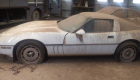
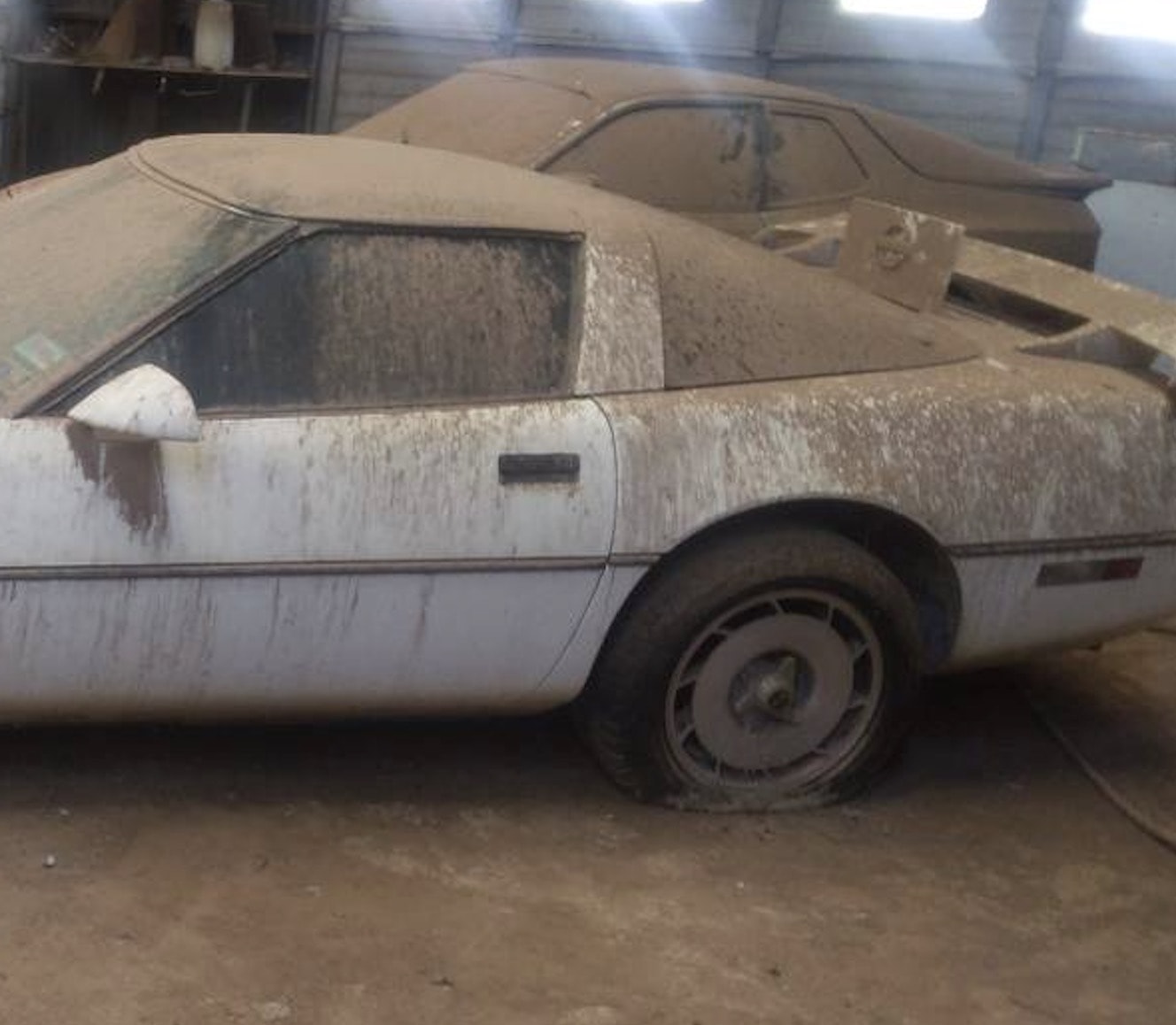
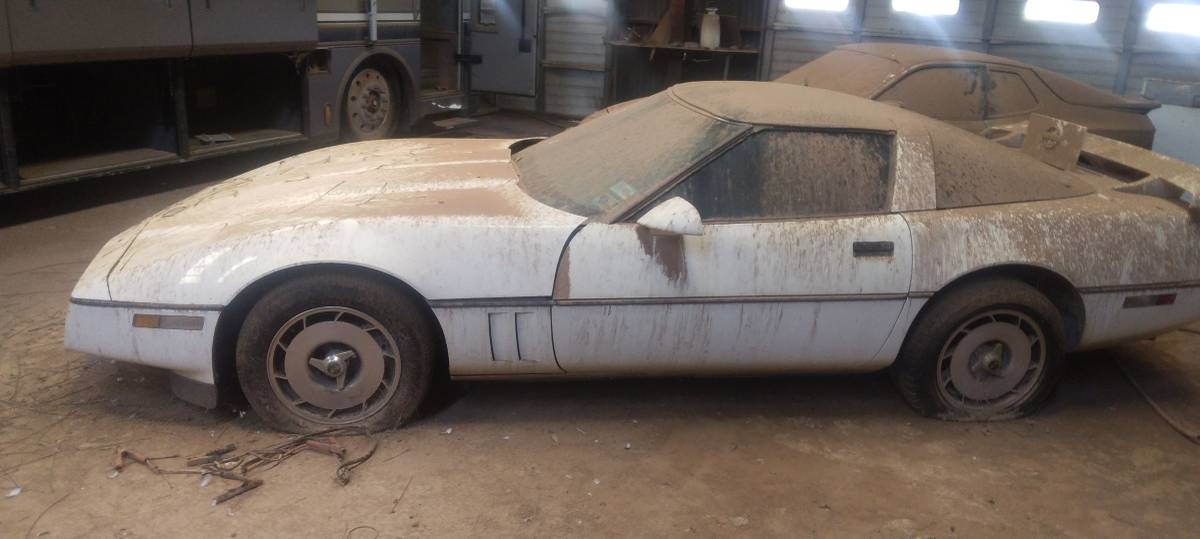
The allure of barn find Corvettes never diminishes, especially when the discovery involves one of America’s most iconic sports cars emerging from nearly two decades of storage. A dust-covered 1984 Chevrolet Corvette has surfaced on Craigslist after sitting motionless since 2007, representing both opportunity and challenge for potential buyers. This C4 Corvette, equipped with the distinctive Cross-Fire injection system, tells a familiar story of automotive dreams deferred – but also hints at the possibility of resurrection for those willing to tackle the project.

The 18-Year Sleep: Last Registered in 2007
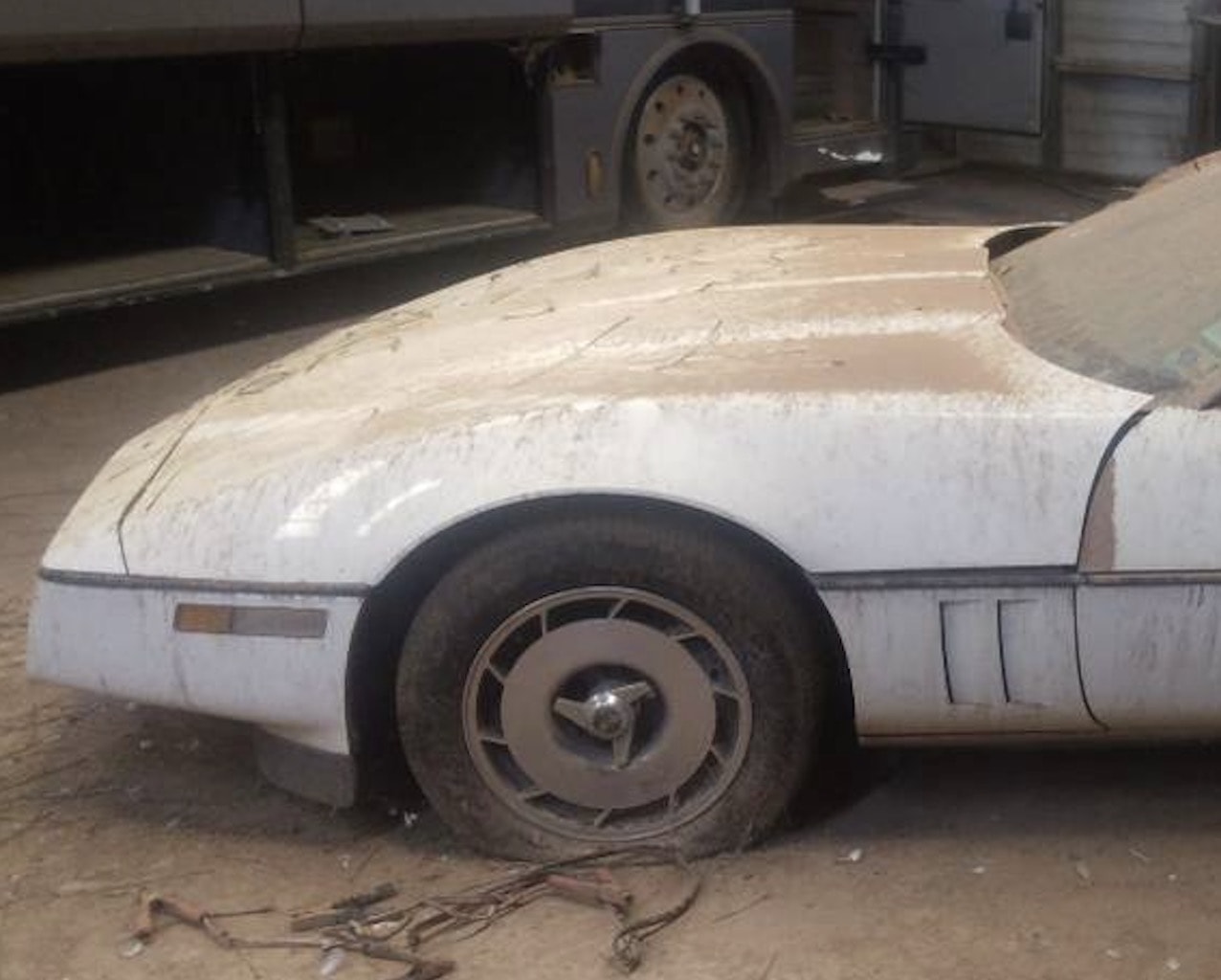
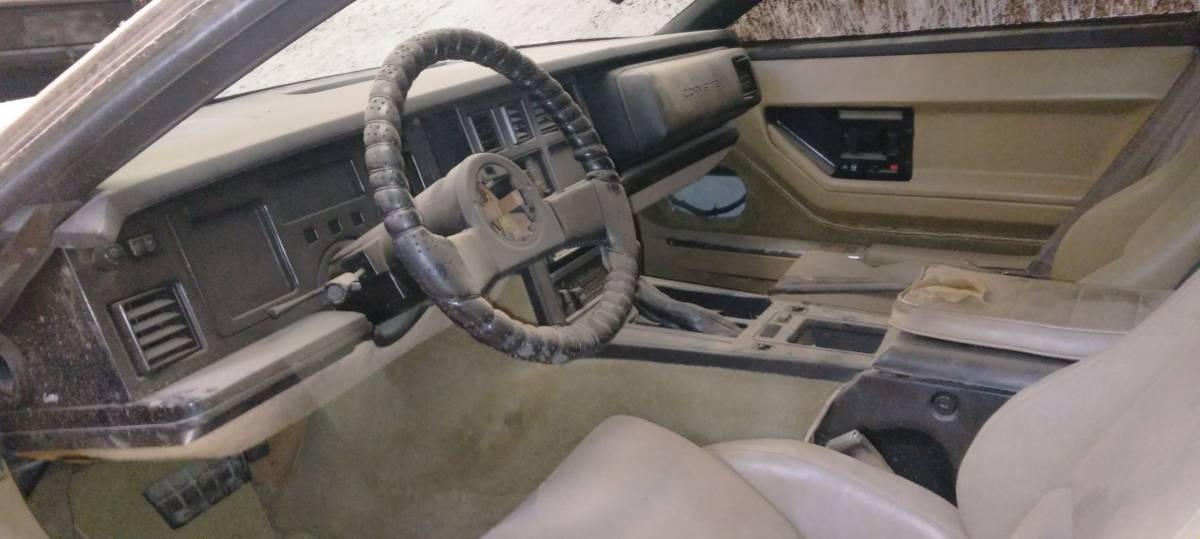
This 1984 Corvette spent approximately two decades in storage, and the owner explains on Craigslist that it was last registered in 2007. This can be either good news or bad news, depending on what you’ll find when you inspect the car live. A Corvette sitting for that long shouldn’t be in bad shape, and the few photos posted online suggest it’s still complete.
The timeline tells a story familiar to many classic car enthusiasts: a car taken off the road with good intentions for restoration or maintenance, only to be gradually forgotten as life intervened. The 2007 registration date places this Corvette’s storage period during the height of classic car market appreciation, suggesting the owner may have had restoration plans that never materialized.
1984: The Cross-Fire Injection Era
Understanding this Corvette’s significance requires appreciating what made 1984 special in C4 history. All 1984 Corvettes were fitted with the same engine: a 350ci unit with 205 horsepower and hydraulic valve lifters. The engine used cross-fire fuel injection, and Chevrolet installed a fully electronic digital dashboard standard on all cars.
The Cross-Fire injection system represented Chevrolet’s attempt to combine performance with emissions compliance during a challenging period in automotive history. The 1982 and 1984 Corvettes (plus a handful of other GM vehicles) were equipped with a 5.7-liter small-block V8 topped by a cool-looking fuel-injection system dubbed Cross-Fire Injection.
The Cross-Fire Challenge: Performance and Reliability
The Cross-Fire system has developed a controversial reputation among Corvette enthusiasts. The two main features of the Cross-Fire injection system were the unique Trans-Am racing intake manifold and two fuel injectors, the same as used on select ’81 Cadillacs.
However, the system’s design limitations became apparent in real-world use. The reason for peak torque happening at only 2,800 rpm was due to the small ports on the Crossfire aluminum intake manifold – they were about two-thirds the size of the port on the cylinder head. These small ports severely limited performance above 4,000 rpm.
1984 Corvette Cross-Fire Specifications:
- Engine: 350 cubic inch (5.7L) V8
- Power: 205 horsepower
- Torque: 290 lb-ft at 2,800 rpm
- Fuel System: Cross-Fire throttle body injection
- Fuel Pressure: 9-12 psi required
- Performance: 0-60 mph in 6.8 seconds, quarter-mile in 15.2 seconds at 92 mph
Storage Survival: The Dust-Covered Reality
Eighteen years of storage creates unique challenges that potential buyers must carefully consider. Extended storage can preserve vehicles from road wear and weather damage, but it also creates maintenance issues that may not be immediately apparent beneath the accumulated dust.
Typical Long-Term Storage Issues:
Fuel System Concerns:
- Fuel degradation and tank contamination
- Carburetor or injection system gumming
- Fuel line deterioration and potential leaks
- Fuel pump failure from extended disuse
Mechanical System Challenges:
- Brake system corrosion and fluid breakdown
- Cooling system component failure
- Engine oil breakdown and potential bearing damage
- Transmission and differential seal failure
Electrical System Problems:
- Battery failure and potential electrical damage
- Wiring harness rodent damage
- Electronic component deterioration
- Digital dashboard malfunction risks
The Cross-Fire Conversion Question
Many 1984 Corvette owners eventually consider replacing the problematic Cross-Fire system with more reliable alternatives. Edelbrock 2701 Performer EPS intake and a 650 carb, with a drop base corvette aircleaner and lid. If you want to make it look factory, use a edelbrock 2101 intake and a quadrajet.
However, such modifications impact originality and potentially reduce collector value. For preservation-minded buyers, maintaining the original Cross-Fire system may be worth the additional complexity and potential reliability challenges.
Market Context: 1984 C4 Corvette Values
Understanding this barn find’s investment potential requires examining current market conditions for similar vehicles:
Current Market Segments:
- Restored Examples: $18,000-28,000 for quality restorations
- Driver Quality Cars: $12,000-20,000 for presentable examples
- Project Cars: $5,000-12,000 based on completeness and condition
- Parts Cars: $2,000-6,000 for incomplete or severely damaged examples
The 1984 model year’s unique position as the only year with Cross-Fire injection creates both collector interest and concern among potential buyers who worry about system reliability and parts availability.
Assessment Strategy for Potential Buyers
Evaluating this dust-covered Corvette requires systematic inspection focusing on storage-related damage:
Priority Inspection Points:
- Structural Integrity
- Frame and body corrosion assessment
- Fiberglass stress crack evaluation
- Suspension component condition
- Brake system safety inspection
- Mechanical Systems
- Engine compression and oil condition
- Cross-Fire injection system operation
- Transmission and differential function
- Cooling system integrity
- Electrical Systems
- Digital dashboard functionality
- Wiring harness condition
- Electronic component operation
- Charging system performance
The Digital Dashboard Factor
Chevrolet installed a fully electronic digital dashboard standard on all cars in 1984, creating another potential complication for buyers. These early digital displays are known for failure, and replacement units can be expensive and difficult to source.
The digital dashboard’s complexity adds another layer of potential expense to revival efforts, as these systems often fail after extended storage periods and require specialized knowledge for repair or replacement.
Revival Investment Analysis
Bringing this 18-year storage veteran back to road-worthy condition requires realistic budget planning:
Estimated Revival Costs:
Immediate Needs:
- Complete fluid changes: $300-500
- Fuel system cleaning/repair: $500-1,500
- Brake system overhaul: $800-1,500
- Tire replacement: $600-1,000
Likely Requirements:
- Cross-Fire system service: $500-2,000
- Digital dashboard repair: $500-1,500
- Electrical system diagnosis: $300-800
- Cooling system service: $400-1,000
Total Initial Investment: $4,000-9,800 beyond purchase price
The Collector Perspective
Despite Cross-Fire system controversies, 1984 Corvettes occupy an important position in C4 history:
Historical Significance:
- Only year with Cross-Fire injection system
- Introduction of fully digital dashboard
- Bridge between C3 and modern C4 design
- Relatively low production numbers compared to later years
For collectors focused on completeness rather than performance, maintaining the original Cross-Fire system adds authenticity value that carburetor conversions cannot provide.
Geographic and Logistical Considerations
Unlike many barn finds hidden in remote locations, Craigslist availability suggests this Corvette may be more accessible for inspection and purchase. However, 18 years of storage still demands careful transportation planning:
Removal Requirements:
- Professional flatbed transportation recommended
- Pre-move mechanical safety inspection essential
- Immediate covered storage arrangement necessary
- Realistic timeline for initial recommissioning
The Restoration vs. Preservation Decision
This dust-covered Corvette presents buyers with strategic choices:
Preservation Approach:
- Maintain original Cross-Fire injection system
- Preserve patina and authentic aging
- Focus on mechanical recommissioning over cosmetic restoration
- Emphasize historical accuracy over performance
Modification Path:
- Convert to carburetor or modern fuel injection
- Update electrical systems for reliability
- Performance modifications for improved drivability
- Cosmetic restoration to show quality
Investment Reality Check
Success with this project depends entirely on realistic expectations and appropriate skill levels:
Favorable Factors:
- Complete vehicle rather than parts collection
- Corvette market stability and appreciation potential
- Strong aftermarket support for C4 platform
- Storage preservation of major components
Risk Elements:
- Cross-Fire system complexity and reliability concerns
- Extended storage hidden damage potential
- Digital dashboard failure and replacement costs
- Total investment potentially exceeding finished car values
The Verdict: Opportunity for the Right Buyer
This dust-covered 1984 Corvette represents exactly the type of project that separates casual browsers from serious enthusiasts. The combination of iconic C4 styling, unique Cross-Fire injection system, and extended storage history creates both opportunity and challenge in equal measure.
For buyers with appropriate mechanical skills and realistic budgets, this Corvette could provide years of satisfying restoration work and eventual enjoyment. The key lies in honest assessment of both the car’s needs and the buyer’s capabilities.
Ideal Candidates:
- Experienced C4 Corvette enthusiasts
- Collectors appreciating Cross-Fire system uniqueness
- Mechanics comfortable with 1980s fuel injection systems
- Buyers seeking long-term project rather than quick flip opportunity
Should Avoid:
- First-time classic car buyers expecting simple recommissioning
- Those requiring immediate drivability
- Buyers uncomfortable with electronic system complexity
- Investors seeking guaranteed appreciation
The 18-year storage period may have preserved this Corvette from road wear and accident damage, but revival demands commitment that extends beyond initial enthusiasm. For the right buyer willing to invest time, money, and expertise, this dust-covered survivor could return to its intended role as America’s sports car.
Whether this particular barn find becomes someone’s restoration success story or expensive learning experience depends entirely on matching the right car with the right owner – one who sees potential beyond the dust and possesses both skills and patience necessary to realize that potential.