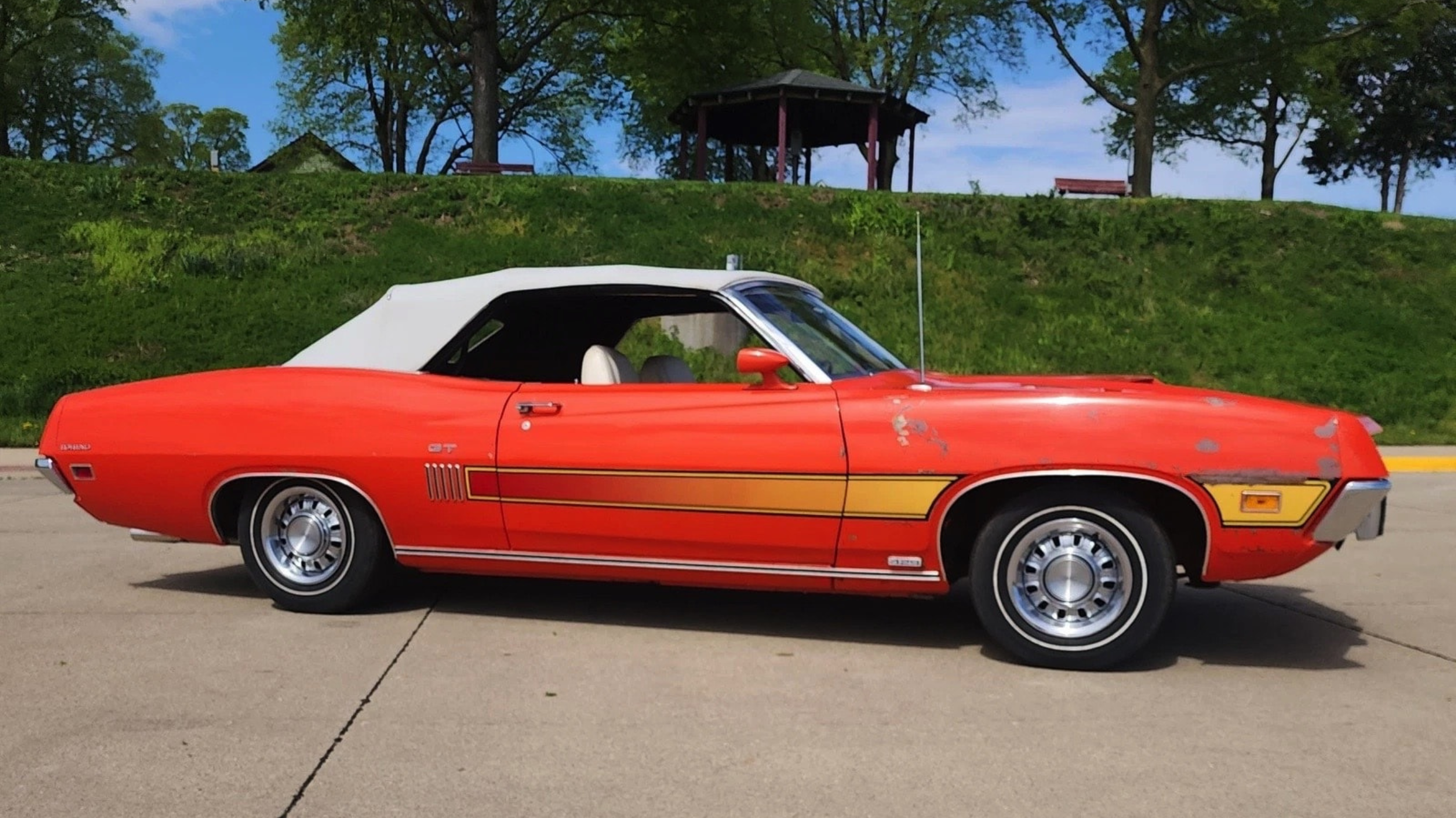
The Forgotten Muscle: Why the 1958 Dodge Coronet Deserves Your Attention
When American muscle car enthusiasts discuss classic Dodge Coronets, conversation typically gravitates toward the legendary 1960s midsize models that gave birth to icons like the Charger and Super Bee. However, there’s an earlier chapter in the Coronet story that deserves equal recognition – the spectacular full-size 1958 Dodge Coronet, a testament to America’s post-war automotive optimism and the dawn of the muscle car era.
The 1958 Dodge Coronet represents the pinnacle of Virgil Exner’s revolutionary “Forward Look” design philosophy, featuring dramatic tail fins that capture the spirit of the Space Age and the raw power of Dodge’s legendary Red Ram V8 engines. For collectors seeking an authentic piece of American automotive history without the premium price tag of more famous muscle cars, the ’58 Coronet offers exceptional value and undeniable presence.
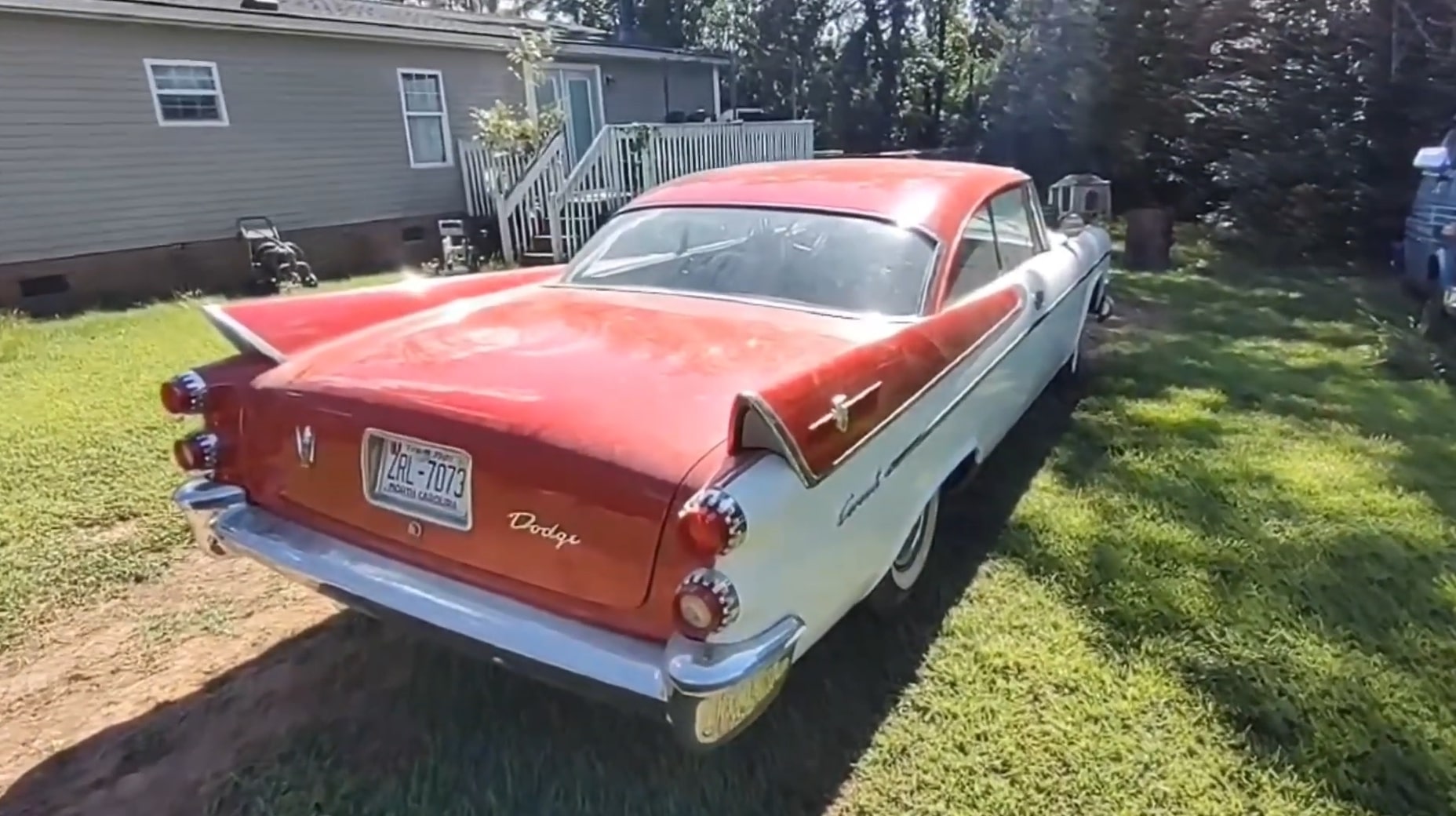





Forward Look Design: When Cars Looked Like Rockets
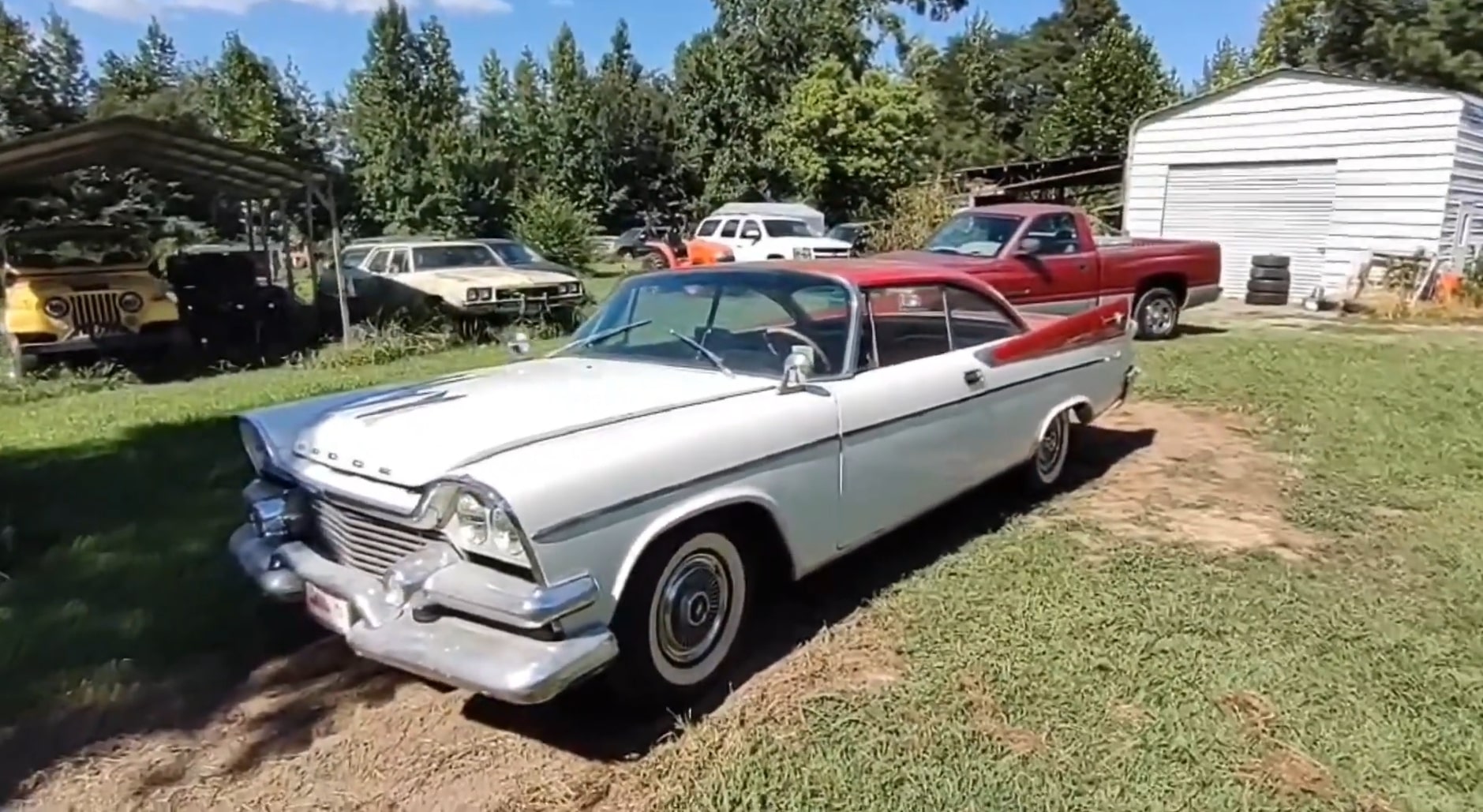
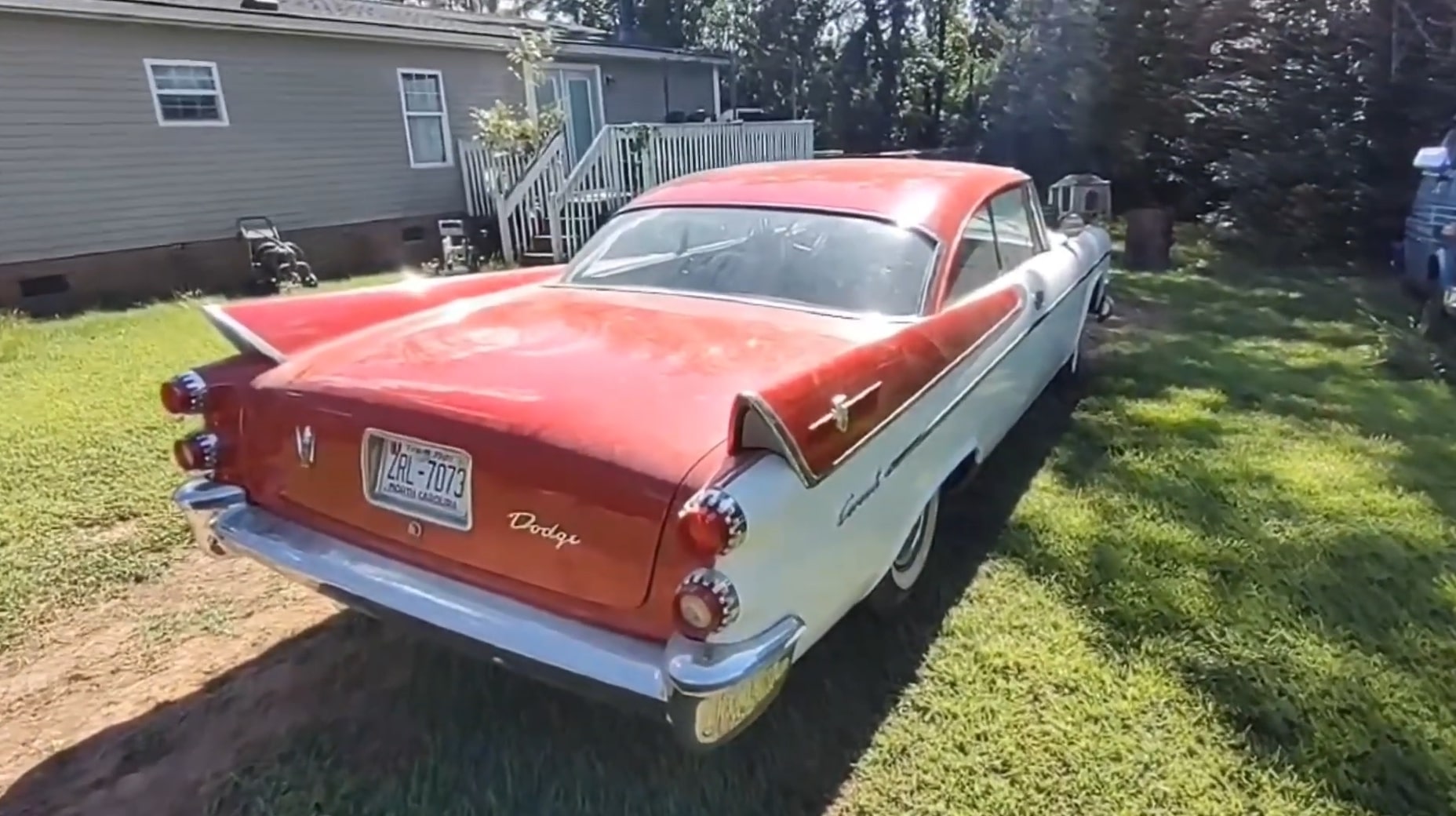
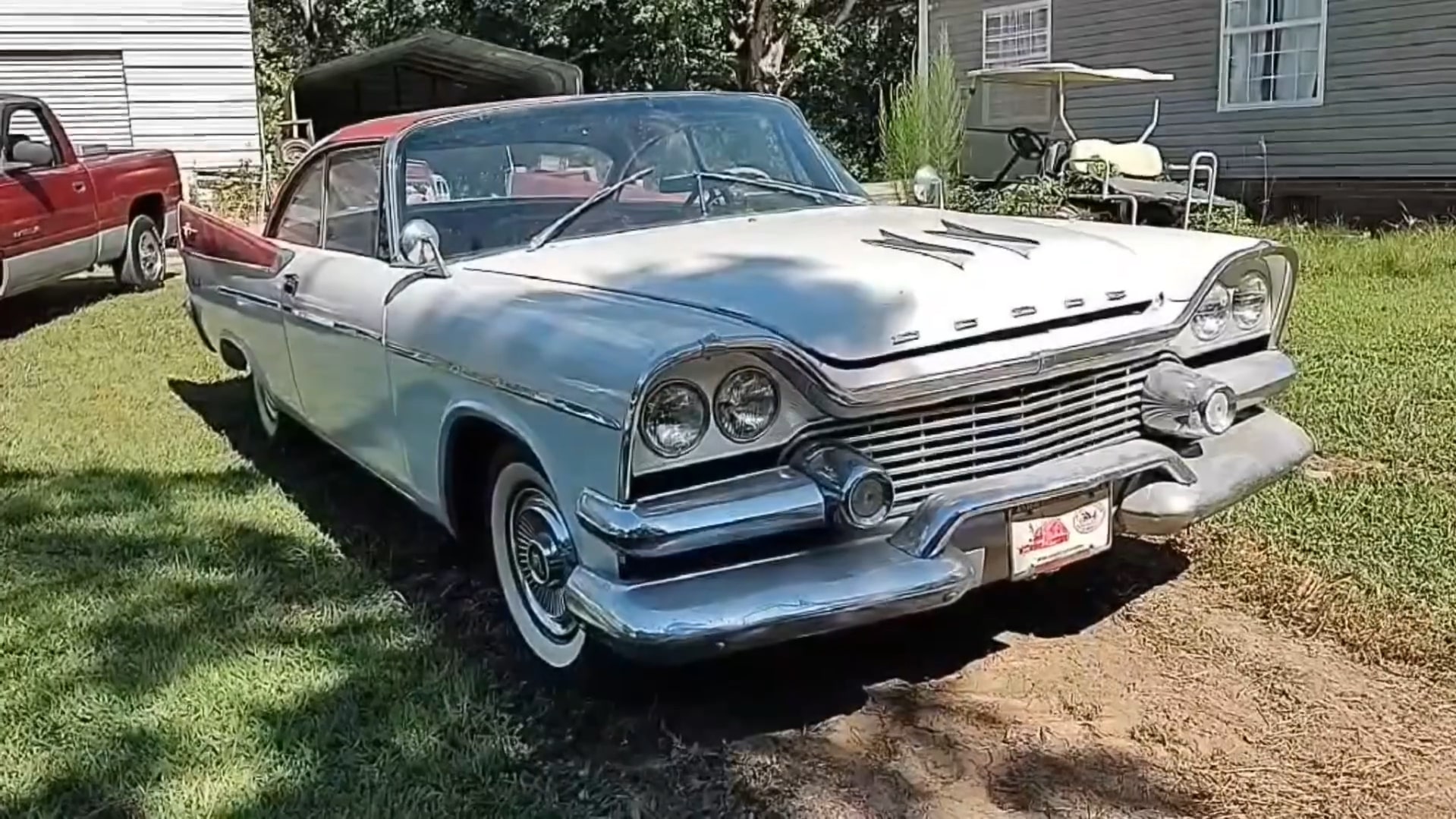
The “Forward Look” styling, dubbed “swept wing” for the Dodge nameplate, featured tall, sweeping fins, copious amounts of chrome trim, wraparound windshields, and exhaust-style taillights. The cars were also long, low, and wide, distinct from anything other manufacturers were putting on the road at the time.
Exner lowered the roofline and made the cars sleeker, smoother, and more aggressive looking. In 1955, Chrysler introduced “The New 100-Million Dollar Look”, which reached its creative zenith with the 1957-1959 Coronet models. The massive tail fins weren’t just for show – Exner believed in their aerodynamic benefits and even conducted wind tunnel testing at the University of Michigan to validate his designs.
The 1958 model year brought subtle but important updates to the Forward Look theme. The styling was similar to the previous year’s design, continuing to use the ‘Forward Look’ theme, with a new grille and quad headlights. The grille had horizontal center bars with parking lights on the inside edge, giving the Coronet a more sophisticated appearance while maintaining its dramatic presence.
Engine Options: Red Ram Power Under the Hood
The heart of any muscle car lies in its engine bay, and the 1958 Dodge Coronet didn’t disappoint. Power came from the 230 cu in (3.8 L) “Getaway” L-head straight-6 or the 325 cu in (5.3 L) “Red Ram” V8, with the V8 being the preferred choice for performance-minded buyers.
Base Red Ram V8: The Foundation of Muscle
The entry-level V8 was the 325 cubic inch Red Ram, producing a respectable 252 horsepower. This engine represented the minimum viable V8 option for 1958, but still delivered substantial performance compared to the competition. The Red Ram featured overhead valve design and represented Dodge’s commitment to V8 power across their lineup.
Super Red Ram and Beyond
For buyers seeking more power, Dodge offered several upgrade options:
- Super Red Ram: 325 cubic inches producing 265 horsepower
- 350 Ram Fire V8: 290 horsepower from 5.7 liters of displacement
- D-500 Package: Featured the 361 cubic inch big block with 305 horsepower
- Super D-500: The ultimate option with 320 horsepower from the 361 cubic inch mill
The standard engine offered for Regal Lancers was the 350 cubic inch displacement “Ram Fire” V8, indicating that higher trim levels came with more powerful engines as standard equipment.
Production Numbers and Rarity
Dodge produced 77,388 examples of the Coronet in 1958, making it relatively common for its era but increasingly rare today due to natural attrition. The Lancer trim level, which featured unique interior appointments and often came without options like air conditioning and radio, represents a smaller subset of total production.
Lancer Trim: The Sweet Spot for Collectors
The Lancer hardtop sedan pricing began at $2,730, the hardtop coupe at $2,645, and the convertible at $2,900. The Lancer represented the mid-range trim option, offering distinctive styling cues without the premium pricing of higher-end models.
The lack of factory air conditioning and radio in many Lancer models actually increases their appeal to purist collectors who prefer original, unmodified examples. These “stripper” models showcase the car’s fundamental design and performance without period accessories that might complicate restoration.
Investment Potential and Market Values
The 1958 Dodge Coronet presents a compelling investment opportunity for several reasons:
Undervalued Classic with Upside Potential
Current market values for 1958 Coronets remain remarkably reasonable compared to other classic American cars of the era. Excellent condition examples typically sell in the $25,000-$35,000 range, while project cars can be acquired for $10,000-$15,000. This pricing represents exceptional value considering the car’s:
- Iconic Forward Look styling
- Genuine V8 muscle car credentials
- Historical significance as a post-war design milestone
- Relatively low production numbers compared to later muscle cars
The Survivor Advantage
Unrestored, original examples command premium pricing due to their rarity. Most 1958 Coronets have either been restored, modified, or succumbed to rust over the decades. Finding a genuine survivor with original paint, interior, and drivetrain represents a significant discovery in the classic car world.
What to Look For When Buying
Body and Structural Integrity
The 1958 Coronet’s unibody construction makes rust inspection critical. Pay special attention to:
- Rear quarter panels: The area around the tail fins is prone to rust
- Door frames: Water intrusion can cause significant structural damage
- Floor pans: Check for rust-through, particularly in the rear seat area
- Trunk floor: Often overlooked but expensive to repair
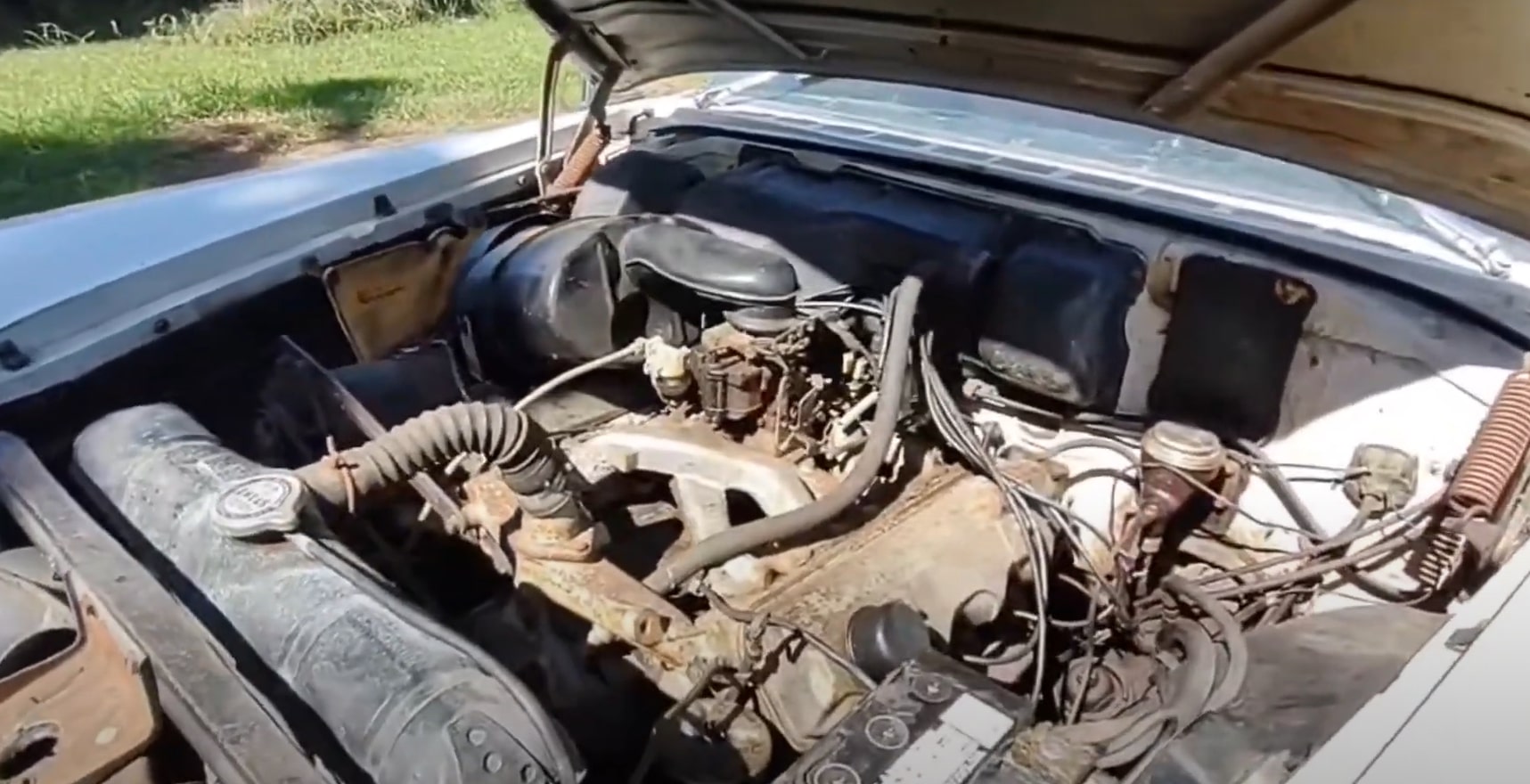
Engine Bay Originality
Verify the authenticity of the Red Ram V8 by checking:
- Block casting numbers: Ensure the engine matches the car’s production year
- Intake manifold: Original Red Ram manifolds have distinctive casting marks
- Carburetor: Rochester or Carter units were typical for 1958
- Exhaust manifolds: Cast iron units should match original specifications
Interior Preservation
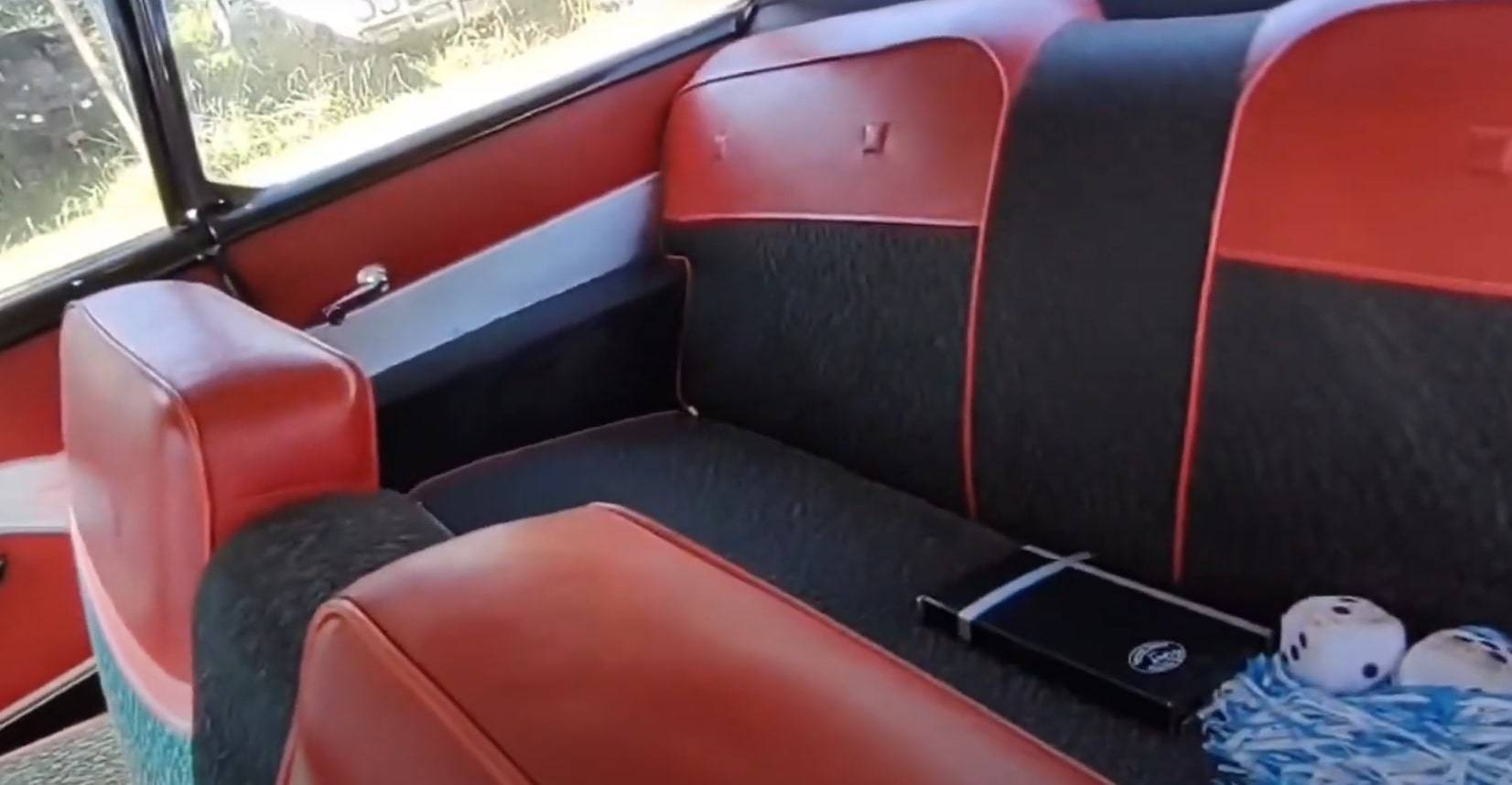
The two-tone interiors typical of 1958 Coronets are difficult and expensive to restore. Look for:
- Seat condition: Original vinyl and cloth combinations are rare
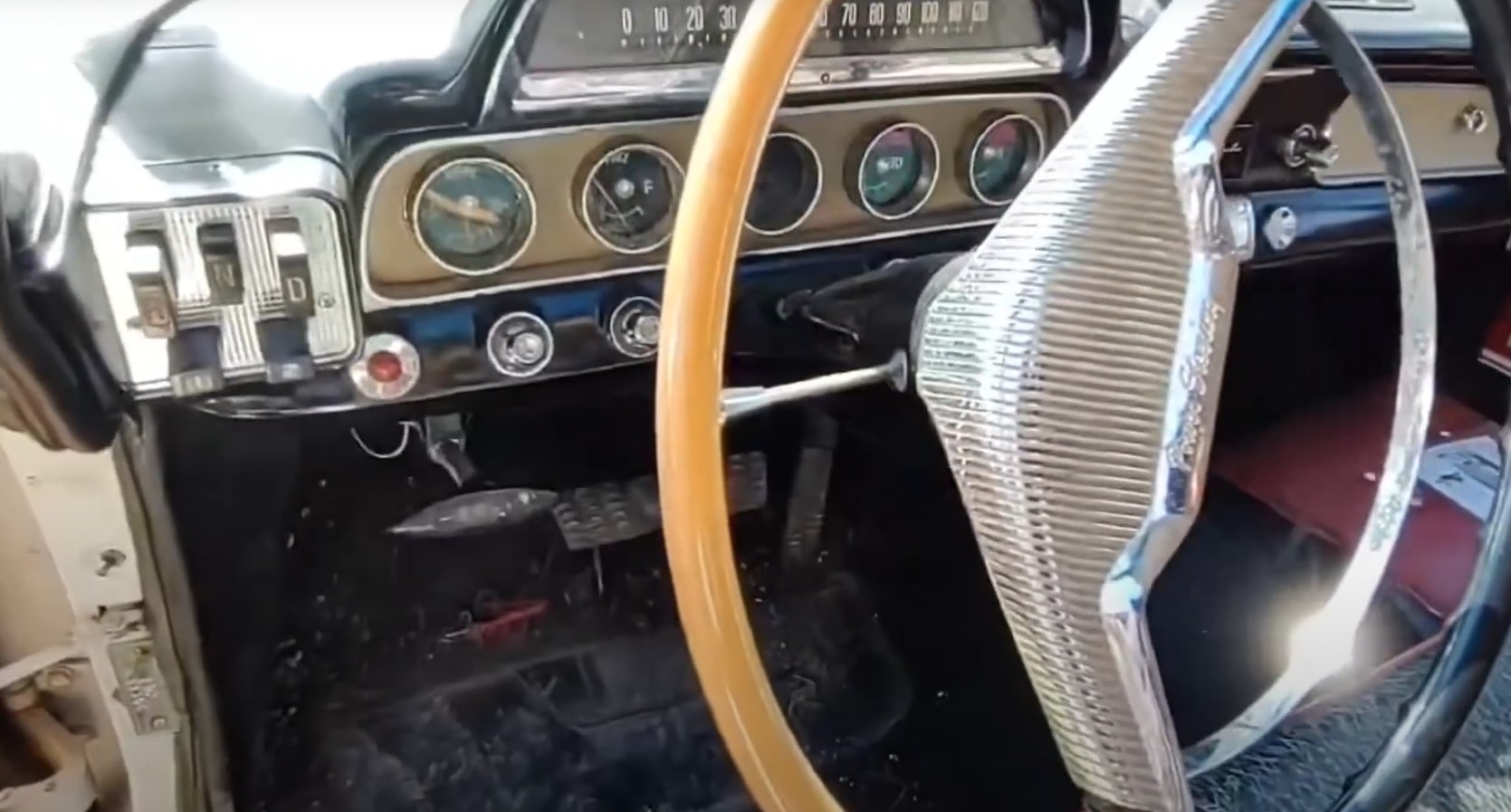
- Dashboard integrity: Cracks in the metal dash are common
- Door panels: Original trim pieces are nearly impossible to find
- Headliner: Sagging headliners indicate potential water damage
Restoration Considerations
Parts Availability Challenges
Unlike popular muscle cars from the 1960s, 1958 Coronet restoration parts are limited. Most components must be sourced from:
- Specialty Mopar suppliers: Limited but growing market
- Salvage yards: Increasingly rare finds
- Reproduction manufacturers: Very few companies produce 1958-specific parts
- Custom fabrication: Many trim pieces require professional restoration
Cost-Effective Restoration Strategies
Smart restoration approaches focus on:
- Mechanical reliability: Prioritize engine, transmission, and braking systems
- Preservation over perfection: Maintain original patina where possible
- Safety upgrades: Modern radial tires and improved lighting
- Subtle modernization: Electronic ignition and alternator conversions
Why the 1958 Coronet Matters Today
The 1958 Dodge Coronet represents a pivotal moment in American automotive history. It bridges the gap between post-war optimism and the coming muscle car revolution. The Forward Look design philosophy influenced automotive styling for decades, while the Red Ram V8 engines established Chrysler’s reputation for performance.
For modern collectors, the 1958 Coronet offers:
- Distinctive styling: Nothing else on the road looks like a finned Forward Look Mopar
- Driving experience: Genuine 1950s American luxury and performance
- Investment potential: Undervalued compared to later muscle cars
- Community: Dedicated Mopar enthusiasts and specialized knowledge base
Final Thoughts: The Time Capsule Worth Preserving
The 1958 Dodge Coronet Lancer represents more than just another classic car – it’s a rolling time capsule that captures America’s post-war confidence and automotive ambition. With its dramatic Forward Look styling, Red Ram muscle, and increasingly rare survivor status, the ’58 Coronet deserves recognition alongside more famous muscle car icons.
For enthusiasts seeking an authentic piece of American automotive history without the premium pricing of Hemi ‘Cudas or SS Chevelles, the 1958 Dodge Coronet offers exceptional value and undeniable presence. Whether you’re drawn to its space-age styling, thundering Red Ram V8, or simply the satisfaction of preserving an underappreciated classic, the 1958 Coronet rewards those bold enough to see beyond mainstream muscle car orthodoxy.
The question isn’t whether the 1958 Dodge Coronet deserves a place in your garage – it’s whether you’ll recognize its potential before the rest of the collector car world catches on.