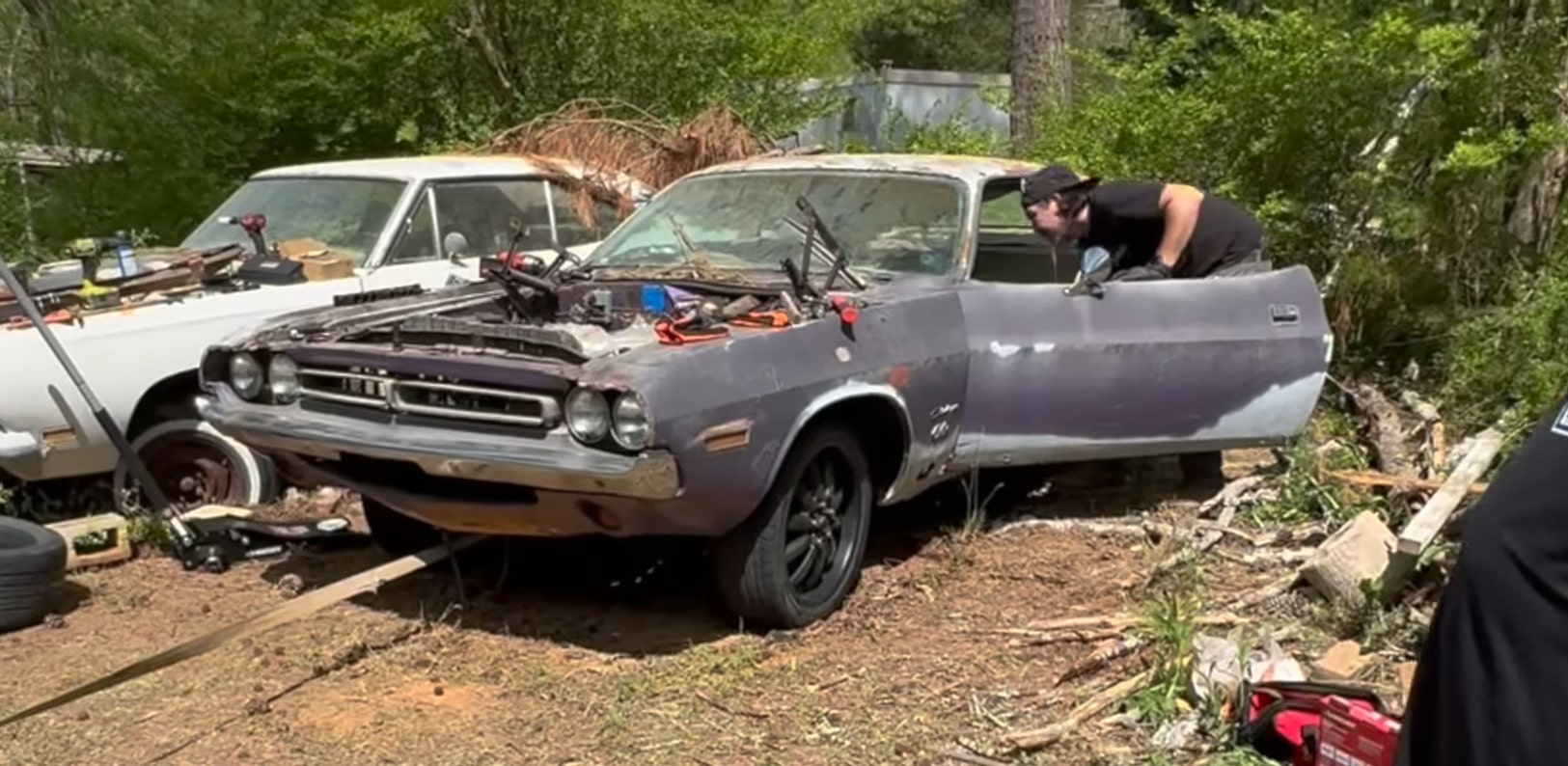
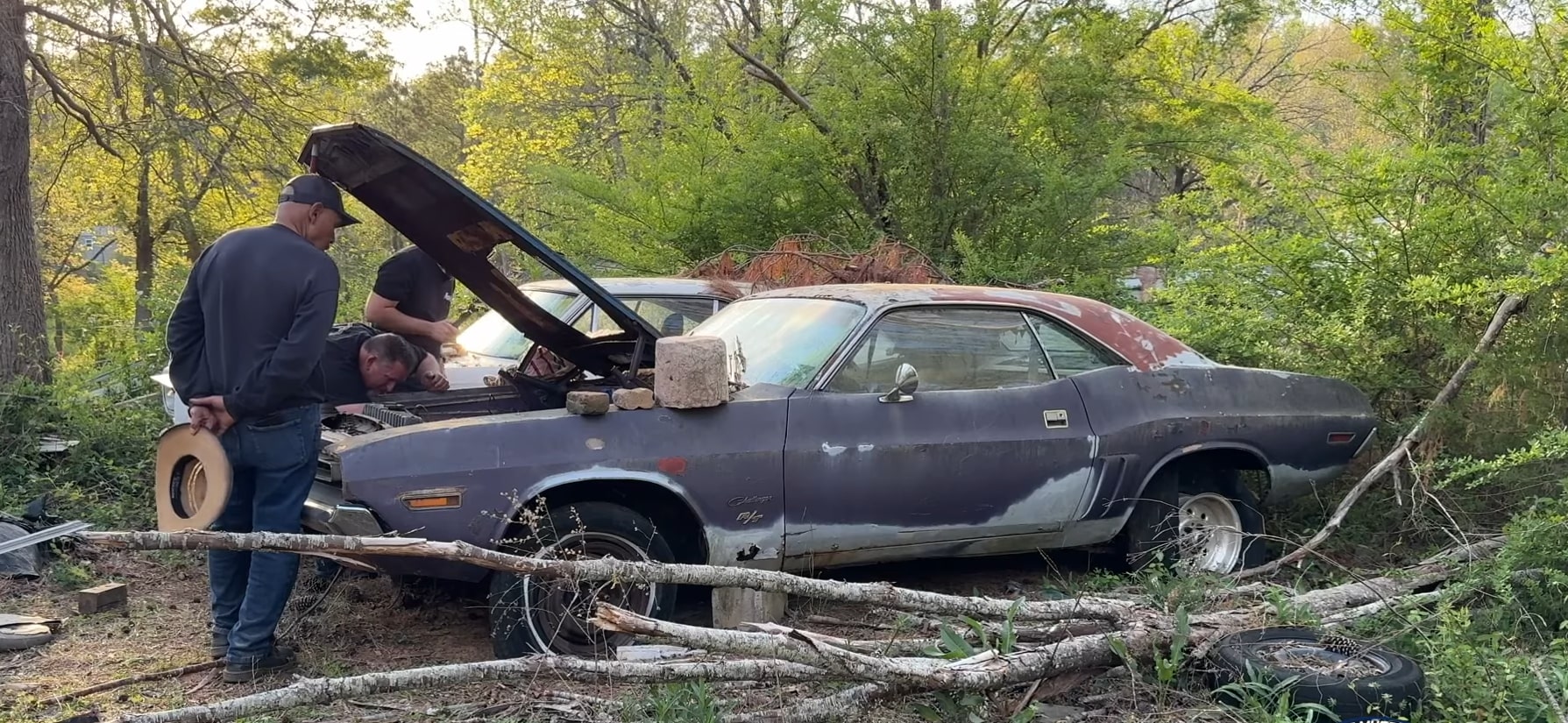
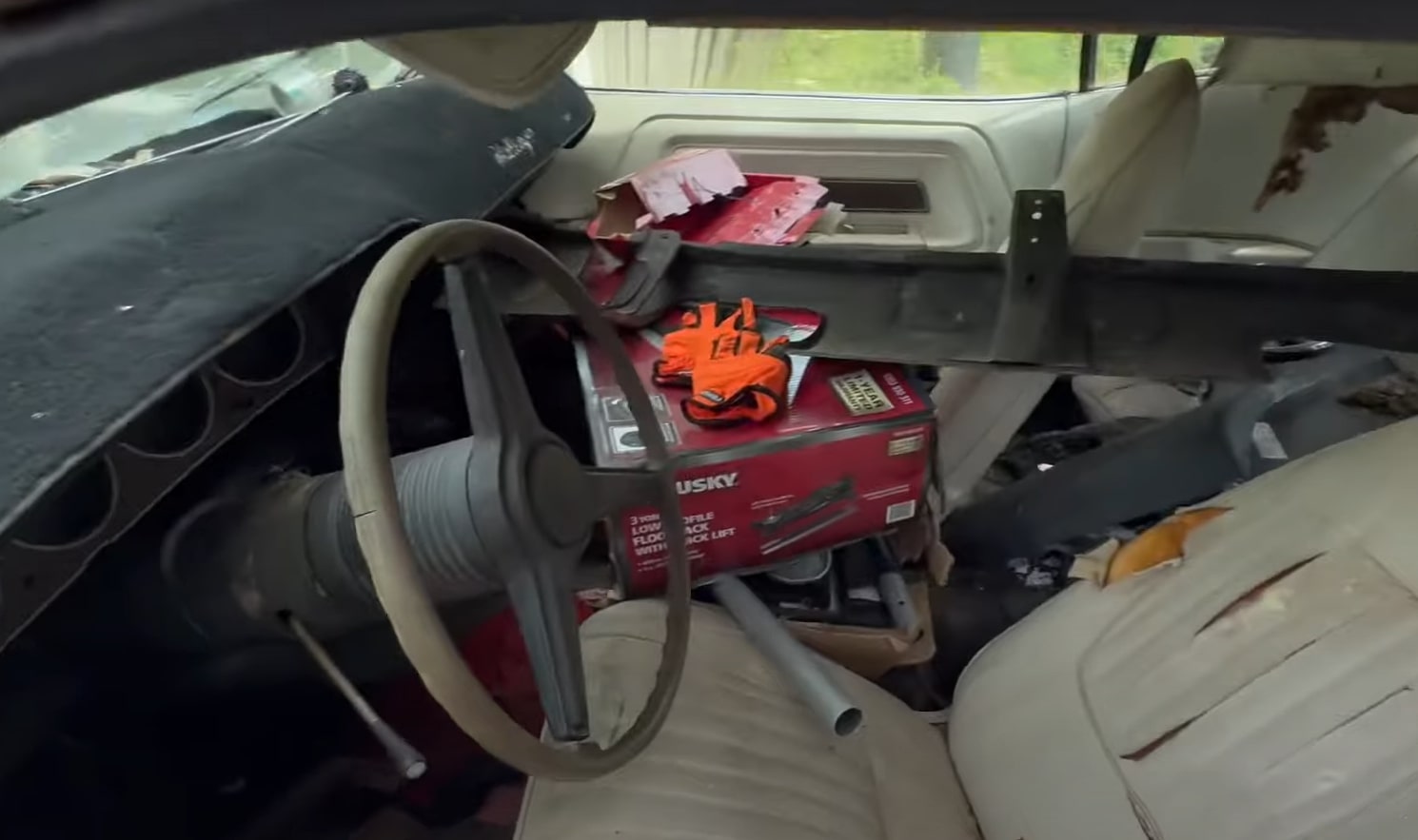
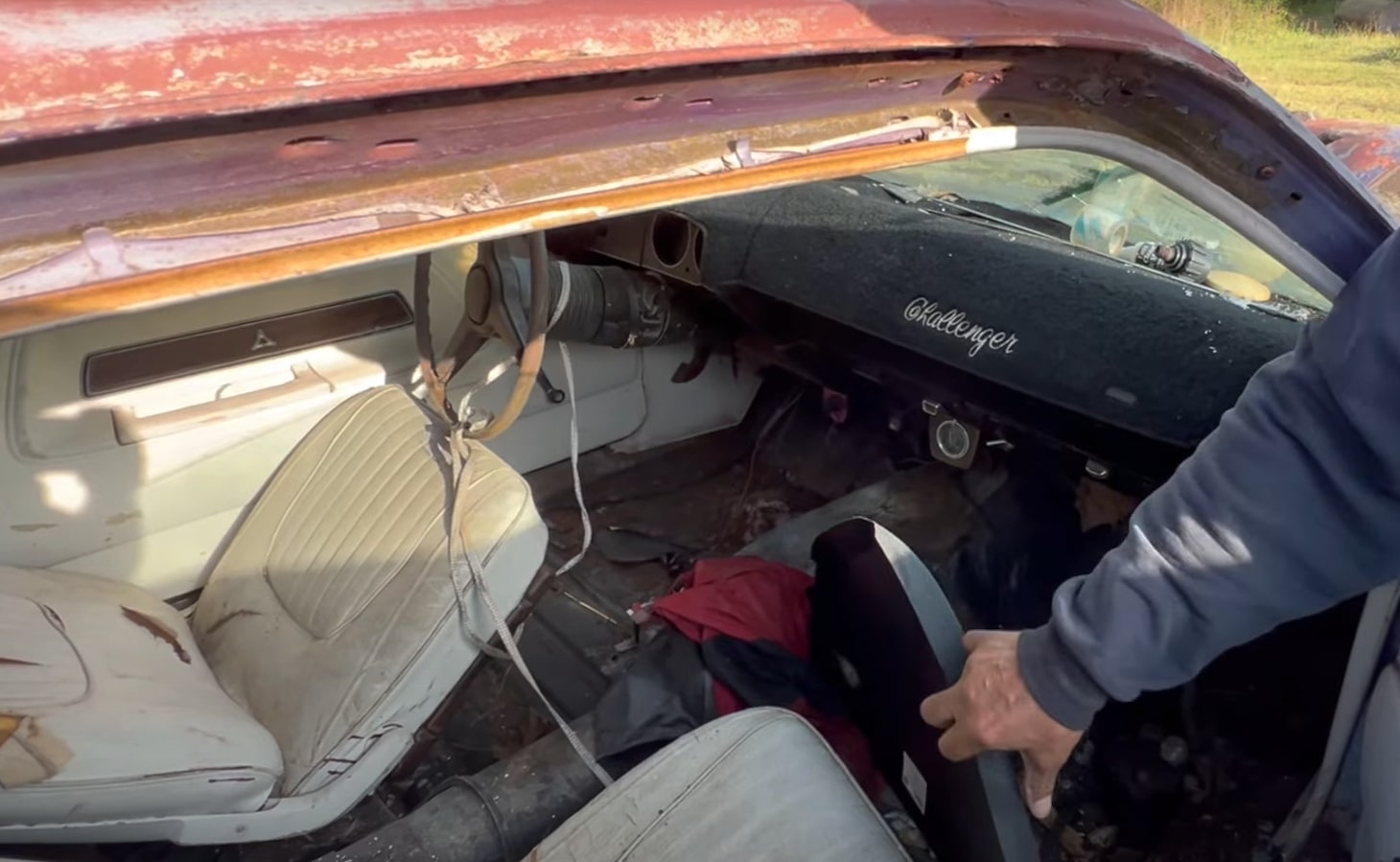
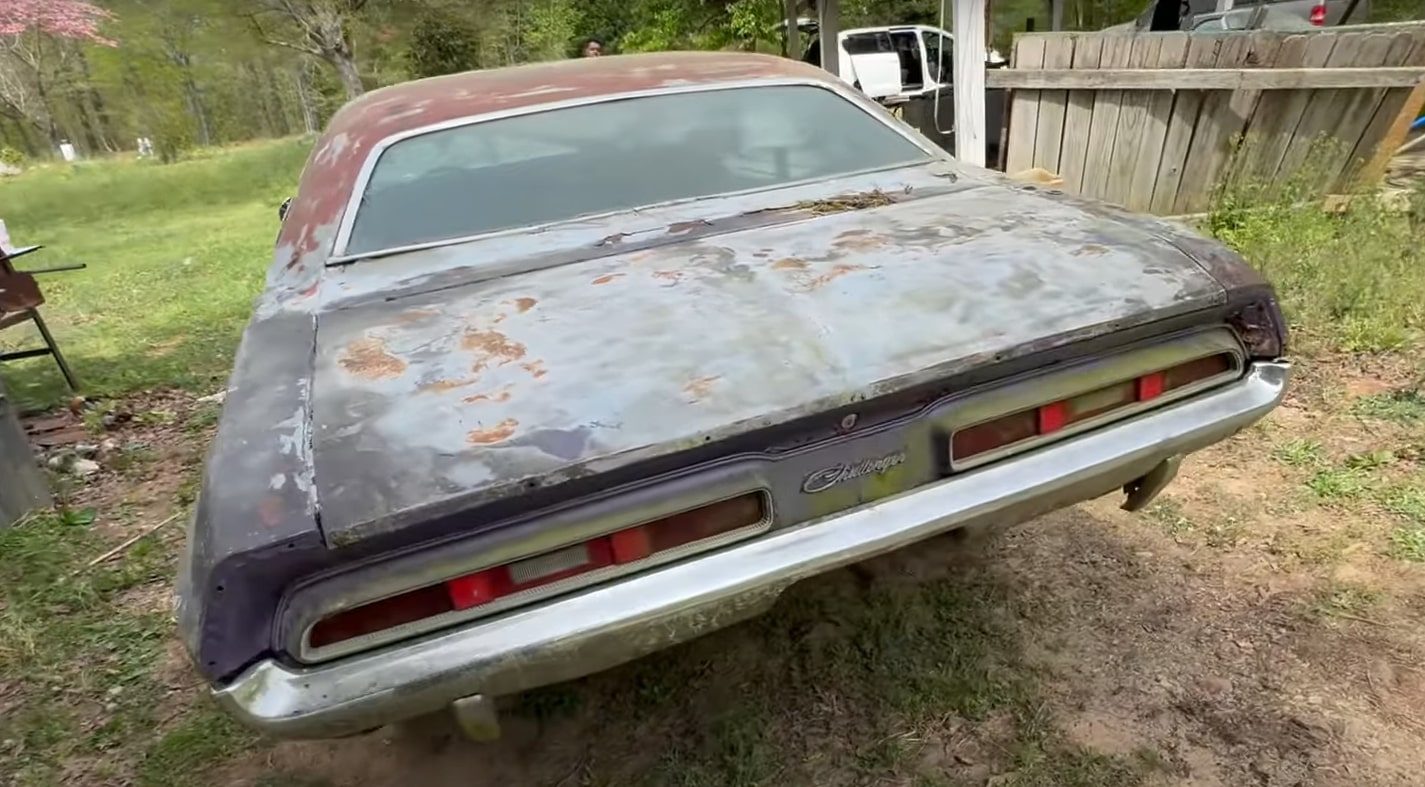
The muscle car community’s greatest treasures often emerge from the most unexpected circumstances, and a dedicated Mopar enthusiast’s recent discovery perfectly illustrates this phenomenon. After 40 years in hiding, an extremely rare 1971 Dodge Challenger R/T with the legendary 440 Six-Barrel engine and manual transmission has been rescued from obscurity. In 1971, Dodge sold only 250 Challengers equipped with the 440-cubic-inch V8 Six-Barrel. One of only 127 manual cars, this Mopar spent 40 years in hiding, making its rescue a significant victory for automotive preservation.
The 40-Year Hibernation: A Time Capsule Emerges
Extended hiding periods create both preservation opportunities and restoration challenges for classic muscle cars. When a car disappears from circulation for four decades, it often means either careful storage by someone who understood its value or abandonment that threatens its survival. In this case, the fortunate outcome suggests thoughtful stewardship that protected this ultra-rare Challenger from the elements and modification trends that claimed so many of its siblings.
The timeline places this car’s hiding period beginning around 1984, when E-body Mopars were transitioning from used cars to recognized collectibles. Someone made the prescient decision to preserve rather than drive or sell this Six-Barrel manual car, creating today’s remarkable rescue opportunity.
1971 Challenger R/T: The Final Chapter
Understanding this rescue’s significance requires appreciating what made the 1971 Dodge Challenger R/T historically important. The 1971 model year marked the beginning of the end for the original E-body platform, as emissions regulations and insurance industry pressure forced dramatic changes to American muscle car specifications.
By 1971, the legendary 426 Hemi was no longer available in Challenger R/T models, making the 440 Six-Barrel the ultimate performance option. This engine represented Chrysler’s last gasp of true big-block muscle in the Challenger lineup before the era ended entirely.
1971 Challenger R/T Production Context:
- Final year before major emissions detuning
- Last opportunity to order genuine high-performance big-block power
- Introduction of lower compression ratios affecting all engines
- Beginning of insurance industry’s war on muscle cars
The 440 Six-Barrel: Mopar’s Ultimate Street Engine
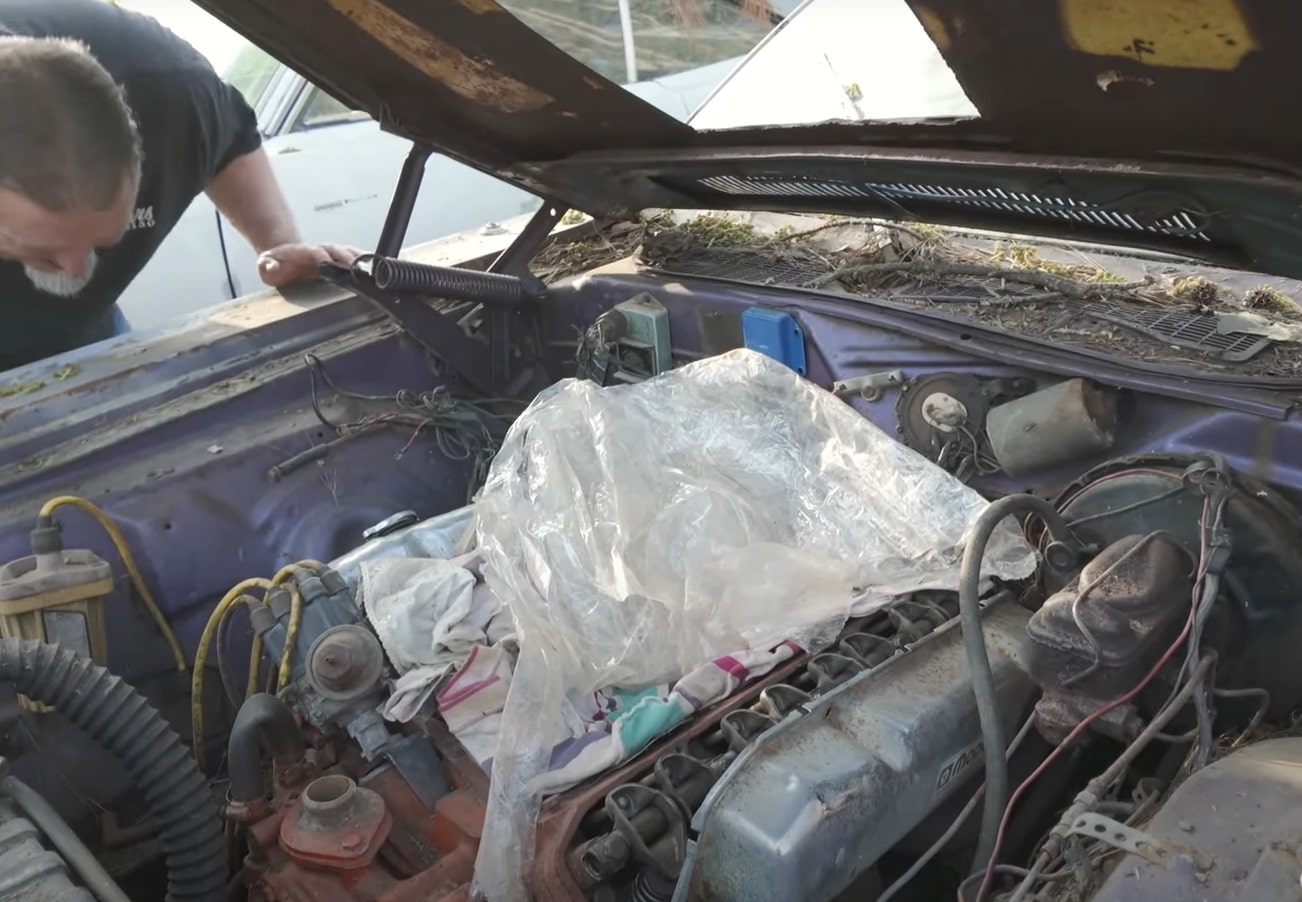
The 440 Six-Barrel system discovered under this rescued Challenger’s hood represents the pinnacle of Chrysler’s production muscle car engineering. The 1971 Dodge Challenger R/T 440 V8 Six-Pack 4-speed produced 335 PS / 330 bhp / 246 kW, making it one of the most potent street engines available from any manufacturer during the transitional 1971 model year.
440 Six-Barrel Specifications:
- Displacement: 440 cubic inches (7.2 liters)
- Power Output: 330 horsepower (SAE gross rating)
- Torque: 425 lb-ft at 3,400 rpm
- Carburetion: Three Holley 2-barrel carburetors
- Compression Ratio: 10.3:1 (reduced from 1970’s 10.5:1)
- Breathing: Dual exhaust with performance mufflers
The Six-Barrel system’s progressive carburetor operation provided excellent street manners while delivering devastating acceleration when all three carburetors opened simultaneously.
Extreme Rarity: Numbers That Tell the Story
This rescued Challenger’s significance extends far beyond its impressive performance specifications to its extreme production rarity. The 440 Six-Pack cars represented only 246 Challenger R/Ts in 1971 – 119 automatics and 127 four-speed manuals, making every survivor precious beyond typical collector car status.
1971 Challenger 440 Six-Barrel Rarity Breakdown:
- Total Six-Barrel R/Ts: 246 cars total
- Automatic Transmission: 119 units
- 4-Speed Manual: 127 units (this car’s category)
- Survival Rate: Estimated less than 30% of original production
With only 127 manual transmission Six-Barrel cars originally built, this rescue represents preservation of approximately 0.8% of total 1971 Challenger R/T production – a level of rarity that approaches unicorn status among serious collectors.
The Mopar Guy: Dedication to Preservation
The “Mopar guy” responsible for this rescue embodies the passionate community that keeps muscle car history alive through dedicated preservation efforts. These enthusiasts possess the knowledge, resources, and commitment necessary to identify significant survivors and ensure their continued existence for future generations.
Mopar specialists develop expertise that enables them to recognize gems hiding beneath decades of neglect, understanding both the technical specifications and production numbers that separate common classics from irreplaceable rarities. This particular rescue demonstrates exactly why the Mopar community’s preservation efforts prove so crucial to automotive history.
Market Context: What Ultra-Rare Means Today
Current classic car market conditions reveal the investment significance of rescuing ultra-rare muscle cars like this Six-Barrel manual Challenger. Recent auction results and private sales establish market values that justify comprehensive restoration investments:
1971 Challenger R/T 440 Six-Barrel Values:
- Project Cars: $75,000-125,000 (manual transmission premium)
- Driver Quality: $150,000-225,000 for documented examples
- Concours Restorations: $250,000-350,000+ for perfect examples
- Numbers-Matching Premium: Additional 25-40% for authenticated cars
These values reflect both the cars’ performance credentials and their extreme scarcity in today’s collector market.
Restoration Challenges: Bringing Giants Back to Life
Rescuing a 40-year hibernation veteran like this Six-Barrel Challenger requires systematic approach to predictable revival challenges:
Mechanical Priorities:
- Six-Barrel carburetor system rebuild and synchronization
- 440 big-block engine recommissioning with compression testing
- 4-speed manual transmission and clutch system evaluation
- Dana rear axle inspection and differential service
- Brake system complete overhaul for safety compliance
Six-Barrel Specific Requirements:
- Progressive linkage system adjustment and calibration
- Vacuum secondary operation verification
- Air cleaner assembly authenticity confirmation
- Fuel delivery system capacity for triple carburetor demand
Authentication Importance: Proving the Pedigree
For ultra-rare muscle cars like this rescued Challenger, authentication becomes crucial for both restoration accuracy and market value realization:
Critical Documentation Elements:
- Original broadcast sheet or build card verification
- VIN decoding confirming Six-Barrel and manual transmission options
- Engine identification stamping and date code confirmation
- Transmission and rear axle ratio authentication
- Body tag verification of paint code and trim specifications
Professional authentication often justifies its cost through increased collector confidence and premium pricing for genuinely documented examples.
The E-Body Legacy: Why These Cars Matter
The first-generation Dodge Challenger represents more than mere transportation – it embodies Chrysler Corporation’s commitment to performance excellence during the golden age of American muscle cars. The E-body platform shared with Plymouth Barracuda created distinctive styling that aged gracefully while housing some of the most potent drivetrains ever offered from Detroit.
Historical Significance:
- Final opportunity for big-block Mopar muscle before emissions decimation
- Peak of Chrysler’s performance engineering capabilities
- Distinctive styling that influenced automotive design for decades
- Cultural impact extending far beyond automotive enthusiasts
Investment vs. Passion Analysis
This rescued Six-Barrel manual Challenger presents compelling arguments for both financial investment and pure enthusiast enjoyment:
Financial Considerations:
- Extreme rarity ensuring continued appreciation
- Growing collector recognition of E-body significance
- Strong parts availability supporting restoration efforts
- Established market values justifying restoration investment
Emotional Rewards:
- Satisfaction from preserving irreplaceable automotive history
- Connection to golden age of American performance
- Community recognition within Mopar enthusiast circles
- Driving experience unavailable in modern vehicles
The Rescue Success Story
This Mopar guy’s successful rescue of an ultra-rare 1971 Challenger R/T Six-Barrel manual represents everything positive about the classic car community. The combination of knowledge, dedication, and preservation commitment ensures that future generations will experience this legendary combination of power, rarity, and historical significance.
Success Factors:
- Recognition of the car’s extreme rarity and significance
- Financial commitment necessary for comprehensive revival
- Technical expertise required for Six-Barrel system restoration
- Understanding that some automotive treasures transcend mere investment value
Whether this particular rescued Challenger becomes a concours show car or a carefully driven survivor, its emergence from 40 years of hiding represents victory for automotive preservation and proof that significant muscle cars still await discovery by dedicated enthusiasts.
The Verdict: Preservation Victory
The rescue of this 1971 Dodge Challenger R/T 440 Six-Barrel manual transmission car demonstrates why the Mopar community’s preservation efforts prove so crucial to automotive history. With only 127 such cars originally produced, every survivor represents irreplaceable links to the golden age of American muscle car development.
This particular rescue story validates the importance of patient searching, knowledgeable assessment, and commitment to preservation that characterizes serious Mopar enthusiasts. The 40-year hiding period protected this ultra-rare Challenger from modification, accident damage, and the countless other hazards that claim classic muscle cars over time.
For the broader classic car community, this rescue reinforces the reality that significant discoveries still occur for those who possess the knowledge and dedication necessary to identify and preserve automotive treasures. Every rescued muscle car represents victory over time, neglect, and the forces that constantly threaten our automotive heritage.
Whether this Six-Barrel Challenger becomes someone’s restoration masterpiece or preservation-focused driver, its rescue ensures that future enthusiasts will experience one of the rarest and most powerful combinations Dodge ever offered to the public.