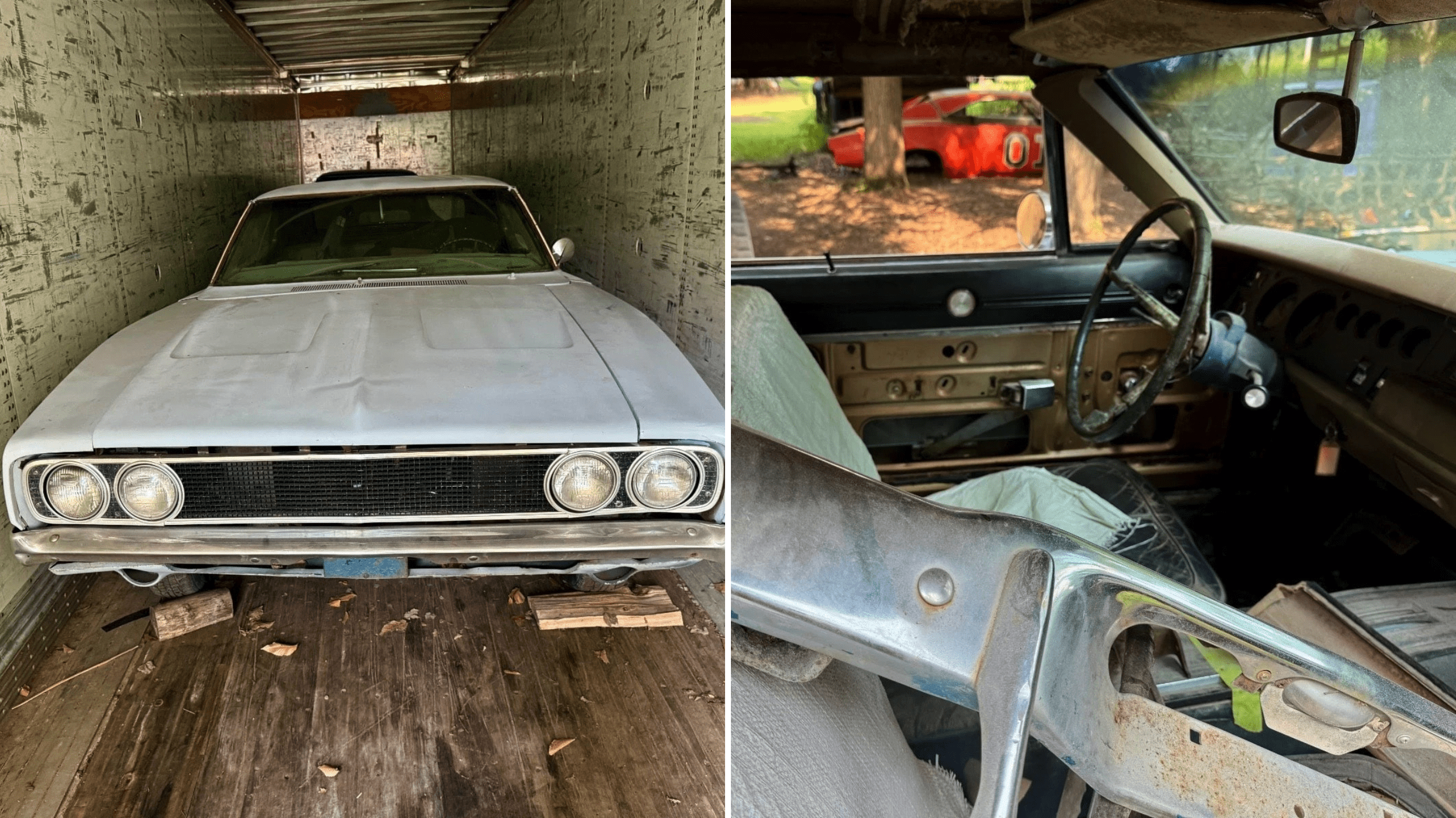
Sometimes the best barn find stories aren’t just about discovering forgotten classics – they’re about rediscovering the people who preserved them. In a heartwarming tale that perfectly captures the passion and community spirit of classic car collecting, a group of dedicated car hunters recently experienced the ultimate reward: not only finding the Plymouth Barracuda they’d been chasing for years, but reconnecting with a long-lost friend who owned it all along.


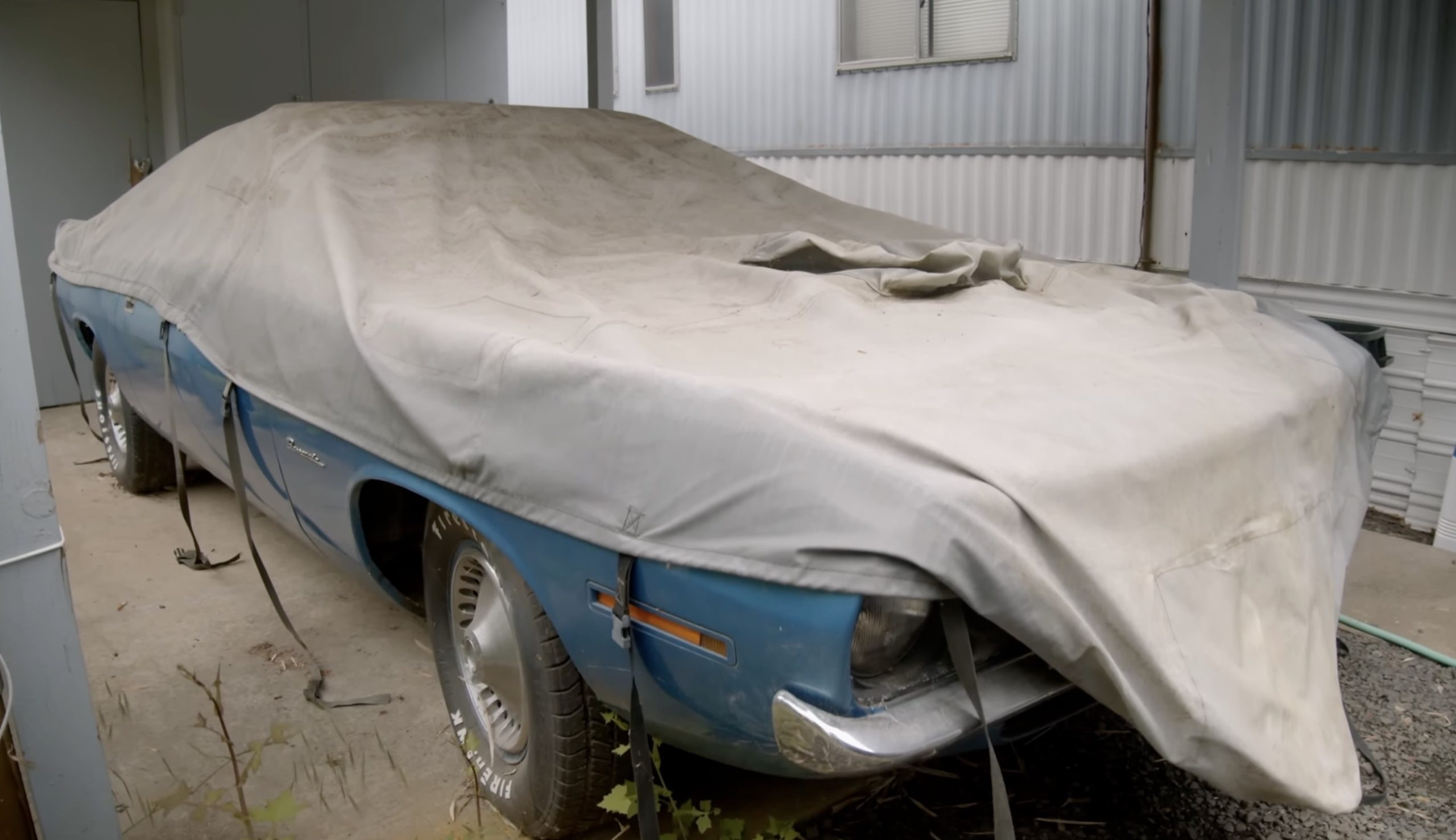


The Hunt That Became a Reunion
Every serious classic car enthusiast knows the feeling – that one car that got away, the dream machine that haunts your thoughts and fuels your weekend expeditions through classified ads and barn tours. For this group of classic car hunters, that obsession centered around a particular Plymouth Barracuda, a car they’d been tracking through leads, rumors, and dead-end trails for years.
What they didn’t expect was that their relentless pursuit would lead them back to someone from their past – a friend they’d lost touch with over the decades, who had been quietly caring for the very car they’d been seeking. The reunion was as valuable as the discovery itself, proving that sometimes the journey matters more than the destination.
The Plymouth Barracuda: More Than Just Another Muscle Car
To understand why this particular ‘Cuda commanded such dedicated pursuit, we need to appreciate what made these cars special. His 1965 Plymouth Barracuda Formula S, Unrestored and Fully Optioned represents the kind of survivor that car hunters dream about finding.
The first-generation Plymouth Barracuda (1964-1966) holds a unique position in muscle car history. Introduced two weeks before Ford’s Mustang, the Barracuda was actually America’s first pony car, though Ford’s superior marketing and broader appeal allowed the Mustang to claim that title in popular memory.
1965 Barracuda Formula S Specifications:
- Engine: 273 cubic inch V8 with solid lifters
- Power: 235 horsepower (high-compression version)
- Transmission: 4-speed manual or 3-speed TorqueFlite automatic
- Special Features: Heavy-duty suspension, wider tires, rally wheels
- Production: Only 8,253 Formula S models built in 1965
The Original Owner’s Story: 60 Years of Devotion
Original Owner Paid Big Bucks To Get All Options on His Barracuda, Selling After 60 Years tells a story that resonates with every car enthusiast – the deep connection between owner and machine that spans decades. When someone orders every available option and keeps a car for six decades, that’s not transportation – that’s passion preserved.
The original owner’s commitment to options speaks to the Barracuda’s significance in Plymouth’s lineup:
Popular 1965 Barracuda Options:
- Formula S performance package
- Four-speed manual transmission
- Heavy-duty suspension
- Rally wheels and wide tires
- Console with floor shifter
- Tachometer and performance gauges
- Special striping and badging
Each option represented additional investment in performance and style, creating a car that was far more than basic transportation.
The Car Hunter Community: Persistence Pays Off
Classic car hunting has evolved into a sophisticated network of enthusiasts who share leads, swap stories, and support each other’s quests for automotive gold. This community aspect often creates friendships that extend far beyond shared automotive interests, as evidenced by this reunion story.
Modern car hunters employ various strategies:
Traditional Methods:
- Classified ad monitoring across multiple platforms
- Barn and estate sale reconnaissance
- Word-of-mouth networking within collector communities
- Relationship building with parts dealers and restoration shops
- Social media group participation and lead sharing
Digital Age Tools:
- Online auction site watching
- Classic car marketplace alerts
- Social media group discussions
- YouTube channel discoveries
- Podcast community connections
Market Context: Why First-Generation Barracudas Matter
Recent market performance has validated the wisdom of pursuing early Barracudas:
The Plymouth Barracuda market has shown remarkable strength, particularly for well-optioned early examples. Lost for 50 years, this 1970 Plymouth ‘Cuda was finally found and brought to the 2023 Mecum auction in Indy where it sold for 2.2 million dollars, making it the third most expensive Plymouth ever auctioned.
While 1970-71 ‘Cudas command headline prices, first-generation cars (1964-1966) offer more accessible entry points with strong appreciation potential:
Current Market Trends:
- Formula S Examples: $25,000-45,000 for driver quality
- Concours Restorations: $50,000-75,000
- Rare Option Combinations: Premium pricing above standard values
- Unrestored Survivors: Significant collector premiums
The Emotional Value of Car Connections
This story highlights something that transcends monetary values – the emotional connections that classic cars create and maintain. The long-lost friend who kept the Barracuda wasn’t just storing a car; she was preserving memories, maintaining a connection to automotive history, and unknowingly safeguarding dreams for future generations.
Stored for more than 40 years, this 1970 HEMI Cuda is all-original and numbers-matching. The owner refused to let it go for $260K, demonstrating how personal attachment often supersedes market value. When someone turns down substantial money for a classic car, they’re protecting something more valuable than currency.
The Preservation Challenge: Decades of Care
Maintaining a classic car for decades requires dedication that goes beyond casual interest:
Long-Term Storage Considerations:
- Climate-controlled environment maintenance
- Periodic mechanical exercising
- Rust prevention and monitoring
- Interior protection from UV and humidity
- Documentation and parts source preservation
- Insurance and security arrangements
The friend who preserved this Barracuda likely invested thousands of hours and considerable expense maintaining the car’s condition over the years, even when it wasn’t being driven regularly.
The Reunion Sale: More Than a Transaction
When the long-lost friend agreed to sell the Barracuda to the car hunters, the transaction represented far more than typical classic car commerce. This was a car finding its perfect new home with people who truly appreciated its significance and history.
Factors That Made This Sale Special:
- Shared history between buyer and seller
- Complete documentation and known provenance
- Understanding of the car’s significance
- Commitment to proper preservation and enjoyment
- Continuation of caring ownership chain
Lessons for Modern Car Hunters
This success story offers valuable insights for anyone pursuing classic car dreams:
Networking Importance:
- Maintain relationships within the collector community
- Share leads generously – karma works in car hunting
- Follow up on old connections and friendships
- Participate in car shows, swap meets, and club events
- Document your search publicly through social media
Persistence Strategies:
- Set realistic timelines – great cars take time to find
- Maintain detailed records of leads and contacts
- Expand search criteria gradually if initial parameters fail
- Build relationships with potential sellers before purchase discussions
- Remain flexible on specific details while maintaining core requirements
The Barracuda’s Place in Muscle Car History
Understanding why this particular model generated such passionate pursuit requires appreciating the Barracuda’s unique position in automotive history:
Historical Significance:
- First American pony car (pre-dating Mustang)
- Plymouth’s entry into performance market
- Bridge between early muscle cars and pony car era
- Distinctive fastback styling that influenced industry trends
- Foundation for legendary 1970-71 ‘Cuda performance machines
The 1965 Formula S represents peak first-generation performance, making it particularly desirable for collectors who appreciate automotive firsts and pioneering designs.
The Father-Son Build Connection
The reference to “Father-Son Build” in the search results suggests this story may involve multi-generational car enthusiasm, adding another layer of meaning to the discovery. Classic car projects often become family bonding experiences that create lasting memories beyond the finished restoration.
Multi-Generational Car Culture:
- Knowledge transfer between generations
- Shared project goals and achievements
- Family history preservation through automotive artifacts
- Teaching opportunities for practical skills
- Creating traditions that extend beyond individual ownership
Investment vs. Passion: The Real Value Equation
While classic car values continue rising, stories like this reunion remind us that the hobby’s greatest rewards often can’t be measured in dollars:
Non-Financial Rewards:
- Friendship maintenance and renewal
- Automotive history preservation
- Community building through shared interests
- Personal satisfaction from successful searches
- Contributing to cultural heritage conservation
Produced for only two model years, the Plymouth HEMI ‘Cuda is among the rarest and most desirable classic Mopars. And with fewer than 800 units out there, it’s also among the most expensive rigs from the golden muscle car era, but even common cars can generate extraordinary stories when they connect the right people.
The Modern Classic Car Community
Today’s collector car community benefits from technology that makes stories like this more likely:
Communication Advantages:
- Social media reconnection capabilities
- Online marketplace visibility
- Digital documentation and photo sharing
- Virtual car show participation
- Global networking possibilities
However, the fundamental elements remain unchanged: passion, persistence, and personal connections drive the best discoveries.
Advice for Aspiring Car Hunters
This reunion success story offers practical guidance:
Search Strategy Recommendations:
- Document Everything: Keep detailed records of all leads and contacts
- Network Actively: Attend shows, join clubs, participate in online communities
- Stay Flexible: Sometimes the perfect car comes in unexpected packages
- Build Relationships: The best deals often come from trusted connections
- Be Patient: Great cars are worth waiting for
- Follow Up: Maintain contact with potential sources over time
The Emotional Payoff
Beyond acquiring their dream car, these hunters experienced something even more valuable – reconnecting with someone from their past who shared their automotive passion. The Barracuda became a catalyst for renewed friendship, proving that classic cars serve as more than mere transportation or investment vehicles.
Conclusion: Dreams Do Come True
This heartwarming story of classic car hunters finding both their dream ‘Cuda and a long-lost friend represents the hobby at its finest. It demonstrates how passion, persistence, and community connections can lead to outcomes that exceed even the most optimistic expectations.
For every car enthusiast reading this story, it serves as inspiration to continue the hunt, maintain those relationships, and never give up on automotive dreams. Somewhere out there, your perfect car is waiting – and it might just be owned by someone you haven’t spoken to in years.
The Plymouth Barracuda that these hunters finally acquired wasn’t just another classic car purchase; it was the tangible result of years of dedication, the reward for maintaining friendships, and proof that the classic car community’s greatest strength lies in the connections between people who share automotive passion.
In a hobby sometimes criticized as becoming too commercial or investment-focused, this story reminds us that the best classic car experiences still center around human connections, shared memories, and the simple joy of preserving automotive history for future generations to appreciate.