The Sentimental Barn Find: When Family History Meets Automotive Passion
Few classic car discoveries carry more emotional weight than a family-owned vehicle emerging from long-term storage. When that car happens to be grandma’s Chevrolet Nova – parked nearly 10 years ago by her nephew and now requiring complete restoration – the project becomes more than just mechanical work. It’s preserving family history, honoring memories, and saving an authentic piece of American automotive culture.
The Chevrolet Nova represented practical transportation for millions of American families from 1962 through 1979. These weren’t exotic sports cars or high-performance muscle machines – they were honest, reliable compacts that took families to church on Sunday, kids to school on Monday, and parents to work every day in between. The Nova’s role as America’s everyday car makes family-owned examples particularly meaningful.
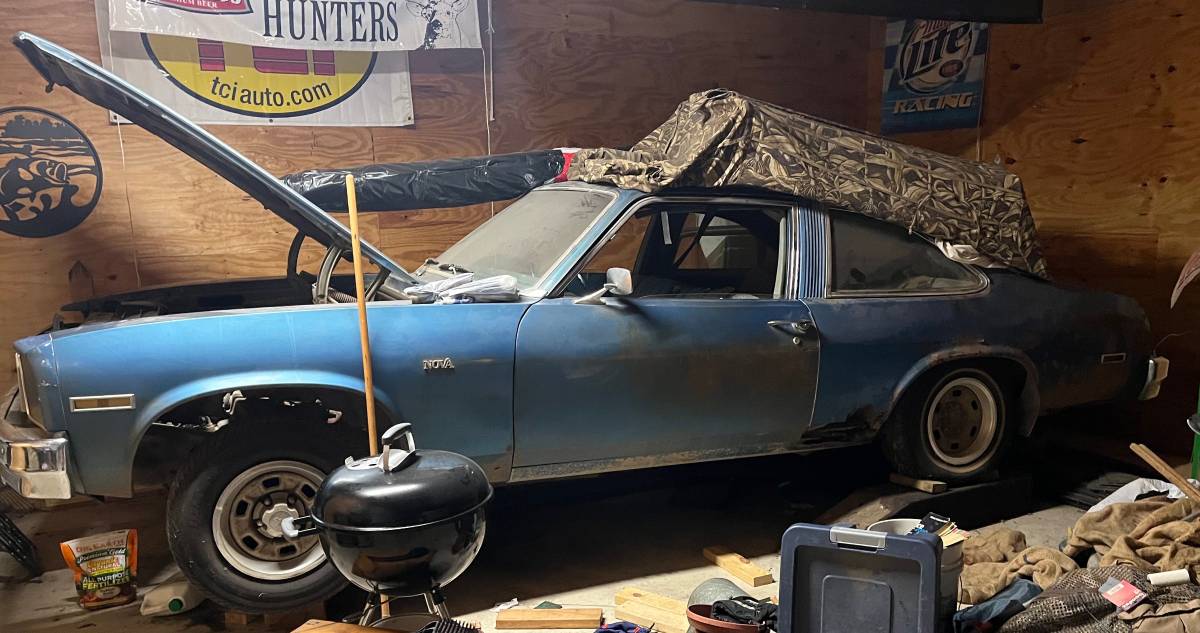
This Chevrolet Nova has been sitting for nearly 10 years after the original owner’s nephew parked it in a garage; it now needs a full refresh. For collectors seeking projects with genuine provenance and emotional significance, these family-owned Novas offer authenticity that restored show cars cannot replicate. The question isn’t whether these cars deserve preservation – it’s whether today’s enthusiasts appreciate their significance enough to save them.
Understanding the Chevrolet Nova Legacy: 1968-1974 Generation
The third-generation Chevrolet Nova, produced from 1968 through 1974, represents the model’s peak evolution as a compact performance car. While the Nova SS had grown into a muscle car over the first two generations, the third generation was a sportier compact great for daily driving.
Design Evolution: From Economy to Performance
The 1968 redesign transformed the Nova from utilitarian compact to legitimate performance contender. Clean, contemporary styling eliminated the previous generation’s quirks while maintaining practical dimensions and interior space.
Key Design Elements:
- Contemporary styling: Clean lines and minimal brightwork
- Improved proportions: Lower, wider stance with better visual balance
- Practical dimensions: Compact exterior with surprising interior space
- Quality construction: Solid build quality and durable materials
- Versatile platform: Foundation for multiple trim levels and performance packages
Market Positioning: The Democratic Performance Car
Unlike expensive muscle cars or premium compacts, the Nova offered performance accessibility. Base models provided economical transportation, while SS variants delivered genuine muscle car performance at prices ordinary families could afford.
Nova’s Market Appeal:
- Affordable entry: Lower pricing than midsize and full-size muscle cars
- Insurance friendly: Compact classification reduced premium costs
- Practical utility: Real cargo space and four-passenger seating
- Performance potential: V8 engines optional across entire lineup
- Maintenance simplicity: Straightforward mechanical systems
Engine Options: From Six-Cylinder Economy to V8 Performance
The Nova’s versatility stemmed from its comprehensive engine lineup, offering powerplants ranging from fuel-efficient sixes to genuine performance V8s.
Inline Six-Cylinder Engines: Practical Power
All engines were inline-sixes. The first and second generations were available, depending on year and model, with the 194 cu in (3.18 L), 230 cu in (3.8 L) and 250 cu in (4.1 L) engines. The third generation (“Chevys”) were produced with the 230 cu in (3.8 L) and 250 cu in (4.1 L) engines.
Six-Cylinder Advantages:
- Excellent fuel economy: Important consideration for family transportation
- Proven reliability: Simple, durable architecture with minimal maintenance
- Lower insurance rates: Six-cylinder designation reduced premium costs
- Adequate performance: Sufficient power for daily driving and highway cruising
- Parts availability: Excellent support from aftermarket suppliers
V8 Engine Options: Performance Transformation
Engine choices still included the 90-horsepower, 153 cid (2.5-liter) four and the 230 and 250 straight sixes. Two new V-8s, a 200-horsepower 307-cid (5.0-liter), and a 295-horsepower 350 cid (5.7-liter), bracketed the 275-horsepower 327. The 1968 Nova SS was now a proper muscle car.
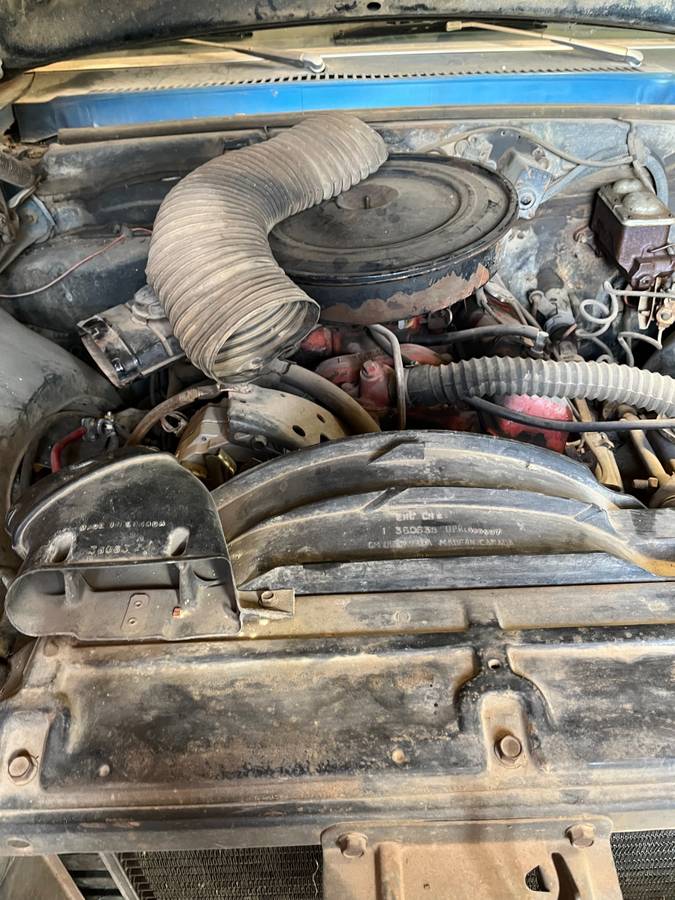
V8 Performance Hierarchy:
307 Small-Block (5.0L):
- 200 horsepower: Noticeable performance improvement over sixes
- Smooth operation: V8 refinement with reasonable fuel economy
- Insurance friendly: Smaller displacement reduced premium costs
- Street performance: Adequate power for spirited driving
- Value proposition: V8 performance without big-block pricing
327/350 Small-Block (5.4L/5.7L):
- 275-295 horsepower: Genuine muscle car performance
- Legendary small-block: Foundation for countless hot rod projects
- Performance potential: Extensive aftermarket support for upgrades
- Reliability: Proven durability with proper maintenance
- Investment value: V8 Novas command premium pricing
The Family-Owned Advantage: Original, Authentic, Preserved
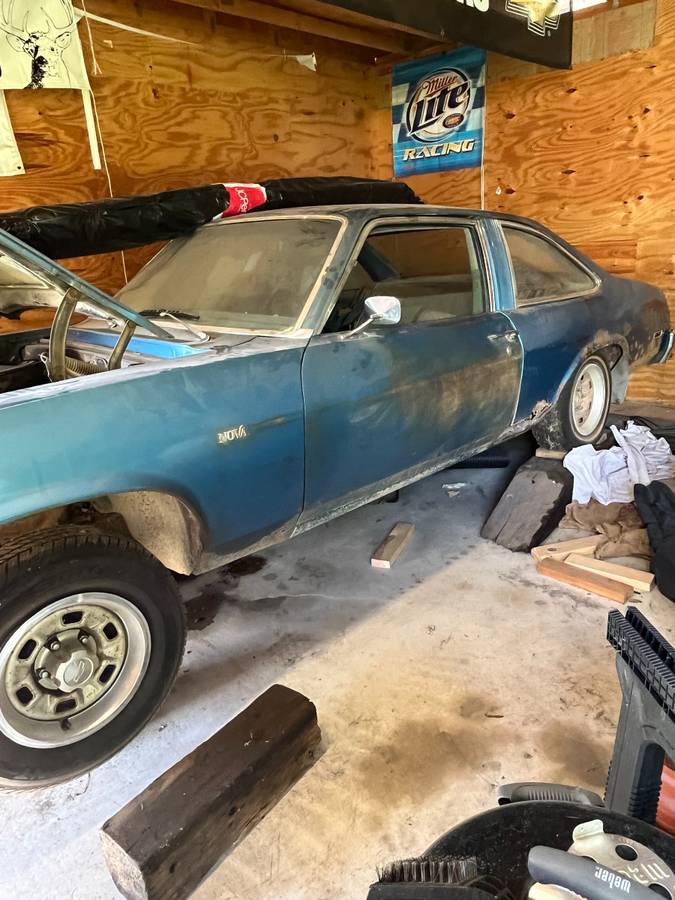
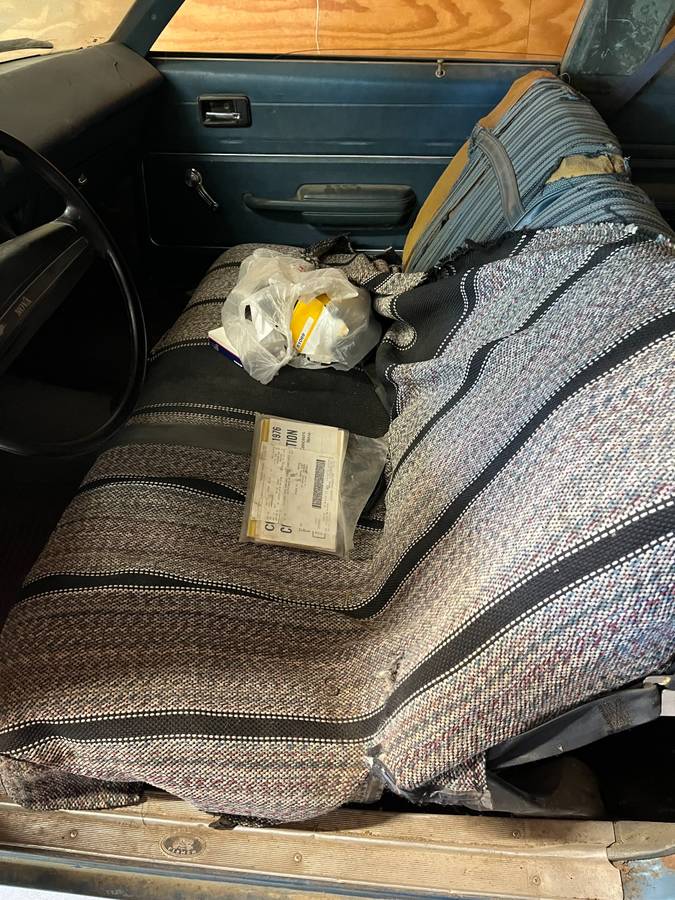
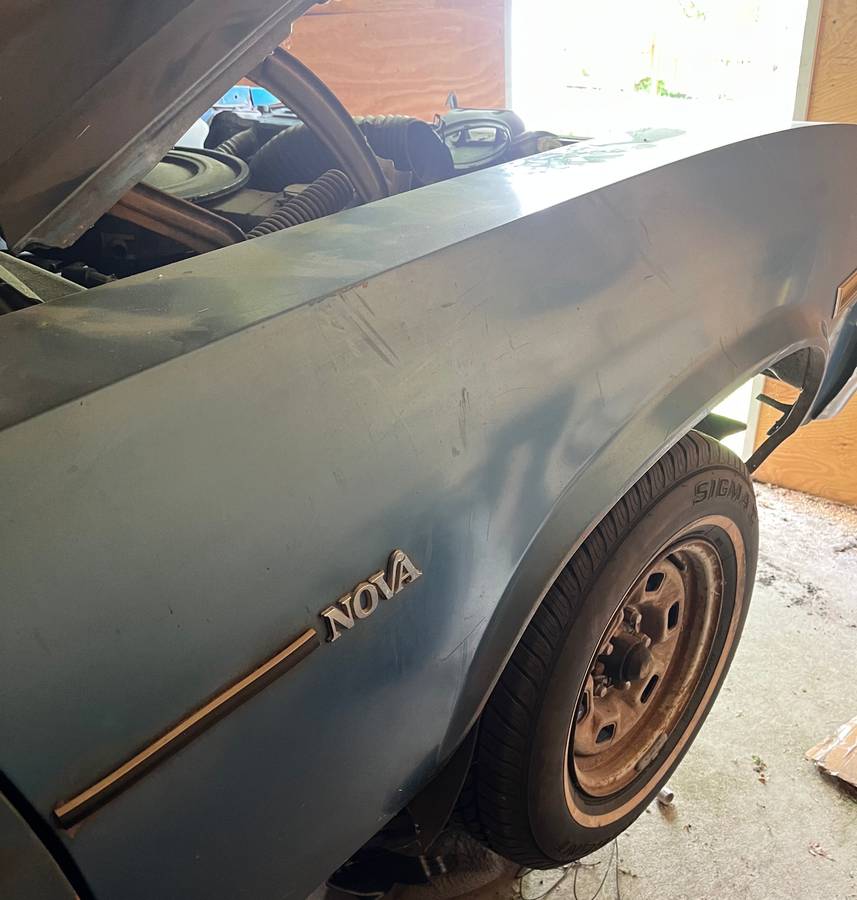
Family-owned classic cars possess unique characteristics that make them particularly valuable to collectors and restorers. This 1971 Chevrolet Nova has been sitting for years, yet it now comes in a pretty good shape, with only occasional rust issues highlighted in the pics.
Why Family Ownership Matters
Preservation Benefits:
- Single ownership: Complete documented history from new
- Original configuration: Minimal modifications or customization attempts
- Indoor storage: Family garages provide weather protection
- Maintenance continuity: Regular servicing during active use period
- Complete inventory: All major components typically remain with car
Authentication Advantages:
- Clear provenance: Known ownership history from factory delivery
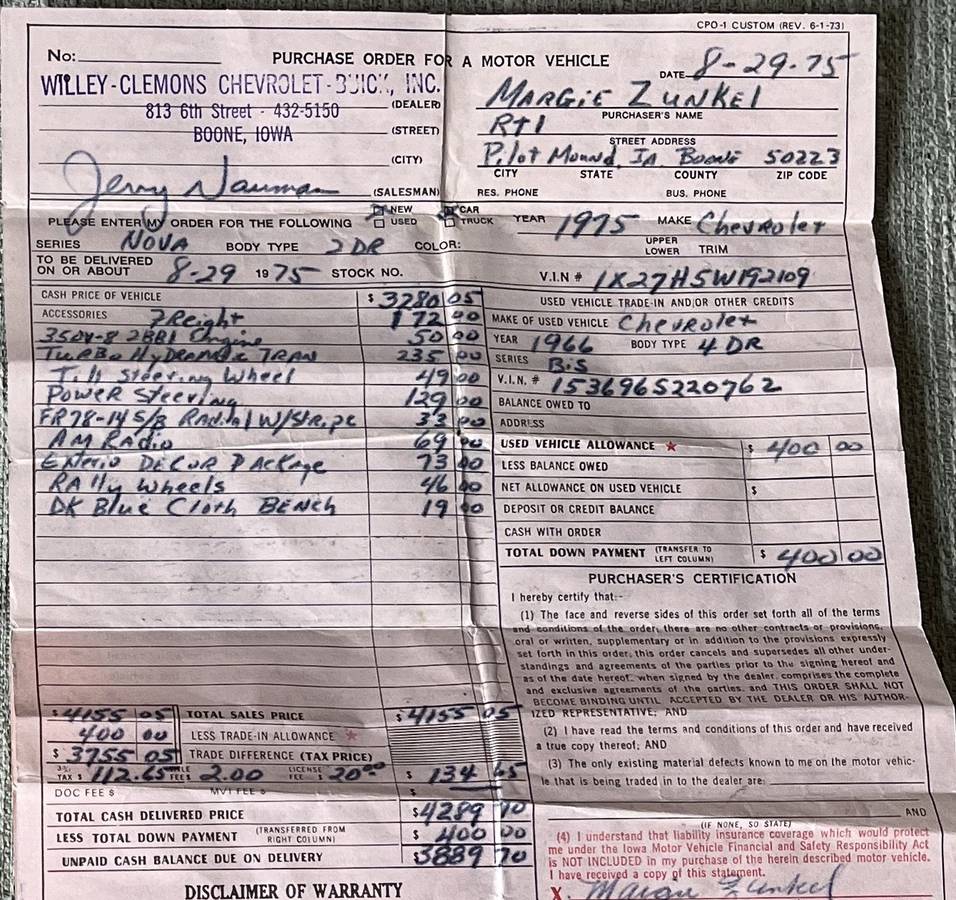
- Original documentation: Owner’s manuals, service records, and purchase paperwork
- Matching numbers: Engine and transmission retain original identity
- Factory specifications: Easy verification of authentic equipment
- Sentimental value: Emotional connection enhances preservation motivation
Common Family Car Characteristics
Typical Equipment:
- Practical options: Air conditioning, automatic transmission, radio
- Conservative colors: Neutral exterior and interior color combinations
- Six-cylinder power: Economy prioritized over performance
- Standard equipment: Basic trim without expensive performance packages
- Complete originality: Unmolested mechanical and cosmetic specifications
Restoration Economics: The Reality of 10-Year Storage
When a Nova sits for nearly a decade, it experiences predictable deterioration that creates both challenges and opportunities for potential restorers.
Initial Assessment and Acquisition
A complete restoration is needed, and most of our readers are probably predicting this is an SS tribute waiting in the wings. Located in Hot Sulfur Springs, Colorado, this diamond-in-the-rough is available here on craigslist for $5,000.
This restoration opportunity is available here on eBay in Blue Springs, MO, where the bidding has reached $11,099 with no reserve. The odometer reading is just 54,000 miles on this Bow-Tie, and we’re betting that’s accurate.
These pricing examples demonstrate typical market values for Nova project cars:
Project Car Range: $3,000-$12,000
- Non-running six-cylinder: $3,000-$5,000
- Running six-cylinder: $5,000-$8,000
- V8 project cars: $8,000-$12,000
- SS models: $12,000-$20,000+ depending on condition
- Documented low-mileage: Premium pricing for verified originality
Mechanical Restoration Budget
Engine and Drivetrain ($4,000-$10,000):
- Engine service: Rebuild or replacement depending on condition
- Transmission overhaul: Automatic or manual restoration
- Rear axle service: Differential rebuild and seal replacement
- Fuel system restoration: Tank cleaning, line replacement, carburetor rebuild
- Cooling system: Radiator service, water pump, hoses, and thermostat
- Exhaust system: Complete replacement from manifolds to tailpipes
- Brake system: Complete hydraulic system overhaul
Electrical and Systems ($2,000-$4,000):
- Wiring harness: Replacement if insulation deteriorated
- Alternator/generator: Service or replacement
- Starter motor: Rebuild or replacement
- Gauges and instruments: Restoration or replacement
- Lighting systems: All bulbs, sockets, and switches
- HVAC system: Air conditioning and heating restoration
Body and Paint Restoration
Rust Repair and Bodywork ($5,000-$15,000):
- Floor pan replacement: Common rust area in Nova projects
- Quarter panel repair: Address corrosion around wheel wells
- Trunk floor restoration: Water intrusion damage common
- Door and fender repair: Surface rust and minor damage
- Body alignment: Ensure proper panel fit and door operation
Paint and Finish ($4,000-$12,000):
- Paint preparation: Extensive sanding and bodywork
- Primer application: Multiple coats for proper foundation
- Base coat/clear coat: Modern durable finish system
- Color accuracy: Period-correct paint codes and finishes
- Trim restoration: Chrome work and brightwork refurbishment
Interior Restoration Budget
Interior Components ($3,000-$8,000):
- Seat restoration: Reupholstery or replacement
- Dashboard repair: Crack repair and refinishing
- Door panel renewal: Reproduction or restoration
- Carpet installation: Complete floor covering replacement
- Headliner: New material and professional installation
- Trim pieces: Interior hardware, knobs, and switches
Total Restoration Investment: $18,000-$50,000
Market Values and Investment Reality
Understanding finished Nova values helps determine whether restoration economics make financial sense for specific projects.
Current Market Analysis
Six-Cylinder Base Models:
- Driver quality: $12,000-$18,000
- Excellent condition: $18,000-$25,000
- Show quality: $25,000-$35,000
- Original survivors: Premium pricing for documented examples
V8 Models:
- Driver quality: $18,000-$28,000
- Excellent condition: $28,000-$40,000
- Show quality: $40,000-$55,000
- Nova SS models: $45,000-$75,000+ depending on specifications
Financial Reality Check
For typical six-cylinder family Novas, restoration costs of $18,000-$50,000 combined with acquisition prices of $3,000-$8,000 create total investments of $21,000-$58,000. With finished values ranging from $12,000-$35,000, most restorations result in negative financial returns from purely investment perspectives.
However, the value equation changes when considering:
Intangible Benefits:
- Family history preservation: Maintaining grandma’s car for future generations
- Learning experience: Hands-on restoration education
- Pride of ownership: Satisfaction of completing challenging project
- Driving enjoyment: Using and appreciating finished car
- Community participation: Car shows and enthusiast events
Parts Availability: The Nova Advantage
One significant advantage of choosing a Nova restoration project is exceptional parts support. The model’s popularity and long production run created extensive aftermarket infrastructure that continues thriving today.
Mechanical Components
Engine Parts:
- Six-cylinder rebuild kits: Complete packages for all inline engines
- V8 rebuild kits: Comprehensive small-block Chevy support
- Performance upgrades: Extensive options for power increases
- Carburetor restoration: Rebuild kits and replacement units
- Ignition systems: Points, electronic, and performance distributors
Drivetrain and Chassis:
- Transmission rebuild kits: Both automatic and manual options
- Rear axle components: Gears, carriers, and axle shafts
- Suspension parts: Complete front and rear suspension kits
- Brake systems: Disc brake conversion kits and drum brake restoration
- Steering components: Complete front end rebuild packages
Body and Interior
Sheet Metal and Bodywork:
- Floor pans: Complete replacement panels available
- Quarter panels: Full and partial replacement sections
- Doors and fenders: New and used options widely available
- Trunk floors: Complete replacement panels
- Bumpers: Reproduction and re-chroming services
Interior Components:
- Seat covers: Multiple material and color options
- Door panels: Reproduction panels for most years
- Carpet sets: Complete interior floor covering kits
- Headliners: Period-correct materials and patterns
- Dashboard components: Gauge bezels, trim pieces, and pads
Finding Your Family Nova Project
Spent the last 13 months looking for Novas to build my dream car for me and my family to enjoy. Took a lot of hard work and patience (we said no to over 60 Novas) But we found a 1972 in New Brunswick. Car has sat for 46 years and went to recovery it with my family.
This real-world experience demonstrates the patience required to find the right project car. Success requires realistic expectations, thorough evaluation, and understanding of what makes specific examples worth pursuing.
Where to Search
Traditional Sources:
- Online classifieds: Craigslist, Facebook Marketplace, and enthusiast forums
- Auction platforms: eBay, Bring A Trailer, and regional auctions
- Classic car publications: Hemmings and regional magazines
- Car shows and swap meets: Networking with other enthusiasts
- Restoration shops: Professionals often know about available projects
Family Connections:
- Estate sales: Families liquidating deceased relatives’ assets
- Direct outreach: Contacting owners of stored vehicles
- Community networking: Word-of-mouth referrals through local connections
- Social media: Facebook groups focused on classic Chevrolets
- Church and civic organizations: Senior community connections
Evaluation Criteria
Essential Requirements:
- Clear title: Legal ownership transfer must be possible
- Structural integrity: Frame and body fundamentally sound
- Complete major components: Engine, transmission, and rear end present
- Family documentation: Service records and ownership history
- Realistic pricing: Project value aligned with market reality
Warning Signs:
- Extensive rust damage: Repair costs often exceed finished values
- Missing major components: Expensive replacement requirements
- Previous fire damage: Hidden electrical and interior problems
- Title problems: Legal complications that create worthless projects
- Unrealistic expectations: Sellers disconnected from market reality
The Emotional Investment: Beyond Financial Calculations
Restoring grandma’s Nova transcends typical project car economics. These vehicles represent family history, childhood memories, and connections to previous generations that cannot be quantified on spreadsheets.
Why Family Cars Matter
Preservation Motivation:
- Honoring memory: Maintaining vehicles that represent family elders
- Heritage continuation: Passing automotive history to next generation
- Learning opportunity: Teaching children about family history through restoration
- Shared experience: Family members working together on meaningful project
- Legacy creation: Building future family heirlooms
Emotional Value:
- Childhood memories: Vehicles associated with family trips and holidays
- Generational connection: Tangible link to grandparents and family history
- Story preservation: Cars that embody family narratives and experiences
- Cultural heritage: Maintaining examples of American automotive culture
- Community contribution: Preserving automotive history for future generations
The Bottom Line: When Heart Overrules Spreadsheets
From purely financial perspectives, most Nova restoration projects make questionable investment sense. Total costs typically exceed finished car values, creating negative returns that spreadsheets cannot justify.
However, classic car restoration has never been primarily about financial returns. The real value lies in the experience, learning, and satisfaction that comes from transforming deteriorated project cars into functioning, beautiful automobiles.
When that project happens to be grandma’s Nova – a vehicle that carried your family through decades of life’s experiences – the calculation changes completely. These aren’t just classic cars; they’re family heirlooms deserving preservation regardless of market values or restoration economics.
The Nova’s exceptional parts availability, straightforward mechanical systems, and strong enthusiast community make these family projects feasible for average enthusiasts. Whether equipped with economy six-cylinder power or performance V8 engines, each Nova represents authentic American automotive history worth preserving.
For families considering whether to restore grandma’s Nova after years of storage, the answer depends on your priorities. If seeking purely financial returns, better investment opportunities exist. But if you value family history, appreciate automotive heritage, and want tangible connections to previous generations, grandma’s Nova represents an opportunity that transcends economic calculations.
These family-owned classics won’t generate spectacular auction results or command six-figure prices. What they will provide is something more valuable: the satisfaction of preserving family history, the pride of completing challenging projects, and the joy of keeping grandma’s memory alive through the vehicle she drove and loved.