The Holy Grail of Barn Finds: One-Owner Convertibles With Original Everything
In the classic car world, few discoveries generate more excitement than a genuine one-owner barn find. When that vehicle happens to be a 1966 Plymouth Sport Fury convertible – one of fewer than 3,500 produced – with rare factory options intact, the find transcends typical barn discoveries to become something truly special.
The 1966 Plymouth Fury represented the pinnacle of Chrysler’s full-size engineering, combining distinctive styling, solid construction, and genuine performance capability. The Plymouth Fury sold like hotcakes in 1966, but only about 40,000 were ordered in Sport trim. Of these, fewer than 3,500 were convertibles. This extreme rarity makes every surviving Sport Fury convertible significant, particularly examples with single-owner provenance and rare factory equipment.
For collectors seeking alternatives to overpriced muscle cars and ubiquitous Camaros, the 1966 Sport Fury convertible offers genuine rarity, full-size luxury, and surprising performance potential at remarkably accessible prices. The question isn’t whether these cars deserve preservation – it’s whether today’s enthusiasts can recognize their significance before the remaining examples disappear forever.
Understanding the 1966 Plymouth Fury Hierarchy
Plymouth offered its full-size Fury in five distinct trim levels during 1966, each targeting different market segments and buyer preferences. Understanding this hierarchy helps collectors identify the most desirable combinations and appreciate the Sport Fury’s unique positioning.
The Fury Lineup: From Basic to Luxury
Plymouth produced 687,514 automobiles in 1966. Plymouth produced 146,547 examples of the Fury III in 1966. This substantial production volume created multiple market tiers:
Fury I: Entry-level full-size Plymouth with minimal trim and equipment Fury II: Mid-range offering with additional chrome and comfort features Fury III: Volume seller with comprehensive standard equipment and luxury touches Sport Fury: Performance-oriented model with distinctive styling and upgraded mechanicals VIP: From 1966 until 1969, a luxury version of the Fury called the “Plymouth VIP” (marketed as the “very important Plymouth” in 1966) was fielded, in response to the Ford LTD, Chevrolet Caprice, and the AMC Ambassador DPL.
This tiered approach allowed Plymouth to compete across the entire full-size market, from fleet sales to luxury buyers seeking premium appointments without Mercury or Chrysler pricing.
Sport Fury: The Performance Full-Size
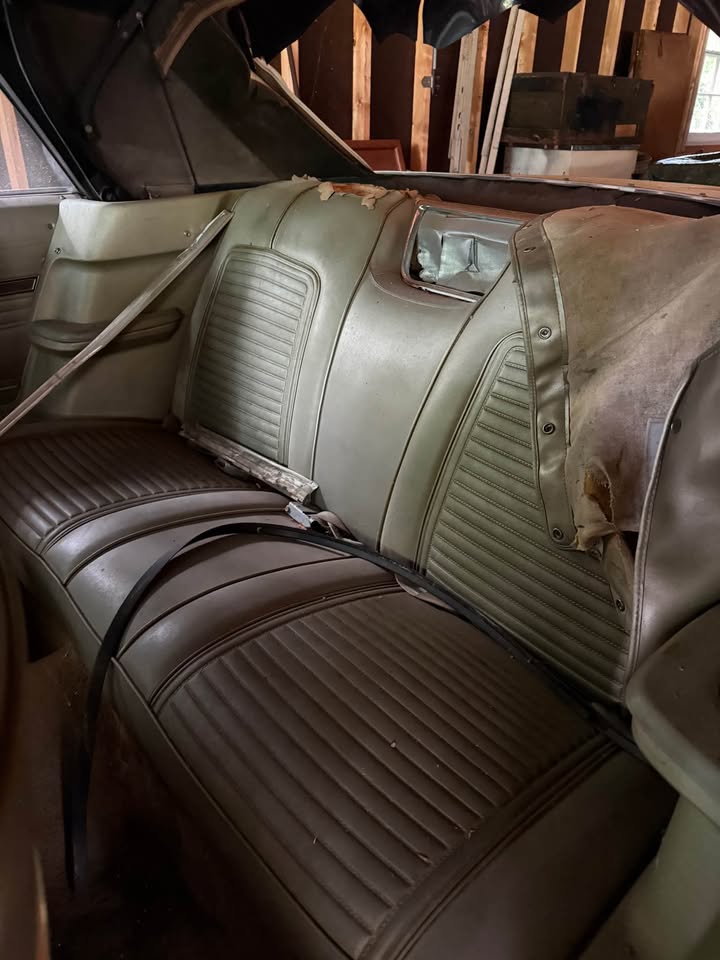
The Sport Fury occupied a unique niche in Plymouth’s lineup – a full-size car with genuine performance credentials. Unlike the mainstream Fury III, which prioritized comfort and space, the Sport Fury featured:
Performance Enhancements:
- Standard V8 power: No six-cylinder option – V8 engines only
- Upgraded suspension: Stiffer springs and shocks for improved handling
- Performance axle ratios: Better gearing for acceleration
- Heavy-duty cooling: Larger radiators and upgraded fans
- Dual exhaust system: Distinctive sound and improved breathing
Distinctive Styling:
- Unique trim: Special emblems, badging, and side moldings
- Bucket seats: Standard equipment unlike bench-seat Fury III
- Console shifter: Center console with floor-mounted transmission
- Sport instrumentation: Complete gauge package with tachometer
- Two-tone interiors: Distinctive color combinations unavailable on lesser models
Engine Options: From Practical to Powerful
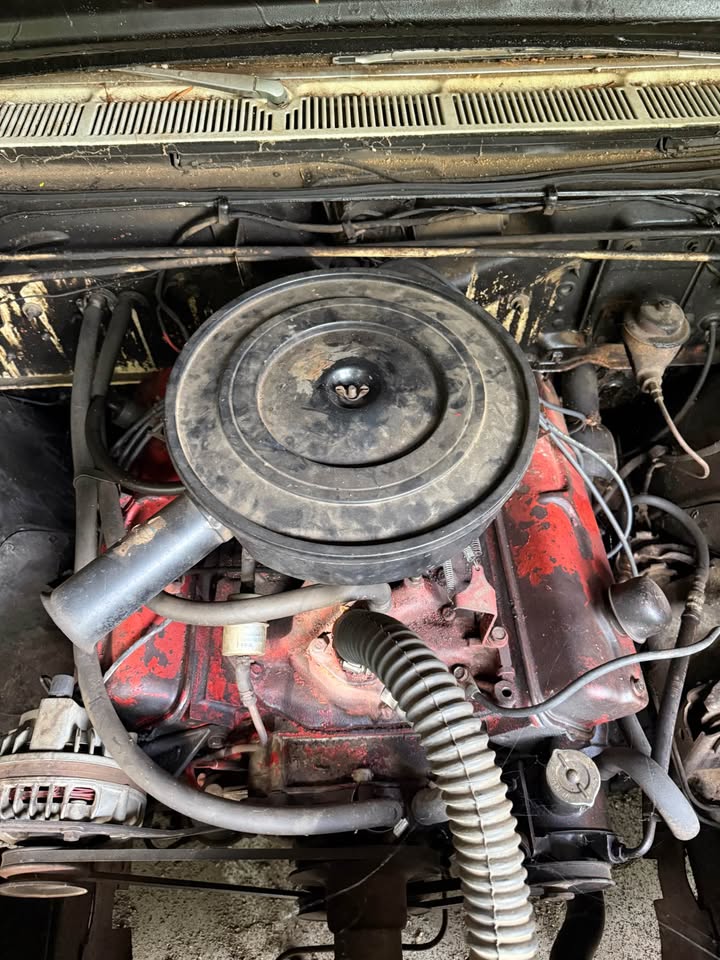
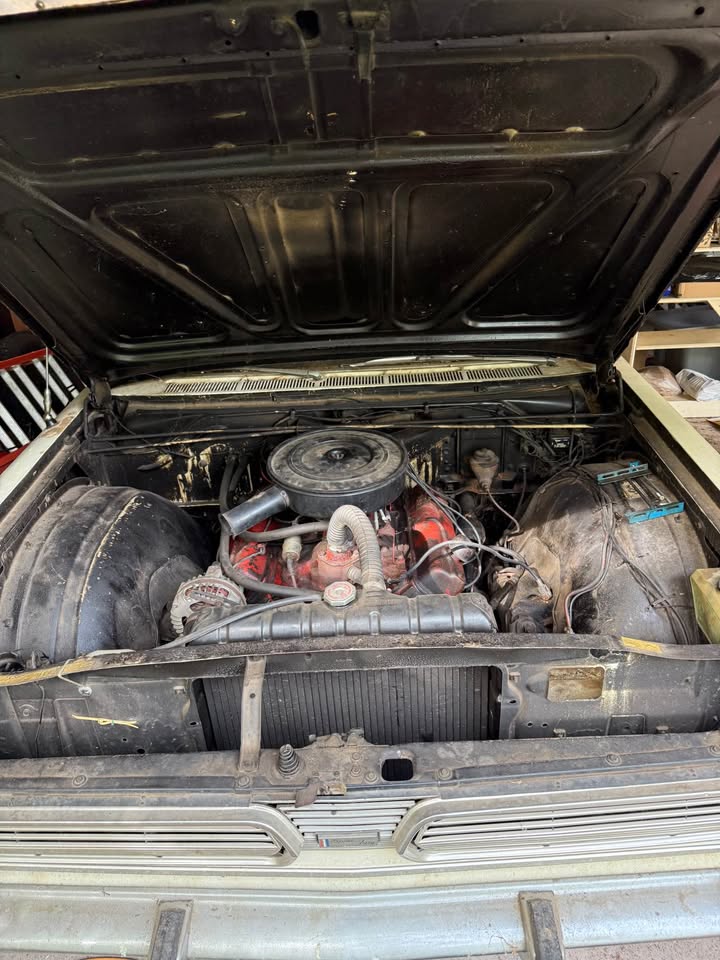
The 1966 Plymouth Sport Fury offered a comprehensive engine lineup designed to meet diverse performance and budget requirements. The mill is a 318-cubic-inch (5.2-liter) small-block V8, which came standard in the Sport Fury in 1966. The 230-horsepower engine mates with a three-speed automatic gearbox, so the drivetrain combo is nothing to write home about.
The 318 V8: Standard Power
The base 318 cubic inch small-block represented Plymouth’s workhorse V8, offering reliable performance with excellent durability and fuel economy.
318 Specifications:
- 230 horsepower: Adequate power for family transportation
- 340 lb-ft torque: Smooth, flexible power delivery
- Two-barrel carburetor: Simple, reliable fuel delivery
- Proven durability: Thousands of examples still running decades later
- Parts availability: Excellent support from aftermarket suppliers
The 383 V8: Balanced Performance
The 383 cubic inch big-block represented the performance sweet spot for Sport Fury buyers, offering substantial power increases without the fuel economy penalties of larger engines.
383 Advantages:
- 325 horsepower: Significant performance improvement
- 425 lb-ft torque: Effortless acceleration and highway passing
- Four-barrel carburetor: Better throttle response and power delivery
- Big-block sound: Distinctive exhaust note and presence
- Reasonable running costs: Better fuel economy than 440 or Hemi options
The 440 and 426 Hemi: Maximum Performance
For buyers demanding ultimate performance, Plymouth offered both the 440 cubic inch RB big-block and the legendary 426 Hemi. According to Plymouth’s production records, only 499 Furys were equipped with the 426 Hemi engine in 1966, making it one of the rarest and most desirable variants of the model.
440 Big-Block:
- 365 horsepower: Substantial power for full-size applications
- 480 lb-ft torque: Effortless performance in any driving situation
- Street-friendly: More tractable than Hemi for daily driving
- Value proposition: Serious performance without Hemi pricing
426 Hemi:
- 425 horsepower: Conservative rating understated actual output
- Race-bred technology: Hemispherical combustion chambers
- Investment potential: The current market value of a pristine 1966 Plymouth Fury with the 426 Hemi engine can range from 100,000 to… six figures
- Ultimate rarity: Only 499 examples produced
The Rare Feature: What Makes This Barn Find Special
Beyond its Sport Fury convertible rarity, this particular discovery features factory equipment that significantly enhances its collector appeal and historical significance. While the specific rare feature varies by individual car, common desirable options include:
Factory Air Conditioning
Factory air conditioning in 1966 convertibles represented a rare combination. Most buyers reasoned that drop-tops didn’t need air conditioning, making factory-equipped examples extremely uncommon today.
A/C Advantages:
- Genuine rarity: Very few convertibles ordered with factory air
- Modern usability: Essential feature for comfortable summer driving
- Value enhancement: Significantly increases collector appeal
- Documentation: Factory A/C confirms through build sheets and fender tags
- System upgrades: Modern refrigerant conversions available
Four-Speed Manual Transmission
The rarest option on the sport fury was the 4 speed transmission which not a lot where built. Manual transmissions in full-size cars were uncommon, and four-speeds even rarer.
Manual Transmission Appeal:
- Extreme rarity: Most Sport Furys equipped with automatics
- Driver engagement: Direct connection between driver and machine
- Performance advantage: Better acceleration than period automatics
- Collectibility: Manual transmission cars command premium pricing
- Preservation priority: Rare combinations deserve special consideration
Power Accessories Package
Comprehensive power equipment packages were expensive options in 1966, making fully-loaded Sport Furys relatively uncommon.
Desirable Power Options:
- Power windows: All four windows electrically operated
- Power seats: Driver and passenger adjustment
- Power locks: Remote locking convenience
- Power top: Electric convertible top operation
- Power antenna: Automatic radio antenna extension
Market Values and Investment Potential
The 1966 Plymouth Sport Fury convertible market reflects both the car’s genuine rarity and its position outside mainstream muscle car collecting. Based on the current 1966 Plymouth Fury listings for sale on Classics on Autotrader, you may find some that cost as low as $12,900 and max out around $40,995.
Current Market Analysis
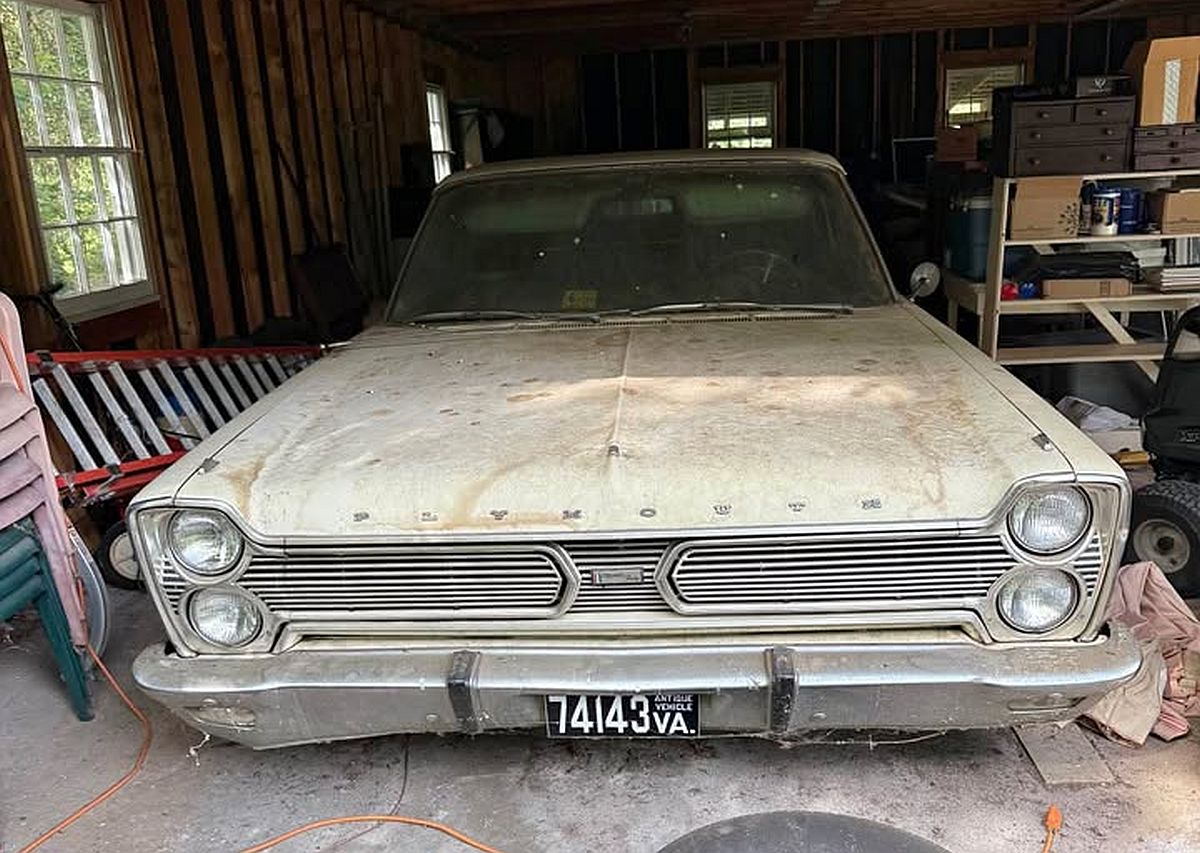
Project Car Pricing: From its perch on a trailer in Mechanicsburg, Pennsylvania, this barn find is available here on eBay for $3,500 (Buy It Now).
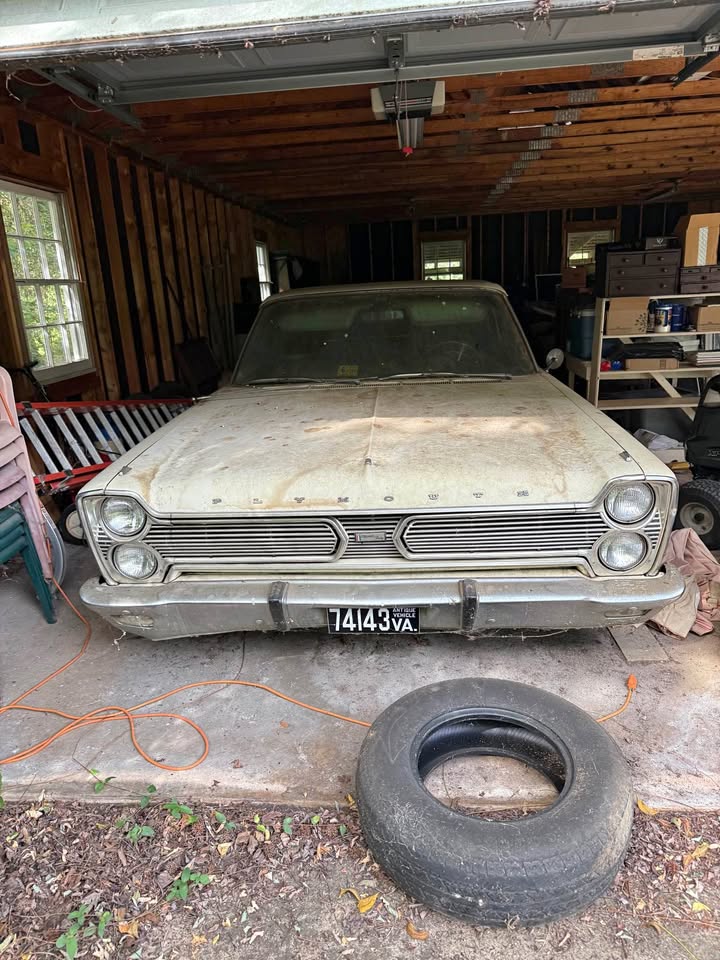
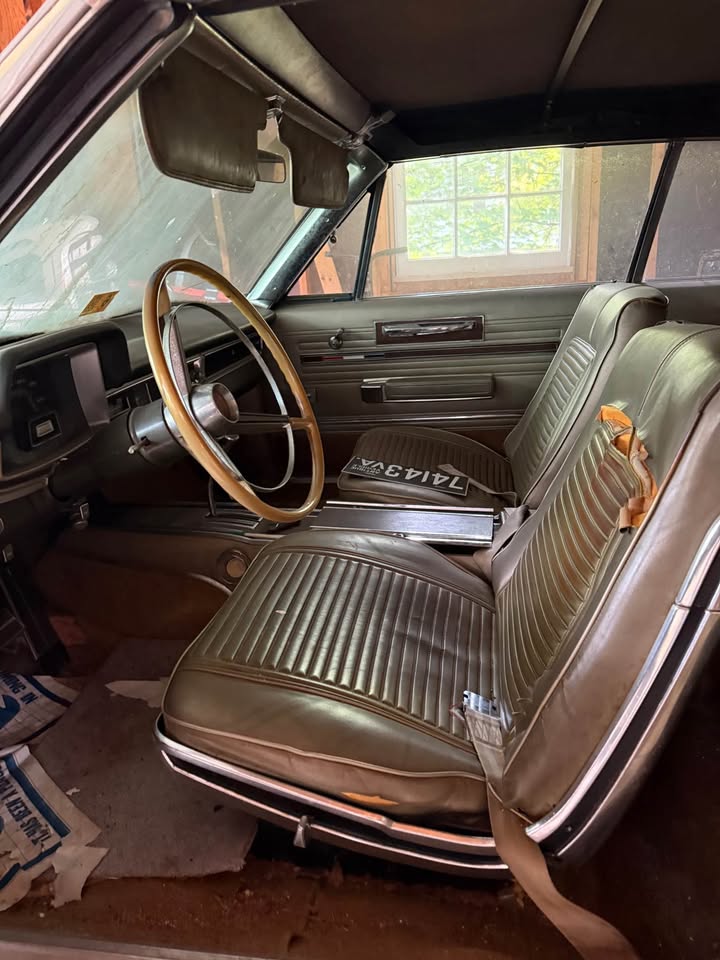
Located in a garage since 2002, this drop-top Mopar project is available from King George, Virginia, and here on Facebook Marketplace for $4,000 OBO.
These pricing examples demonstrate consistent market valuations for Sport Fury convertible project cars, typically ranging from $3,500-$5,000 depending on completeness and condition.
Finished Car Values: Properly restored Sport Fury convertibles with desirable options command significantly higher prices:
- Driver quality: $15,000-$25,000 for presentable, roadworthy examples
- Excellent condition: $30,000-$45,000 for properly restored cars
- Show quality: $45,000-$65,000 for concours-level restorations
- Rare options: Hemi engines, four-speed transmissions, or documented pace cars command premiums
Investment Factors
Positive Influences:
- Convertible rarity: Fewer than 3,500 were convertibles out of 40,000 Sport Furys
- One-owner provenance: Single ownership enhances authenticity and value
- Original equipment: Factory options verify through documentation
- Complete cars: All major components present significantly increase worth
- Clean titles: Clear ownership eliminates legal complications
Value Enhancement Opportunities:
- Documentation discovery: Build sheets and broadcast sheets add significant value
- Rare options: Air conditioning, four-speed transmission, or Hemi engines
- Low mileage: Original miles with documentation command premiums
- Color combinations: Certain period colors more desirable than others
- Professional restoration: Quality work justifies premium pricing
Restoration Considerations: Is It Worth Saving?
The fundamental question facing any 1966 Sport Fury convertible barn find is whether restoration investment can be justified by finished car values and personal satisfaction.
Cost Analysis Framework
Initial Investment ($3,500-$5,000):
- Purchase price: Typical range for project cars
- Transportation: Trailer rental and logistics
- Initial assessment: Professional evaluation of condition
- Parts inventory: Cataloging existing components
- Documentation research: Verifying authenticity and specifications
Mechanical Restoration ($8,000-$15,000):
- Engine rebuild: Complete teardown and machine work
- Transmission service: Automatic overhaul or manual restoration
- Rear axle restoration: Differential rebuild and axle replacement
- Brake system: Complete hydraulic system replacement
- Cooling system: Radiator restoration, water pump, and hoses
- Exhaust system: Complete dual exhaust installation
- Fuel system: Tank restoration and line replacement
Body and Paint ($12,000-$25,000):
- Rust repair: Address typical problem areas in floor pans and quarter panels
- Body alignment: Ensure proper panel fit and door alignment
- Paint preparation: Extensive sanding, bodywork, and primer
- Professional painting: Base coat/clear coat for durability
- Chrome restoration: Bumpers, trim pieces, and brightwork
- Convertible top: New fabric, mechanism service, and weatherstripping
Interior Restoration ($5,000-$10,000):
- Seat restoration: Reupholstery or replacement
- Dashboard service: Repair cracks and restore instruments
- Door panel renewal: New panels or professional restoration
- Carpet installation: Complete floor covering replacement
- Headliner: New material and professional installation
- Convertible boot: New cover for folded top storage
Total Investment Range: $28,500-$55,000
Financial Reality Check
With total restoration costs ranging from $28,500-$55,000 and finished car values between $30,000-$65,000, the 1966 Sport Fury convertible presents scenarios where restoration can be financially justified, particularly for cars with rare options or exceptional provenance.
However, the real value extends beyond pure financial calculation. These cars represent genuine automotive history – rare, distinctive full-size convertibles that combine performance, luxury, and style in ways modern vehicles cannot replicate.
Authentication and Evaluation
Properly authenticating a 1966 Plymouth Sport Fury requires understanding factory specifications, identification points, and common clone indicators.
VIN Decoding and Documentation
Primary Identification:
- VIN structure: 1966 Plymouth VINs follow specific format indicating plant, model, and sequence
- Fender tag: Contains comprehensive build information including trim level, engine, and options
- Build documentation: Broadcast sheets often hidden in seat springs or behind door panels
- Dealer records: Sales documentation and original paperwork
- Title history: Clear chain of ownership verification
Physical Verification:
- Engine codes: Stamped numbers verify original powerplant
- Transmission identification: Tag plates confirm original drivetrain
- Rear axle codes: Casting numbers and tag plates verify specifications
- Interior trim: Sport Fury-specific patterns and materials
- Convertible components: Top mechanism and frame distinctive to genuine drop-tops
Common Problem Areas
Structural Concerns:
- Floor pans: Rust-through common in front and rear foot wells
- Quarter panels: Corrosion around wheel wells and lower sections
- Trunk floor: Water intrusion causes extensive damage
- Convertible frame: Stress cracks and corrosion in top mechanism mounting points
- Rocker panels: Hidden rust compromises structural integrity
Mechanical Issues:
- Engine condition: Long-term storage creates internal corrosion
- Transmission problems: Automatic units often require complete rebuilds
- Brake system failure: All hydraulic components need replacement
- Fuel system contamination: Tanks, lines, and carburetors require service
- Electrical degradation: Wiring and connections deteriorate over decades
Parts Availability and Resources
Successfully restoring a 1966 Plymouth Sport Fury requires access to both common Mopar parts and specific Sport Fury components.
Mechanical Components
Engine Parts:
- 318/383/440 rebuild kits: Complete packages from multiple suppliers
- Performance upgrades: Aftermarket camshafts, headers, and intake manifolds
- Cooling systems: Radiators, water pumps, and hoses available
- Fuel delivery: Carburetors, fuel pumps, and lines well-supported
- Ignition systems: Points and electronic conversion options
Drivetrain:
- Automatic transmissions: TorqueFlite rebuild kits and replacement units
- Manual transmission: Four-speed components challenging but available
- Rear axle service: Gears, carriers, and axle shafts well-supported
- Driveline components: Universal joints and driveshafts serviceable
- Brake systems: Complete hydraulic system replacement parts available
Body and Interior
Convertible-Specific Components:
- Top fabric: Multiple material and color options from suppliers
- Top mechanism: Service parts and complete replacement units
- Weatherstripping: Complete seal packages for convertibles
- Boot covers: Reproduction top storage covers
- Frame components: Restoration parts for top mechanism
Interior Components:
- Seat covers: Period-correct materials and patterns reproduced
- Door panels: Some reproductions available, originals scarce
- Carpet sets: Complete interior floor covering kits
- Dashboard components: Limited reproduction support
- Trim pieces: Chrome and plastic components challenging to source
The Bottom Line: Preservation Priority
The 1966 Plymouth Sport Fury convertible represents one of American automotive history’s most overlooked treasures. With fewer than 3,500 convertibles produced from the Sport Fury’s 40,000-unit production run, every surviving example deserves preservation consideration.
The discovery of a one-owner barn find with rare factory features elevates significance even further. These cars represent authentic, unmolested examples that have survived decades without modification or restoration attempts. Their originality provides valuable documentation of factory specifications and period equipment that benefits the entire collector car community.
From a financial perspective, restoration economics can work for Sport Fury convertibles, particularly examples with desirable options like air conditioning, four-speed transmissions, or big-block engines. Current market values ranging from $12,900 to $40,995 demonstrate healthy collector interest, while project car prices of $3,500-$5,000 create reasonable entry points.
However, the true value of preserving these cars transcends financial calculations. The 1966 Sport Fury convertible represents American automotive engineering at its peak – before safety regulations, emissions requirements, and fuel economy standards compromised design freedom. These cars embody a moment when manufacturers could build full-size convertibles with genuine performance credentials, luxury appointments, and distinctive styling.
For collectors seeking alternatives to overpriced muscle cars and ubiquitous Camaros, the Sport Fury convertible offers:
- Genuine rarity: Fewer than 3,500 examples produced
- One-owner authenticity: Original, unmolested specifications
- Rare factory options: Equipment combinations uncommon when new
- Investment potential: Undervalued compared to mainstream classics
- Preservation priority: Historical significance demands protection
The question isn’t whether a one-owner 1966 Plymouth Sport Fury convertible barn find is worth saving – it absolutely is. The real question is whether today’s collectors possess sufficient vision to recognize these cars’ significance before the remaining examples disappear into collections, succumb to neglect, or get parted out for restoration projects.
Every preserved Sport Fury convertible represents a victory for automotive history, ensuring that future generations can experience and appreciate one of the full-size era’s most distinctive and capable automobiles. Whether equipped with rare factory air conditioning, a four-speed manual transmission, or simply honest 318 power, each survivor deserves the preservation effort required to keep it on the road for decades to come.