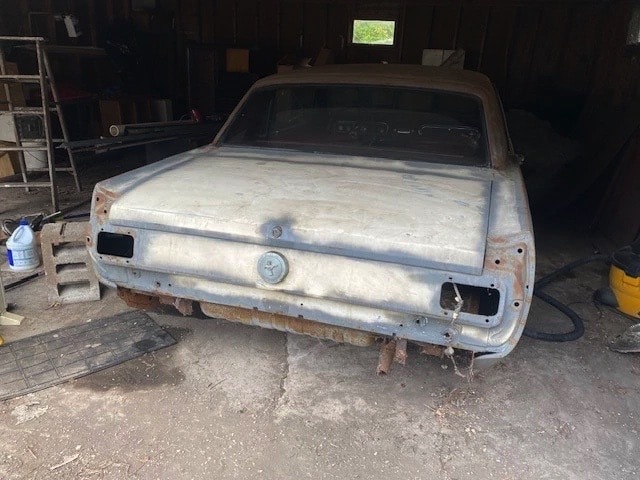
The classic car community’s most challenging question often isn’t “Can it be restored?” but rather “Should it be restored?” A 1966 Ford Mustang that spent the last decades parked inside presents exactly this dilemma – a restoration candidate that might cost more than most people are willing to pay. After nearly four decades of garage storage, this second-year pony car represents both opportunity and financial reality check for potential restorers facing today’s escalating classic car restoration costs.
The 38-Year Time Capsule: Garage Storage Reality
Extended garage storage creates unique preservation scenarios compared to outdoor neglect or barn finds. Indoor parking protects vehicles from weather extremes, UV exposure, and most environmental hazards, but 38 years of dormancy still creates predictable challenges that potential restorers must understand before committing to such ambitious projects.
The timeline suggests this Mustang was parked around 1986-1987, when first-generation cars were transitioning from used transportation to collectible classics. Someone made the decision to preserve rather than drive it, creating today’s restoration opportunity and financial challenge.
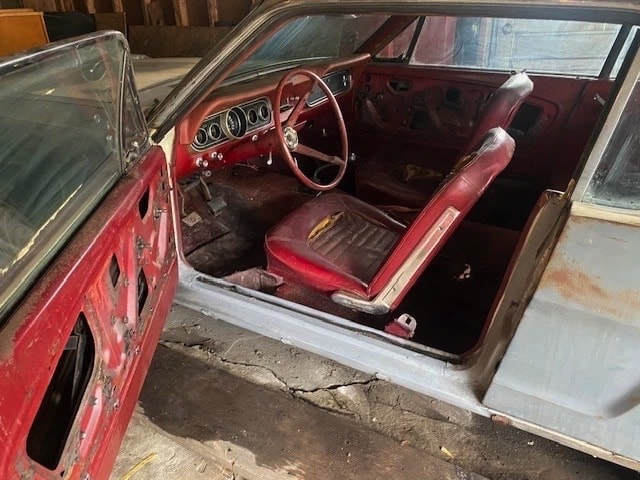
1966 Mustang: The Refined Second Year
Understanding this car’s significance requires appreciating what made 1966 special in Mustang evolution. Unveiled right after the so-called “1964½” models, the 1966 Mustang incorporated important refinements while maintaining the classic styling that defined the pony car category.
Ford’s K-code High Performance 289, rated at 271 horsepower, remained the hottest optional engine up through 1966, representing the peak of small-block performance before big-block options arrived in 1967. However, most buyers chose more practical powerplants that balanced performance with reliability and cost.
1966 Mustang Engine Options:
- U-code 170 Six: Base engine providing economy transportation
- T-code 289: 200 horsepower with 9.3:1 compression and two-barrel carburetor
- C-code 289: 225 horsepower with 10.0:1 compression and four-barrel carburetor
- A-code 289 (K-code): 271 horsepower with 10.5:1 compression and four-barrel carburetor
Bucket seats and a floor shifter were standard, and either six-cylinder or 289-cid V-8 power was available under that long hood, making even base models more engaging than typical family transportation of the era.
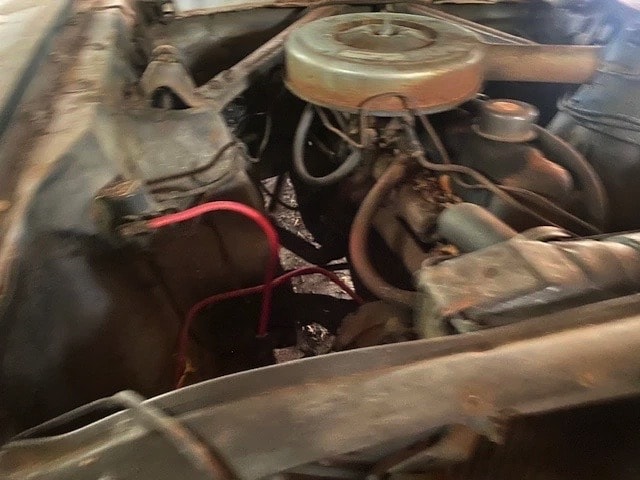
The Cost Reality Check: Modern Restoration Economics
The harsh financial reality confronting this 38-year garage resident reflects broader trends in classic car restoration costs. Current estimates reveal why many long-dormant projects never reach completion:
Professional Restoration Cost Breakdown:
- Complete paint and bodywork: $15,000-30,000
- Engine rebuild (assuming rebuildable core): $5,000-12,000
- Transmission and drivetrain: $3,000-8,000
- Interior restoration: $5,000-12,000
- Chrome and trim refinishing: $3,000-8,000
- Suspension and brake systems: $2,000-5,000
- Electrical system overhaul: $1,500-4,000
- Assembly labor: $8,000-15,000
Total Professional Restoration: $40,000-95,000+
These figures assume complete disassembly and professional-quality work, explaining why the article suggests costs “more than most people are willing to pay.”
DIY vs. Professional Restoration Analysis
For enthusiasts considering tackling restoration personally, cost structures change dramatically:
Owner-Builder Approach:
- Drivetrain rebuild: $10,000-12,000 (assuming engine and transmission are good internally, otherwise budget shifts up to $20,000)
- Parts and materials: $15,000-25,000
- Professional services (machine work, paint): $20,000-35,000
- Total DIY Investment: $25,000-50,000
However, DIY restoration requires extensive time commitments, proper facilities, specialized tools, and skill development that many enthusiasts underestimate.
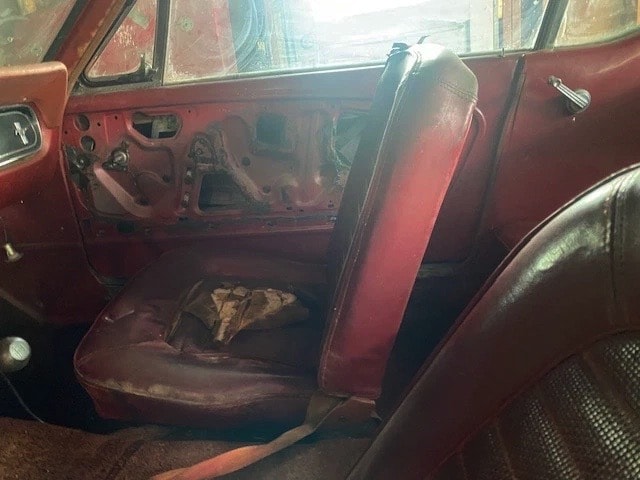
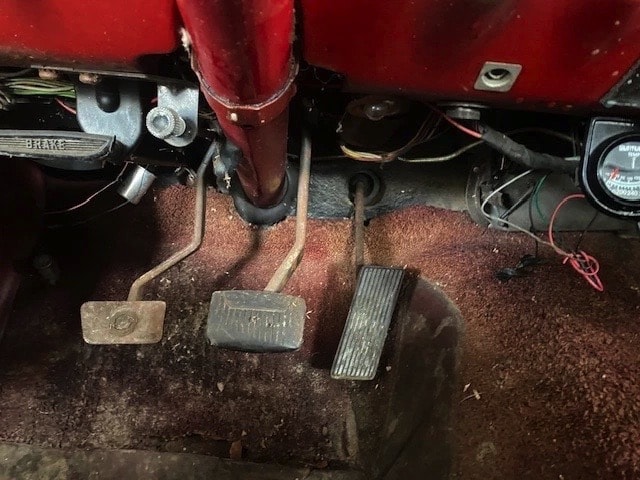
Market Value vs. Investment Reality
Understanding restoration economics requires honest assessment of finished car values:
Current 1966 Mustang Market:
- Driver Quality Examples: $18,000-30,000
- Good Condition Cars: $25,000-40,000
- Excellent/Concours Examples: $35,000-55,000
- K-code High Performance: $45,000-70,000+
The financial equation becomes challenging when restoration costs potentially exceed or approach finished car values, particularly for common engine codes and configurations.
The “Worth Restoring” Evaluation Criteria
Determining restoration worthiness requires systematic evaluation beyond mere sentimental attachment:
Positive Factors:
- Garage storage preservation of original components
- 1966 model year refinements over earlier production
- Historical significance as early pony car
- Strong parts availability and restoration support
Challenging Elements:
- 38-year mechanical recommissioning requirements
- Unknown hidden rust or structural issues
- Potential for cost overruns beyond initial estimates
- Market volatility affecting long-term values
Engine Code Significance
Without knowing this garage survivor’s specific engine code, restoration priority varies dramatically:
Engine Code Impact on Restoration Justification:
- K-code 271hp cars: Strong restoration economics due to rarity and demand
- C-code 225hp examples: Reasonable restoration candidates with good performance appeal
- T-code 200hp cars: Marginal restoration economics requiring careful cost management
- Six-cylinder models: Difficult to justify expensive restoration financially
Assessment Strategy for Potential Buyers
Serious evaluation requires professional inspection addressing both obvious and hidden issues:
Critical Inspection Points:
- Structural integrity: Frame rail condition, torque box soundness, floor pan evaluation
- Mechanical assessment: Engine condition, transmission operation, differential functionality
- Body evaluation: Rust penetration extent, panel replacement requirements
- Interior condition: Seat condition, dashboard integrity, carpet and trim assessment
- Documentation verification: Title status, any previous restoration work, original equipment confirmation
Alternative Strategies to Full Restoration
Not every classic car requires complete ground-up restoration to provide enjoyment and value:
Partial Restoration Approach:
- Focus on mechanical systems for roadworthiness
- Cosmetic preservation maintaining authentic patina
- Selective component replacement addressing safety concerns
- Investment Range: $8,000-20,000
Restomod Philosophy:
- Modern drivetrain and reliability upgrades
- Contemporary comfort and safety improvements
- Distinctive styling maintaining classic appeal
- Investment Range: $25,000-50,000
The Sentimental Factor
Many restoration decisions involve emotional considerations beyond financial analysis:
Non-Financial Motivations:
- Family history and personal connections
- Educational value of restoration process
- Satisfaction from preserving automotive history
- Community connections through shared interests
These factors can justify restoration investments that pure economics cannot support.
Professional vs. Amateur Assessment
Without detailed photos or professional evaluation, determining this garage survivor’s true condition remains impossible. Common issues with long-term storage include:
Typical 38-Year Storage Problems:
- Fuel system contamination and component failure
- Brake system corrosion and safety concerns
- Cooling system deterioration and leaks
- Electrical system degradation throughout
- Rubber component hardening and failure
- Interior material deterioration from temperature cycling
The Verdict: Restoration Worthiness Depends
This 38-year garage resident’s restoration worthiness depends entirely on the intersection of condition, configuration, and owner expectations. The article’s suggestion that restoration “might cost more than most people are willing to pay” reflects honest assessment of current restoration economics versus typical classic car values.
Restoration Makes Sense When:
- Car retains rare or desirable engine/option combinations
- Structural condition supports economic restoration
- Owner has realistic expectations about costs and timelines
- Sentimental or historical value transcends pure financial considerations
- DIY capability reduces total investment requirements
Consider Alternative Approaches When:
- Total restoration costs approach or exceed finished values
- Structural issues require extensive metalwork
- Owner lacks proper facilities or restoration experience
- Timeline expectations unrealistic for project scope
Avoid Restoration If:
- Viewing restoration as guaranteed investment opportunity
- Lacking sufficient financial cushion for inevitable overruns
- Expecting quick completion or reasonable timelines
- Unable to appreciate the car regardless of financial outcome
This 1966 Mustang’s 38-year garage hibernation preserved it from destruction while creating modern restoration challenges that reflect broader classic car market realities. Success requires honest assessment of both the car’s condition and the owner’s expectations, resources, and commitment level.
Whether this particular garage survivor returns to the road depends entirely on finding the right match between project and enthusiast – someone who understands both the challenges and rewards of bringing forgotten classics back to life.