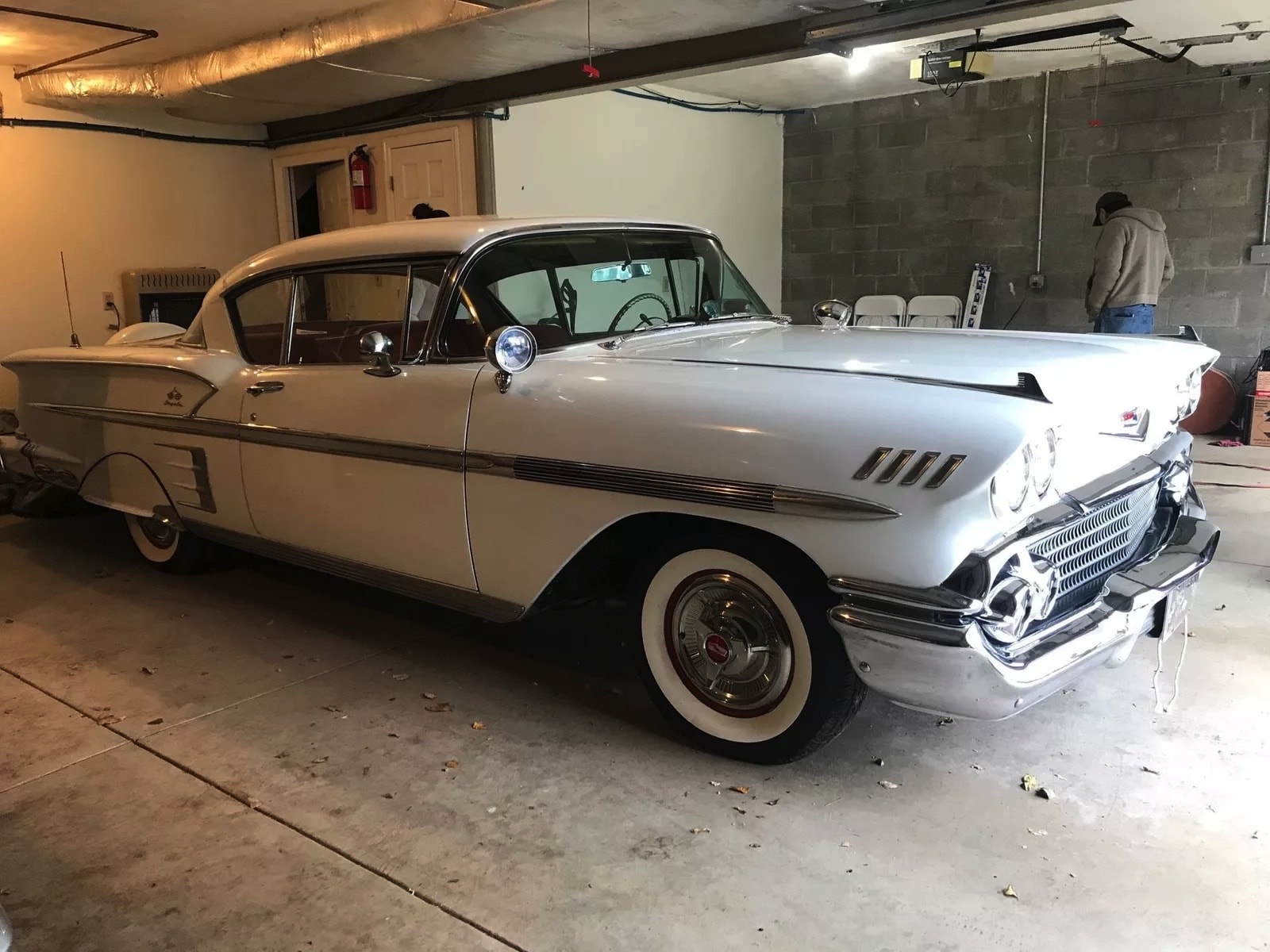
Sometimes the most dramatic barn find stories involve genuine disaster recovery. A classic 1962 Chevrolet Impala that survived being trapped under a collapsed roof is now searching for someone willing to give it the second chance it deserves. This unfortunate survivor represents both the resilience of 1960s American engineering and the urgent need for automotive rescue when disaster strikes classic car collections.
The Disaster Discovery: Trapped But Not Defeated
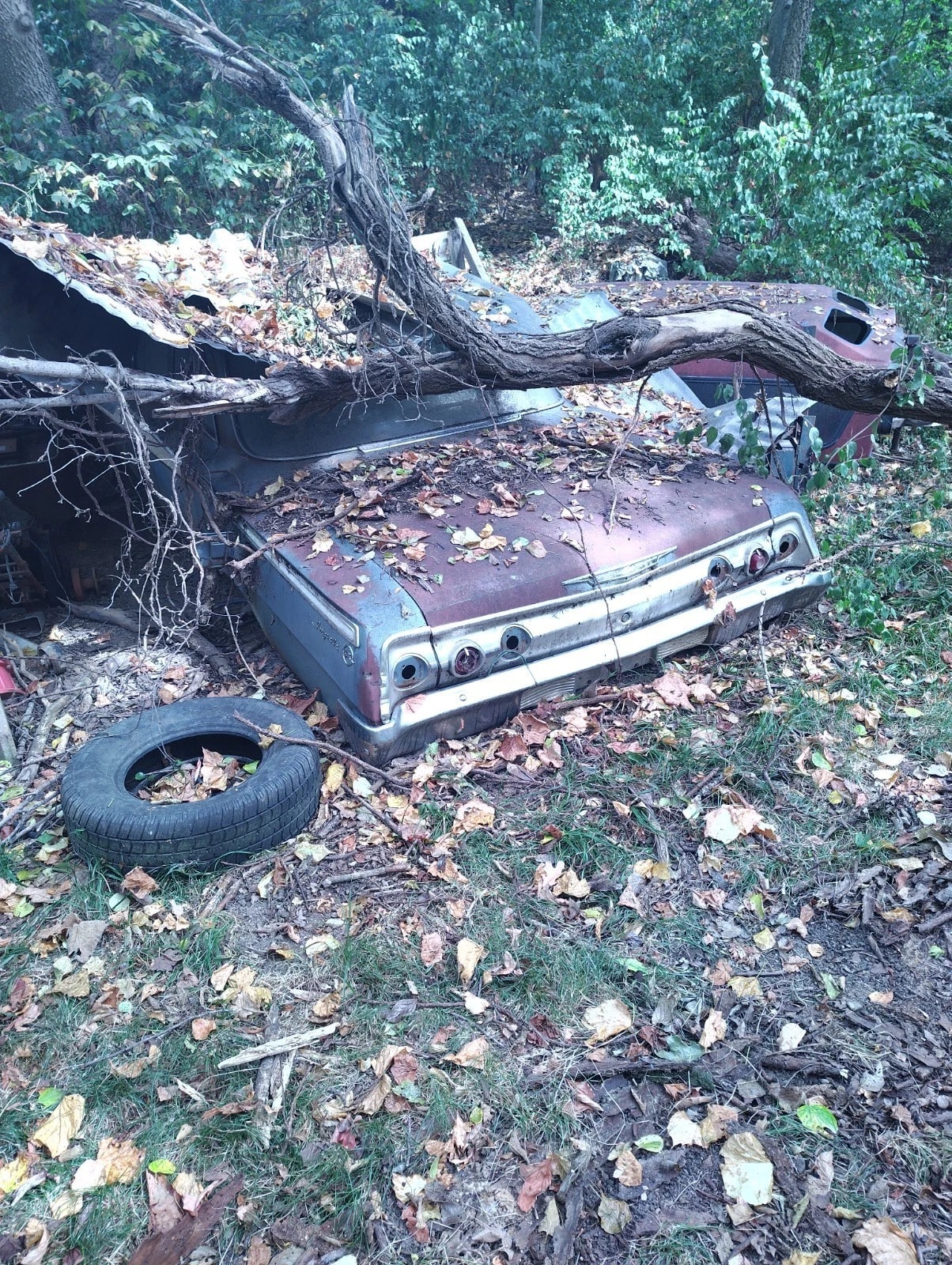
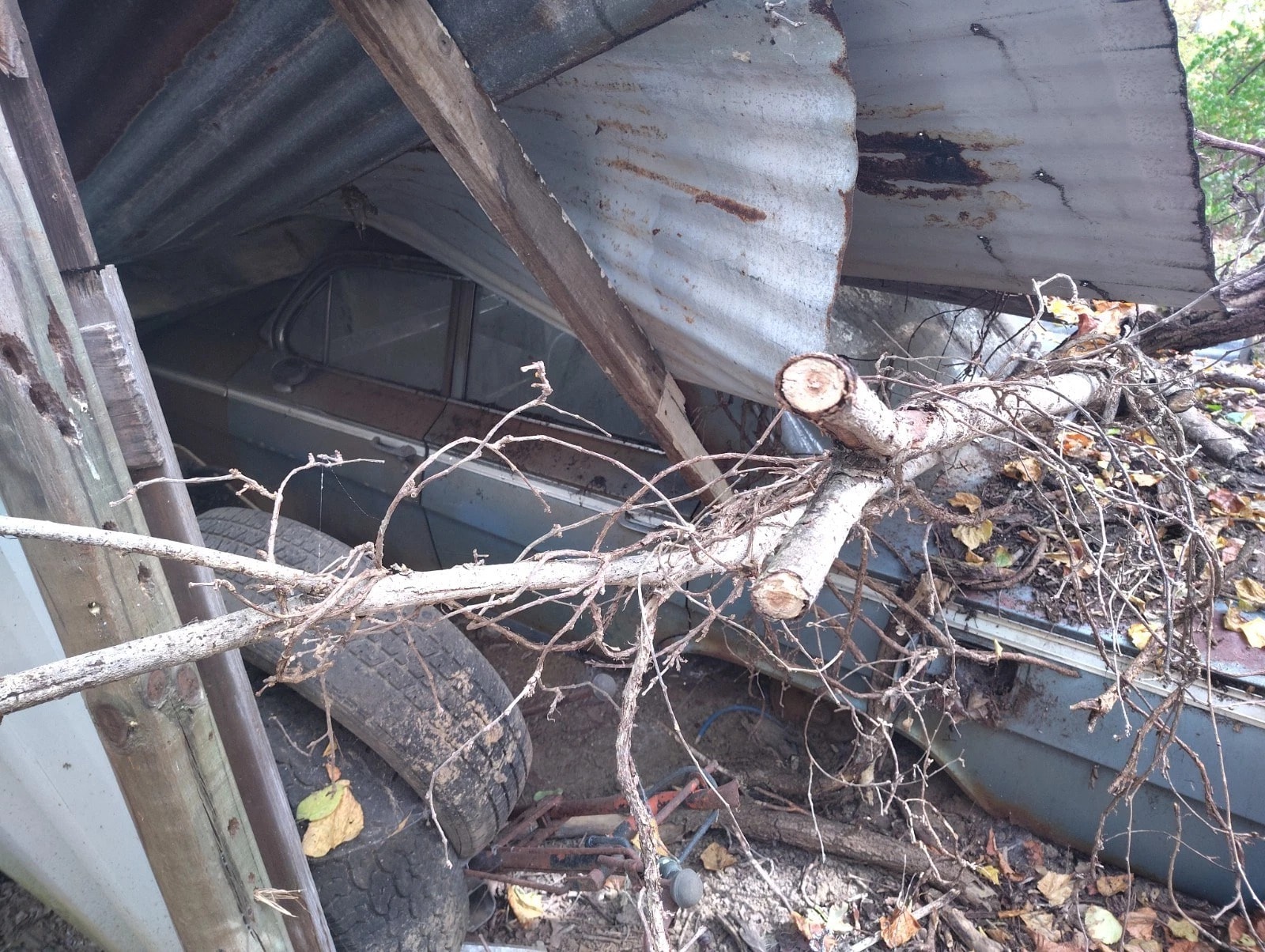
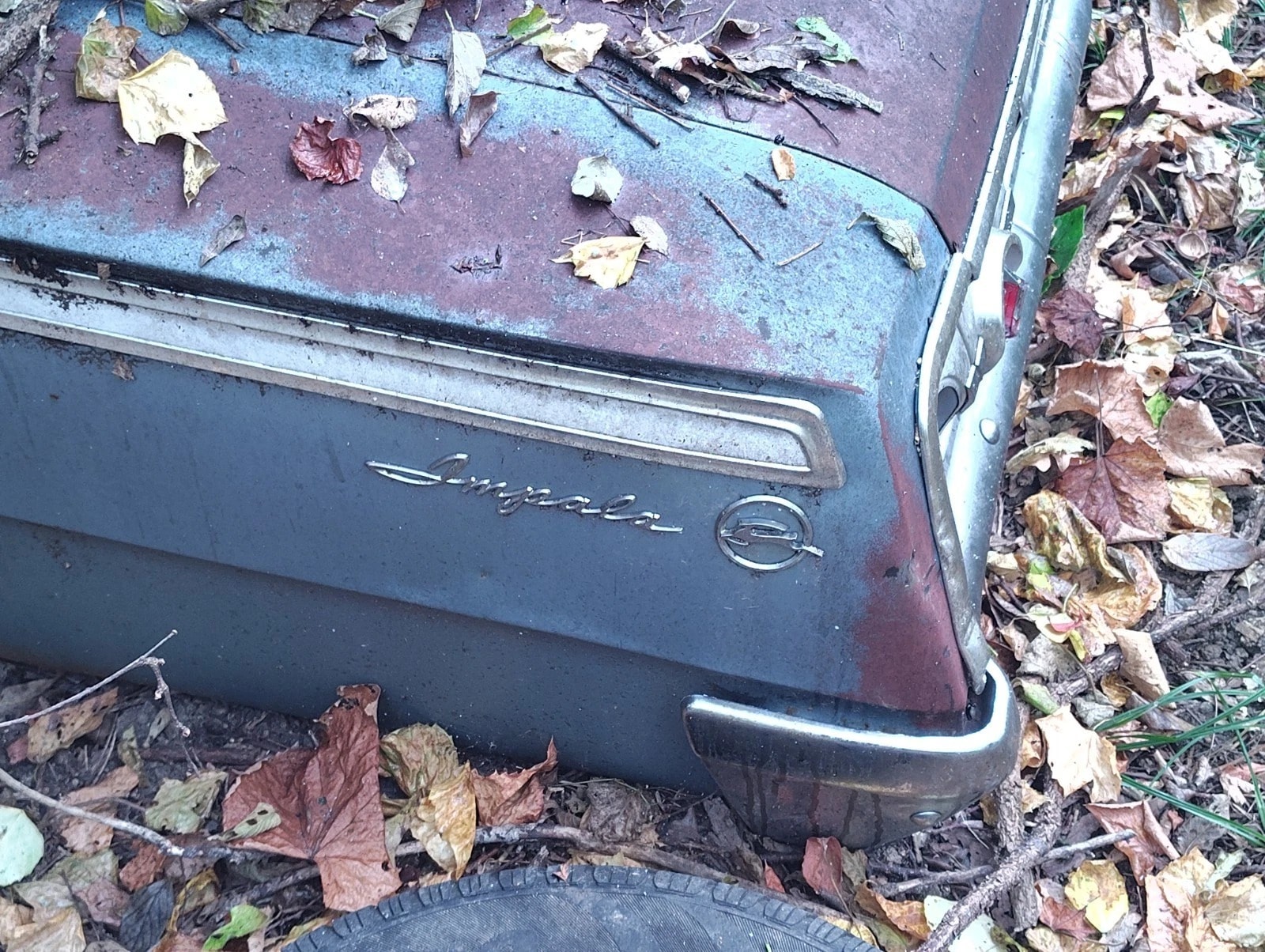
This Impala trapped under the collapsed roof looks like a 1962 model year, based on the design of the rear, but it’s impossible to determine its condition without first seeing it in person. The dramatic circumstances of its discovery – pinned beneath structural debris – create both concern and intrigue for potential rescuers evaluating restoration possibilities.
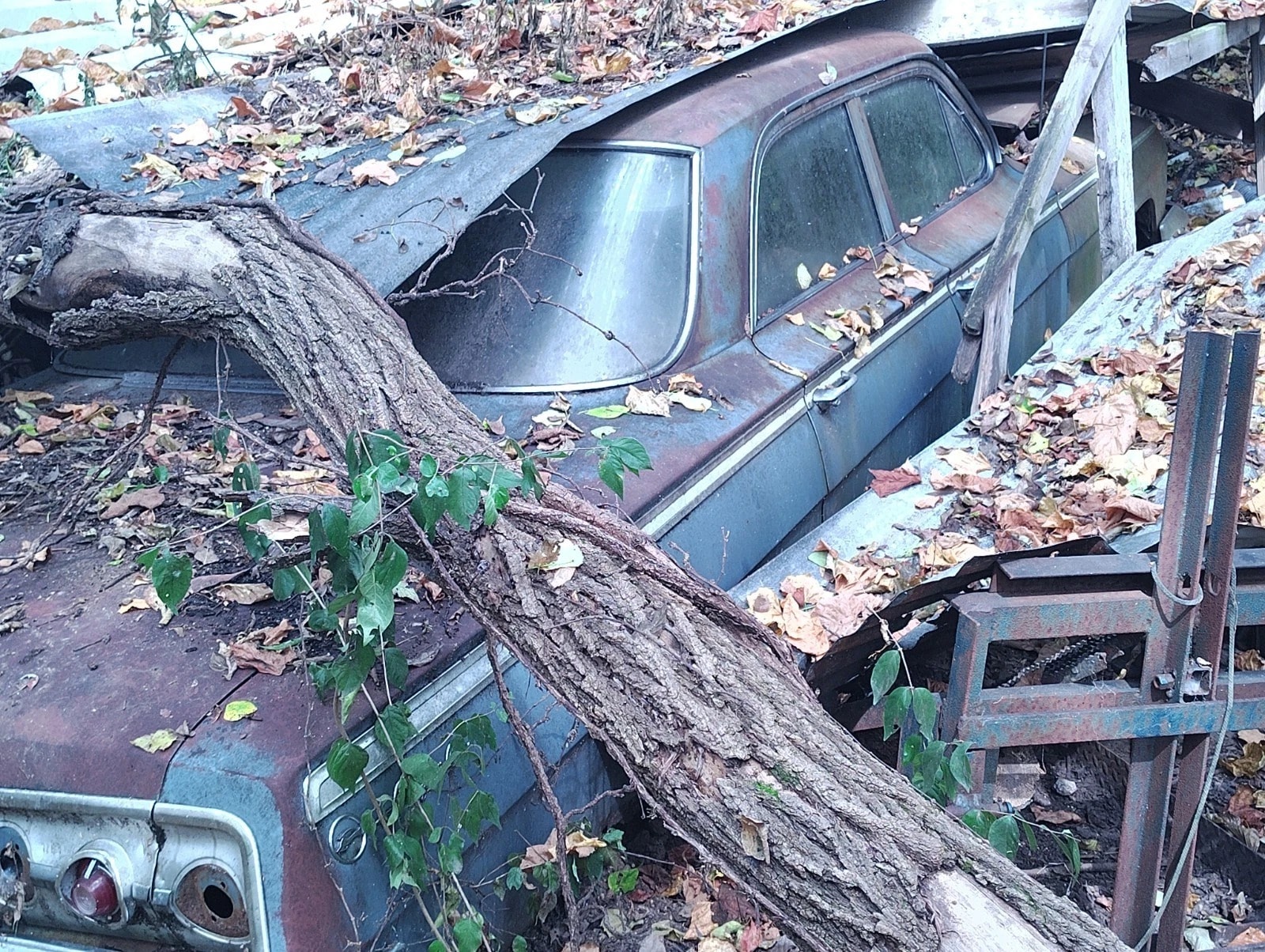
Collapsed roof incidents represent some of the most challenging scenarios in classic car recovery. Unlike gradual deterioration from weather exposure or normal aging, structural collapse creates concentrated damage that can affect multiple vehicle systems simultaneously. However, the fact that this Impala’s rear section doesn’t look all that bad suggests the damage may be more manageable than initial appearances indicate.
1962 Impala: The Full-Size Flagship Era
To understand this rescue opportunity’s significance, we must appreciate what made the 1962 Chevrolet Impala special in automotive history. The 1962 model year represented Chevrolet’s refined approach to full-size luxury and performance, offering buyers everything from economical family transportation to serious muscle car credentials.
Base engines were the 135 bhp, 235 cid six and 170 bhp, 283 cid V-8. Optional engines included the 250 bhp Turbo-Fire 327 cid V-8 with four-barrel carburetor and dual exhaust ($191), 300 bhp 327 V-8 with four-barrel and dual exhaust ($245), 380 bhp Turbo-Fire 409 V-8 with high lift cam and dual exhaust system.
The legendary 409 cu in V8 engine returned as the big-block option, available with dual four-barrel Carter AFB carburetors, which produced 425 bhp at 6,000 rpm and 425 lb-ft at 4,200 rpm of torque. This powerplant established the 1962 Impala’s street credibility and created the foundation for decades of “409” folklore in American automotive culture.
The Super Sport Legacy: SS Heritage
Without clear documentation visible in the collapsed roof photos, determining whether this survivor carries Super Sport credentials remains uncertain. However, understanding SS significance helps evaluate potential value and restoration priority.
SS models continued to feature the engine-turned aluminum trim and distinctive styling cues that separated them from standard Impala models. The SS package wasn’t just about appearance – it represented Chevrolet’s commitment to performance-oriented buyers who demanded both luxury and capability.
1962 Impala SS Features:
- Engine-turned aluminum dashboard trim
- Bucket seats with center console option
- Performance-oriented suspension tuning
- Distinctive exterior badging and trim
- Heavy-duty components throughout
Structural Damage Assessment: The Collapsed Roof Challenge
Evaluating collapsed roof damage requires systematic inspection addressing both obvious and hidden concerns:
Immediate Visible Issues:
- Roof panel deformation and potential punctures
- Window glass damage from structural impact
- Door alignment problems from frame distortion
- Interior component damage from debris intrusion
Hidden Damage Potential:
- Frame distortion affecting vehicle alignment
- Suspension component damage from impact forces
- Electrical system damage from water intrusion
- Fuel system contamination from environmental exposure
The assessment that the rear doesn’t look all that bad provides some optimism, suggesting the collapse may have been limited to specific roof areas rather than comprehensive structural failure.
Market Context: 1962 Impala Investment Reality
Understanding this project’s potential requires examining current market conditions for similar vehicles. There are 193 1962 Chevrolet Impala for sale right now, indicating both strong market interest and reasonable availability for comparison purposes.
Market values vary dramatically based on condition, originality, and equipment:
Current Market Segments:
- Restored SS 409 Models: $50,000-$70,000 for documented examples
- Driver Quality Examples: $25,000-$40,000 depending on equipment
- Project Cars: $8,000-$20,000 based on completeness and issues
- Parts Cars: $2,000-$8,000 for incomplete or severely damaged examples
The owner says in his ad that when restored, that as a true SS, this Impala would be worth between $50,000 and $70,000, though this valuation assumes both SS credentials and successful restoration completion.
Disaster Recovery vs. Traditional Restoration
This collapsed roof survivor presents unique challenges compared to typical project cars:
Disaster Recovery Complications:
- Structural integrity assessment requiring professional evaluation
- Potential frame straightening or replacement needs
- Water damage issues from weather exposure during collapse
- Debris removal and contamination cleaning requirements
- Insurance and legal considerations for disaster-damaged vehicles
Potential Advantages:
- Dramatic rescue story adding emotional value
- Opportunity to document complete disaster recovery
- Educational value for restoration community
- Potential media interest in remarkable survival story
The Rescue Timeline: Urgency Factors
Collapsed roof situations often create time pressure for potential rescuers:

Deterioration Acceleration:
- Continued weather exposure through damaged roof structure
- Progressive water damage to interior and mechanical systems
- Potential for additional structural collapse or shifting
- Vandalism or theft concerns for exposed valuable components
Quick action becomes essential to prevent further damage and preserve whatever remains salvageable from this automotive disaster.
Professional Assessment Requirements
This project demands professional evaluation before any restoration commitment:
Critical Inspection Points:
- Frame alignment measurement and structural integrity analysis
- Body panel replacement requirements and cost estimation
- Mechanical system evaluation for hidden damage
- Documentation verification for insurance and title purposes
Without professional assessment, buyers risk underestimating both repair scope and total investment requirements.
The 409 Possibility: Performance Heritage
If this collapsed roof survivor originally carried 409 power, restoration becomes significantly more compelling despite structural challenges. The 409 engine represented peak performance for 1962, creating legendary status that transcends mere transportation.
The 409’s specifications made it formidable:
- Displacement: 409 cubic inches (6.7 liters)
- Power: Up to 425 horsepower with dual four-barrel carburetors
- Torque: 425 lb-ft at 4,200 rpm
- Availability: Limited production creating collector interest today
Community Support for Disaster Recovery
The classic car community often rallies around dramatic rescue stories, providing both moral support and practical assistance:
Community Benefits:
- Technical expertise sharing for unusual challenges
- Parts sourcing assistance for rare components
- Documentation help for disaster recovery insurance claims
- Emotional support during challenging restoration phases
This network proves invaluable when tackling projects that extend beyond normal restoration parameters.
Investment vs. Passion Analysis
This disaster recovery project requires honest evaluation of motivations and capabilities:
Passion Project Justifications:
- Satisfaction from saving automotive history from destruction
- Educational value from documenting disaster recovery process
- Community contribution through preservation efforts
- Personal attachment to dramatic rescue narrative
Investment Reality Check:
- Total restoration costs likely exceeding finished car values
- Unknown structural damage potentially requiring major expenditure
- Limited resale market for disaster recovery vehicles
- Time requirements potentially extending over multiple years
Comparable Rescue Success Stories
The classic car world includes notable disaster recovery successes that provide both inspiration and practical guidance. Other Impala rescue projects have demonstrated that even severely damaged vehicles can return to roadworthy condition with sufficient commitment and resources.
Recent examples include various barn find Impalas emerging from decades-long storage, though few match the dramatic circumstances of collapsed roof survival.
The Verdict: Hero Opportunity or Money Pit?
This collapsed roof 1962 Chevrolet Impala presents a classic restoration dilemma – genuine opportunity for automotive heroism balanced against potentially overwhelming challenges and costs.
Success depends entirely on matching realistic expectations with actual capabilities:
Ideal Rescue Candidate Profile:
- Extensive restoration experience with structural damage
- Access to professional body shop facilities and equipment
- Realistic timeline expectations (potentially several years)
- Passion for rescue projects over financial return
- Support network for technical guidance and parts sourcing
Should Proceed Extremely Carefully:
- First-time project car buyers attracted by dramatic story
- Those expecting reasonable timeline or budget requirements
- Buyers seeking guaranteed investment returns
- Anyone lacking proper facilities for major structural work
The fact that this Impala survived collapse at all demonstrates the fundamental strength of 1960s American automotive engineering. Whether that survival translates into successful restoration depends entirely on finding someone with both vision and capability to complete such an ambitious project.
This classic car’s search for a “real home” reflects urgent need for someone who understands that automotive rescue sometimes requires extraordinary commitment. The collapsed roof created this emergency, but human dedication will determine whether this Impala gets to write new chapters or becomes another cautionary tale about projects that exceed their rescuer’s capabilities.
For the right person with appropriate skills, facilities, and commitment, this disaster survivor could become the ultimate restoration trophy – proof that even the most challenging circumstances can’t defeat American automotive determination when matched with human ingenuity and persistence.