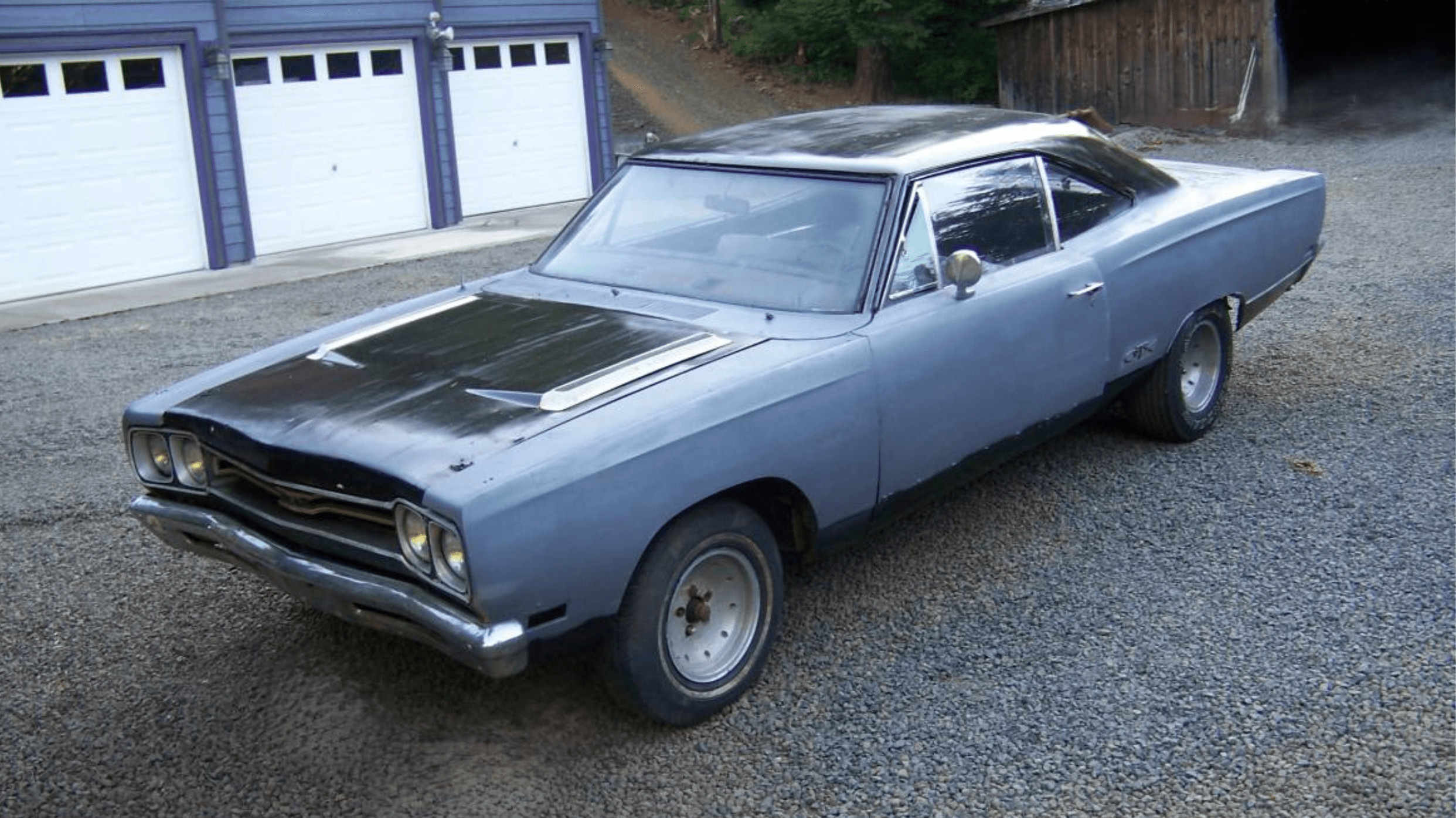
The Final Chapter: Why the 1971 Plymouth GTX Represents the End of an Era
When muscle car historians discuss the end of the golden age, they inevitably point to 1971 as the turning point. Rising insurance rates, tightening emissions standards, and changing consumer preferences conspired to kill off many legendary nameplates. Among the casualties was Plymouth’s premium muscle car, the GTX, which bowed out after just five years with its rarest and most collectible iteration: the 1971 model year.
With only 2,942 units produced in its final year, the 1971 Plymouth GTX represents one of the most exclusive muscle cars ever built. Due partly to rising insurance rates on muscle cars, sales dropped to fewer than 3,000 units in 1971 (2,942), and only 30 cars were equipped with the Hemi engine, which was discontinued after this year. For collectors seeking authentic American muscle with genuine rarity and investment potential, the ’71 GTX stands as the ultimate prize.

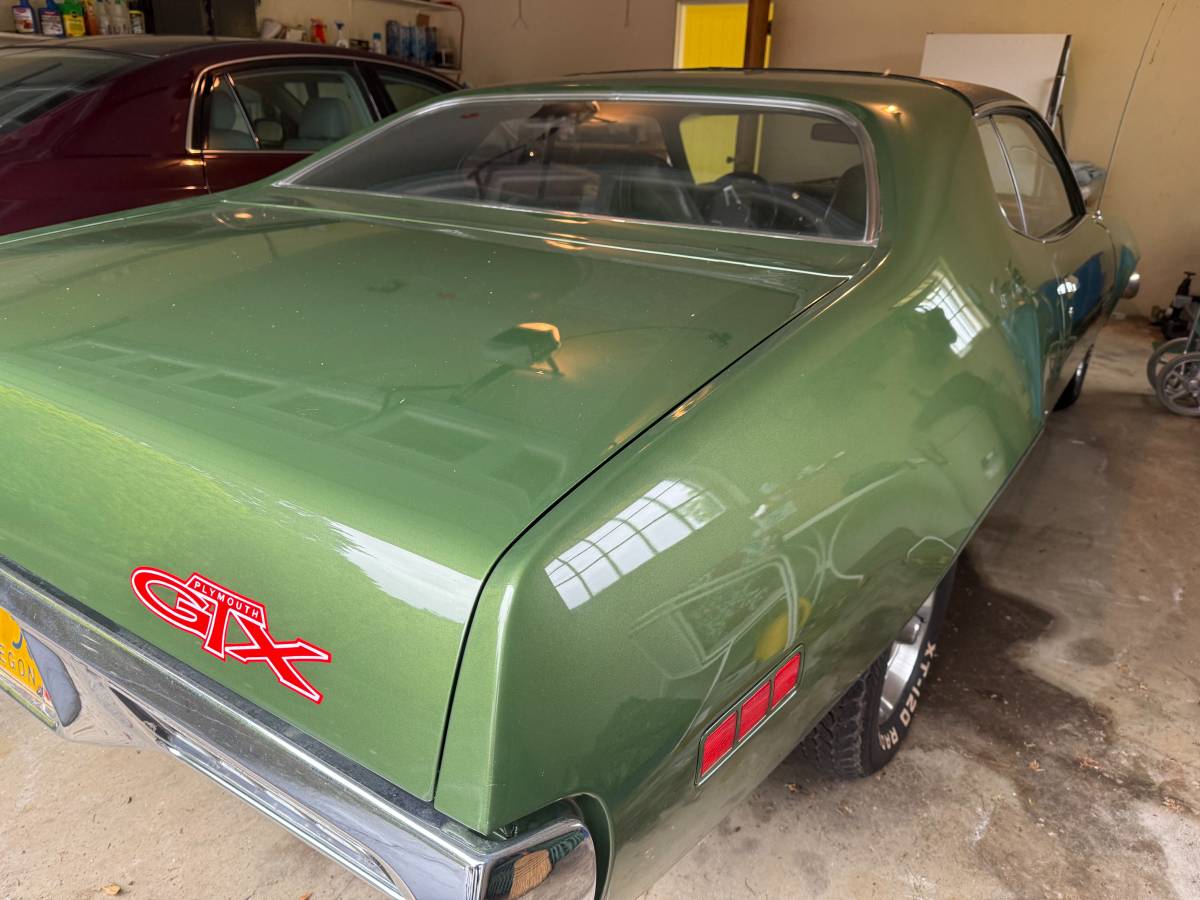

Premium Muscle: What Made the GTX Special
Unlike Plymouth’s budget-friendly Road Runner, the GTX was positioned as a luxury muscle car from its 1967 introduction. “Our luxury high-performance GTX comes standard with a 440 4-barrel V8. TorqueFlite automatic transmission. Buckets. And more. It’s a great teaming of styling, performance and luxury.” 1971 Plymouth sales brochure.
The GTX occupied the pinnacle of Plymouth’s B-body hierarchy, above the Belvedere and Satellite. What set it apart wasn’t just the standard equipment list, but the exclusive engine lineup. While lesser Plymouths could be ordered with small-block V8s, the GTX came standard with big-block power and offered options that defined the muscle car era.
Fuselage Styling: The Bold New Look of 1971
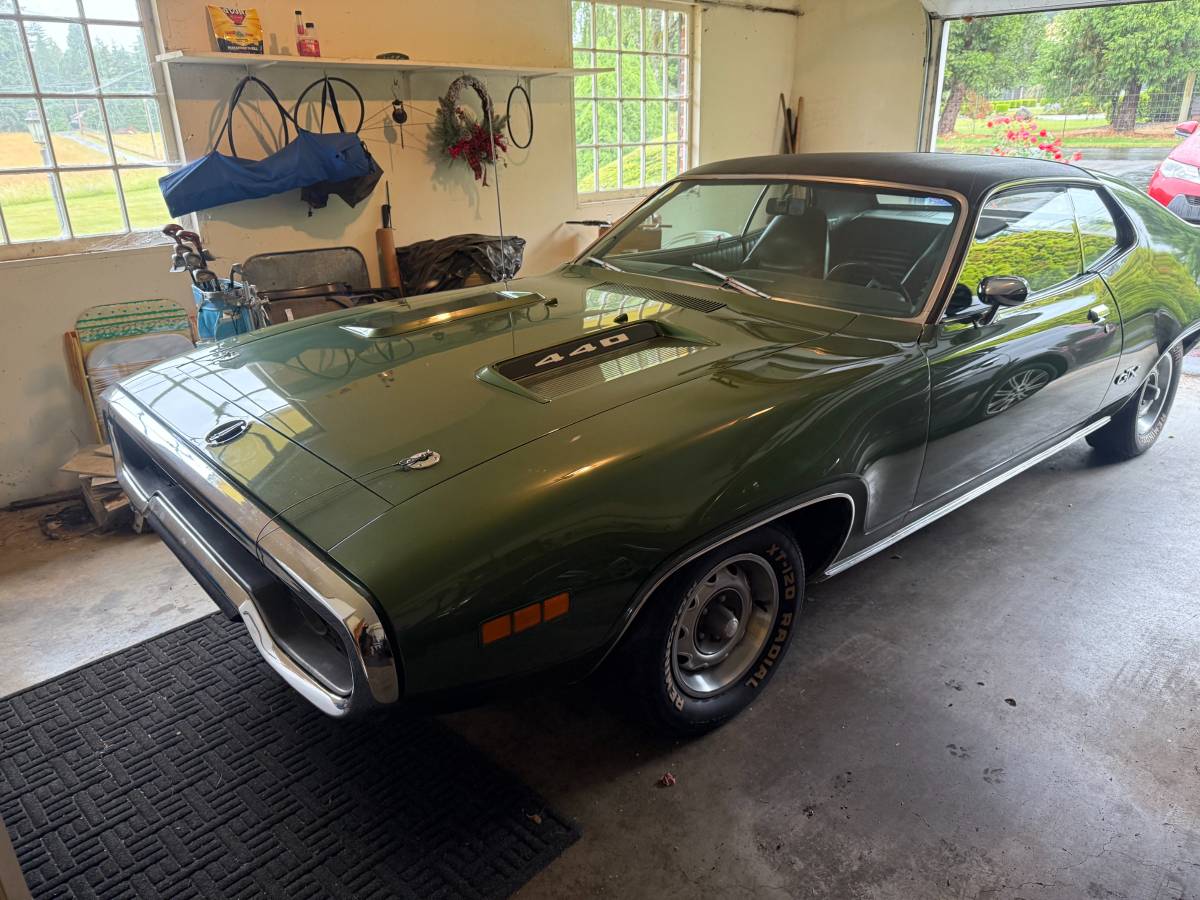
In 1971, the “B-Body” underwent a serious transformation with its “fuselage style” body and one-piece front bumper. This radical redesign represented Plymouth’s final attempt to compete with the flowing lines of contemporary GM and Ford designs. The fuselage body featured:
- Dramatic curves: The previous generation’s angular lines gave way to swooping, aircraft-inspired contours
- Integrated bumper: A single-piece front bumper created a cleaner, more modern appearance
- Lower profile: The new design appeared longer, lower, and more aggressive than its predecessor
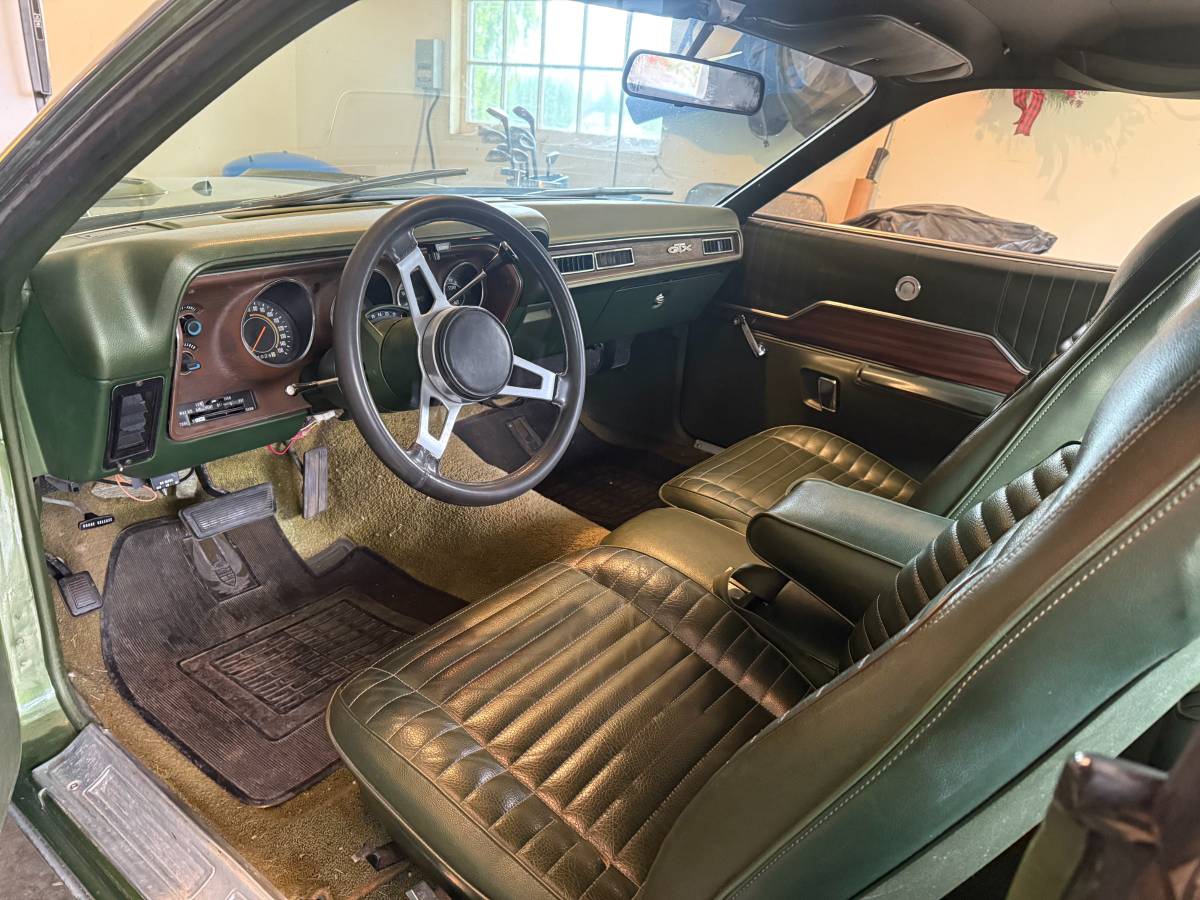
- Premium interior: the GTX sported a notably more premium interior than the Belvedere and Satellite
The styling change was dramatic enough that many enthusiasts consider the 1971 GTX a completely different car from earlier generations, making it a distinct collectible in its own right.
Engine Options: The Last of the High-Compression Monsters
The 1971 model year marked the end of Chrysler’s high-compression era, making these engines the final expression of maximum muscle car power. Three engines defined the GTX lineup:
440 Four-Barrel: The Standard Bearer
The base engine was the legendary 440 cubic inch RB big-block, producing 375 horsepower at 4,300 RPM. This wasn’t a detuned “smog motor” – the 1971 440 still featured high compression and aggressive cam timing that delivered genuine muscle car performance. V 8 (7210 cc | 440.0 cu in. | 7.2 L.) with 375 HP (276 KW) @ 4300 RPM
The four-barrel 440 represented the most common GTX engine option, with over 1,500 units produced. While not as exotic as the Hemi or Six-Pack, the standard 440 offered:
- Reliable power: Proven durability with parts still readily available
- Daily drivability: More tractable than the high-strung specialty engines
- Reasonable maintenance: Standard carburetor and ignition systems
- Strong torque curve: Ideal for street driving and highway cruising
440 Six-Pack: Triple Carburetor Fury
For buyers seeking maximum naturally aspirated performance, Plymouth offered the 440 Six-Pack option. The 8 cylinder, overhead valve naturally aspirated engine has 2 valves per cylinder and a displacement of 7.2 litres. It musters power and torque figures of 385 bhp (390 PS/287 kW) at 4700 rpm and 665 Nm (490 lbft/67.8 kgm) at 3200 rpm respectively.
Only 135 customers opted for this $262 upgrade, making Six-Pack GTXs extremely rare today. The triple two-barrel Holley carburetor setup delivered:
- 385 horsepower: Ten more than the standard four-barrel
- Massive torque: 490 lb-ft at just 3,200 RPM
- Aggressive sound: The distinctive intake noise of three carburetors
- Racing pedigree: Based on engines used in NASCAR and drag racing
426 Hemi: The Holy Grail
The ultimate 1971 GTX came equipped with the legendary 426 Hemi V8. With only 30 examples produced, these represent some of the rarest muscle cars in existence. The Hemi’s 425 horsepower rating was conservative – actual output likely exceeded 500 horsepower.
The Hemi GTX commanded a premium price when new and commands astronomical values today. These ultra-rare machines featured:
- Hemispherical combustion chambers: Maximum breathing efficiency
- Race-bred architecture: Directly descended from NASCAR engines
- Legendary reputation: The most feared engine on the street
- Investment potential: Values continuing to climb as examples become museum pieces
Production Numbers: Understanding the Rarity
The 1971 Plymouth GTX’s low production numbers tell the story of changing times in the automotive industry. Base Road Runner price was $3,147 and GTX was $3,733. That $586 premium represented nearly 19% more than the Road Runner, pricing many buyers out of the market.
Breakdown by Engine Option:
- 440 Four-Barrel: Approximately 1,500+ units (most common)
- 440 Six-Pack: 135 units (extremely rare)
- 426 Hemi: 30 units (museum-quality rarity)
These numbers become even more significant when compared to Plymouth’s more affordable offerings. The Road Runner sold over 81,000 examples in 1968 alone, highlighting how the GTX’s premium positioning limited its market appeal.
Market Values: Investment Potential and Current Pricing
The 1971 Plymouth GTX market reflects both the car’s rarity and the broader muscle car collecting trends. The average price of a Plymouth GTX is $70,493. However, 1971 models command significant premiums due to their final-year status and low production numbers.
Current Market Analysis:
440 Four-Barrel Models: A standard 1971 GTX might fetch anywhere between $60,000 and $80,000. Well-maintained examples with matching numbers and original documentation can reach the higher end of this range.
440 Six-Pack Models: But if you’ve got a restored 440+6 model? You’re looking at prices that easily go beyond $150,000. The extreme rarity of Six-Pack cars drives values well above standard 440 models.
426 Hemi Models: Hemi GTXs represent the ultimate investment opportunity, with “This car’s drivetrain makes it a standout. It sold for $140,400 at Mecum Indy in 2015, so this result is even stronger (and at the very top end of GTX values)” Recent sales suggest properly documented Hemi GTXs can exceed $200,000.
Investment Factors:
- Matching numbers: Original engine and transmission significantly increase value
- Documentation: Build sheets, broadcast sheets, and ownership history add premium
- Condition: Original, unrestored survivors command highest prices
- Rarity: Six-Pack and Hemi models continue appreciating faster than four-barrel cars
What to Look for When Buying a 1971 GTX
Authenticity Verification
The GTX’s premium status makes it a target for clones and tribute cars. Verify authenticity through:
VIN Decoding: 1971 GTXs use specific VIN sequences that identify genuine examples Fender Tag: Contains critical build information including engine, transmission, and option codes Broadcast Sheet: Factory paperwork often hidden in seat springs or behind door panels Engine Numbers: Matching numbers significantly impact value and authenticity
Common Issues and Inspection Points
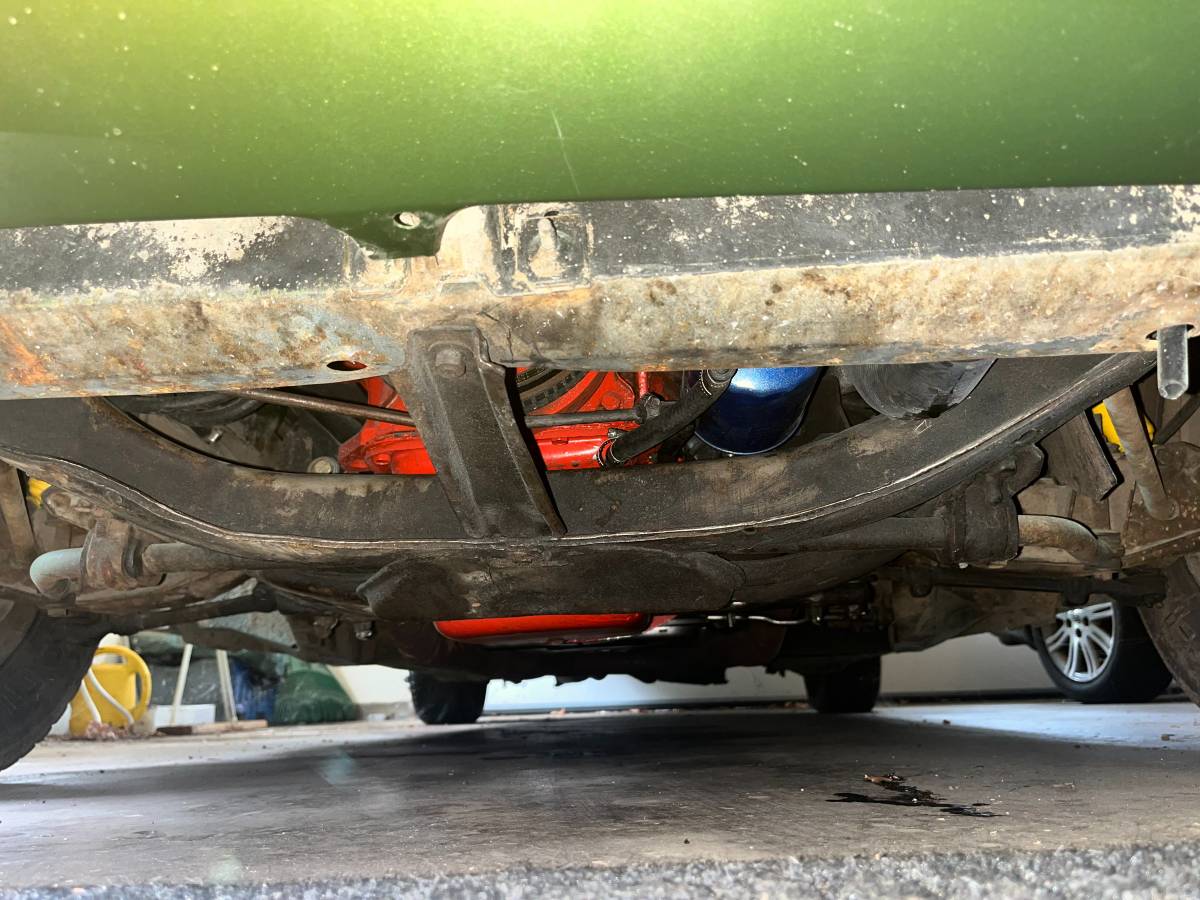
Body and Structural Concerns:
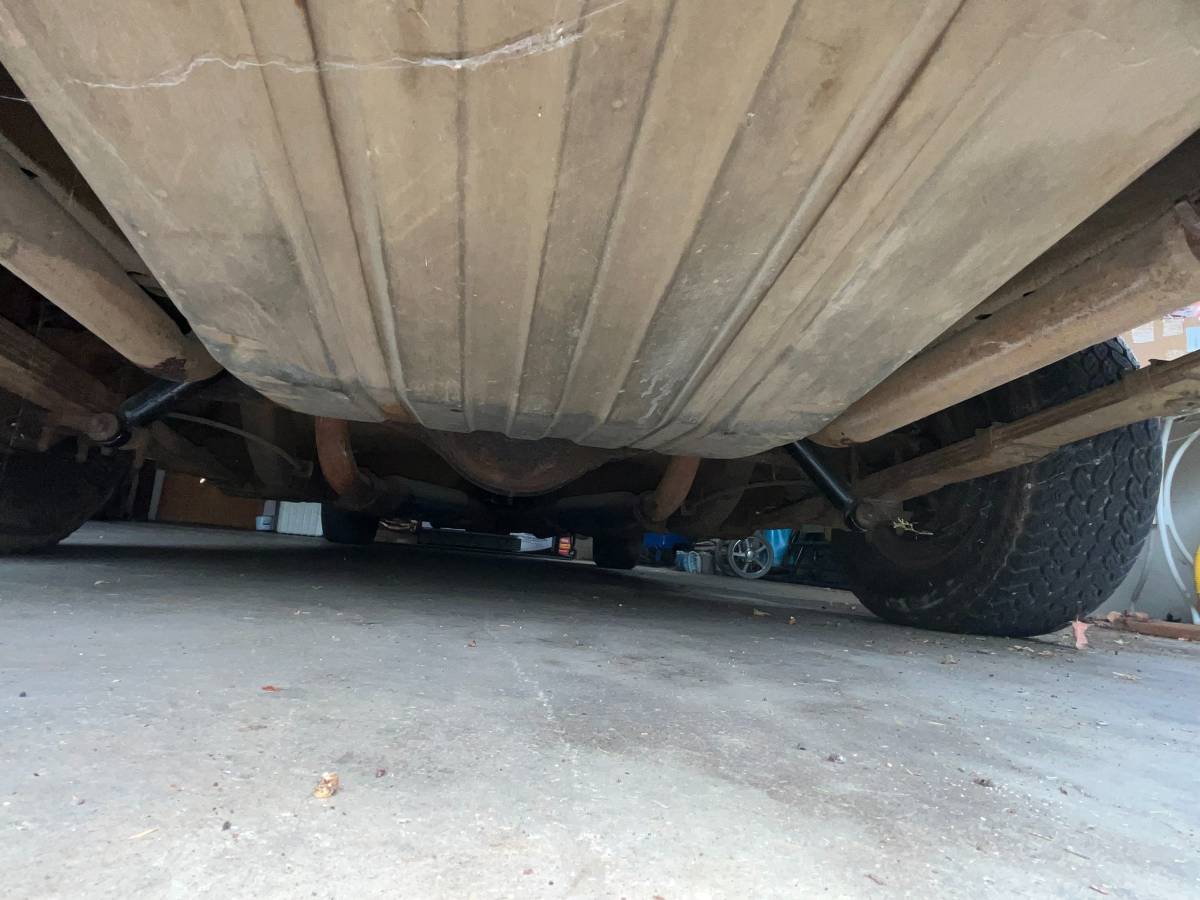
- Rear quarter panels: Prone to rust, especially around wheel wells
- Trunk floors: Check for rust-through and previous accident damage
- Door frames: Unibody construction makes structural integrity critical
- Rocker panels: Hidden rust can compromise the entire structure
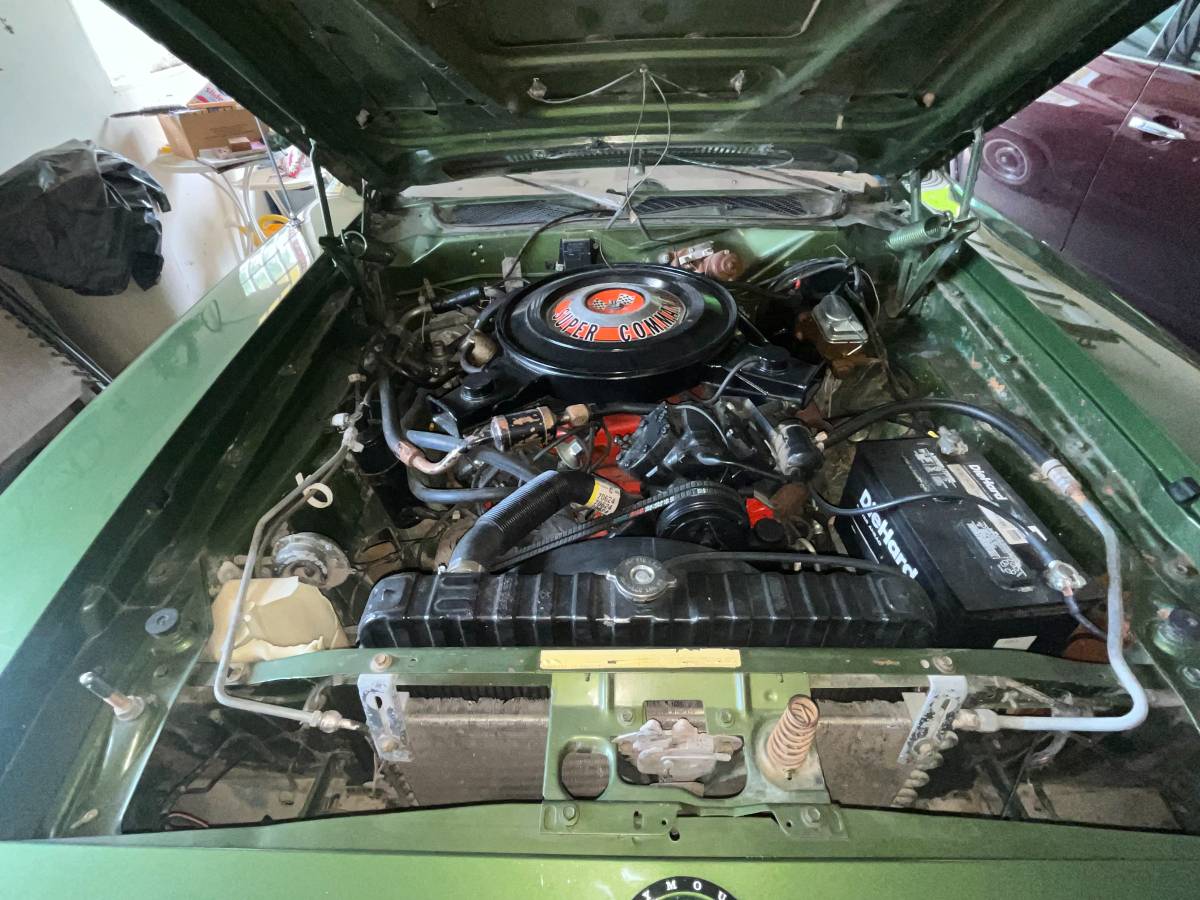
Engine Bay Evaluation:
- Numbers matching: Verify engine VIN stamps match car documentation
- Original components: Air cleaner, valve covers, intake manifold should be period-correct
- Maintenance history: Recent service indicates proper care and drivability
- Compression: High-compression engines require premium fuel and careful tuning
Interior Originality:
- Seat materials: Original vinyl and cloth combinations are difficult to replicate
- Dashboard: Cracking is common but expensive to repair properly
- Gauges: Rally gauge clusters were optional and add significant value
- Trim pieces: Small interior parts are often missing and hard to source
The Collector’s Perspective: Why the 1971 GTX Matters
The 1971 Plymouth GTX represents more than just another muscle car – it’s a pivotal moment in automotive history. As the final year for high-compression engines and the GTX nameplate, these cars mark the end of the original muscle car era.
Historical Significance:
- Last of the breed: Final year for true high-compression muscle
- Design evolution: Fuselage styling represented Plymouth’s most modern interpretation
- Market transition: Marked the shift from performance to emissions compliance
- Collector milestone: Low production ensures continued rarity and desirability
Why Collectors Choose the 1971 GTX:
Exclusivity: With fewer than 3,000 examples built, ownership guarantees rarity Performance: Even the base 440 delivers genuine muscle car acceleration Styling: The fuselage body represents peak 1970s automotive design Investment potential: Appreciation rates exceed most muscle car segments Driving experience: Modern enough for regular use, classic enough to turn heads
Restoration Considerations and Parts Availability
Parts Challenges:
Unlike popular models like the Camaro or Mustang, 1971 GTX-specific parts are limited. Most restoration components must be sourced from:
- Specialty Mopar suppliers: Growing but still limited market
- Used parts dealers: Increasingly rare and expensive
- Reproduction manufacturers: Very few companies produce 1971-specific trim
- Custom fabrication: Many parts require professional restoration services
Smart Restoration Strategies:
- Preserve originality: Maintain factory finishes where possible
- Document everything: Photograph and catalog all original components
- Mechanical first: Ensure drivability before cosmetic restoration
- Professional expertise: Consult Mopar specialists for accurate restoration
The Survivor Advantage: Why Original Cars Command Premiums
In today’s collector car market, originality trumps restoration quality. A well-preserved survivor with original paint, interior, and drivetrain commands premium pricing over even the finest restorations. This trend particularly benefits 1971 GTX owners, as the car’s premium positioning when new often meant careful ownership and garage storage.
Survivor Benefits:
- Authenticity: No questions about original specifications or colors
- Investment security: Original cars typically appreciate faster
- Historical value: Preserve automotive history in unaltered form
- Driving experience: Experience the car exactly as Plymouth intended
Final Thoughts: The Last Great Plymouth Muscle Car
The 1971 Plymouth GTX stands as the final expression of Chrysler’s muscle car ambitions. With its combination of premium appointments, big-block power, and genuine rarity, the ’71 GTX represents everything that made the muscle car era special. Whether powered by the reliable 440 four-barrel, the exotic Six-Pack, or the legendary Hemi, each 1971 GTX is a piece of American automotive history.
For collectors seeking an alternative to more common muscle cars, the 1971 GTX offers exclusivity, performance, and investment potential that few vehicles can match. As one of the last true high-compression muscle cars ever built, it represents both an ending and a pinnacle – the final chapter in Plymouth’s performance story and perhaps the most collectible muscle car of its era.
The question for potential buyers isn’t whether the 1971 Plymouth GTX deserves consideration – it’s whether you can afford to miss the opportunity to own one of America’s rarest and most significant muscle cars.