Marshall Woodruff faces uncertain future after projectile fractures cheek, damages eye during downtown demonstration
A protester participating in Saturday’s “No Kings Day” rally in downtown Los Angeles suffered a severe eye injury after being struck by a police-fired rubber bullet, raising new questions about law enforcement’s use of force during recent demonstrations.
Marshall Woodruff, who was among hundreds of demonstrators protesting federal immigration policies, remains hospitalized at Los Angeles General Medical Center with injuries that may permanently affect his vision. The incident occurred when what witnesses described as a peaceful protest escalated into confrontations between demonstrators and law enforcement officers.
“They just started opening fire on us, spraying an obscene amount of rubber bullets everywhere,” Woodruff said from his hospital bed, his right eye heavily bandaged. “The bullet fractured my cheek and tore part of my eye open. I underwent four to five hours of surgery that night, and doctors can’t tell me how much vision I’ll recover.”
The injury comes amid a series of incidents involving rubber bullets and other less-lethal weapons during recent Los Angeles protests, including an Australian reporter who was shot by a rubber bullet on live television while covering similar demonstrations.
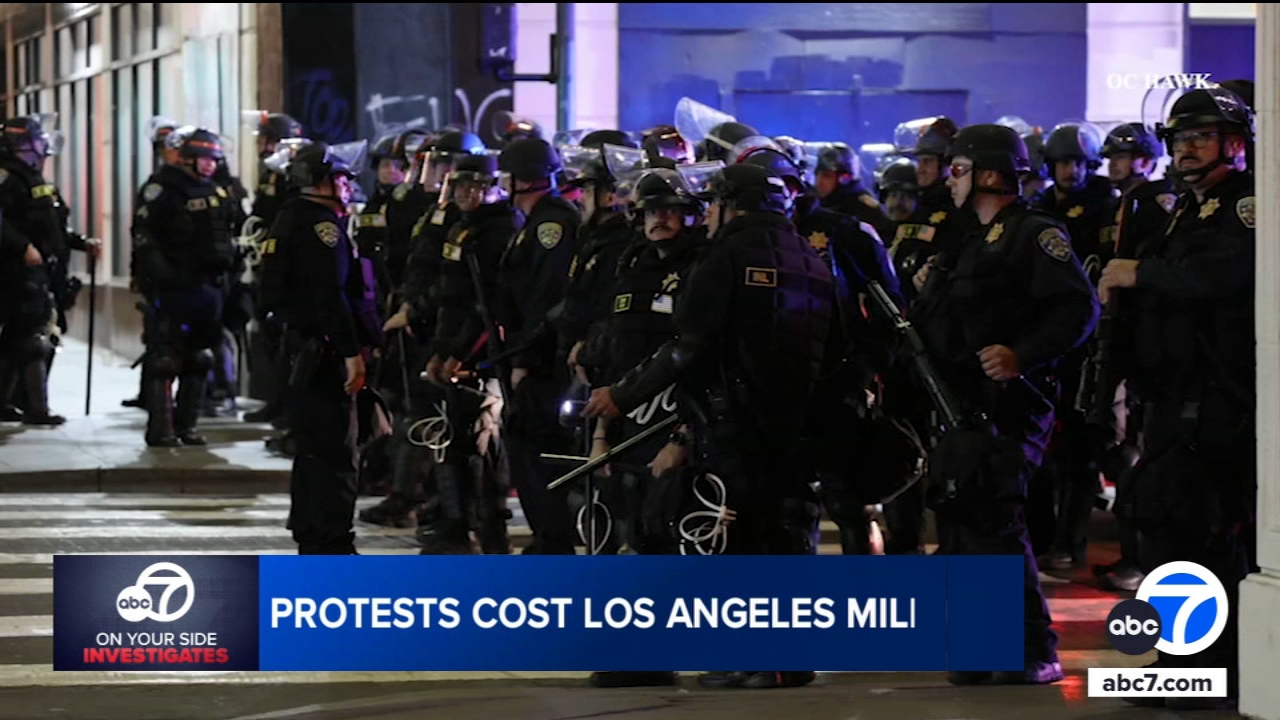
According to the Los Angeles Police Department, officers declared an unlawful assembly after protesters began throwing water bottles and bricks at law enforcement personnel. The department reports that several officers sustained injuries during the confrontation, though specific details about those injuries were not immediately available.
Woodruff’s account suggests the use of force escalated rapidly. After being struck, he said good Samaritans helped him reach LAPD officers, who transported him to an ambulance for medical treatment.
“I think everyone there was peacefully protesting,” said Gavin Prophet, a friend who witnessed the incident. “There may be bad actors in any situation, but the level of force used against peaceful protesters wasn’t justified.”
The “No Kings Day” demonstrations, organized in response to federal immigration enforcement actions, drew participants across Southern California. The protests reference opposition to what organizers characterize as authoritarian government overreach.
Woodruff’s friends, Jazz Egger and Gavin Prophet, have established a GoFundMe campaign to help cover mounting medical expenses. The campaign highlights the financial burden faced by protesters injured during demonstrations, particularly those requiring extensive medical treatment.
“America is being divided right now, and we have to stand together regardless of what side you’re on,” Egger said. “We need to support one another regardless of ethnicity, race, or political affiliation, because love is the only way forward.”
The incident adds to growing scrutiny of police tactics during protests, particularly the deployment of rubber bullets and other projectiles that can cause serious injuries. Civil rights organizations have filed lawsuits challenging law enforcement’s treatment of protesters and journalists covering demonstrations.
Medical experts note that rubber bullets, despite being classified as “less-lethal” weapons, can cause permanent disabilities when they strike sensitive areas like the head and face. Woodruff’s case illustrates these risks, as he faces an uncertain recovery period with no guarantee his vision will fully return.
The LAPD has not responded to requests for comment about specific protocols governing rubber bullet deployment or whether an internal investigation has been initiated regarding Saturday’s incidents.
As Woodruff continues his recovery, his case highlights ongoing tensions between law enforcement agencies and protest organizers, as well as broader questions about balancing public safety with constitutional rights to peaceful assembly and free speech.