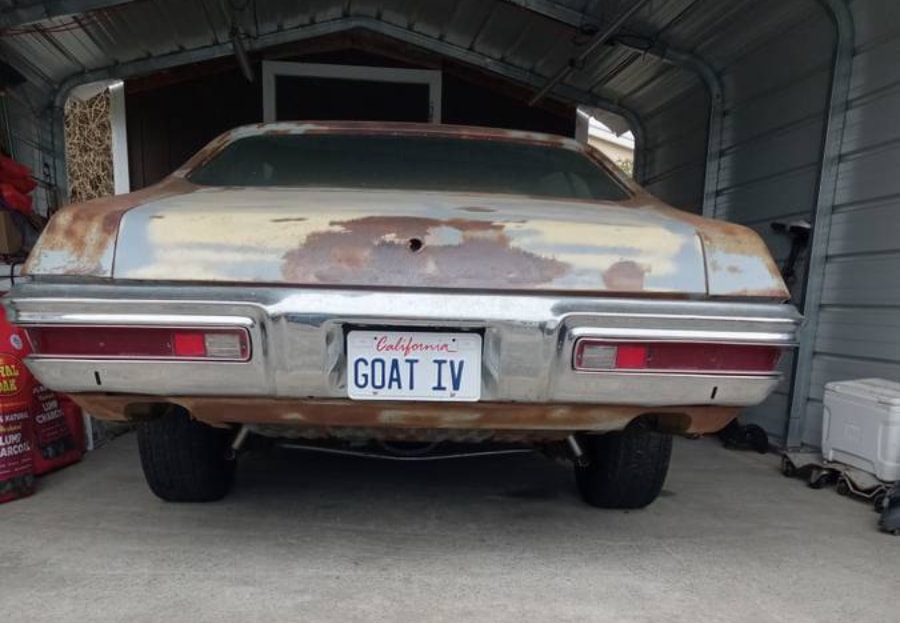
As a die-hard fan of American muscle, few cars get my blood pumping like the 1968 Plymouth GTX. This beast broke free from the Belvedere’s shadow that year, stepping up as its own series and cranking out 18,272 units. Sure, it wasn’t printing money like some other muscle cars—sales never truly exploded, and by ’71, Plymouth pulled the plug—but that’s exactly what makes it so damn special. The GTX wasn’t cheap, and it didn’t pander to the budget crowd. Instead, one couple saw the magic in this upscale bruiser and held onto it for more than five decades—a testament to what real automotive passion looks like.
When Plymouth launched the Road Runner in ’68, they created the everyman’s muscle car: affordable, raw, and an absolute riot to drive. Meanwhile, the GTX earned its nickname as “The Gentleman’s Muscle Car”—dripping with class but packing serious heat under the hood. Don’t let that refined exterior fool you. The standard 440-4 Super Commando V8 roared with authority, and if you had the stones (and an extra $605), the legendary 426 Hemi was waiting to transform your GTX into a street-legal weapon.
Here’s where it gets interesting: that same Hemi cost $714 in the Road Runner, yet the bare-bones brawler still outsold the GTX by a landslide. The numbers tell the whole story—Road Runner moved 44,599 units while the GTX managed 18,272. Even more telling? Road Runner scored 1,019 Hemi orders, making history as the only model to crack the 1,000-Hemi barrier in a single year. The GTX? Just 446 Hemi-powered units rolled off the line.
But here’s what the raw numbers don’t capture: across its entire production run, the GTX claims second place in the second-generation Hemi wars with 1,477 total Hemi sales, edging out the Dodge Charger’s 1,461—pretty damn impressive for a car that arrived a year late to the party.
That 440 big-block—a hulking 7.2-liter RB monster—was no consolation prize either. It delivered tire-shredding torque and kept most buyers from splurging on the Hemi upgrade. Instead, they’d load up their GTX with options, and brother, those weren’t pocket change in 1968. We’re talking $82 for a vinyl top, $139 for a Sure-Grip differential, or $97 for chrome road wheels. Power steering ran $94, while a center console would set you back $83—real money when the average American was pulling down $7,700 a year.
Here’s the beautiful irony: the four-speed manual transmission was free, though the bulletproof TorqueFlite three-speed automatic came standard. For my money, nothing beats rowing your own gears—three pedals separate the drivers from the posers, and nailing a perfect rev-matched downshift is pure muscle car poetry. The enthusiasts knew it too: 9,771 hardtop GTXs left the factory with the stick shift, while only 6,902 rolled out with the automatic (those are the 440-powered numbers, mind you).
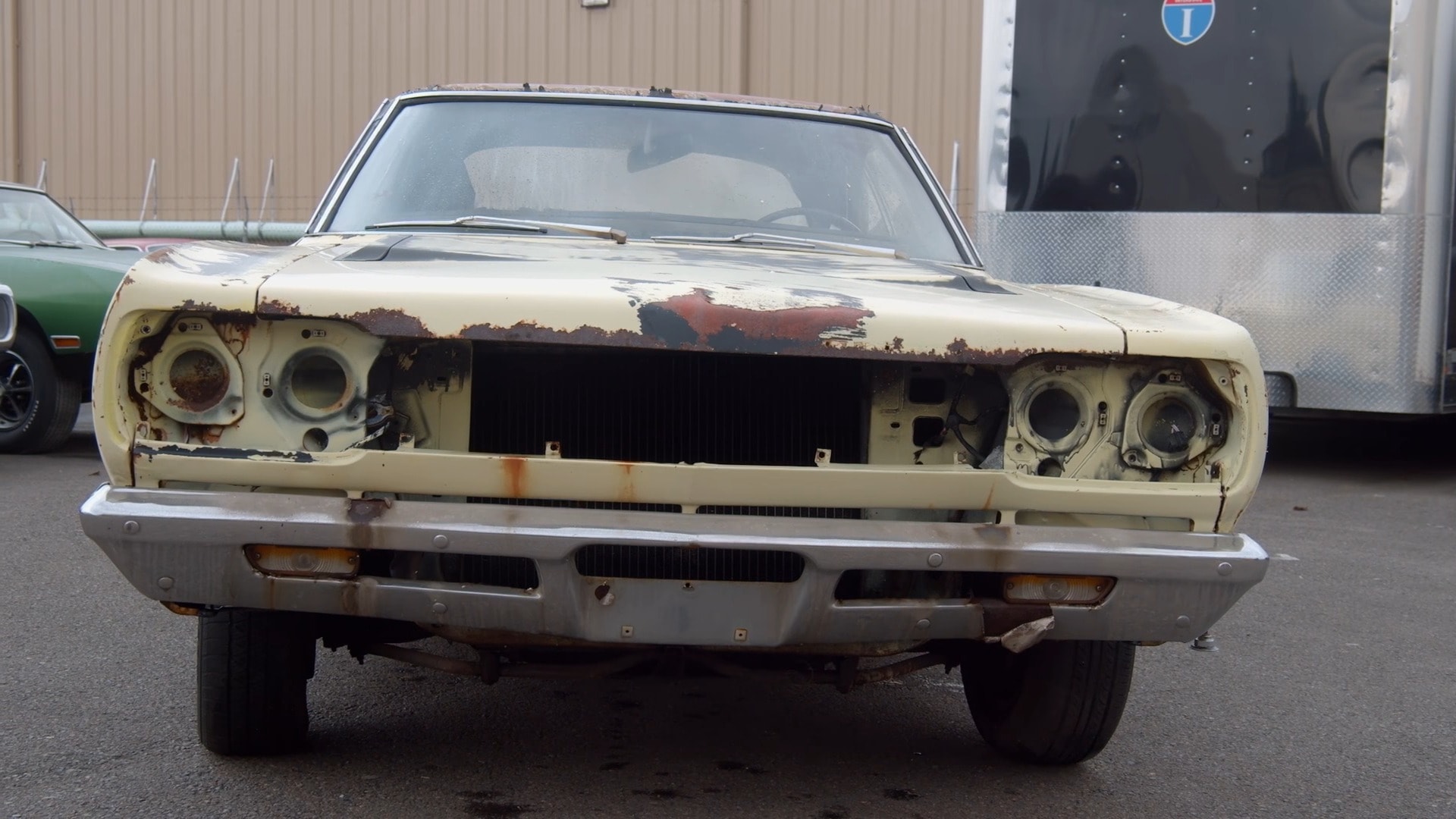
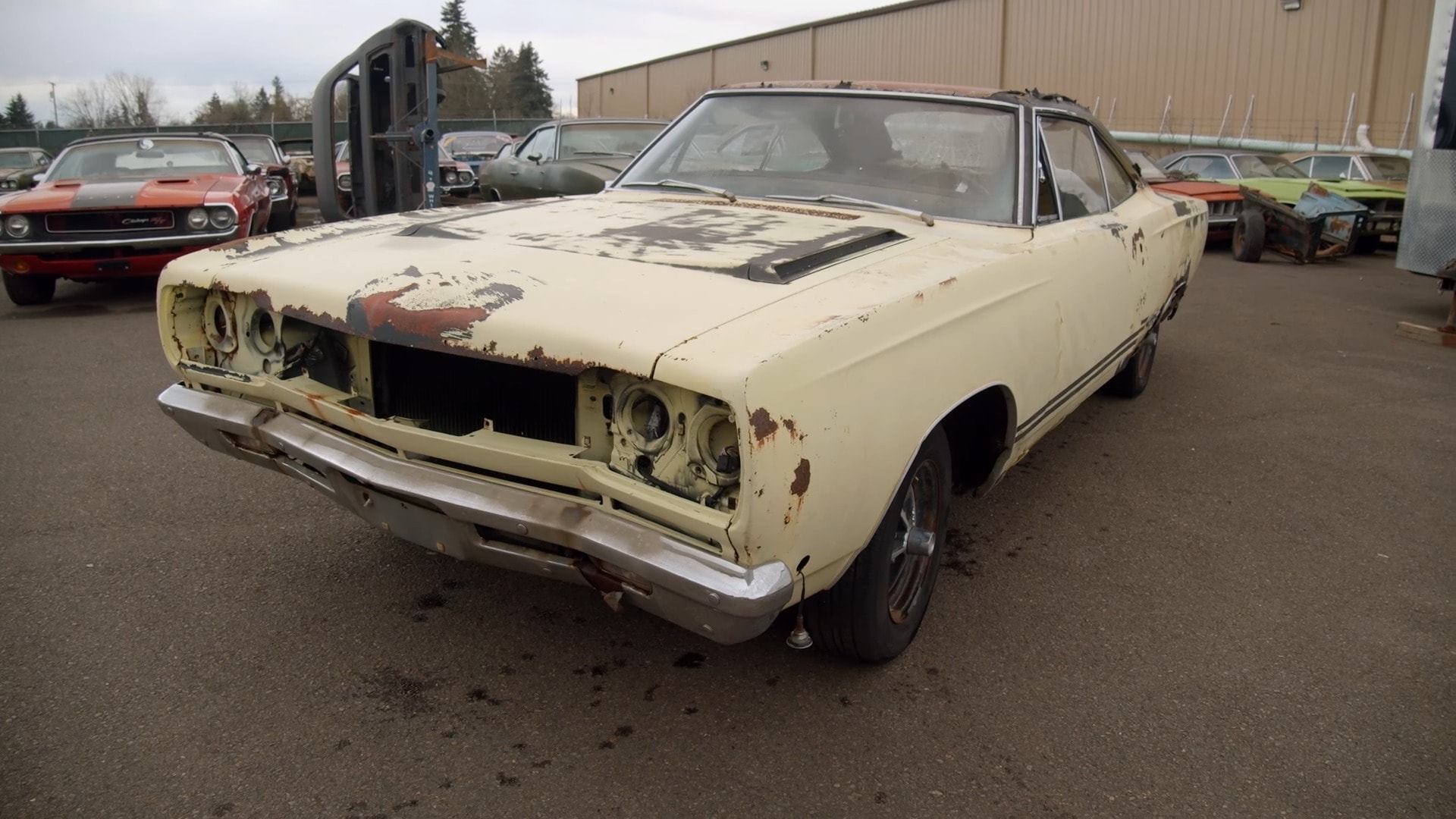
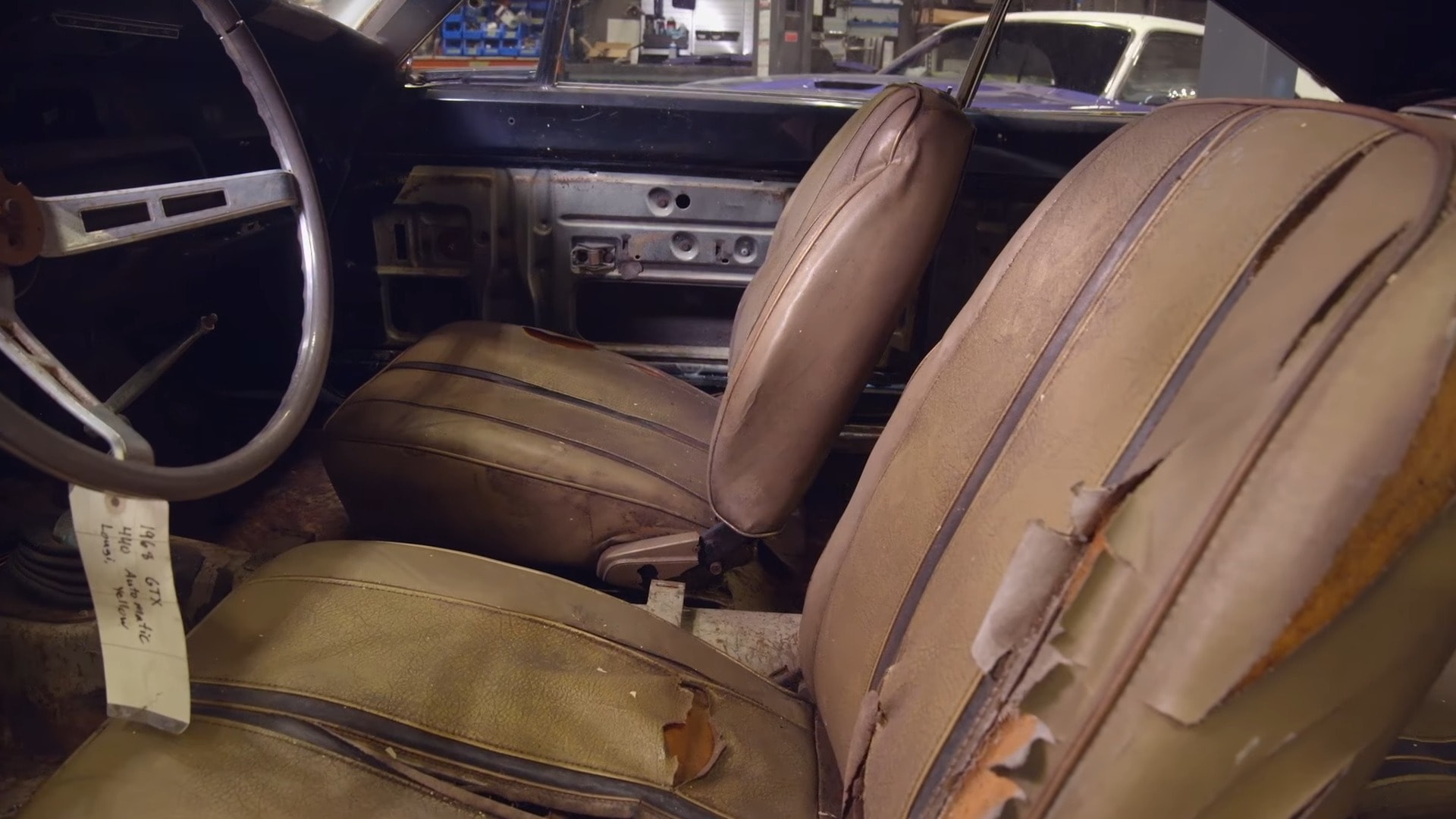
Now, this particular yellow ’68 GTX—a genuine one-owner survivor—has spent over half a century with its original keepers. They’ve finally entrusted it to the restoration experts at Graveyard Carz, and frankly, it needs every bit of their expertise. The interior shows its age—not destroyed, but definitely tired from five decades of use. Rust has taken its toll on the fenders, and I’d bet good money the undercarriage tells a similar story of time’s relentless march.
The engine and drivetrain condition remain mysteries—the walkaround footage keeps those details close to the vest, focusing instead on the battle scars and that fascinating original window sticker with its option list intact. Mileage? Unknown, but honestly, it doesn’t matter. This Mopar’s scars tell a story of a life well-lived, and now it’s begging for a proper rebirth.
This is what muscle car preservation is all about—taking a survivor that’s been genuinely loved and driven, not babied in some climate-controlled garage, and bringing it back to its former glory. The GTX may not have the Road Runner’s sales numbers or the Charger’s Hollywood fame, but it represents something equally important: American automotive excellence wrapped in understated sophistication.
In a world of clone cars and tribute builds, finding an original one-owner GTX is like discovering automotive gold. This yellow warrior deserves its second act, and watching it transform from battle-scarred survivor to restored legend is going to be one hell of a ride. Check out the restoration progress—this time capsule is about to roar again, and trust me, it’s going to be worth the wait.