The Sleeping Giant: Why 1947 Chrysler Royal Barn Finds Matter More Than You Think
In the world of classic car collecting, barn finds capture our imagination like few other discoveries. There’s something magical about uncovering a piece of automotive history that’s been quietly waiting decades for its second chance at glory. When that barn find happens to be a 1947 Chrysler Royal – one of America’s first truly post-war automobiles – the story becomes even more compelling.
The 1947 model year marked a pivotal moment in American automotive history. After years of wartime restrictions and limited civilian production, manufacturers could finally unleash their creativity and engineering prowess on an eager public. Chrysler would sell 1,267,470 of the new cars and trucks, the highest production in the corporation’s history, signaling America’s triumphant return to peacetime prosperity.
For modern collectors and enthusiasts, a 1947 Chrysler Royal represents more than just another classic car – it’s a tangible connection to the optimism and innovation that defined America’s greatest generation. Whether emerging from decades of barn storage or discovered in forgotten garages, these post-war classics offer restoration opportunities that combine historical significance with surprising affordability.






America’s Post-War Renaissance: Understanding the 1947 Chrysler Royal
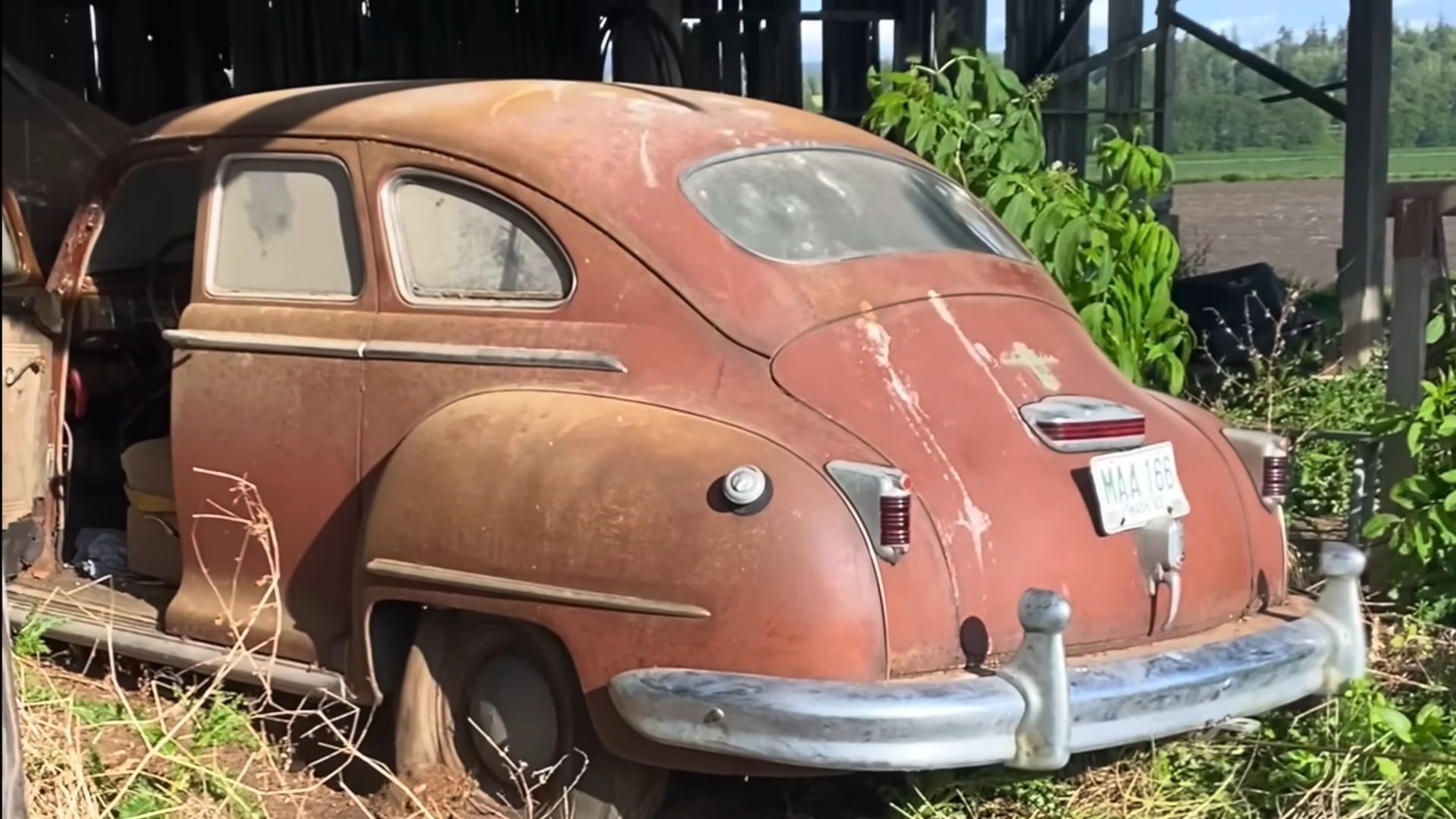
The 1947 Chrysler Royal emerged from a company transformed by wartime experience and hungry for civilian market success. As America’s entry-level Chrysler model, the Royal represented the company’s commitment to making quality automotive engineering accessible to middle-class buyers eager to upgrade from their pre-war transportation.
Design Philosophy: Bridging Pre-War and Modern
The 1947 Royal showcased Chrysler’s progressive design philosophy while maintaining the conservative elegance that defined the brand. Key design elements included:
Exterior Styling:
- Conservative elegance: Clean, understated lines that emphasized quality over flash
- Chrome accents: Tasteful brightwork that suggested luxury without ostentation
- Integrated fenders: More modern appearance than pre-war separate fender designs
- Distinctive grille: Horizontal bars with integrated parking lights
- Quality proportions: Well-balanced stance that conveyed substance and reliability
Interior Appointments:
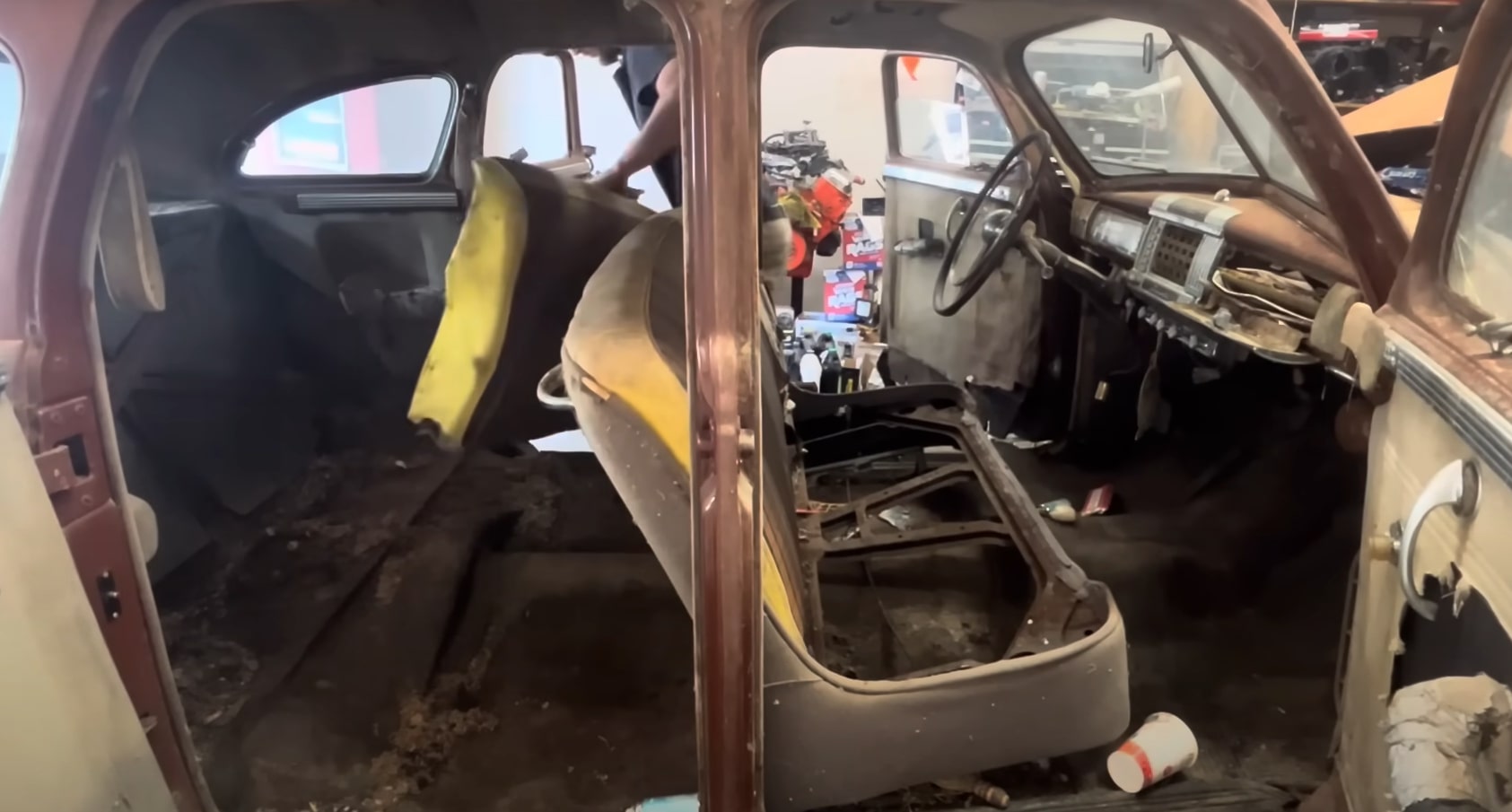
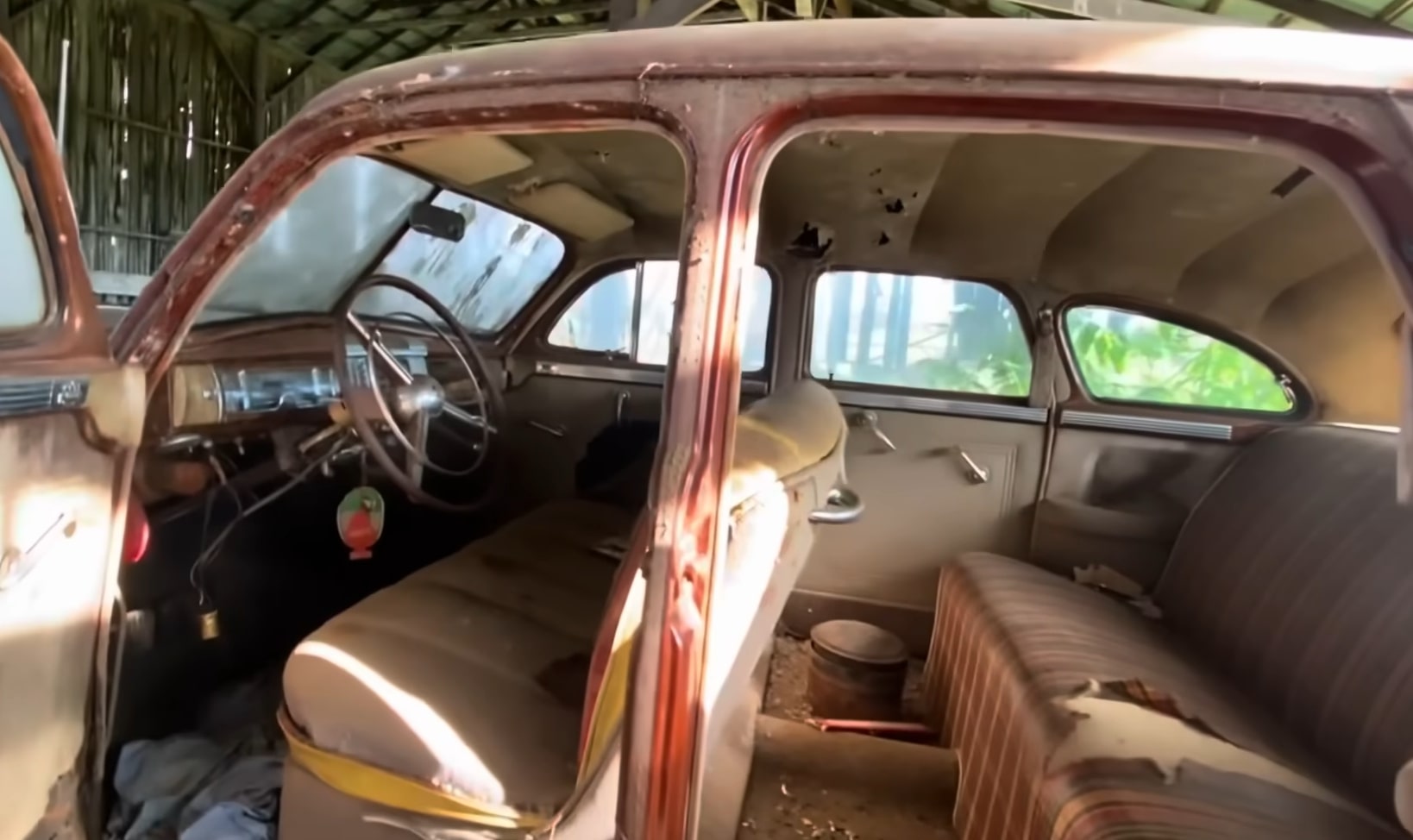
- Quality materials: Durable fabrics and trim pieces built to last
- Functional design: Controls and instruments positioned for ease of operation
- Spacious cabin: Room for six passengers in comfort
- Attention to detail: Fit and finish that reflected Chrysler’s engineering reputation
- Practical luxury: Features that enhanced comfort without unnecessary complexity
Market Positioning: Quality Without Premium Pricing
The Chrysler Royal was still the entry-level model, sharing its platform with the fancier Windsor, which offered the Highlander plaid interior option. This positioning strategy allowed Chrysler to offer genuine engineering quality at prices that competed directly with Ford and Chevrolet while maintaining the premium reputation that distinguished the brand.
The Royal’s success demonstrated that American buyers appreciated substantial engineering and quality construction, even in entry-level models. This philosophy would influence American automotive design for decades to come.
Under the Hood: The Heart of Post-War Engineering
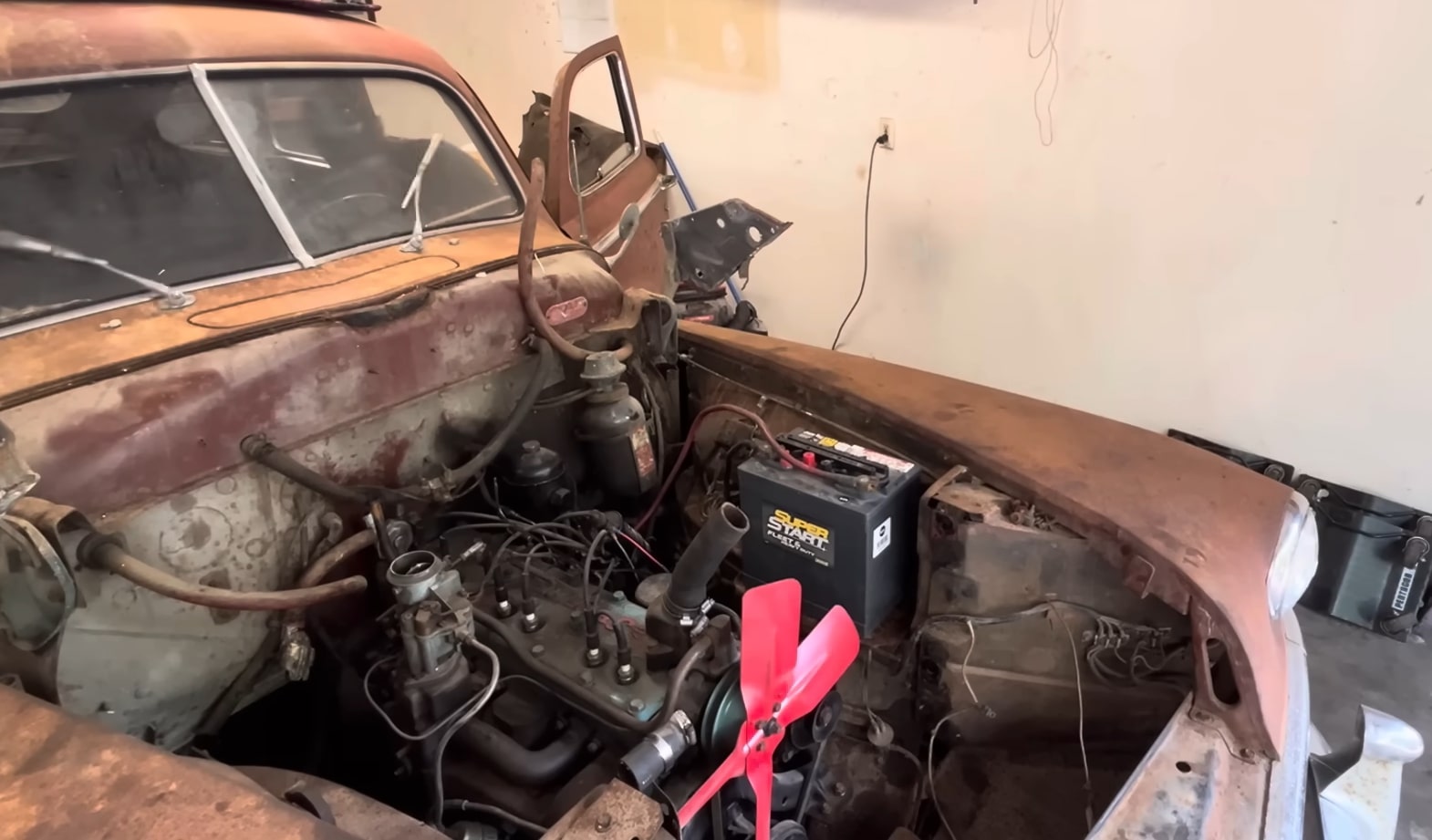
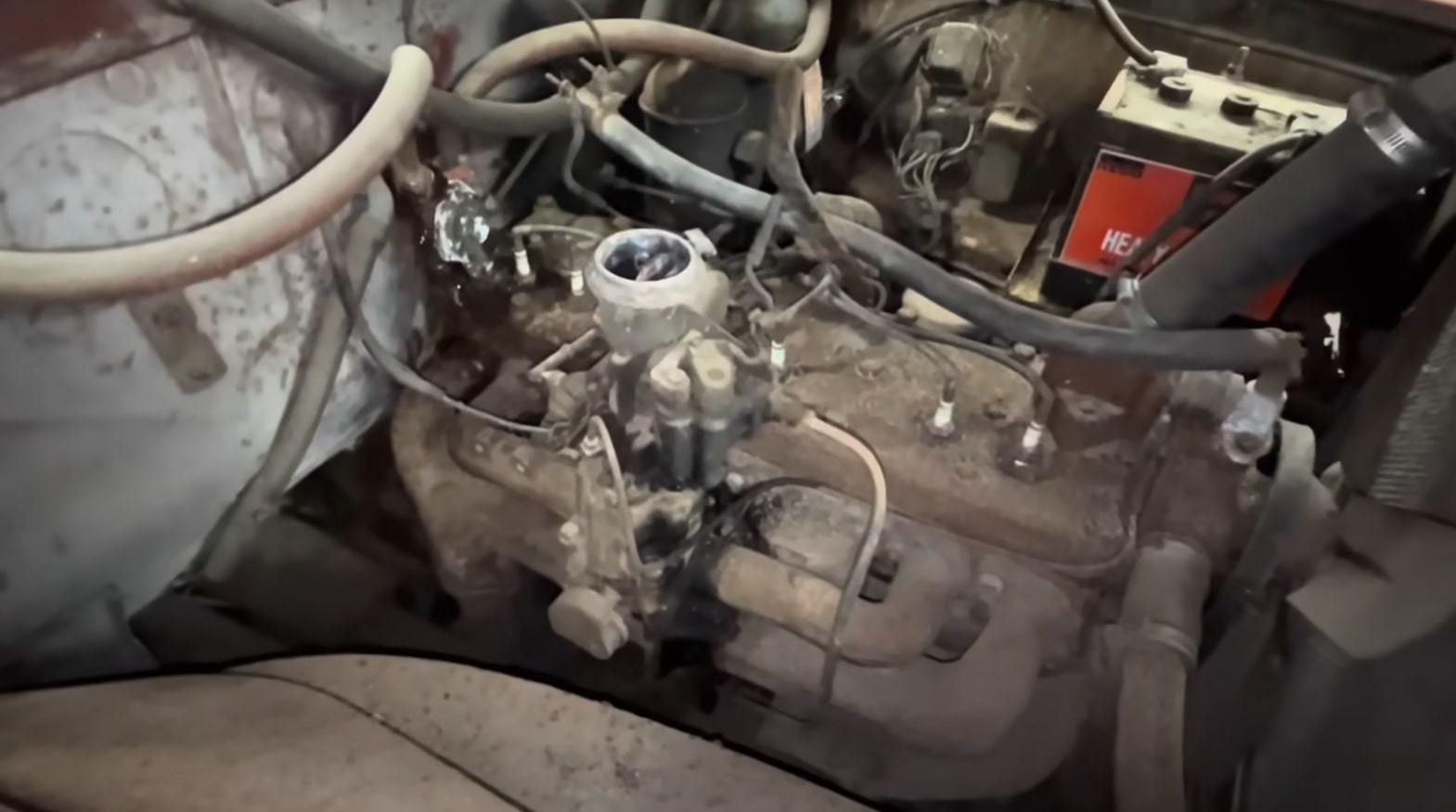
In 1947, the Royal came with a 251-cubic-inch (4.1-liter) straight-six rated at 114 horsepower. The mill was part of the side-valve flathead lineage that included both inline-four and inline-six powerplants. The 251-cubic-inch version debuted in 1942 and powered both Chrysler and DeSoto models.
The 251 Flathead Six: Proven Reliability
While 114 horsepower might seem modest by today’s standards, the 251 cubic inch flathead six represented mature, reliable technology that prioritized durability over peak performance. This engine philosophy reflected the needs of post-war buyers who valued dependability above all else.
Engine Characteristics:
- 251 cubic inches (4.1 liters): Substantial displacement for smooth, torquey operation
- Side-valve design: Simple, reliable architecture with easy maintenance
- 114 horsepower: Adequate power for family transportation and highway cruising
- Proven durability: Five years of development since 1942 introduction
- Multi-brand application: Used in both Chrysler and DeSoto models for economies of scale
Performance Capabilities:
- Smooth operation: Inline-six configuration provided excellent balance
- Low-end torque: Ideal for family hauling and relaxed highway driving
- Fuel economy: Reasonable consumption for its era
- Maintenance simplicity: Flathead design allowed easy servicing
- Parts availability: Shared components across multiple model lines
Transmission Options: Traditional and Progressive
The 1947 Royal offered buyers a choice between traditional manual transmission and Chrysler’s innovative semi-automatic option. For 1947 the Presto-Matic semi-automatic transmission was offered with the traditional three speed manual transmission.
Three-Speed Manual:
- Standard equipment: Basic but reliable transmission
- Column-mounted shifter: Period-appropriate control arrangement
- Synchronized gears: Smooth shifting operation
- Heavy-duty construction: Built to handle family car service
- Simple maintenance: Straightforward service requirements
Presto-Matic Semi-Automatic:
- Advanced technology: Cutting-edge transmission option for 1947
- Convenience operation: Reduced driver effort for stop-and-go driving
- Engineering showcase: Demonstrated Chrysler’s technical innovation
- Market differentiation: Premium feature that set Chrysler apart
- Future development: Foundation for later fully automatic transmissions
Barn Find Reality: What 44 Years of Storage Does to a Classic Car
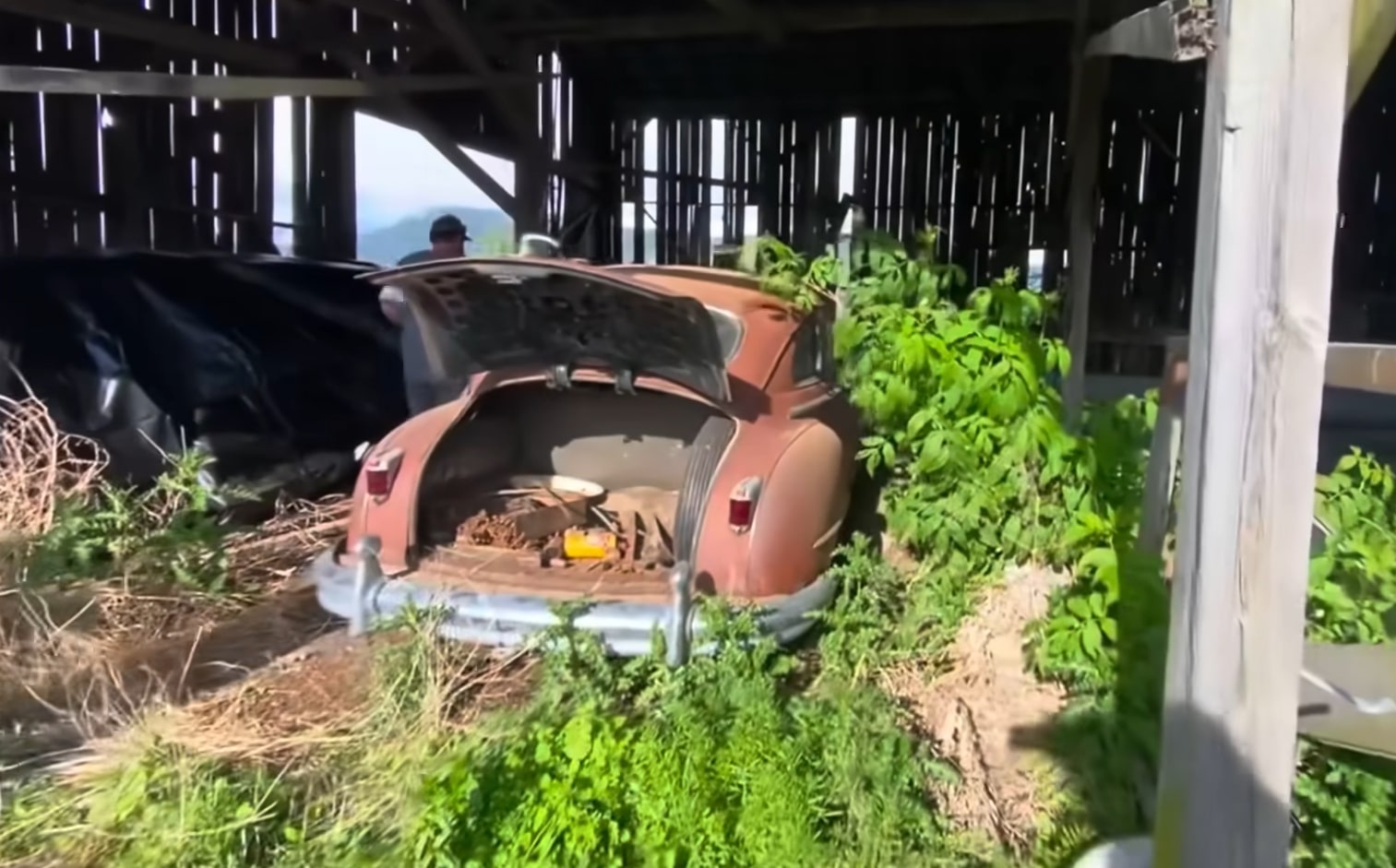
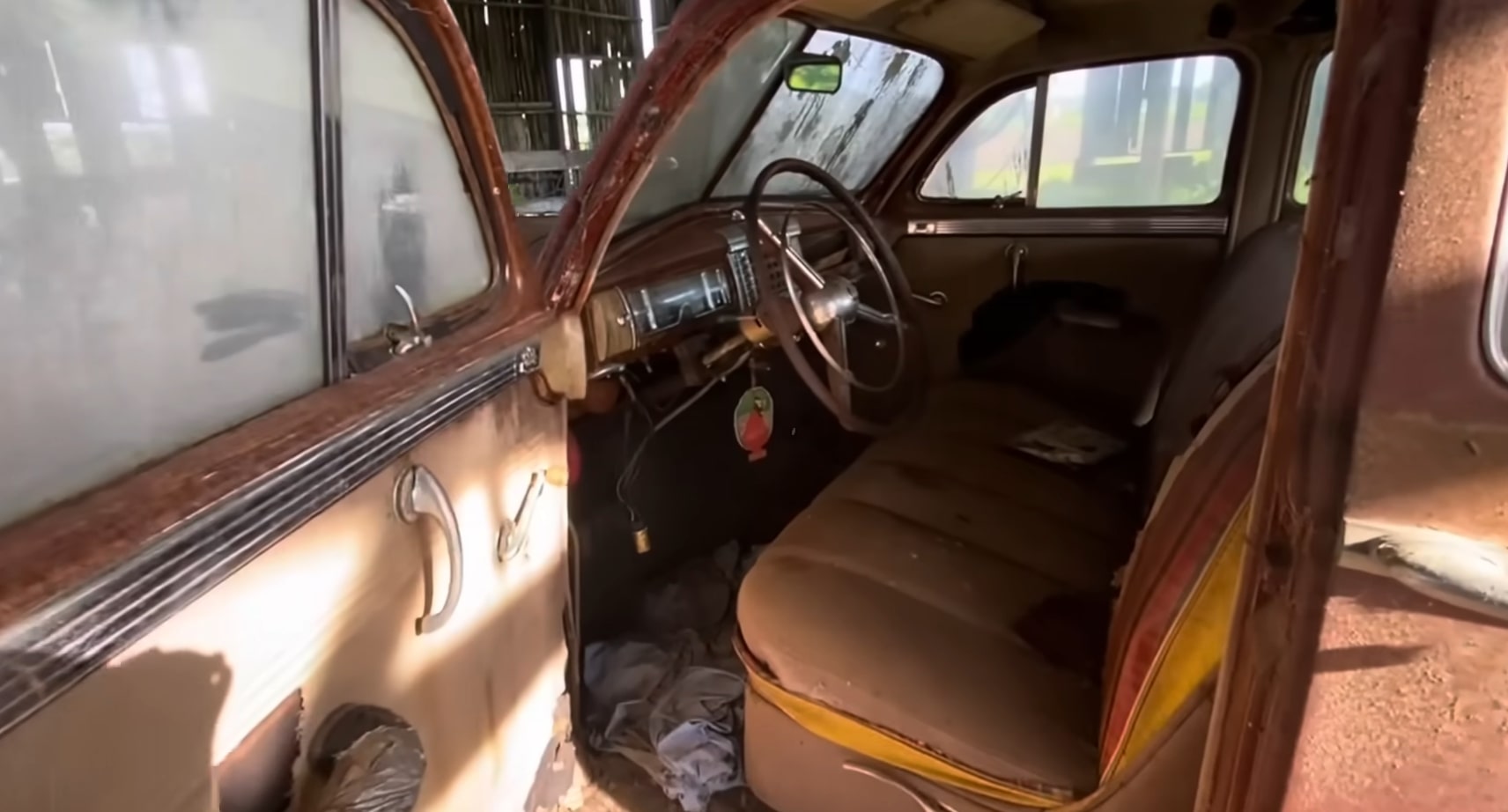
When a 1947 Chrysler Royal spends over four decades in barn storage, it experiences a unique combination of preservation and deterioration that creates both opportunities and challenges for potential restorers.
The Good News: What Barn Storage Preserves
Protected from Elements:
- Rust prevention: Indoor storage significantly reduces corrosion compared to outdoor exposure
- Original paint: Faded but potentially saveable factory finish
- Interior preservation: Fabric and trim often survive better than expected
- Mechanical protection: Engine and drivetrain components protected from weather
- Structural integrity: Frame and body panels avoid worst oxidation damage
Originality Advantages:
- Untouched condition: No previous restoration attempts or modifications
- Factory specifications: All components remain in original configuration
- Authenticity verification: Easy to confirm genuine parts and specifications
- Historical accuracy: Perfect baseline for period-correct restoration
- Documentation potential: Original paperwork often survives with car
The Challenges: Four Decades of Neglect
Mechanical Deterioration:
- Seized engines: Oil breakdown and internal corrosion common
- Fuel system contamination: Varnish and debris clog carburetors and lines
- Cooling system problems: Corrosion and blockages throughout system
- Brake system failure: Rubber components and fluid require complete replacement
- Electrical issues: Wiring insulation and connections deteriorate over time
Cosmetic Concerns:
- Interior degradation: Fabric rot, foam deterioration, and trim oxidation
- Paint oxidation: Surface preparation required even for “solid” paint
- Chrome pitting: Brightwork shows age despite indoor storage
- Glass condition: Seals fail and moisture causes etching
- Rubber replacement: All weatherstripping and gaskets need renewal
Market Values: Understanding 1947 Chrysler Royal Investment Potential
The classic car market for 1947 Chrysler Royals reflects both the car’s historical significance and its position as an entry-level classic that remains accessible to enthusiasts with modest budgets.
Current Market Analysis
Values range widely based on condition but expect figures anywhere from $10,000 for a project car to upwards of $50,000 or more for a show-quality example. Price trends suggest appreciation over time as enthusiasts seek out these post-war gems, recognizing their place in automotive history.
Value Ranges by Condition:
- Project cars: $3,000-$10,000 for incomplete or rough examples
- Driver quality: $15,000-$25,000 for presentable, roadworthy cars
- Excellent condition: $30,000-$50,000 for properly restored examples
- Show quality: $50,000+ for concours-level restorations
- Special models: Town & Country wagons command significant premiums
Factors Affecting Value
Positive Influences:
- Original condition: Unrestored survivors with patina increasingly valuable
- Complete cars: All major components present significantly increases worth
- Documentation: Build sheets, owner’s manuals, and service records add value
- Rare options: Special equipment like Presto-Matic transmission
- Body style: Convertibles and wagons worth more than sedans
Value Detractors:
- Rust damage: Structural corrosion expensive to repair properly
- Missing components: Engines, transmissions, and unique trim pieces costly
- Poor modifications: Non-reversible changes reduce collector appeal
- Accident damage: Frame straightening rarely returns original strength
- Incomplete projects: Half-finished restorations often cost more than originals
Investment Outlook
According to classic.com, three examples in excellent condition went under the hammer for over $50,000. The most expensive of them crossed the block for a whopping $148,500. This pricing data suggests that exceptional 1947 Royals – particularly rare models like Town & Country wagons – have significant appreciation potential.
The 1947 Chrysler Royal benefits from several positive market trends:
- Post-war significance: Growing recognition of 1947’s historical importance
- Affordability: Entry-level pricing compared to mainstream muscle cars
- Quality engineering: Chrysler’s reputation for durability appeals to collectors
- Restoration feasibility: Parts availability and straightforward mechanicals
- Generational appeal: Baby boomers remember these cars from childhood
Restoration Considerations: Bringing a Barn Find Back to Life
Restoring a 1947 Chrysler Royal barn find requires careful evaluation, realistic budgeting, and appreciation for the car’s historical significance. Success depends on understanding both the opportunities and challenges these sleeping classics present.
Pre-Purchase Evaluation
Structural Assessment:
- Frame inspection: Check for rust, damage, and structural integrity
- Body condition: Evaluate rust patterns and assess repair feasibility
- Engine evaluation: Determine if powerplant is rebuildable or requires replacement
- Interior condition: Catalog salvageable components and identify needed reproductions
- Completeness check: Document missing parts and research availability
Documentation Verification:
- Title status: Ensure clear ownership and legal transferability
- VIN verification: Confirm authenticity and original specifications
- Build documentation: Locate any surviving factory paperwork
- Service history: Research maintenance records and previous ownership
- Parts authentication: Verify originality of major components
Restoration Strategy Options
Preservation Approach:
- Minimal intervention: Clean, service, and preserve existing finish
- Mechanical refresh: Focus on making car roadworthy while maintaining patina
- Cost effective: Lower investment with authentic character preservation
- Historical accuracy: Maintains original appearance and materials
- Market appeal: Increasing collector preference for preserved originals
Full Restoration:
- Complete teardown: Strip car to bare metal and rebuild everything
- Concours quality: Show-level finish and attention to detail
- Significant investment: $30,000-$60,000+ for professional restoration
- Modern reliability: Updated systems for regular driving
- Trophy potential: Capable of winning at classic car shows
Sympathetic Restoration:
- Selective renewal: Replace worn components while preserving good original parts
- Driver focus: Prioritize reliability and enjoyment over show quality
- Balanced approach: Reasonable investment with excellent results
- Practical classic: Daily driveable while maintaining classic character
- Best of both worlds: Combines authenticity with modern usability
Parts Availability and Restoration Resources
The 1947 Chrysler Royal benefits from reasonable parts availability, though some components require careful sourcing or professional restoration services.
Available Components
Mechanical Parts:
- Engine rebuild kits: Complete overhaul packages available
- Brake systems: Master cylinders, wheel cylinders, and shoes reproduced
- Suspension components: Bushings, springs, and shock absorbers
- Electrical systems: Generators, starters, and basic wiring harnesses
- Exhaust systems: Complete systems from headers to tailpipes
Body and Trim:
- Weatherstripping: Door seals, window channels, and gaskets
- Interior components: Seat covers, door panels, and headliners
- Chrome restoration: Professional services for bumpers and trim
- Glass replacement: Windshields and door glass available
- Paint products: Period-correct colors and finishes
Challenging Components
Unique Parts:
- Trim pieces: Royal-specific emblems and badges
- Interior hardware: Door handles, window cranks, and knobs
- Transmission parts: Presto-Matic components particularly scarce
- Body panels: Fenders and quarter panels require careful sourcing
- Convertible top mechanisms: Complex systems expensive to restore
The Collector’s Perspective: Why the 1947 Chrysler Royal Matters
The 1947 Chrysler Royal occupies a unique position in automotive history as one of America’s first genuine post-war automobiles. For collectors seeking alternatives to overpriced muscle cars and mainstream classics, the Royal offers historical significance, engineering quality, and surprising affordability.
Historical Significance
- Post-war milestone: Represents America’s return to civilian production
- Engineering advancement: Showcases Chrysler’s technical innovation
- Cultural importance: Symbol of post-war optimism and prosperity
- Design evolution: Bridge between pre-war and modern automotive styling
- Manufacturing achievement: Part of Chrysler’s record production year
Collector Appeal
Entry-Level Accessibility:
- Affordable pricing: Lower cost than mainstream muscle cars
- Quality engineering: Chrysler’s reputation for durability and innovation
- Restoration feasibility: Reasonable parts availability and straightforward mechanicals
- Driving experience: Comfortable, reliable transportation with classic character
- Community support: Active Chrysler collector clubs and resources
Investment Potential:
- Growing recognition: Increasing awareness of post-war significance
- Limited competition: Less collector attention than mainstream classics
- Appreciation trends: Values rising as enthusiasts discover quality
- Restoration rewards: Well-executed projects appreciate significantly
- Historical importance: 1947’s pivotal role in automotive history
Finding Your 1947 Chrysler Royal Barn Find
Discovering a genuine 1947 Chrysler Royal barn find requires patience, persistence, and networking within the classic car community. These cars often surface through estate sales, word-of-mouth referrals, and specialized classic car networks.
Where to Search
Traditional Sources:
- Estate sales: Families liquidating deceased collectors’ assets
- Classified advertising: Hemmings, AutoTrader Classics, and regional publications
- Auction houses: Mecum, Barrett-Jackson, and regional auction companies
- Classic car shows: Networking with other Chrysler enthusiasts
- Online forums: Chrysler-specific discussion groups and social media
Unconventional Opportunities:
- Rural exploration: Direct contact with property owners in farming communities
- Mechanic connections: Cars abandoned at repair facilities
- Insurance claims: Vehicles damaged but potentially salvageable
- Barn find specialists: Professional searchers who locate forgotten classics
- Social media: Facebook groups focused on barn finds and classic Chryslers
Evaluation Checklist
Authentication:
- VIN verification: Confirm genuine Chrysler Royal identity
- Engine matching: Verify original powerplant authenticity
- Body style: Ensure claimed configuration matches documentation
- Options verification: Confirm rare equipment like Presto-Matic transmission
- Documentation: Locate any surviving factory or ownership records
Condition Assessment:
- Structural integrity: Professional evaluation of frame and body
- Mechanical condition: Engine, transmission, and differential inspection
- Interior state: Cataloging of salvageable and missing components
- Trim completeness: Documentation of chrome, emblems, and hardware
- Overall completeness: Comprehensive inventory of present and missing parts
The Bottom Line: Preserving America’s Post-War Heritage
Every 1947 Chrysler Royal barn find represents a piece of American automotive history that deserves preservation. These cars embody the optimism, innovation, and quality that defined America’s greatest generation as they rebuilt their lives and country after World War II.
The decision to rescue and restore a 1947 Royal shouldn’t be taken lightly. It requires significant investment, considerable expertise, and genuine appreciation for the car’s historical significance. However, for those who understand the Royal’s place in automotive history and possess the resources to complete a proper restoration, few projects offer greater satisfaction.
Whether discovered after 44 years of barn storage or found in a forgotten garage, each 1947 Chrysler Royal tells a story of American resilience, innovation, and hope. These aren’t just old cars – they’re tangible connections to the moment when America emerged from its greatest challenge stronger, more confident, and ready to build the future.
The 1947 Chrysler Royal may not have the flashy reputation of muscle cars or the exotic appeal of European classics, but it possesses something perhaps more valuable – authenticity. In an automotive world increasingly dominated by image over substance, the Royal reminds us that true quality never goes out of style.
For collectors seeking alternatives to overpriced mainstream classics, the 1947 Chrysler Royal offers historical significance, engineering integrity, and investment potential wrapped in understated elegance. The question isn’t whether these post-war gems deserve preservation – it’s whether you’re ready to be part of keeping America’s automotive heritage alive.