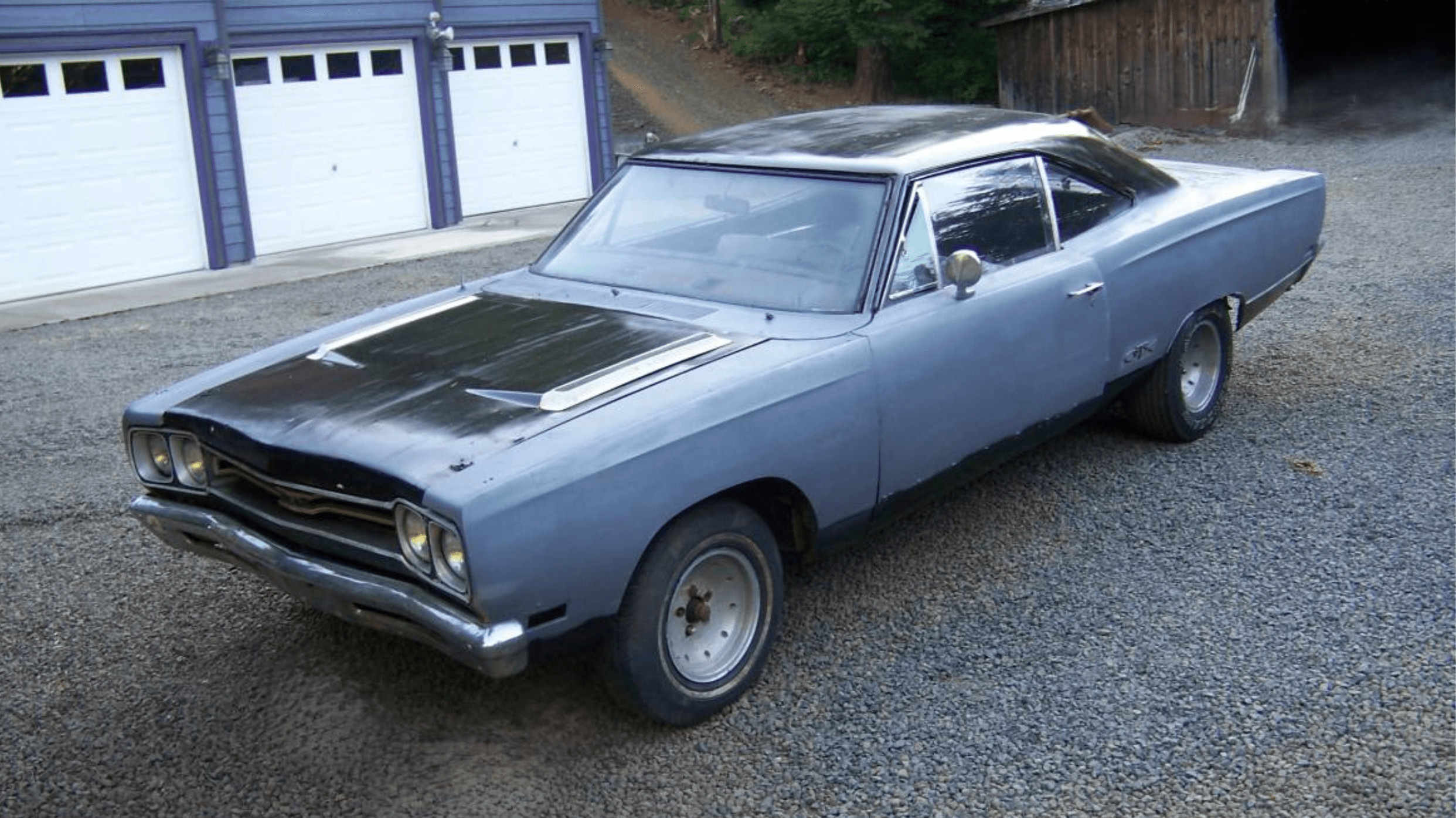
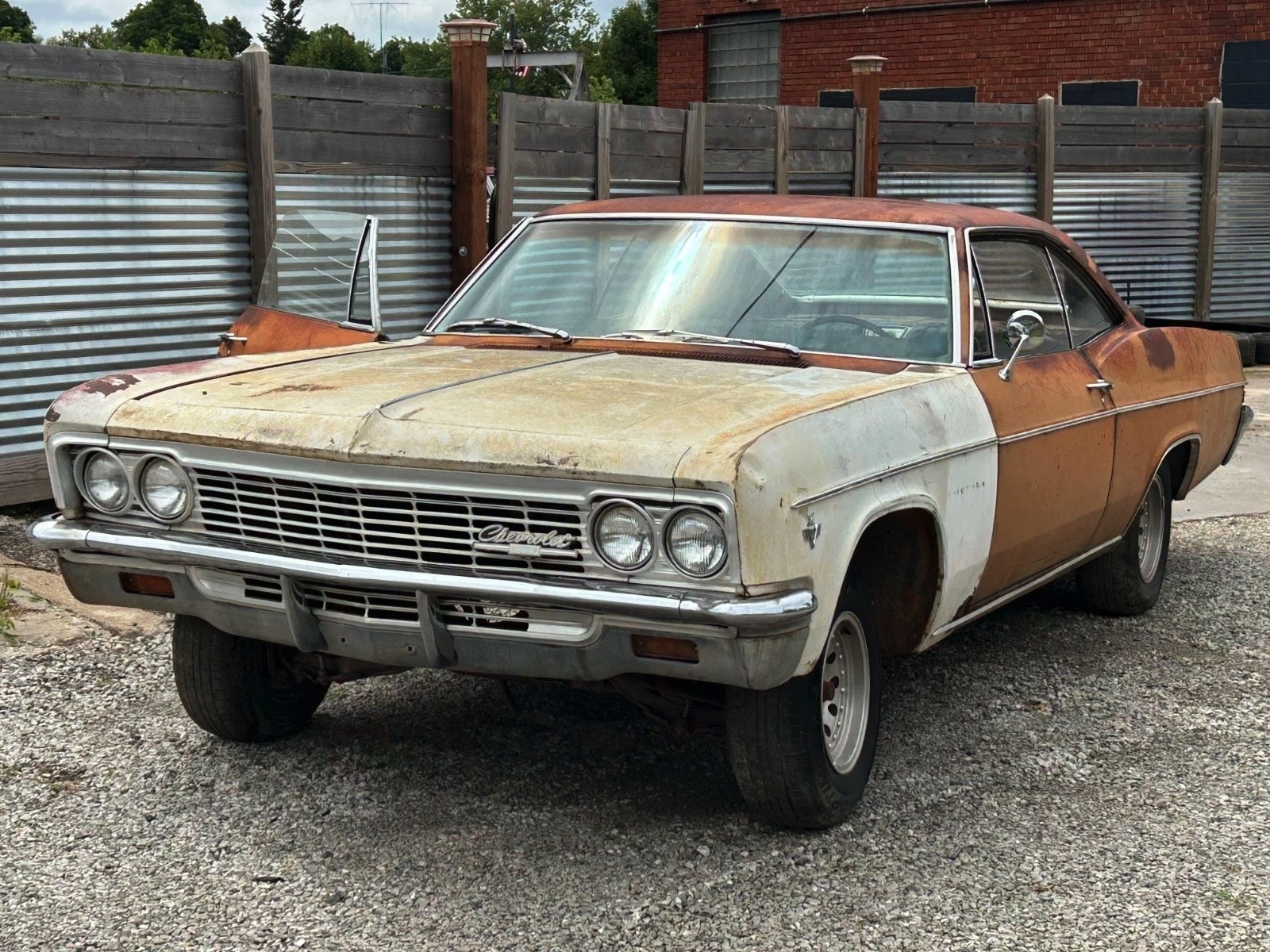
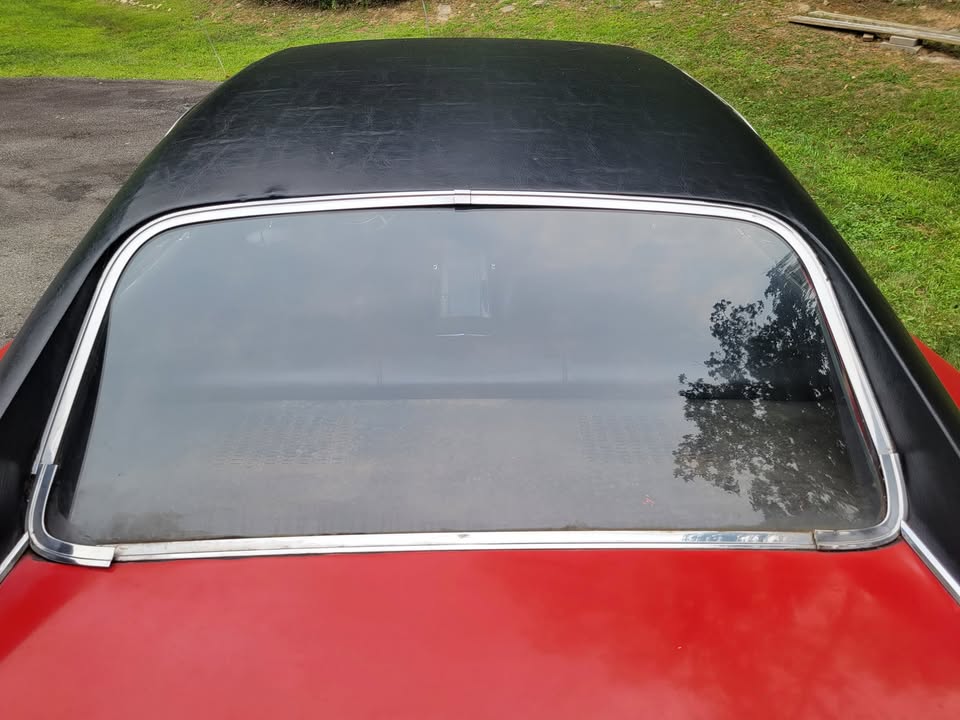
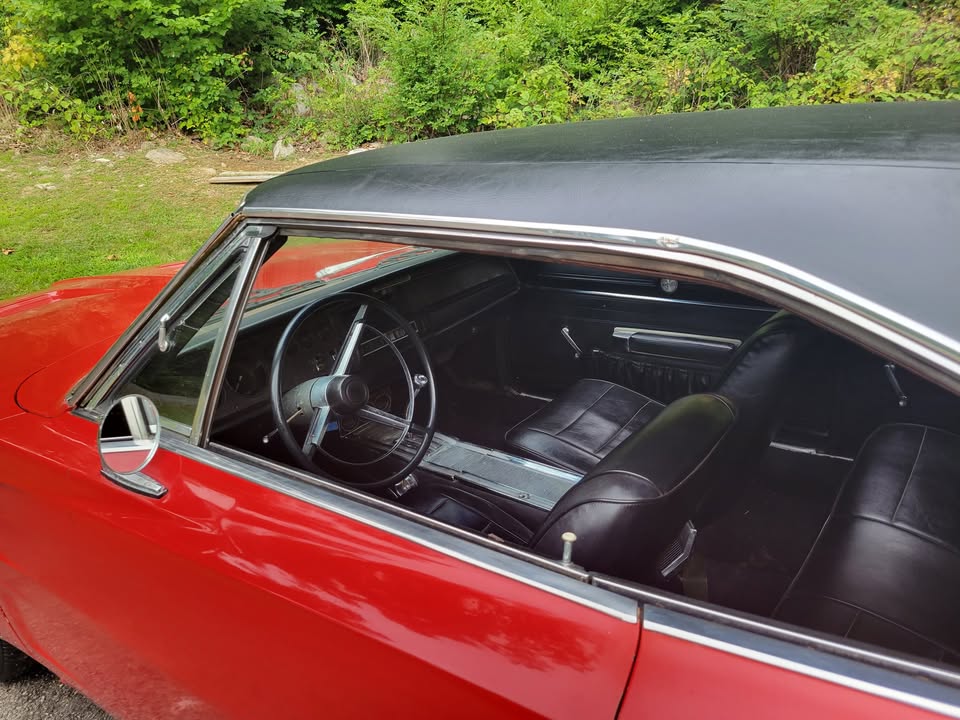
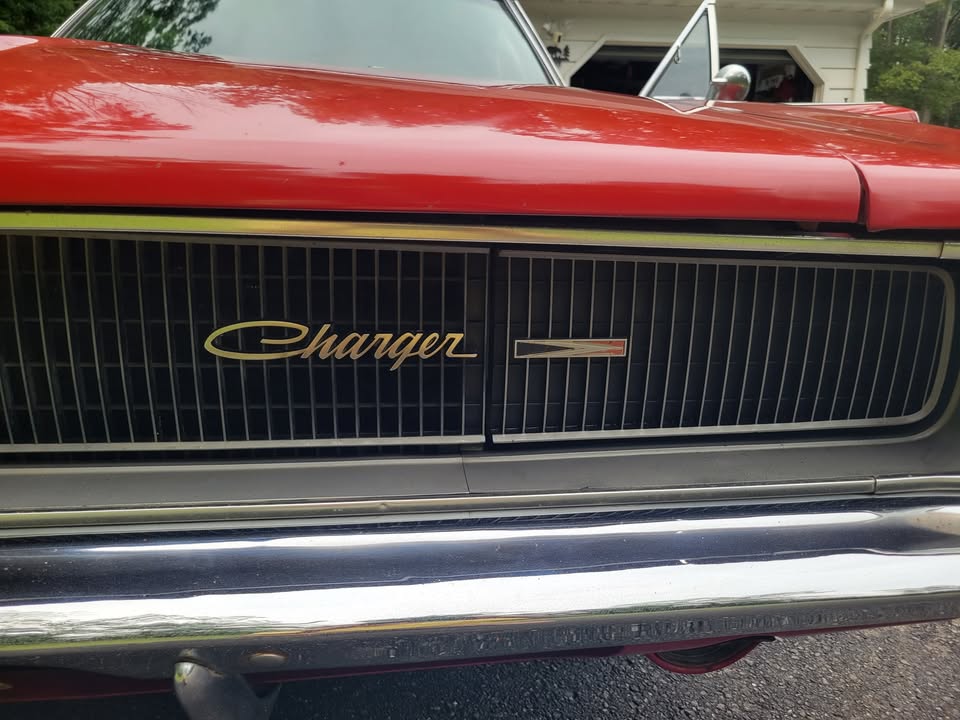
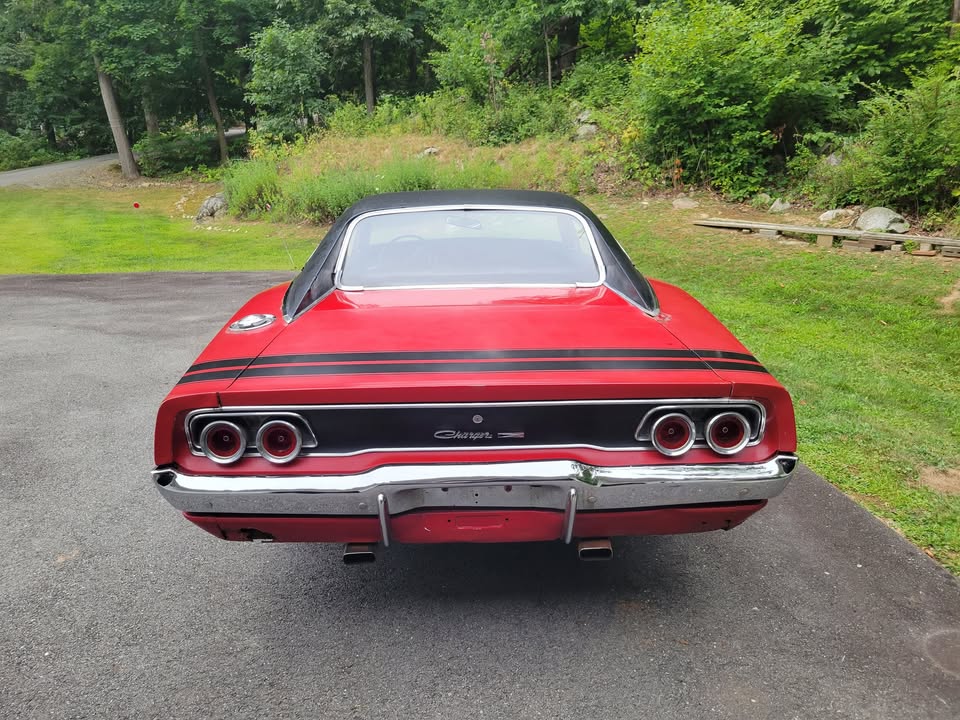
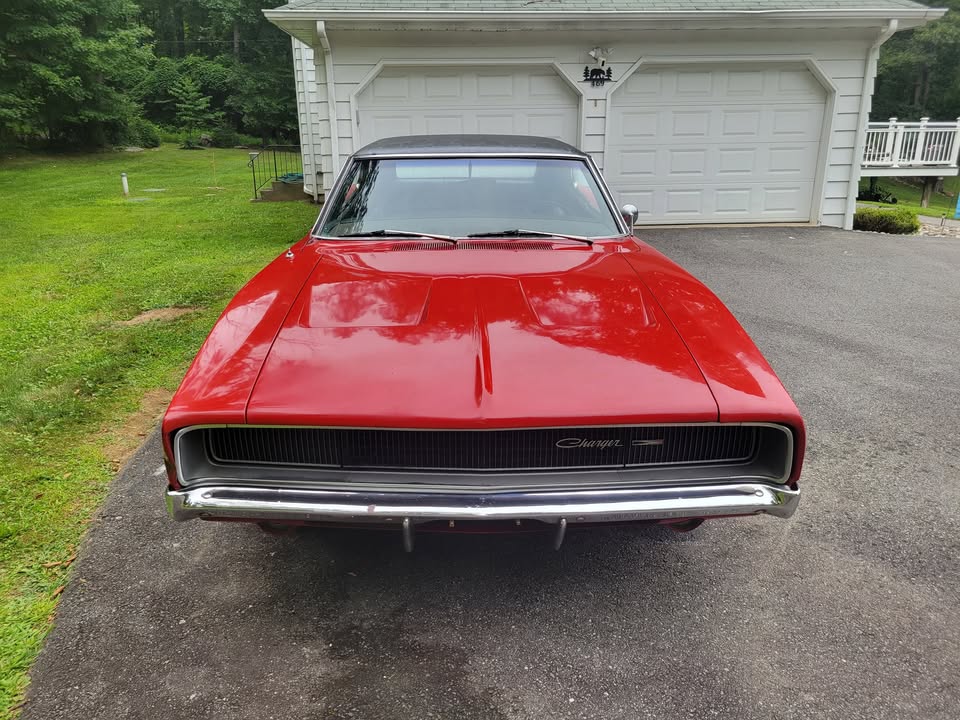
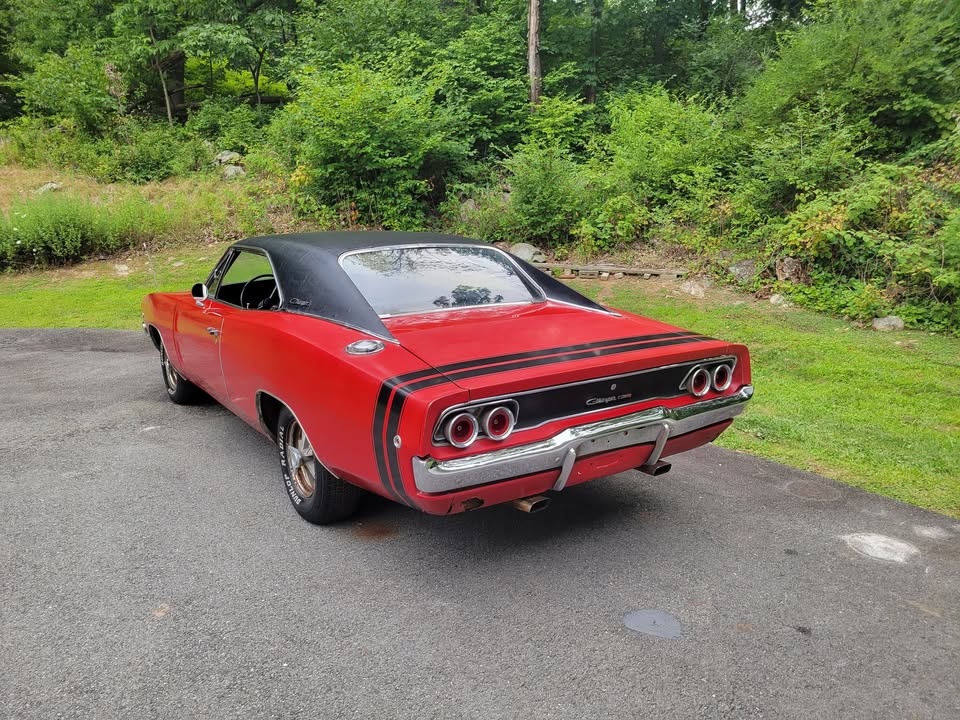
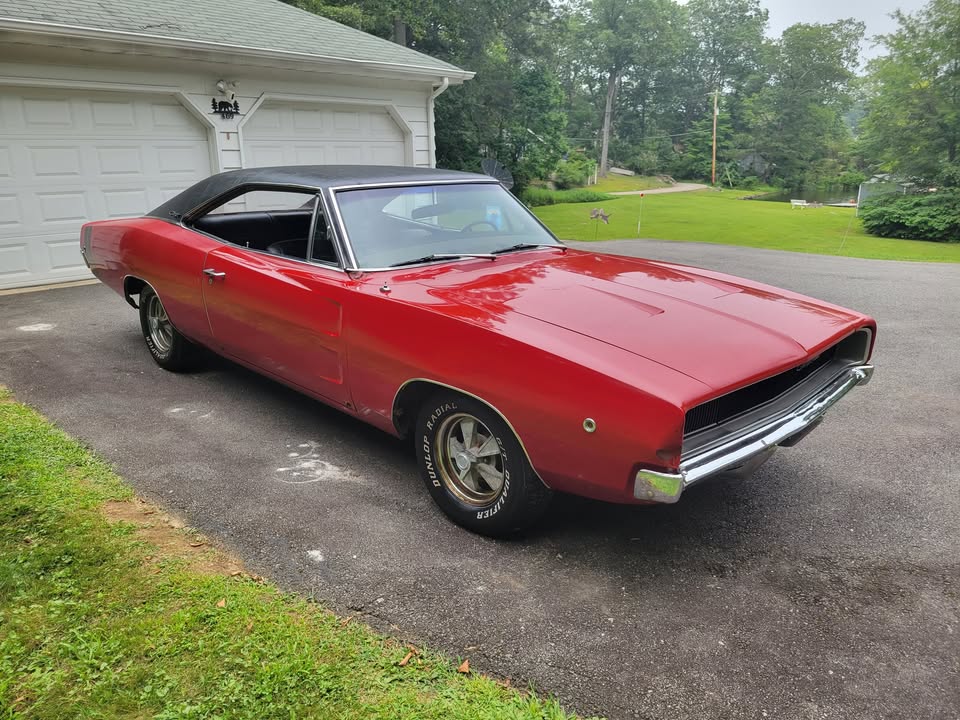
The muscle car community has been buzzing about another incredible barn find, and this time it’s a legitimate showstopper. A 1968 Dodge Charger equipped with the legendary 383 big-block V8 has emerged from 25 years of garage storage, presenting collectors with an opportunity to own a piece of Mopar’s golden age. With 330 hp from its 383 V8, this 1968 Dodge Charger project car was once Mopar’s sales backbone; this example is up for grabs for $39,000.



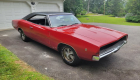
1968: The Year That Defined the Charger Legacy
The second-generation Dodge Charger, introduced in 1968, represented a complete transformation from its fastback predecessor. With its distinctive “Coke bottle” styling, hidden headlights, and aggressive stance, the ’68 Charger became an instant icon that would influence automotive design for decades. More importantly for performance enthusiasts, 1968 marked the year when Dodge truly committed to making the Charger a serious muscle car contender.
Base engine was the mild-mannered 230 bhp two-barrel 318 cid V-8. Optional engines included two-barrel 290 bhp 383, four-barrel 383 with 300 bhp, 440 cid Magnum V-8 with 375 bhp, and the 426 cid Street Hemi with 425 bhp. The Hemi attracted only 475 buyers, 211 of whom ordered the 4-speed gearbox.
The 383 Big-Block: Mopar’s Sweet Spot Engine
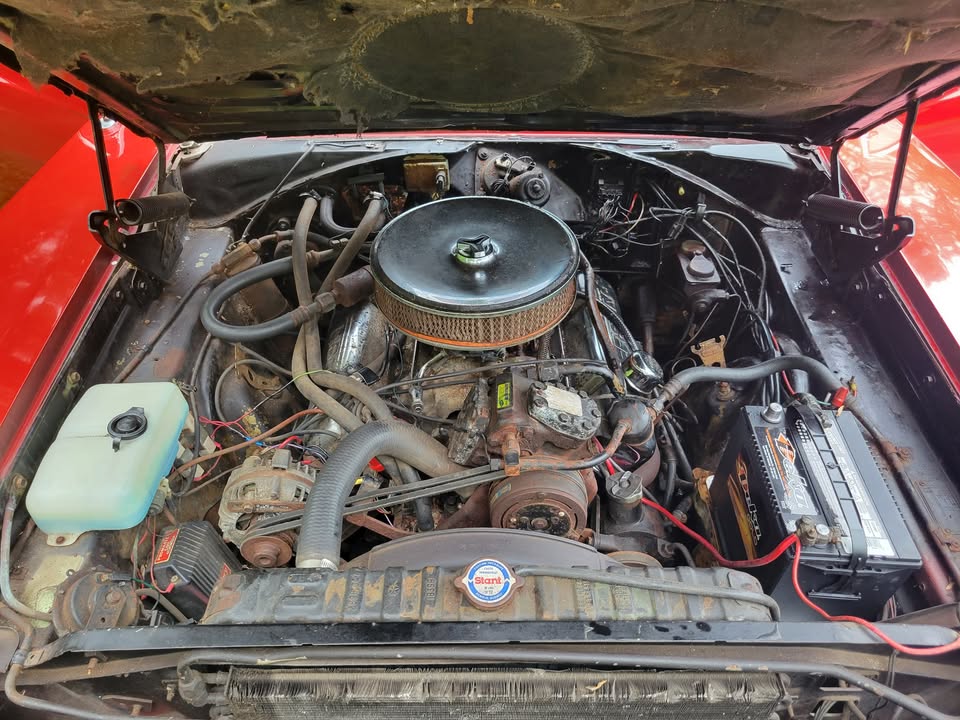
This particular Charger’s heart is the 383 cubic inch V8, an engine that represented the perfect balance of performance and affordability in Dodge’s 1968 lineup. Common across all three years is a 383-cu-in V-8, which in ’68 generated either 290 horses and 390 lb-ft of torque in two-barrel form, or 330/425 with a four-barrel installed at the factory.
The 383 four-barrel configuration found in this garage-stored Charger delivered impressive specifications for its era:
- Displacement: 383 cubic inches (6.3 liters)
- Power Output: 330 horsepower (SAE gross)
- Torque: 425 lb-ft
- Compression Ratio: 9.2:1
- Carburetion: Single four-barrel Holley or Carter AFB
This engine represented the backbone of Dodge’s muscle car lineup, offering serious performance at a price point that didn’t require mortgage-level financing like the legendary 426 Hemi.
Rarity Factor: Understanding 1968 Charger Production
What makes this find particularly significant extends beyond its excellent preservation. The 1968 model year produced interesting production anomalies that today’s collectors find fascinating. When 1968 dawned, Dodge did not offer a six-cylinder option in its Charger range. They chose to introduce the 225ci slant-six around the middle of the year as a no-cost option for those buyers who didn’t want the base 318ci V8, and it ranks as one of the rarest engine configurations to be found.
While this particular car features the more desirable 383 big-block, the production story reveals Dodge’s commitment to offering performance options across the entire Charger lineup. Dodge sold nearly 100,000 Chargers in 1968, but only 475 got the 426 HEMI V8 engine.
The 25-Year Storage Story: Preservation vs. Project Status
Long-term storage can be both a blessing and a curse for classic muscle cars. While extended garage time protects vehicles from weather damage and daily wear, it also presents unique challenges that potential buyers must carefully consider. This Charger’s quarter-century hibernation likely preserved many original components while potentially creating maintenance issues common to long-dormant vehicles.
Typical concerns with extended storage include:
Mechanical Systems:
- Fuel system deterioration and tank contamination
- Brake system corrosion and fluid breakdown
- Cooling system component failure
- Electrical system degradation
Cosmetic Issues:
- Interior material deterioration from temperature cycling
- Rubber seal failure and hardening
- Paint oxidation despite garage protection
- Chrome pitting from humidity exposure
Market Analysis: $39,000 in Today’s Context
The $39,000 asking price positions this Charger in competitive territory within the current classic car market. Recent sales data provides context for this pricing strategy:
For $32,000, the new owner will get the chance to work on a replacement V8 that sits in front of the rarely-ordered four-speed manual transmission – this example from April 2024 shows similar pricing for comparable project cars.
Market factors supporting this price point include:
Positive Elements:
- Authentic 383 big-block configuration
- Extended garage storage preservation
- 1968 model year desirability
- Complete car with rare options
Challenging Factors:
- Extended storage-related maintenance needs
- Project car status requiring restoration investment
- Competition from restored examples at higher price points
The Rare Option Mystery: What Makes This Special
The reference to a “rare option” in the original listing adds intrigue to this already compelling find. 1968 Chargers offered numerous factory options that today’s collectors prize:
Desirable 1968 Charger Options:
- Four-speed manual transmission (especially with big-blocks)
- Heavy-duty suspension packages
- Limited-slip differential configurations
- Special paint colors and stripe packages
- Interior upgrade packages
- Performance axle ratios
Without specific details about this car’s particular rare option, buyers should conduct thorough research to understand exactly what makes this Charger special beyond its 383 big-block configuration.
Investment Perspective: Restoration vs. Preservation
This garage-found Charger presents buyers with strategic decisions about restoration approach:
Full Restoration Path:
- Complete mechanical rebuild: $15,000-25,000
- Body and paint work: $12,000-20,000
- Interior restoration: $5,000-10,000
- Chrome and trim: $3,000-6,000
- Total Investment: $74,000-100,000+
Preservation Strategy:
- Mechanical recommissioning: $5,000-10,000
- Cosmetic preservation work: $3,000-7,000
- Selective component replacement: $2,000-5,000
- Total Investment: $49,000-61,000
Comparable Market Performance
Understanding where this Charger fits in the current market requires examining recent sales data:
- Restored 1968 Charger 383 examples: $45,000-75,000
- Concours-quality restorations: $80,000-120,000+
- Project cars (running): $25,000-40,000
- Project cars (non-running): $15,000-30,000
This $39,000 asking price assumes the car runs and drives, positioning it at the premium end of the project car market while remaining significantly below restored example pricing.
Due Diligence Checklist for Serious Buyers
Potential purchasers should prioritize comprehensive evaluation:
- Mechanical Assessment
- Engine compression test and leak-down analysis
- Transmission and differential inspection
- Brake system safety evaluation
- Electrical system functionality check
- Structural Integrity
- Floor pan and frame rail inspection
- Body mount and suspension point evaluation
- Rust penetration assessment
- Accident damage investigation
- Documentation Verification
- Original broadcast sheet location
- VIN decoding and option confirmation
- Ownership history research
- Title and registration verification
The 383 Advantage: Why This Engine Matters
The 383 big-block occupies a special place in muscle car hierarchy. Unlike the more expensive 440 and 426 Hemi options, the 383 provided serious performance at reasonable cost, making it the volume performance engine for Dodge. TorqueFlite in 1968 the model with 2-door fastback coupe body and V-8 6277 cm3 / 383 cui, 246 kW / 335 PS / 330 hp (SAE gross) offered since September 1967 for North America U.S.
Modern enthusiasts appreciate the 383’s characteristics:
- Abundant torque for street driving
- Reasonable fuel consumption compared to larger engines
- Extensive aftermarket support for modifications
- Lower insurance costs than Hemi-equipped cars
- Authentic period performance without premium pricing
Geographic and Logistical Considerations
Unlike many barn finds discovered in remote locations, this garage-stored Charger’s accessibility should facilitate easier inspection and potential purchase logistics. Buyers should still plan for:
- Professional transportation arrangements
- Pre-purchase inspection by qualified classic car specialists
- Immediate storage solutions upon acquisition
- Insurance coverage adjustments for the new acquisition
The Canine Companion: A Charming Detail
The original listing’s mention that “you can’t have the dog” adds a human element to this automotive story. While obviously humorous, it suggests this Charger has been part of someone’s life for decades, stored with care and affection rather than abandoned neglect. This personal connection often indicates better long-term preservation and maintenance.
Restoration Parts Availability
One significant advantage of 1968 Charger ownership involves excellent parts support. The model’s popularity ensures:
- Mechanical Components: Comprehensive engine and drivetrain parts availability
- Body Panels: Reproduction sheet metal for most rust-prone areas
- Interior Components: Complete restoration-quality interior kits
- Trim and Chrome: Most pieces available through specialty suppliers
- Glass and Weatherstrip: Good availability for all sealing components
The Verdict: Worth the Investment?
This garage-stored 1968 Charger presents a compelling opportunity for the right buyer. The combination of desirable 383 big-block power, extended preservation, and mysterious rare options creates genuine collector interest. However, success depends entirely on realistic expectations and thorough pre-purchase evaluation.
Ideal Candidates:
- Experienced restorers with appropriate facilities
- Collectors seeking authentic preservation projects
- Enthusiasts with realistic budgets for completion
- Investors understanding long-term market dynamics
Proceed with Caution If:
- First-time project car purchase
- Limited restoration experience or facilities
- Tight budget constraints
- Expecting immediate return on investment
Final Thoughts: A Link to Automotive History
This 25-year garage resident represents more than just another project car opportunity. It embodies the peak of American muscle car development, when engineers prioritized performance over efficiency and styling communicated power. The 1968 Charger’s design influenced automotive culture for generations, appearing in countless movies and establishing the template for American performance cars.
For collectors who appreciate automotive history, understand restoration realities, and possess the resources to properly complete such a project, this Charger offers the opportunity to preserve an important piece of American automotive heritage. The $39,000 asking price, while substantial, reflects current market realities for authentic muscle car projects with documented provenance and desirable specifications.
Whether this particular Charger becomes someone’s restoration masterpiece or preservation success story depends entirely on finding the right buyer with appropriate vision, skills, and commitment to honoring its legacy.